
Philips(PHG)

Search documents
飞利浦发布2025中国版未来健康指数报告:AI正在推动医疗模式从“被动治疗”向“主动健康管理”转型
Cai Jing Wang· 2025-11-12 05:36
Core Insights - The report highlights the optimistic attitude of Chinese patients towards AI in healthcare, with 89% believing it enhances care quality, significantly higher than the global average of 59% [1][2] - AI is driving a transformation in China's healthcare model from "passive treatment" to "active health management," with 84% of healthcare professionals recognizing its role in early intervention [2][3] Group 1: Patient and Professional Perspectives - 90% of Chinese patients are willing to embrace technology that improves healthcare accessibility, compared to a global average of 72% [2] - 84% of Chinese healthcare professionals believe AI can play a crucial role in early intervention, and 77% think it can reduce future hospitalization rates [2][3] - Trust issues remain a challenge, with about two-thirds of patients concerned that digital technology may compromise the "human touch" in healthcare [2] Group 2: Trust Building and Systemic Challenges - The most trusted information sources for patients are doctors (96%), healthcare systems (96%), and nurses (95%) [3] - Healthcare professionals identify systemic issues such as legal liability (43%), data bias and quality (41%), and scientific validity (39%) as key areas to enhance trust [3] Group 3: AI Development and Future Trends - The demand for AI in China is described as "rigid" due to the large population and uneven distribution of medical resources [4] - Future AI systems are expected to transition from "point solutions" to "full-process coverage," particularly in imaging, requiring the development of specialized models for various medical fields [4] - Philips invests 9% of its annual revenue in innovation, with half allocated to digital and AI technologies, having registered over 1,000 AI-related intellectual properties [5] Group 4: Collaborative Ecosystem and Global Strategy - The shift in global medical innovation paradigms emphasizes the need for clinical data integration to achieve "implementable AI" [5] - Continuous policy optimization and technological iteration are positioning China as an "ecosystem builder" in healthcare AI, with a clear consensus on the necessity of technology, trust, and collaboration to reshape the future of healthcare [5]

第八届进博会丨开放合作共赢——进博会勾勒全球经济发展蓝图
Xin Hua Wang· 2025-11-11 00:23
Group 1: Event Overview - The 8th China International Import Expo (CIIE) is held in Shanghai from November 5 to 10, with Nigeria as the first guest country [1] - The expo showcases 461 new products, technologies, and services, with an estimated 200+ global debuts [5] - The event has attracted 4,108 foreign enterprises, with exhibition space exceeding 430,000 square meters, setting a historical record [9] Group 2: Innovation and Technology - Philips presents nearly 50 innovative products, including a clinical multi-core MRI that can detect multiple disease metabolic pathways without radiation [2] - Schneider Electric and Sony China Research Institute unveil new technologies, contributing to the expo's role as a global technology innovation platform [5] - Medtronic has launched over 70 new products through the expo, emphasizing the transition from "importing" to "exporting" innovation [5] Group 3: Sustainability Initiatives - Japan Post Logistics introduces a series of diversified supply chain solutions, highlighting a "green solution" that uses alternative fuels to reduce emissions [6] - The 8th Hongqiao International Economic Forum releases the "World Open Report 2025," emphasizing the importance of carbon neutrality and green finance [6] - Companies like Johnson Controls and Procter & Gamble showcase their sustainable development goals and innovations at the expo [6] Group 4: Global Cooperation and Trade - The expo serves as a platform for global cooperation, with participation from 155 countries and regions, reinforcing the commitment to multilateral trade [9] - The cumulative intended transaction amount from the first seven expos exceeds $500 billion, indicating strong international interest [9] - The event highlights the importance of open cooperation and mutual benefits in the global economy [9]


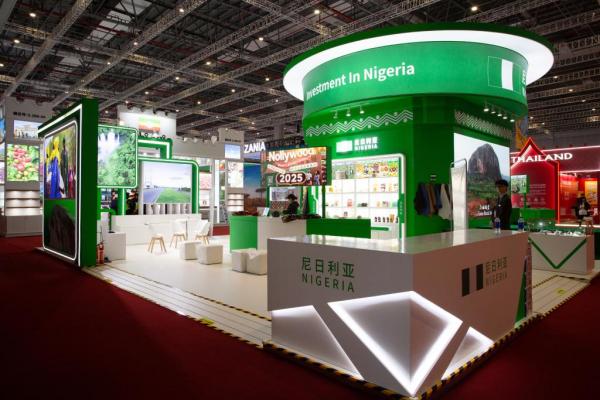
“净护合一”落地生活,看飞利浦进博新品如何重构精细化日常护理
Bei Ke Cai Jing· 2025-11-10 08:49
Core Viewpoint - Philips showcased its health technology solutions at the 8th China International Import Expo, emphasizing the "Integrated Care" concept for personal care, which combines effective cleaning with gentle care across oral, skin, and scalp health [1][3]. Group 1: Health Consumption Trends - The health industry is experiencing rapid growth as consumer attitudes shift from "post-treatment" to "daily prevention," with 94% of Chinese consumers considering health management important and 47% of young people frequently purchasing health products [3]. - Common pain points in daily care include concerns about damaging gums during oral cleaning, skin irritation from shaving, and hair damage from high-temperature drying [3]. Group 2: Technological Solutions - Philips introduced several innovative products, including the Sonicare toothbrush, which utilizes 33 years of research in sonic cleaning technology to effectively clean hard-to-reach areas and remove up to 20 times more plaque [4]. - The newly launched Burgundy Diamond AI electric toothbrush features SenseIQ technology that adjusts brushing pressure in real-time, improving gum health by 15 times in six weeks [6]. - The new 9 Series Pro shaver employs innovative technology for a close shave while minimizing skin irritation, achieving a depth of 0.08 mm [6][10]. Group 3: Consumer Engagement and Promotions - The "Youth Ageless Rejuvenation Station" at the expo attracted significant attention, allowing visitors to experience the benefits of Philips' technology firsthand, leading to enthusiastic feedback and immediate purchases [3][10]. - During the expo, Philips offered exclusive discounts and benefits for its products, including up to 85% off on star products during the "Double Eleven" shopping festival, along with membership perks such as extended warranties and personalized health services [8][10]. Group 4: Future Directions - Philips aims to integrate advanced health technology into daily life, supporting the "Healthy China 2030" initiative by focusing on professional products, technology, and services [11].
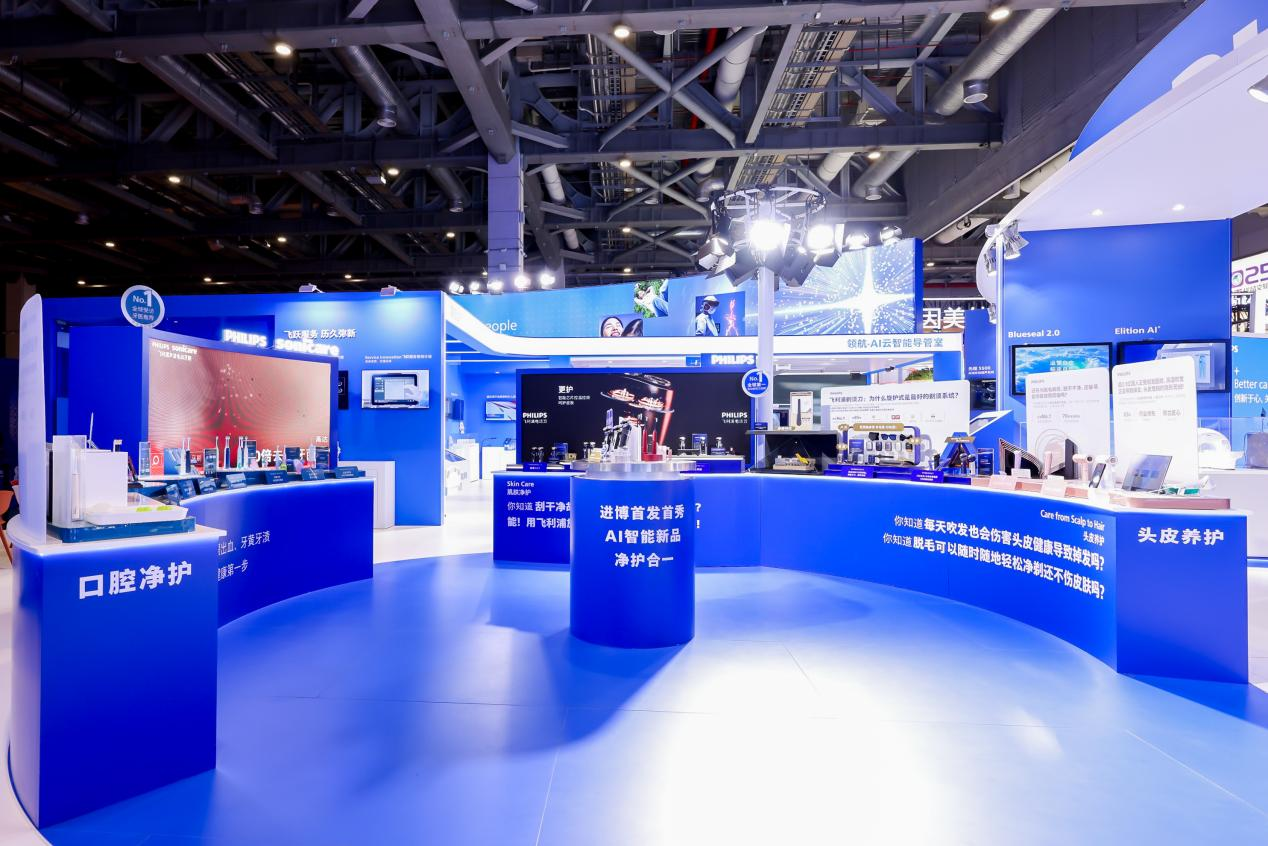
“净护合一”落地生活 看飞利浦进博新品如何重构精细化日常护理
Xin Jing Bao· 2025-11-10 08:48
Core Insights - Philips showcased its "Integrated Care" concept at the 8th China International Import Expo, emphasizing health technology solutions for oral, skin, and scalp care [2][3] - The company introduced several new products, including the Burgundy Diamond AI electric toothbrush and the new Series 9 Pro shaver, while offering promotional discounts during the "Double Eleven" shopping festival [2][8] Industry Trends - The health management perspective in China is shifting from "post-treatment" to "daily prevention," leading to rapid growth in the health industry [3] - 94% of Chinese consumers consider health management important, with 47% of young people frequently purchasing health products and services [3] Product Innovations - Philips Sonicare toothbrush utilizes 33 years of sonic cleaning technology, effectively removing up to 20 times more plaque and providing a gentle cleaning experience [4][6] - The Burgundy Diamond AI electric toothbrush features SenseIQ technology, which adjusts brushing pressure in real-time, improving gum health by 15 times in six weeks [6] - The Series 9 Pro shaver employs innovative technology for a close shave while minimizing skin irritation, and the new electric hair removal device is designed for both men and women [6][8] Consumer Engagement - The "Integrated Care" experience zone at the expo attracted significant attention, with visitors actively participating in hands-on demonstrations of the products [3][8] - Consumers expressed satisfaction with the products, leading to immediate inquiries about purchasing options during the expo [8] Strategic Vision - Philips aims to integrate advanced health technology into daily life, supporting the "Healthy China 2030" initiative through its professional products and services [9]
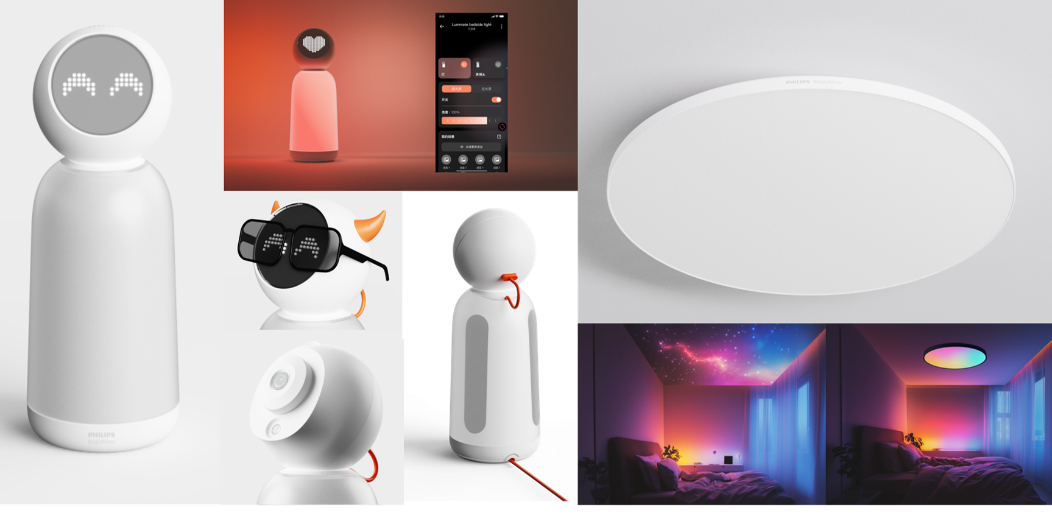
昕诺飞全球首发飞利浦AI悦光伴系列,构建智能照明情感交互新生态
Jing Ji Guan Cha Wang· 2025-11-10 07:43
Core Insights - Signify, the global leader in lighting, has launched the Philips AI Light Companion series, which integrates AI interaction technology with professional lighting capabilities to create emotional lighting solutions for home environments [1][7] Group 1: Product Features - The Philips AI Light Companion series includes products such as table lamps and ceiling lights, designed to provide emotional companionship, interactive fun, and atmospheric creation [1][5] - The series utilizes a nurturing AI system that supports multiple interaction methods, including voice commands, touch, and emotional feedback, allowing it to learn and adapt to user habits and preferences over time [3][5] - It offers a variety of preset lighting effects and can generate personalized lighting schemes, enhancing the immersive home atmosphere and providing a sense of ritual in daily life [5][7] Group 2: User Experience - The AI system can recognize users' emotional states and respond accordingly, creating a more natural and empathetic interaction experience [3][7] - The series includes features for quick transitions between work and leisure, helping users alleviate daily stress through fun interactive functions and immersive projection modules [7] - Signify aims to continue exploring AI applications in home lighting, focusing on enhancing quality of life and providing emotional support through lighting technology [7]
飞利浦进博答卷:深耕中国,以AI医疗创新构建可信赖的人机协同未来
2 1 Shi Ji Jing Ji Bao Dao· 2025-11-09 12:40
Core Viewpoint - The 8th China International Import Expo highlights Philips' commitment to innovation in healthcare, showcasing nearly 50 innovative products and ten new launches in China, emphasizing the company's strategic focus on the Chinese market and the integration of AI in healthcare solutions [1][2][3]. Group 1: Philips' Strategy in China - Philips aims to create a "closed-loop local business" model in China, balancing local innovation with global needs, particularly in the context of AI and healthcare [1][2]. - The company recognizes the forward-thinking innovation proposed by Chinese clinical experts, which is driven by the unique healthcare challenges and policies in China [2]. Group 2: Product Innovations - Philips introduced the MR 7700, the first 3T MRI device in the industry with multi-nuclear clinical capabilities, enabling non-invasive biochemical metabolic mapping to better understand disease pathways [3]. - The Spectral CT 7600, developed by Philips' Shenyang R&D team, enhances clinical energy scanning capabilities without increasing radiation exposure, catering to various patient needs [8][9]. Group 3: AI Integration in Healthcare - AI is viewed as a core driver for reshaping the future of healthcare in China, with a high acceptance rate among healthcare professionals and patients [4][5]. - Philips emphasizes the importance of seamless integration of AI into workflows, ensuring that healthcare professionals can focus on patient care without needing extensive training on AI technologies [6][7]. Group 4: Commitment to Local Development - Philips has established a comprehensive R&D capability in China, covering the entire product lifecycle from development to market [9]. - The company is transitioning from being a mere medical device supplier to a co-creator in the Chinese healthcare ecosystem, aiming to leverage local innovations for global benefits [9].
进博会观察|参展商掘金“细分”生意
Jing Ji Guan Cha Wang· 2025-11-09 11:31
Core Insights - The article highlights the trend of product segmentation among exhibitors at the China International Import Expo, focusing on tailored cleaning solutions and consumer preferences in the Chinese market [2][3][4]. Group 1: Product Segmentation - The Portuguese cleaning brand Mootaa has introduced a green natural series of cleaning products tailored for specific household scenarios, expanding from 4 to 7 SKUs for the Chinese market [2]. - Mootaa's new products include specialized cleaners for kitchens, bathrooms, and laundry, with enhanced stain removal capabilities to meet local demands [2][3]. - Philips has launched new shavers targeting different consumer demographics, including high-net-worth individuals and young consumers, with products priced from around 100 to 3000 RMB [4]. Group 2: Market Adaptation - Mootaa has established a comprehensive online and offline sales network in China, partnering with major e-commerce platforms and supermarkets, achieving a retail scale of 400 million RMB with a compound annual growth rate of over 30% [3]. - Kao's brand freeplus has introduced a cleansing oil to complement its existing product line, reflecting a strategy to cater to local consumer needs and preferences [4][5]. - Kao's health care brand, Meishuli, has adapted its products for the Chinese market, including steam eye masks and foot-soaking products, which have shown promising sales performance [5].
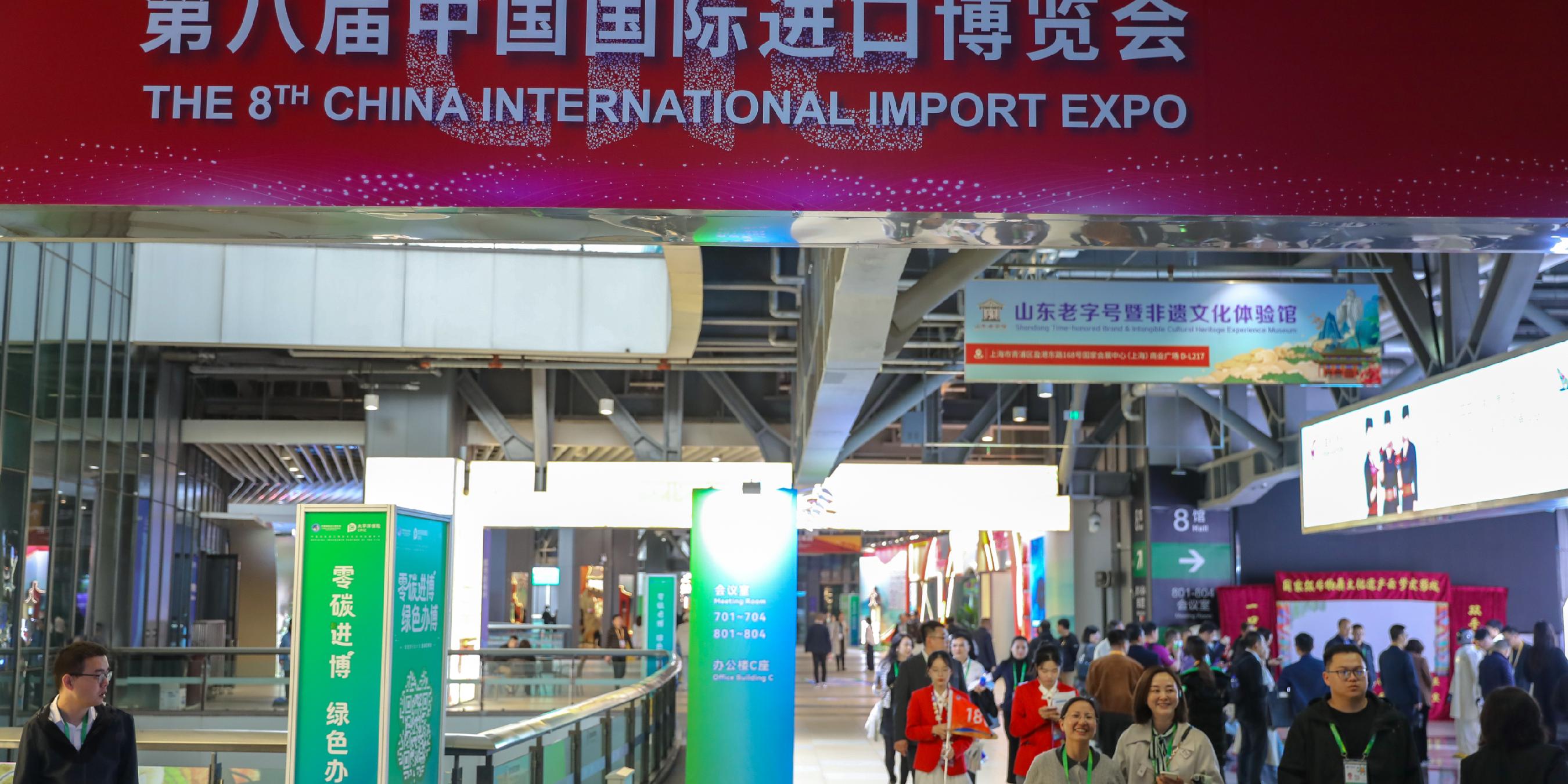
药械巨头竞逐慢病赛道
21世纪经济报道· 2025-11-08 23:30
Core Viewpoint - The article emphasizes the strategic opportunities in China's pharmaceutical and healthcare sector, particularly in the context of the "14th Five-Year Plan" and the upcoming "15th Five-Year Plan," highlighting the importance of health in national development and the need for enhanced public health initiatives [1]. Policy and Strategic Initiatives - The "15th Five-Year Plan" proposes a health-first development strategy, aiming to increase the average life expectancy in China from 79 years in 2024 to around 80 years [1]. - The 8th China International Import Expo (CIIE) showcased cutting-edge technologies and innovative products in the healthcare sector, indicating a strong response from the industry to policy initiatives [1]. Chronic Disease Management - Cardiovascular diseases remain a significant health threat in China, with over 330 million patients, and low awareness and treatment rates for blood lipid management [3]. - Collaborative efforts, such as the "Super Consultation" event by Tencent News and Novartis, aim to address public misconceptions about LDL-C and improve cardiovascular disease management [3]. Innovations in Disease Prevention - GSK is focusing on product innovation and health education to promote the prevention of diseases closely related to chronic conditions, such as shingles, which poses increased risks for patients with cardiovascular diseases [4][5]. - Bayer introduced a new product for chronic constipation management, addressing a prevalent health issue among adults in China [5]. Retail Health Services - The retail sector is crucial in connecting healthcare services with public health, with initiatives to extend health services from hospitals to homes [7]. - Novo Nordisk and the China Pharmaceutical Commerce Association launched a health management standard for obesity in retail pharmacies, aiming to enhance patient support [7][9]. AI in Healthcare - AI technology is increasingly integrated into healthcare, enhancing clinical diagnosis and patient management, as demonstrated by various companies at the CIIE [13]. - The launch of AI-driven platforms, such as Boston Scientific's medical knowledge graph, aims to improve clinical education and decision-making [13][14]. Ecosystem Collaboration - The CIIE serves as a platform for collaboration among healthcare companies, fostering partnerships that enhance innovation and market access [18]. - Companies like Merck and Medtronic are focusing on local partnerships to accelerate the introduction of innovative products in China [19][20]. Conclusion - The healthcare sector in China is undergoing significant transformation driven by policy support, technological advancements, and collaborative efforts among industry players, aiming to improve public health outcomes and enhance the overall healthcare ecosystem [1][18].



外企看中国|“全勤生”飞利浦植根中国四十载,以“有意义的创新”共赴健康未来
Zhong Guo Jing Ji Wang· 2025-11-08 11:47
Core Insights - The 8th China International Import Expo (CIIE) is being held in Shanghai from November 5 to 10, showcasing nearly 50 innovative products and solutions from Philips in key areas such as diagnostic screening, disease treatment, and personal health [1][3] - Philips has established itself as a co-creator in China's healthcare sector, with a complete local R&D and manufacturing system, and emphasizes collaboration with hospitals and research institutions [3][7] AI and Healthcare - According to Philips' 2025 China Future Health Index Report, China is a leading market for AI in healthcare, with 89% of patients believing AI enhances care quality, significantly higher than the global average of 59% [3][4] - 84% of healthcare professionals in China believe AI can save lives through early intervention, and 77% see AI as a tool for efficient patient triage [3][4] Innovation and Product Launches - Philips' focus on integrating AI into real-world workflows aims to address clinical pain points, with an annual R&D investment of €1.7 billion, nearly 50% of which is allocated to AI and data science [4] - The company launched ten new medical products at the expo, many of which are powered by AI, covering diverse scenarios from precision diagnosis to personal health management [4][5] Consumer Health Trends - Data shows that 94% of Chinese consumers prioritize health management, with 47% of young people frequently purchasing health products and services, reflecting a shift from "treatment after the fact" to "daily prevention" [5] - Philips promotes a new personal care philosophy of "integrated health protection," showcasing solutions for oral, skin, and scalp care at the expo [5] Commitment to the Chinese Market - Since establishing its first joint venture in China in 1985, Philips has become a trusted partner in the health industry, with China being its second-largest market globally [7] - The company has set up five innovation R&D centers and five production bases in China, achieving over 95% of its products being developed and manufactured locally [7] - Philips expresses confidence in the Chinese market and plans to deepen local cooperation, particularly in AI and healthcare technology, contributing to the "Healthy China" initiative [7]
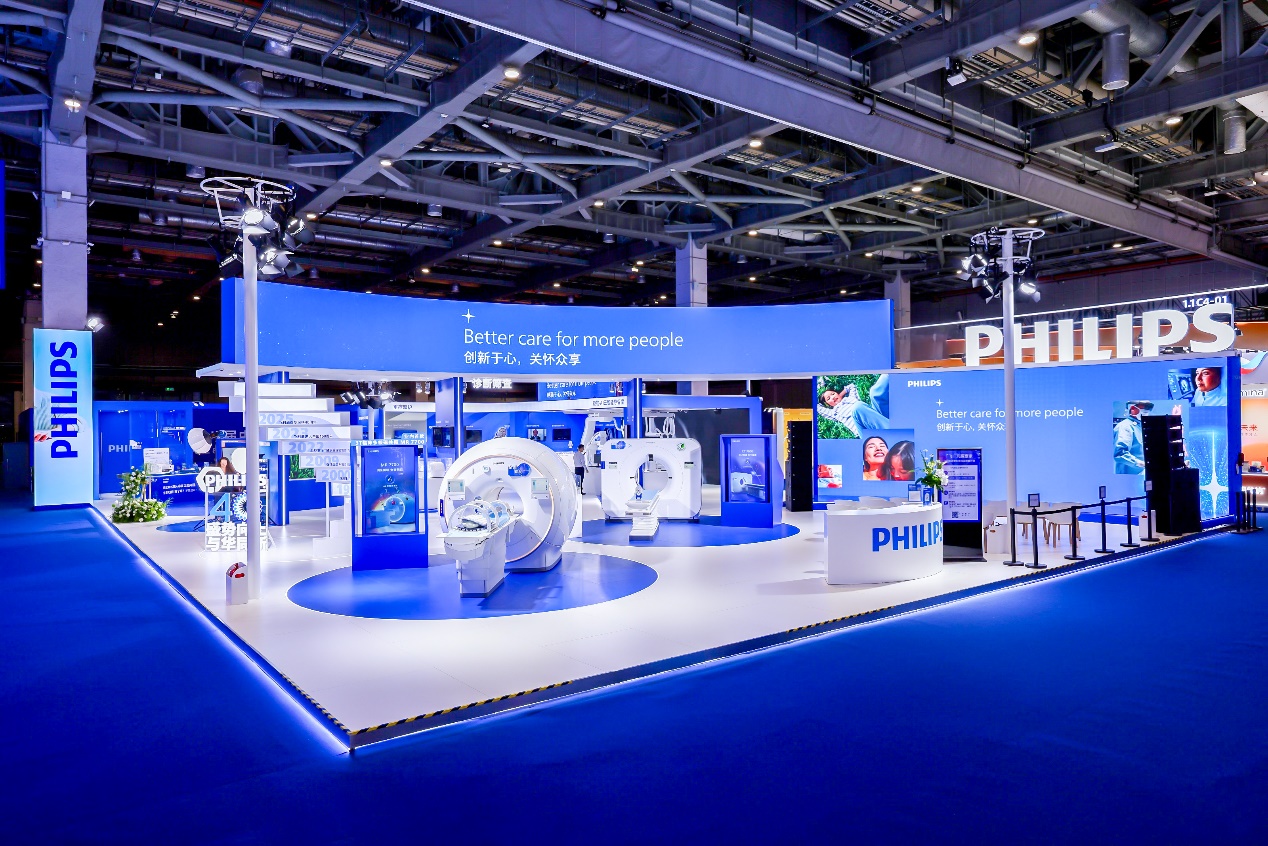
飞利浦亮相第八届进博览会,每年约17亿欧元的研发投入中近半用于AI与数据科学领域
Cai Jing Wang· 2025-11-08 08:09
Core Insights - Philips showcased nearly 50 innovative products and solutions at the 8th China International Import Expo, including ten "China debut" products and over ten AI-enabled health technology solutions [1][2] - The company's focus is on AI applications in imaging diagnostics, smart interventional navigation, and critical care, aiming to enhance diagnostic accuracy and reduce healthcare burdens [1][2] Group 1: Clinical Quality and Health Outcomes - Philips combines AI imaging algorithms with smart interconnected platforms to enable earlier and more accurate diagnoses and treatments in healthcare institutions [2] - The company promotes a shift from "treating diseases" to "preventing diseases" through products like smart respiratory management and AI oral care, extending health management into home settings [2] - Philips has developed comprehensive solutions for major diseases prevalent in China, such as cardiovascular diseases, cancers, and strokes, facilitating precise diagnosis and efficient clinical goals [2] Group 2: Smart Healthcare Ecosystem - The trust and value of AI in healthcare have become central topics as China accelerates the "AI + healthcare" system construction [3] - Philips plans to release the 2025 China version of the "Future Health Index Report," which analyzes the role of AI in enhancing efficiency and proactive health management, based on surveys of over 1,900 health technology professionals and 16,000 patients across 16 countries [3] - The company invests approximately €1.7 billion annually in R&D, with nearly half allocated to AI and data science, and has filed nearly 1,000 related patents [3] Group 3: Sustainable Innovation for Health in China - Since establishing its first joint venture in China in 1985, Philips has developed a localized capability covering R&D, manufacturing, and services, with over 95% of products developed and manufactured in China [4] - China is not only Philips' second-largest market but also a significant center for innovation and value creation [4] - The company aims to deepen its engagement in AI, digital diagnosis, and other advanced fields, collaborating with hospitals, research institutions, and industry partners to foster a vibrant innovation ecosystem [4]