Siemens

Search documents
The Ultimate CES 2026 Guide: Hottest AI Panels, Parties And Robots
Forbes· 2025-11-30 06:27
Core Insights - CES is returning to Las Vegas in January to highlight the transition of AI from novelty features to a fundamental aspect of various product categories [1] Group 1: Company Presentations - LG and Samsung will present their vision for future homes [2] - Lenovo will host an immersive keynote at The Sphere [2] - Sony Honda Mobility will showcase its next-generation electric vehicle, Afeela [2] - Waymo and Zoox will demonstrate their plans for robotaxis [2] Group 2: Keynote Sessions and Discussions - A session titled "The Future is Airborne" will feature discussions on delivery drones and advanced air mobility with industry leaders [3][4] - Various sessions will cover topics such as AI in cinematic creativity, transforming industries with physical AI, and the future of autonomous vehicles [6][7][9][10][11] Group 3: Event Schedule Highlights - Media Day 1 includes sessions on tech trends and an unveiling event [6] - Media Day 2 features keynotes from AMD and discussions on software-defined vehicles [7] - The event will also include a series of panels on AI applications in healthcare, consumer behavior, and robotics [9][10][11]


行业聚焦:全球紫外气体分析仪行业头部企业市场份额及排名情况(附厂商名单)
QYResearch· 2025-11-27 02:08
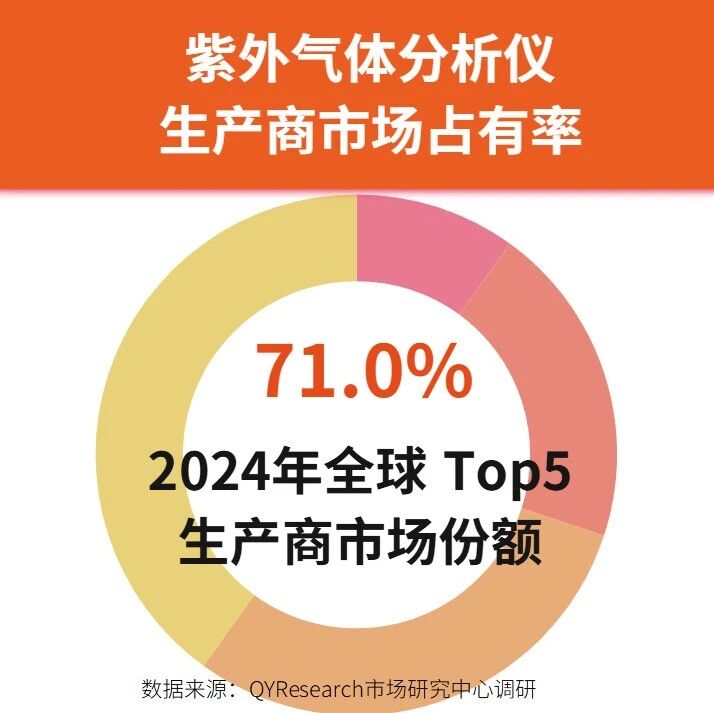
Core Viewpoint - The ultraviolet gas analyzer market is projected to reach USD 380 million by 2031, with a compound annual growth rate (CAGR) of 2.5% over the coming years [3]. Market Overview - The global ultraviolet gas analyzer market is primarily driven by regulatory requirements and industrial upgrades, focusing on continuous and traceable emissions monitoring [14]. - Major manufacturers in the ultraviolet gas analyzer market include Siemens, ABB, Emerson, AMETEK, HORIBA, and others, with the top ten companies holding approximately 71.0% of the market share in 2024 [6]. Product Segmentation - Desktop models dominate the product segmentation, accounting for about 91.6% of the market share [8]. Application Segmentation - The power generation sector is the largest application area, representing approximately 26.0% of the demand [11]. Market Opportunities and Drivers - The growth in the ultraviolet gas analyzer market is supported by increased regulatory demands for accurate measurement of pollutants like SO₂, NOx, NH₃, HCl, and HF, particularly in industries such as power, steel, cement, petrochemicals, and waste incineration [14]. Market Challenges - Key challenges include the high lifecycle costs due to complex operating conditions, competition from alternative technologies, and varying certification and data transmission standards across regions [16]. Downstream Demand Trends - There is a trend towards systematization, combination, and platformization in downstream demand, with large owners preferring integrated solutions that bundle ultraviolet analysis with sampling, automatic calibration, and remote diagnostics [18].
2025人形机器人大时代 - 具身智能大脑的进化之路
2025-11-24 01:46
Summary of Key Points from the Conference Call Industry Overview - The conference call discusses the **embodied intelligence** sector, focusing on the evolution of robotics and AI technologies, particularly the shift from model-driven to data-driven approaches in robot algorithms [1][2][3]. Core Insights and Arguments - **Algorithmic Changes**: The robotics industry is experiencing a significant transition from model-driven algorithms to data-driven approaches, driven by advancements in generative AI since 2022. This shift allows robots to not only perform actions but also understand and reason about tasks [2][3]. - **Main Algorithm Architectures**: Three primary algorithm architectures are identified: 1. **Hierarchical Control Framework**: Established since 1985, separating perception and motion control, still widely used due to its minimal disruption to existing systems [4]. 2. **VLA (Vision-Language-Action) Model**: Gaining traction among startups since 2023, suitable for interactive scenarios but may need to work alongside hierarchical frameworks in industrial settings for safety [4]. 3. **World Model**: Focuses on autonomous understanding of the physical world through continuous data, requiring high-fidelity simulations, but faces challenges in practical deployment [4][8]. - **Data Acquisition Methods**: The industry relies on three main data acquisition methods: 1. **Real Machine Acquisition**: High-value but costly, involving remote operations and large-scale training environments. 2. **Video Learning**: More cost-effective, using real video recordings to train robots. 3. **Simulation Data**: Often used by startups to compensate for the lack of real data, requiring strict data cleaning [10][20]. - **Data Security Concerns**: Increasing data security issues are highlighted, with incidents of unauthorized data transmission raising concerns about privacy and safety, especially as robots enter domestic service sectors [11][12]. - **Benchmarking and Evaluation**: The lack of a unified evaluation benchmark in the embodied intelligence sector is noted, with Stanford University introducing the **Behavior 1K** benchmark to assess embodied intelligence models, which could accelerate technological development [17]. Additional Important Content - **Research and Development Efficiency**: Companies are urged to optimize R&D processes and enhance cross-department collaboration to improve efficiency in response to industry demands [13]. - **Physical AI's Role**: Physical AI is recognized as crucial for simulation modeling, with applications in various industrial scenarios, showcasing its potential to enhance intelligent attributes [18][19]. - **Software Ecosystem**: The robotics software ecosystem comprises models, data analysis, simulation tools, and evaluation systems, attracting numerous tech companies to participate and create commercial opportunities [21]. - **Future Trends**: Over the next 3-5 years, the three algorithmic approaches are expected to coexist and evolve gradually, with hierarchical frameworks remaining relevant for industrial applications while VLA models gain traction in human-robot interaction [9]. This summary encapsulates the key points discussed in the conference call, providing insights into the current state and future directions of the embodied intelligence industry.

ROHM Expands High-Accuracy EROM Models for Shunt Resistors
Globenewswire· 2025-11-20 22:00
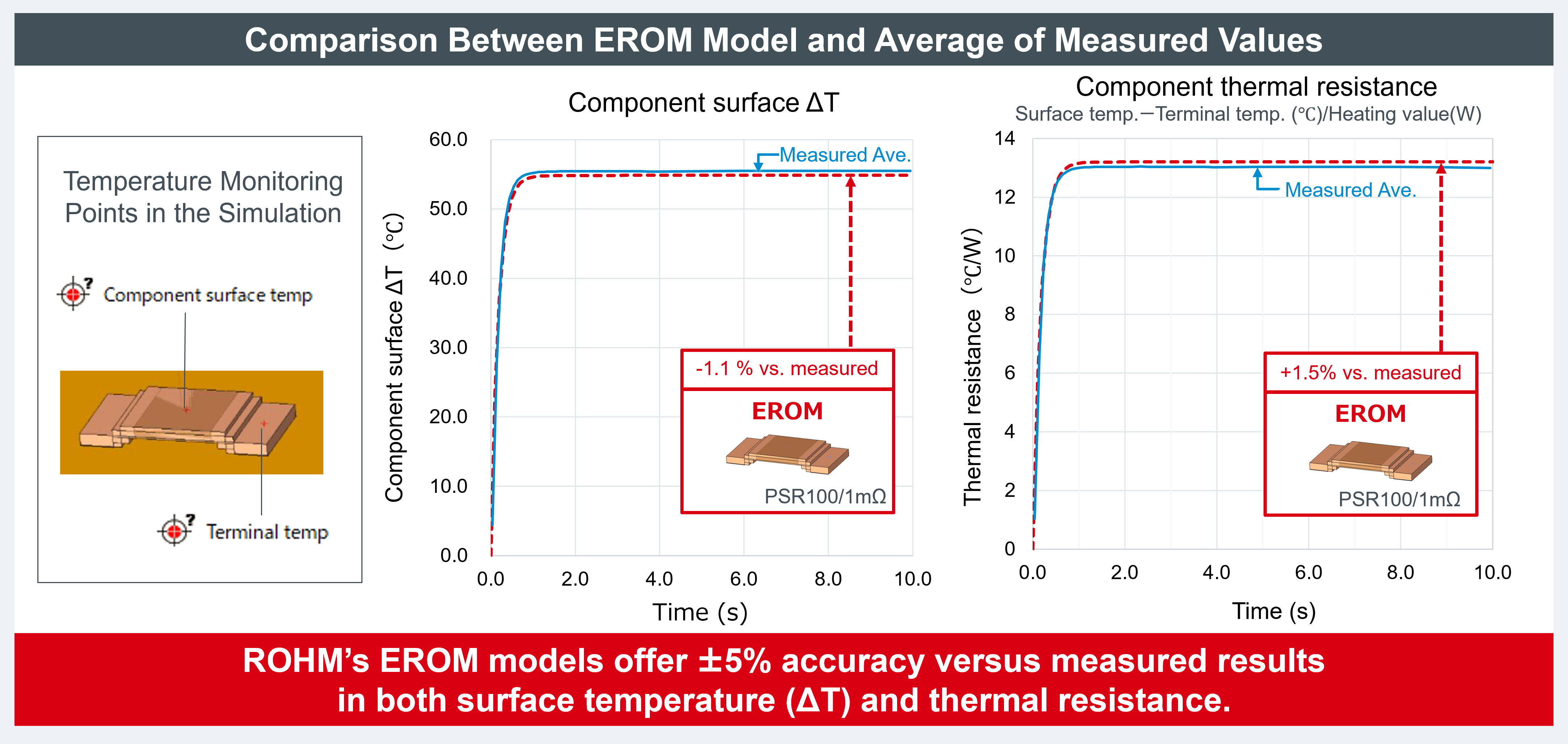
Now Standard in Siemans’ Flotherm™ Comparison Between EROM Model and Average of Measured Values ROHM's EROM models achieve high accuracy with a measurement deviation within ±5% for both surface temperature (ΔT) and thermal resistance. Santa Clara, CA and Kyoto, Japan, Nov. 20, 2025 (GLOBE NEWSWIRE) -- ROHM Semiconductor today announced its expanded lineup of EROM (Embeddable BCI-ROM) models for shunt resistors now available on ROHM’s website. In addition, these models are now standard in Siemens’ electro ...
nVent Unveils New Liquid Cooling and Power Portfolio at SC25
Businesswire· 2025-11-17 21:15
Core Insights - nVent Electric plc has introduced new modular liquid cooling solutions aimed at meeting the cooling requirements of next-generation AI chips, showcasing these innovations at SC25 [1][3][12] - The company is collaborating with Siemens to develop a liquid cooling and power reference architecture tailored for hyperscale AI workloads [8] Product Offerings - The new product portfolio includes modular and scalable row-based coolant distribution units (CDUs), next-generation power distribution units (PDUs), and advanced technology cooling system manifolds [3][4] - nVent's CDUs and PDUs feature a common control platform designed to enhance reliability and improve user experience for data center operators [3] Industry Collaboration - nVent is participating in Project Deschutes, exhibiting a new CDU design based on Google's specifications, which aims to accelerate the adoption of liquid cooling in data centers [9] - The company is leveraging its extensive experience and technical expertise to address unique challenges faced by customers in the data center industry [2][7] Educational Initiatives - nVent will host "Tech Talks" at SC25 to provide insights into new products and address critical industry questions, supporting data center managers in deploying the latest AI technology [11] - Industry experts from nVent, NVIDIA, Lenovo, HPE, and AMD will participate in a panel discussion on the evolution of liquid cooling technology [10] Marketing Campaign - nVent is launching a new marketing campaign titled "We Do Cool Stuff" to highlight its leadership and innovation in the data center industry [12][13]


Siemens to exit healthcare space with Healthineers deconsolidation
Yahoo Finance· 2025-11-17 14:37
Siemens has announced plans to ‘deconsolidate’ its remaining stake in Siemens Healthineers by transferring 30% of shares to Siemens shareholders. Siemens, whose stake had stood at 67%, will hand the shares over via a direct spin-off as ‘preferable option’. Deciding to deconsolidate the Healthineers business follows a thorough assessment and strategic review of how both companies can best realise their full potential, accelerate their respective transformations, and successfully tap into new areas of grow ...
X @Bloomberg
Bloomberg· 2025-11-17 12:56
Siemens Healthineers is studying options for its Diagnostics business that could include a future sale, a few days after former parent Siemens said it plans to reduce its majority holding in the maker of MRI scanners https://t.co/YPUyr81Hg6 ...
Nidec Corporation's Financial Performance and Market Valuation
Financial Modeling Prep· 2025-11-16 02:00
Core Insights - Nidec Corporation (NNDNF) is a global leader in electric motor manufacturing, operating across various sectors including automotive and appliances [1] - The company reported earnings per share (EPS) of $0.23, which was below the estimated $0.29, while revenue was approximately $4.49 billion, meeting expectations [2] - Nidec's revenue growth was driven by an increase in sales of 8.5 billion yen, particularly in the automotive and appliance sectors [2] Financial Metrics - Nidec has a price-to-earnings (P/E) ratio of approximately 13.69, indicating investor willingness to pay for earnings [3] - The price-to-sales ratio and enterprise value to sales ratio are both around 0.83, reflecting consistent market valuation relative to sales [3] - The enterprise value to operating cash flow ratio is approximately 9.34, showcasing the company's cash flow efficiency [3] - Nidec's earnings yield is about 7.30%, which may attract investors seeking returns [3]
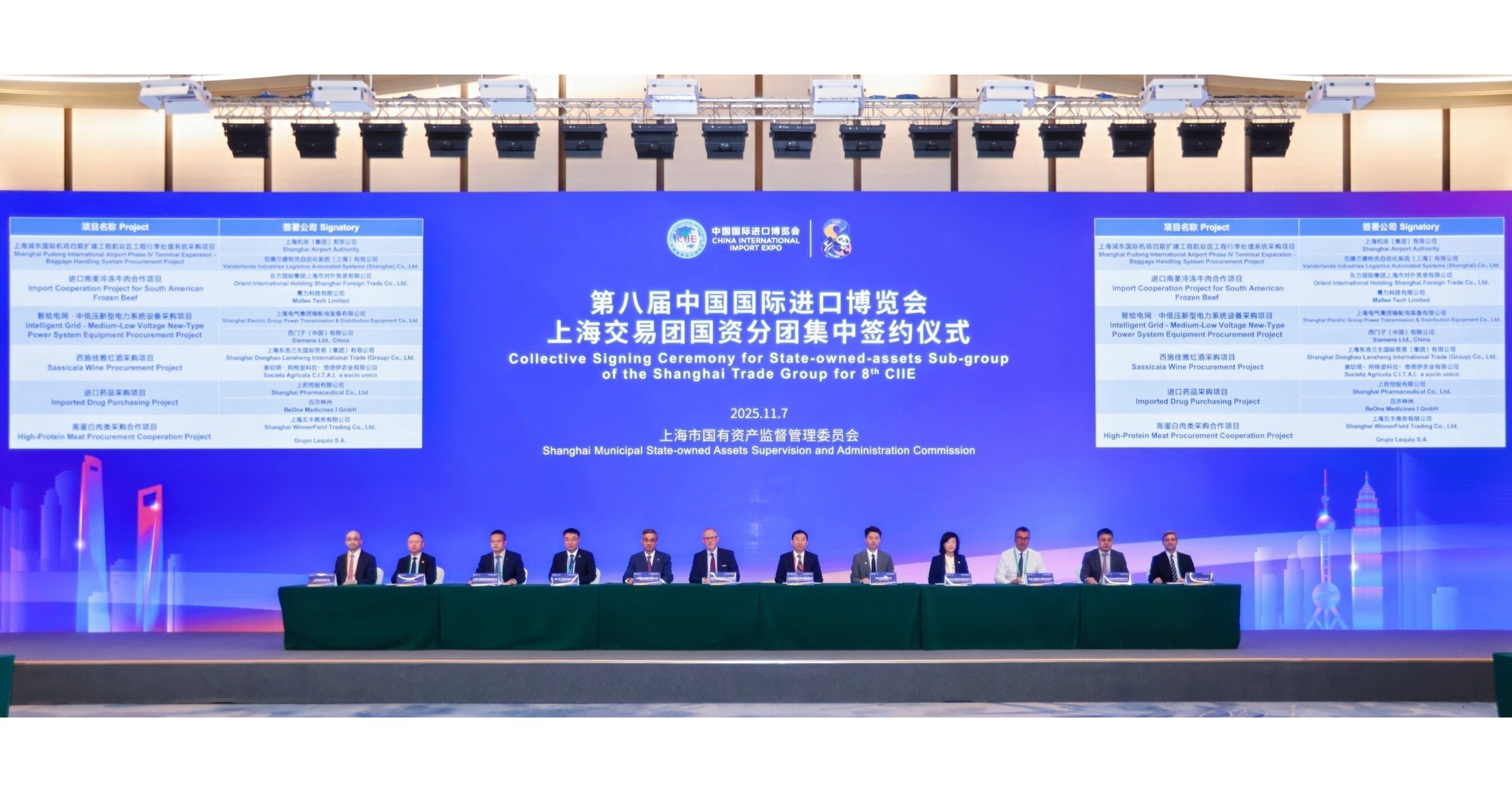
Shanghai Electric and Siemens Sign Framework Agreement to Accelerate Green and Digital Power Grid Transformation
Prnewswire· 2025-11-14 14:27
Core Insights - Shanghai Electric and Siemens AG signed a framework agreement to enhance medium- and low-voltage power system equipment, supporting China's dual-carbon goals [1][2][3] Group 1: Partnership Objectives - The collaboration aims to leverage complementary strengths for market expansion, green transformation, and intelligent upgrades, creating benchmark projects for a sustainable power grid [2][5] - The agreement signifies Shanghai Electric's proactive role in the global energy transition and reflects a shared strategic vision for low-carbon and digital development [2][3] Group 2: Historical Context and Future Plans - Shanghai Electric and Siemens have a long-standing partnership, with over three decades of technological collaboration and market cooperation in China's power transmission and distribution sector [4] - The new agreement is expected to accelerate the green transformation of the power system industry and strengthen Shanghai Electric's leadership in transmission and distribution equipment, while opening new opportunities for international cooperation [4][5] Group 3: Strategic Vision - Both companies plan to deepen strategic collaboration, explore integrated applications across various industrial scenarios, and leverage high-end equipment partnerships to build benchmark projects for sustainable, low-carbon development [5] - The partnership aims to deliver reliable "Shanghai Electric Solutions" to support energy transitions in China and globally [5]


PCB Design Software Market to Hit USD 12.11 Billion by 2033, Growing at a CAGR of 13.77% | Research by SNS Insider
Globenewswire· 2025-11-14 08:00
Market Overview - The PCB Design Software Market was valued at USD 4.32 Billion in 2025E and is projected to reach USD 12.11 Billion by 2033, growing at a CAGR of 13.77% from 2026 to 2033 [1][13]. U.S. Market Insights - The U.S. PCB Design Software Market size was USD 1.19 Billion in 2025E and is expected to grow to USD 3.26 Billion by 2033, with a CAGR of 13.47% during 2026-2033 [3]. - Key drivers include strong R&D capabilities, rapid integration of cloud-based tools and AI, and the demand for fast, small electronics [3]. Segmentation Analysis By Component - In 2025, the Software segment led the market with a share of 72.80%, while the Service segment is the fastest-growing with a CAGR of 13.60% [4]. By Technology - High-end Software dominated the market in 2025 with a share of 46.50%, and the Mainstream Software segment is the fastest-growing with a CAGR of 14.1% [5]. By Deployment - On-premises solutions led the market in 2025 with a share of 58.70%, while the Cloud segment is expected to grow the fastest with a CAGR of 15.4% [6][7]. By Application - Computer & Consumer Electronics held the largest share of 34.60% in 2025, and Automotive Components is the fastest-growing segment with a CAGR of 15.80% [8]. Regional Insights - North America dominated the PCB Design Software Market in 2025E with over 38.20% revenue share, driven by advanced electronic design automation tools and investments in multilayer PCB technologies [9]. - The Asia Pacific region is expected to have the fastest-growing CAGR of 14.92%, attributed to rapid growth in electronics manufacturing and automation in PCB design processes [10]. Key Companies - Major players in the PCB Design Software market include Cadence Design Systems, Siemens EDA (Mentor Graphics), Altium Limited, Autodesk, Inc., and others [14]. Recent Developments - In May 2025, Cadence launched the Millennium M2000 Nvidia-GPU supercomputer, enhancing GPU-accelerated simulation performance for PCB and chip-level verification workflows [18]. - Siemens introduced Xpedition Standard, emphasizing AI features and cloud connectivity for faster design cycles [18].