Lyft

Search documents
Dow Rises After Fed Rate Cut | Closing Bell
Youtube· 2025-09-17 20:58
Market Overview - The market reaction to the Fed's announcement was mixed, with the Dow Jones Industrial Average closing up about 260 points or 0.6% while the S&P 500 and Nasdaq composite finished lower by about 0.1% and 0.2-0.3% respectively [7][8][10] - The Russell 2000 index traded above its record high for the first time since 2021 but closed lower, indicating volatility in small-cap stocks [7][8] Federal Reserve Insights - The Fed's focus on inflation and labor market dynamics continues to be a point of concern, with some analysts suggesting that the Fed may be overly focused on labor market data rather than inflation pressures [3][4] - Jerome Powell's data-dependent approach to policy has led to a pause in rate cuts, as the Fed assesses the impact of tariffs and trade policies on the economy [5][6] Company Performances - Workday saw a significant increase in stock price, up about 7.25% after announcing a $4 billion share buyback and receiving a $2 billion investment from Elliott Investment Management [12][13] - Baidu's stock rose over 11% following analyst upgrades citing growth potential in its in-house chip business, marking a significant recovery for the company [14][15] - Krispy Kreme's stock experienced a slight gain, while Uber declined by 5% due to Lyft's new partnership with Waymo for Robotaxi services [19][20] IPO and Earnings Updates - StubHub's IPO fell 6.4% below its initial offering price, raising $800 million but indicating a lackluster market reception [21] - General Mills reported adjusted earnings per share that missed estimates, although revenue exceeded expectations, leading to a slight decline in stock price [24][28]
Lyft Shares Boom 14% As Rideshare Firm Announces Waymo Partnership
Forbes· 2025-09-17 19:50
Group 1 - Lyft shares increased by as much as 14%, reaching a three-year high after announcing a partnership with Waymo [1][2] - The partnership will introduce Waymo's robotaxi service to Nashville, expanding its existing services in several major cities [2] - Lyft will be responsible for vehicle maintenance, infrastructure, and depot operations as part of the agreement [2] Group 2 - Lyft's stock has risen significantly since its second quarter earnings report in August, despite missing revenue and earnings expectations [5] - The company reported $4.5 billion in gross bookings, marking a 12% year-over-year increase [5] - Waymo aims to expand its autonomous ride services to additional cities, with plans to offer around one million rides per week by the end of next year [5]

X @Bloomberg
Bloomberg· 2025-09-17 19:34
Lyft is testing a feature that will tell drivers how often a rider tips and how punctual they are, providing additional information drivers can use when deciding which trips are worth their time https://t.co/JjQtKkgmbT ...
Lyft Stock Pops on Tie-Up With Google's Waymo for Nashville Robotaxi Service
Investopedia· 2025-09-17 19:20
Core Insights - Lyft and Waymo have announced a partnership to launch a robotaxi service in Nashville starting next year, leading to a significant increase in Lyft's stock price [1][6] - Lyft shares rose over 13% following the announcement, while Uber's shares fell by 5% [1][6] - Lyft's stock has gained more than 75% in value in 2025, while Uber's shares have increased by over 50% during the same period [3][6] Company Developments - Waymo will utilize Lyft's fleet-management services, which include vehicle maintenance and infrastructure operations [2] - Lyft plans to build an autonomous vehicle fleet management facility that will include charging and vehicle service capabilities as part of the partnership [2] - The robotaxi service will initially be available on the Waymo app, with plans to expand to the Lyft app later in the year [2] Industry Context - The robotaxi market is becoming increasingly competitive, with Waymo previously launching services in Atlanta and Austin, and Tesla also entering the market with its autonomous driving service [3] - Alphabet's stock has seen a roughly 33% increase in value in 2025, reflecting the broader interest and investment in autonomous mobility solutions [3]
Lyft, Waymo Launch Autonomous Rides in Nashville in 2026
Bloomberg Technology· 2025-09-17 18:49
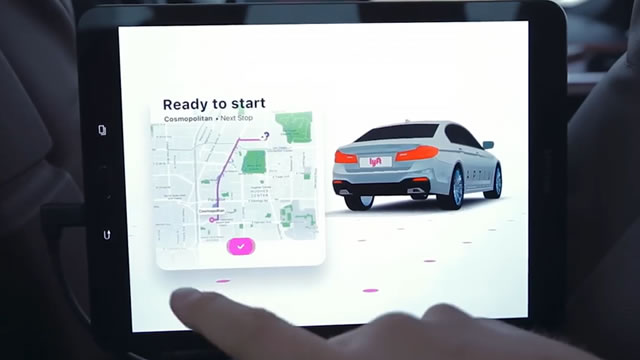
The state of play is is very clear. Waymo also has a partnership with Uber in different markets. You now have a partnership in Nashville.Just explain the rationale for you on why this is a great go to market for Robotaxi. Well, as you know, we've been saying for a while, we think self-driving cars are going to be huge, The market expanding for rideshare. It's a really good product.And then when we looked at potential partners, of course, Waymo, you know, has to be at the top of the list. The great thing abo ...
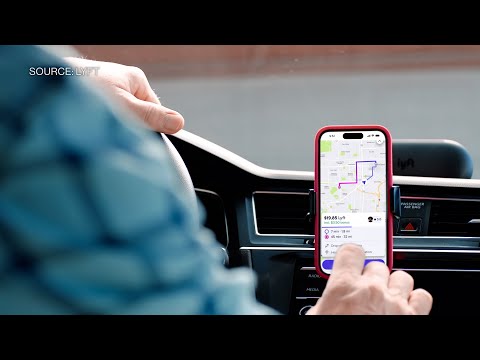
Lyft, Waymo Launch Autonomous Rides in Nashville in 2026
Youtube· 2025-09-17 18:49
The state of play is is very clear. Waymo also has a partnership with Uber in different markets. You now have a partnership in Nashville.Just explain the rationale for you on why this is a great go to market for Robotaxi. Well, as you know, we've been saying for a while, we think self-driving cars are going to be huge, The market expanding for rideshare. It's a really good product.And then when we looked at potential partners, of course, Waymo, you know, has to be at the top of the list. The great thing abo ...

Lyft's Risher calls Waymo partnership 'just the start' (LYFT:NASDAQ)
Seeking Alpha· 2025-09-17 18:21
Core Insights - Lyft's CEO David Risher emphasized that the partnership with Waymo for autonomous ride-sharing in Nashville is just the beginning for the company [2] - Risher stated that Lyft has sufficient demand to keep Waymo's autonomous vehicles operational [2]

Lyft Finds Its Robotaxi Mojo—But Uber's Still In The Fast Lane
Benzinga· 2025-09-17 17:44
Core Insights - Lyft Inc. has entered a partnership with Waymo, resulting in a 10% increase in its stock price, raising questions about whether this will lead to sustainable growth or is merely a temporary boost [1] Lyft's Robotaxi Initiative - The partnership allows riders in Nashville to hail Waymo cars through both the Waymo One app and Lyft's platform, with Lyft managing fleet operations, maintenance, and depot activities [2] - This initiative represents a significant move for Lyft to establish relevance in the autonomous vehicle industry, as Waymo has completed over 10 million paid rides in various cities, positioning Lyft to leverage this momentum for growth [3] Competitive Landscape - Uber has also partnered with Waymo and is collaborating with Baidu to expand robotaxi services into Asia and the Middle East, highlighting its broader strategy and financial strength with a market cap of $200 billion [4][5] - While Lyft's deal is termed "formative," Uber's extensive global strategy may overshadow Lyft's efforts, making it challenging for Lyft to compete effectively in the long term [5][6] Future Outlook - The Nashville launch will be critical in determining if robotaxis can significantly enhance Lyft's growth trajectory, as suggested by CEO David Risher, or if Uber's global presence will continue to render Lyft's achievements as minor milestones [6]


Chart of the Day: Uber and Lyft
Youtube· 2025-09-17 17:05
Core Viewpoint - Lyft shares have surged over 13% following the announcement of a partnership with Alphabet's Whimo to launch a robo-taxi service in Nashville, while Uber shares have declined by about 5% [1][12]. Company Performance - Lyft's stock has increased nearly 80% year-to-date and is up 133% from its April low, indicating strong market performance [3]. - Uber's market capitalization is approximately $194 billion, while Lyft's is around $9 billion, highlighting the significant size difference between the two companies [2][5]. Partnership Impact - The partnership with Whimo is Lyft's first and is seen as a critical development for the company, potentially allowing it to regain visibility in the market [4][10]. - The competitive dynamics between Lyft and Uber may shift due to this partnership, as it could limit Uber's pricing power in certain markets [6][11]. Market Positioning - Despite the positive news for Lyft, there are concerns about its ability to compete effectively with Uber, which has a more established infrastructure and partnerships in various cities [9][10]. - Lyft's model is perceived as cheaper than Uber's, but the overall competitive balance remains in favor of Uber due to its larger market share and operational scale [8][11].

Kering Customer Data Stolen, Amid Surge In Cyberattacks Against Luxury Brands
Forbes· 2025-09-17 16:55
Core Insights - Kering, the parent company of luxury brands like Gucci and Saint Laurent, confirmed a cyberattack in April that compromised consumer data of potentially millions of customers [1][4] - The hacker group Shiny Hunters claimed responsibility for the breach, stating they have access to 7.4 million unique email addresses [3] - Kering has assured customers that no financial data was stolen, but critical personal information such as names, email addresses, and phone numbers were compromised [2][3] Cybersecurity Threats - The luxury sector is increasingly targeted by cybercriminals, with recent attacks on other major brands like LVMH and Chanel highlighting the vulnerability of high-end retailers [5][6] - The nature of luxury clientele, with spending ranging from $10,000 to $86,000, makes their data particularly valuable for scams and extortion [6] - Cybersecurity is a significant concern for luxury brands, impacting business continuity and brand reputation [9] Financial Impact - Kering reported a 16% decline in sales to $9 billion (€7.6 billion) in the first half of 2025, following a 12% drop to $20.4 billion (€17.2 billion) the previous year [10] - The luxury industry is anticipating a sales decline of 2% to 5% this year, compounding the challenges faced by Kering [10] Technology Investment - Luxury brands are investing more in customer-facing technology (40%) compared to cybersecurity (21%), which may leave them vulnerable [7] - A significant portion of technology investments is directed towards external vendors (68%), potentially creating security risks [7]