Infosys

Search documents
Market recap: Mcap of 7 most valued firms surges by Rs 1.55 lakh cr; Reliance, TCS lead gains
The Times Of India· 2025-10-26 06:10
Market Performance - The BSE Sensex increased by 259.69 points, or 0.30%, reaching a 52-week high of 85,290.06 [2][4] - The combined market capitalization of seven of the top ten most valued companies surged by Rs 1,55,710.74 crore during the week [4] Top Performers - Reliance Industries added Rs 46,687.03 crore to its market valuation, totaling Rs 19,64,170.74 crore, maintaining its status as the most valuable domestic company [2][4] - Tata Consultancy Services (TCS) saw its market cap rise by Rs 36,126.6 crore, reaching Rs 11,08,021.21 crore [2][4] - Infosys's market cap increased by Rs 34,938.51 crore, reaching Rs 6,33,712.38 crore [2][4] - State Bank of India gained Rs 13,892.07 crore, closing at Rs 8,34,817.05 crore [2][4] - Bajaj Finance and Bharti Airtel recorded increases of Rs 11,947.17 crore and Rs 9,779.11 crore, reaching Rs 6,77,846.36 crore and Rs 11,57,014.19 crore respectively [3][4] - Life Insurance Corporation (LIC) saw its valuation edge up by Rs 2,340.25 crore to Rs 5,62,513.67 crore [3][4] Decliners - ICICI Bank's market cap fell by Rs 43,744.59 crore to Rs 9,82,746.76 crore [3][4] - Hindustan Unilever's valuation dropped by Rs 20,523.68 crore to Rs 5,91,486.10 crore [3][4] - HDFC Bank declined by Rs 11,983.68 crore, closing at Rs 15,28,227.10 crore [3][4] Company Rankings - The ranking of India's most valuable companies is led by Reliance Industries, followed by HDFC Bank, Bharti Airtel, TCS, ICICI Bank, State Bank of India, Bajaj Finance, Infosys, Hindustan Unilever, and LIC [3][4]

Just 19 stocks corner half of Rs 2.7 lakh crore mutual fund inflows in 2025
The Economic Times· 2025-10-25 07:07
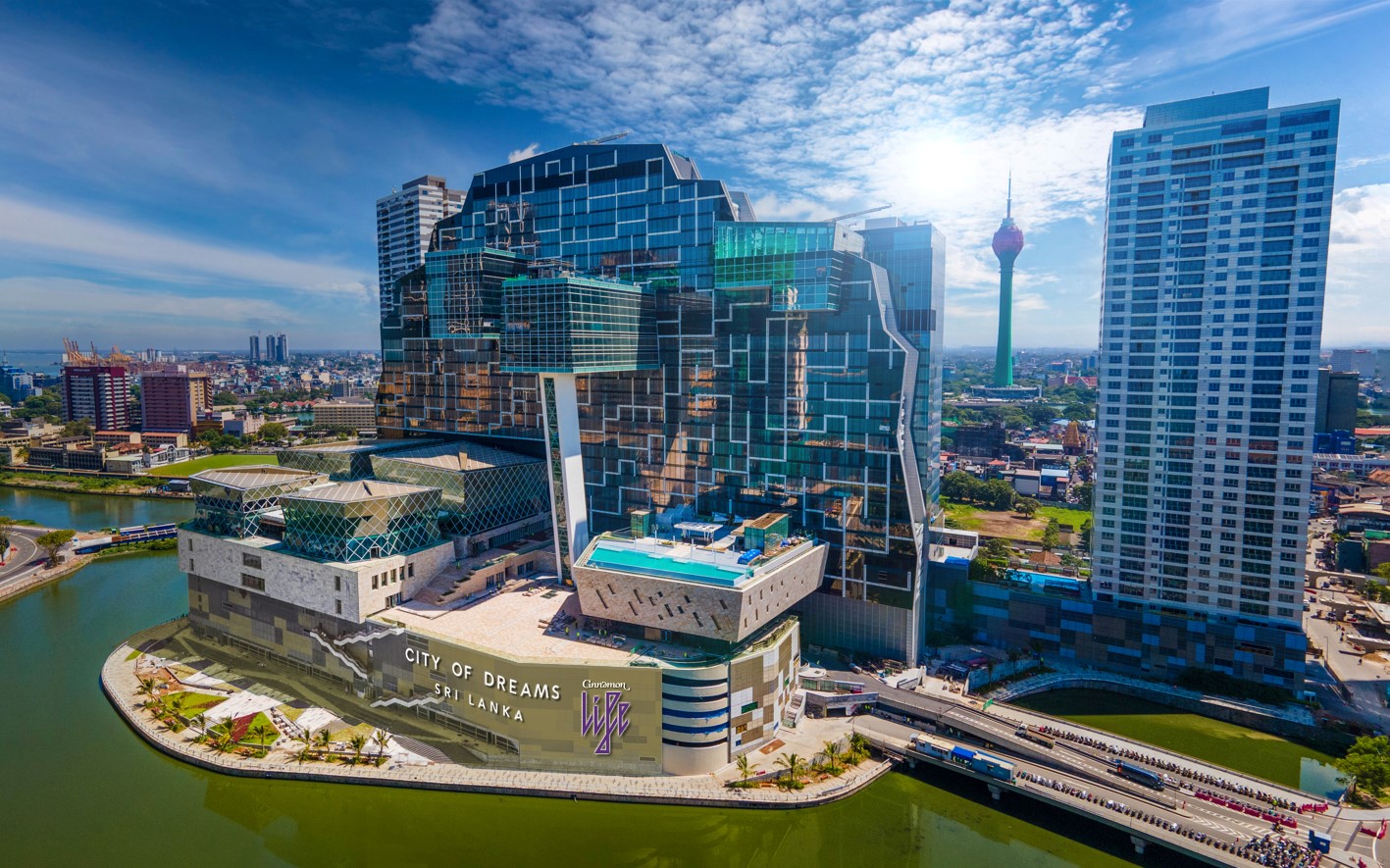
Swiggy, Of the total Rs 2,67,500 crore that flowed into mutual fund equity schemes in calendar year 2025, the concentration is striking: 25% of inflows went into just six stocks, while 50% was deployed across only 19 names, according to a recent analysis by Elara Securities.The top recipients of mutual fund investments include The next 25% of inflows went into these 13 stocks - Vishal Mega Mart, RIL, HDB Financial Services, Dixon Tech, Live EventsAs of September 2025, equity funds have been underperforming ...

Corporates cool on deeptech investments due to longer time to market
The Economic Times· 2025-10-25 00:30
Core Insights - Corporate participation in deeptech funding rounds has significantly declined, with only 62 out of 192 rounds reported this year, marking a drop from 167 rounds in 2021 and 128 in 2024, indicating a 10% year-on-year decline [1][13][14] - Total investments in deeptech with corporate participation have fallen to $328 million this year, nearly half of 2024's $606 million and far below the peak of $1.3 billion in 2022 [2][14] - Deeptech startups typically require longer development times and higher capital compared to consumer-tech startups, taking about 3-5 years for research and an additional two years for product fine-tuning [1][14] Corporate Involvement - Corporate validation is crucial for deeptech startups, providing both validation and market feedback on product development [2][14] - Corporates are increasingly reluctant to invest in hardware startups due to concerns about meeting customer needs and the associated risks of supply chain failures [3][4][14] - Despite government initiatives like the Rs 1 lakh-crore Research, Development, and Innovation (RDI) Scheme aimed at promoting deeptech, corporate risk aversion persists [4][14] Investment Trends - Deeptech startups in India have raised over $10 billion since 2019 across various sectors, including AI, spacetech, semiconductors, robotics, healthtech, and clean energy [8][14] - Some corporates, such as Zoho, Solar Group, and Archean Chemical Industries, continue to invest in deeptech startups, indicating that strategic fit remains a key factor in corporate investments [12][14] - Founders express concerns about the expectations and potential strings attached to corporate investments, emphasizing the need for clarity on the purpose of seeking corporate partnerships [10][11][14] Market Dynamics - The bias in corporate investments tends to favor existing sectors like electric vehicles (EV) and drone technologies, while deeptech sectors often struggle to attract similar levels of interest [7][14] - Corporate involvement is particularly valuable in helping startups transition from the minimum viable product (MVP) stage to market readiness [6][14] - The challenges faced by deeptech startups include navigating corporate expectations and the potential for exclusivity or takeover agreements that may complicate their growth [10][11][14]

Infosys jumps 4%: How promoters skipping Rs 18,000-cr buyback boosts its value
Invezz· 2025-10-23 06:06
Core Viewpoint - Shares of Infosys, a leading Indian IT services company, increased by 4.12% on Thursday morning, outperforming the Nifty 50 index, following the announcement that its promoters will not participate in the upcoming Rs 1 billion share buyback [1] Group 1 - Infosys' stock performance was notably strong, leading gains on the Nifty 50 index [1] - The company's promoters' decision to abstain from the upcoming share buyback is a significant factor contributing to the stock's rise [1]


Infosys(INFY) - 2026 Q2 - Quarterly Report
2025-10-21 13:53
Exhibit 99.9 Ind AS Standalone INDEPENDENT AUDITOR'S REPORT TO THE BOARD OF DIRECTORS OF INFOSYS LIMITED Report on the Audit of the Interim Condensed Standalone Financial Statements We conducted our audit of the interim condensed standalone financial statements in accordance with the Standards on Auditing ("SAs") specified under section 143(10) of the Act. Our responsibilities under those Standards are further described in the Auditor's Responsibilities for the Audit of the Interim Condensed Standalone Fina ...
Sensex, Nifty end with modest gains in Muhurat trading
Rediff· 2025-10-21 10:31
Core Points - The benchmark stock indices Sensex and Nifty ended slightly higher during the special one-hour Muhurat trading session, marking the beginning of the new Samvat Year 2082 positively amid strong global cues [1][4] - The BSE Sensex rose by 62.97 points (0.07%) to close at 84,426.34, while the NSE Nifty increased by 25.45 points (0.10%) to close at 25,868.60 [3][4] - In the previous Samvat Year 2081, the BSE Sensex increased by 4,974.31 points (6.26%) and the Nifty climbed by 1,637.8 points (6.76%) [5] Market Performance - During the Muhurat trading session, the BSE Sensex reached a high of 84,665.44 and a low of 84,286.40 [3] - Among the major gainers in the Sensex, Bajaj Finserv rose by 1.42%, followed by Axis Bank (0.80%), Infosys (0.72%), and others [7] - The broader markets also advanced, with BSE Midcap rising by 0.23% (106.95 points) to close at 46,787.20 and BSE SmallCap gaining 0.91% (486.81 points) to settle at 53,842.85 [8] Sector Performance - Sectoral indices showed positive movement, with Industrials rising by 0.53%, Telecommunication by 0.51%, and Commodities by 0.47% [8] - Conversely, Bankex and Realty sectors ended marginally lower [10] Institutional Activity - Foreign Institutional Investors (FIIs) purchased equities worth ₹790.45 crore, while Domestic Institutional Investors (DIIs) acquired shares worth ₹2,485.46 crore, indicating strong domestic buying [10]

Stock markets surge in early trade; Sensex jumps over 700 points
BusinessLine· 2025-10-20 06:55
Market Performance - Equity benchmark indices Sensex and Nifty experienced significant gains in early trade, with Sensex rising by 704.37 points to 84,656.56 and Nifty increasing by 216.35 points to 25,926.20, driven by blue-chip buying and foreign fund inflows [1] - The previous trading day saw Sensex increase by 484.53 points (0.58%) to settle at 83,952.19 and Nifty climb by 124.55 points (0.49%) to 25,709.85 [6] Company Performance - Reliance Industries reported a 9.6% year-on-year increase in net profit for the September quarter, attributed to strong performance in retail and telecom sectors, as well as recovery in the oil-to-chemicals segment, leading to a rise of over 2% in its stock [2] - HDFC Bank's consolidated net profit for the September quarter increased by 10% to ₹19,610.67 crore, resulting in a 1.54% rise in its stock [2] Institutional Investment - Foreign Institutional Investors (FIIs) purchased equities worth ₹308.98 crore, while Domestic Institutional Investors (DIIs) bought stocks worth ₹1,526.61 crore on the same day [4] Market Sentiment - The market momentum is expected to continue due to sustained DII buying, marginal FII buying, and positive news regarding festival season sales in automobiles and white goods, with early Q2 results indicating a sharp recovery in earnings [5] - Global oil benchmark Brent crude saw a slight decline of 0.36% to $61.07 a barrel [5] Broader Market Trends - Asian markets, including South Korea's Kospi, Japan's Nikkei 225, Shanghai's SSE Composite, and Hong Kong's Hang Seng, were trading higher, reflecting a positive sentiment following gains in US markets [3]

Stock market recap: M-cap of 7 of most valuable firms jumps by Rs 2.16 lakh cr; Reliance, Airtel lead the rally
The Times Of India· 2025-10-19 09:39
Market Overview - The BSE benchmark increased by 1,451 points, or 1.75%, indicating strong investor confidence [2][3] - The combined valuation of seven of the top 10 most valuable companies rose by over Rs 2.16 lakh crore [3] Company Performance - Reliance Industries experienced the largest market value increase, rising by Rs 47,364 crore to Rs 19,17,484 crore, maintaining its position as India's most valuable company [2][3] - Bharti Airtel followed with a gain of Rs 41,255 crore, bringing its valuation to Rs 11,47,235 crore [2][3] - ICICI Bank's valuation increased by Rs 40,124 crore to Rs 10,26,491 crore, while HDFC Bank rose by Rs 33,186 crore to Rs 15,40,211 crore [3] - The State Bank of India added Rs 7,938 crore, reaching Rs 8,20,925 crore [3] - Bajaj Finance's market cap grew by Rs 28,903 crore to Rs 6,65,899 crore, and Hindustan Unilever edged up by Rs 17,775 crore to Rs 6,12,010 crore [2][3] Companies Facing Losses - Infosys saw a decline of Rs 30,306 crore, bringing its valuation down to Rs 5,98,774 crore [2][3] - TCS dropped by Rs 23,807 crore to Rs 10,71,895 crore [2][3] - LIC fell by Rs 7,685 crore to Rs 5,60,173 crore [2][3]
Mcap: 7 of top-10 most valued firms surges by ₹2.16 lakh cr; Reliance, Airtel biggest gainers
BusinessLine· 2025-10-19 07:43
Core Insights - The combined market valuation of seven of the top-10 most valued firms increased by ₹2,16,544.29 crore last week, driven by Reliance Industries and Bharti Airtel, amidst a positive equity market trend [1] Group 1: Market Valuation Changes - Reliance Industries saw the largest increase in market valuation, rising by ₹47,363.65 crore to reach ₹19,17,483.71 crore [2] - Bharti Airtel's market valuation increased by ₹41,254.73 crore, bringing its total to ₹11,47,235.08 crore [2] - ICICI Bank's market capitalization surged by ₹40,123.88 crore to ₹10,26,491.35 crore [3] - HDFC Bank's market capitalization rose by ₹33,185.59 crore to ₹15,40,210.78 crore [3] - Hindustan Unilever's market capitalization edged up by ₹17,774.65 crore to ₹6,12,009.78 crore [5] - State Bank of India's market capitalization increased by ₹7,938.34 crore to ₹8,20,924.98 crore [5] Group 2: Valuation Declines - Infosys experienced a decline in market valuation by ₹30,306.35 crore, reducing its total to ₹5,98,773.87 crore [5] - Tata Consultancy Services (TCS) saw a decrease of ₹23,807.01 crore in its market capitalization, bringing it down to ₹10,71,894.61 crore [5] - Life Insurance Corporation of India (LIC) faced a dip of ₹7,684.87 crore, resulting in a market capitalization of ₹5,60,173.42 crore [5] Group 3: Ranking of Firms - Reliance Industries remains the most valued firm, followed by HDFC Bank, Bharti Airtel, TCS, ICICI Bank, State Bank of India, Bajaj Finance, Hindustan Unilever, Infosys, and LIC [6]
A Look Into Infosys Inc's Price Over Earnings - Infosys (NYSE:INFY)
Benzinga· 2025-10-16 18:00
Core Viewpoint - Infosys has a lower P/E ratio compared to the IT Services industry average, suggesting potential undervaluation or weaker future performance expectations [5]. Group 1: P/E Ratio Analysis - The P/E ratio is a tool for assessing a company's market performance against historical earnings and industry standards [4]. - Infosys's P/E ratio is lower than the industry aggregate P/E of 31.25, indicating it may be undervalued [5]. - A low P/E ratio can imply either undervaluation or weak growth prospects, necessitating cautious interpretation [7]. Group 2: Investment Considerations - The P/E ratio should be evaluated alongside other financial metrics, industry trends, and qualitative factors for comprehensive analysis [7]. - Investors are encouraged to adopt a holistic approach to assess a company's financial health for informed decision-making [7].