
Bridgestone

Search documents
投资者陈述 - 汽车零部件与轮胎:行业变革浪潮-Investor Presentation-Auto Parts & Tires Tide of Industry Changes
2025-09-11 12:11
Summary of the Conference Call Industry Overview - **Industry Focus**: Auto Parts and Tires - **Current View**: - Auto Parts: In-Line - Tires: Attractive - **Highlighted Companies**: - Auto Parts: Toyoda Gosei - Tires: Toyo Tire Key Insights on Auto Parts Industry - **Competitive Landscape**: - Increased competition from Chinese firms in advanced fields such as AD/ADAS and BEV electric components [6][6] - **Electrification Trends**: - Growth in HEV parts; demand for ICE parts is being delayed due to changes in US environmental regulations [6][6] - **Supply Chain Strategies**: - Emphasis on collaboration with OEMs to enhance supply chains in response to next-generation technology and tariffs [6][6] - **Company Performance**: - Toyoda Gosei is expanding its 6-airbag systems in India and increasing sales to local OEMs in North America [6][6] - Other companies with positive outlooks include NOK, Nifco, Musashi Seimitsu, and NHK Spring [6][6] - Companies with equal weight (EW) include Stanley Electric, Toyota Boshoku, EXEDY, and Unipres, while underweight (UW) includes Koito, TS Tech, and Tokai Rika FCC [6][6] Key Insights on Tires Industry - **Growth Areas**: - Large-diameter and specialty tires are identified as growth segments, while production capacity for low-inch tires is decreasing [6][6] - **Company Strategies**: - Japanese tire manufacturers are adopting differentiation strategies to leverage their unique strengths, resulting in record-high profits [6][6] - **Shareholder Returns**: - Positive expectations for ROE enhancement at Toyo Tire and Bridgestone [6][6] - **Company Performance**: - Toyo Tire is enhancing its WLTR supply capabilities and stimulating demand for UHP and commercial vehicle tires, with expectations for share buybacks [6][6] - Other companies with positive outlooks include Bridgestone and Yokohama Rubber, while Sumitomo Rubber is rated equal weight [6][6] Financial Ratings and Price Targets - **Overweight (OW)**: - Toyo Tire, Toyoda Gosei, Musashi Seimitsu, NOK, NHK Spring, Nifco, Yokohama Rubber, Bridgestone [14][14] - **Underweight (UW)**: - Koito, Tokai Rika, TS Tech, FCC [14][14] - **Price Targets**: - Toyo Tire: Current Price ¥3,927, Target Price ¥4,800 (22% upside) [14][14] - Bridgestone: Current Price ¥7,010, Target Price ¥7,800 (11% upside) [14][14] - Toyoda Gosei: Current Price ¥3,783, Target Price ¥4,200 (11% upside) [14][14] Additional Insights - **Toyota Suppliers**: - Positive production recovery in Japan and growth in HEV parts [17][17] - **Honda Suppliers**: - Experiencing weak automobile production in China and a slowdown in motorcycle growth [17][17] - **Nissan Suppliers**: - Focus on fixed cost reductions, with independents also diversifying into non-auto businesses [17][17] - **Tires Market**: - Solid replacement demand and ongoing structural reforms are viewed positively [17][17]
行业聚焦:全球地震隔震系统市场头部企业份额调研(附Top10 厂商名单)
QYResearch· 2025-09-11 03:43
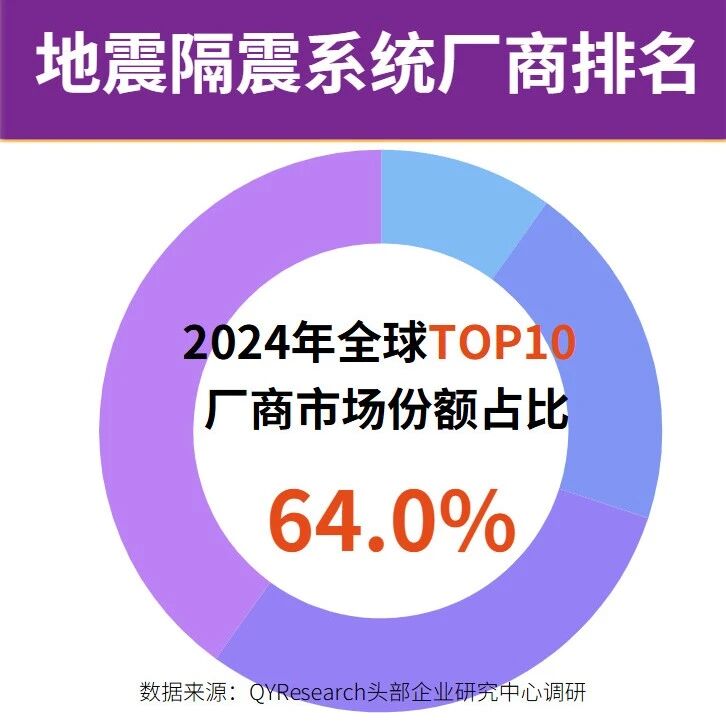
地震隔震系统是指在建筑物或结构基础与上部结构之间设置具有一定柔性和耗能能力的装置(如橡胶支座、铅芯橡胶支座、摩擦摆支座等),通过改变结构 的动力特性,将地震作用在上部结构上的能量传递减弱,从而有效降低地震反应,减少结构与设备的损伤。 地震隔震系统 全球市场总体规模 根据 QYResearch 最新调研报告显示,预计 2 03 1 年全球 地震隔震系统 市场规模将达到 5.20 亿美元,未来几年年复合增长率 CAGR 为 4.56% 。 全球 地震隔震系统 市场前十强生产商排名及市场占有率(基于 2024 年调研数据;目前最新数据以本公司最新调研数据为准) 根据 QYResearch 头部企业研究中心调研,全球范围内地震隔震系统生产商主要包括 OILES CORPORATION, Kawakin Holdings, Yunnan Quakesafe Seismic, Nippon Steel Engineering, Maurer SE, Kurashiki Kako, SWCC SHOWA, Times New Materials, Earthquake Protection Systems and Brid ...

X @Bloomberg
Bloomberg· 2025-08-13 05:15
Socfin, a supplier of rubber to Michelin, Continental and Bridgestone among others from its plantations in Africa and Asia, has announced majo changes to its policies against sexual violence and harassment https://t.co/kekEcXbby1 ...
X @Bloomberg
Bloomberg· 2025-08-08 10:50
Bridgestone plans to offset losses in Brazil by revitalizing its century-old Firestone brand and boosting North American production https://t.co/0zZAMpYQTX ...
Cabot (CBT) - 2025 Q3 - Earnings Call Presentation
2025-08-05 12:00
Financial Performance - Diluted EPS was $1.86, while adjusted EPS was $1.90, a decrease of 1% year-over-year[5] - Performance Chemicals segment EBIT reached $57 million, showing a 4% increase year-over-year[5] - Reinforcement Materials segment EBIT amounted to $128 million, a decrease of 6% year-over-year[5] - The company returned $64 million to shareholders through dividends and share repurchases[5] - Cash flow from operations was $249 million, with free cash flow of $188 million[22] - The company expects capital expenditures for fiscal year 2025 to be in the range of $250 million to $275 million[22] Strategic Initiatives - An agreement was announced to acquire Bridgestone's reinforcing carbons plant in Mexico for $70 million[7, 11] - Cabot was awarded a platinum rating from EcoVadis for exceptional sustainability performance for the fifth consecutive year, ranking in the top 1% of companies assessed by EcoVadis globally[8, 14] - Notable growth was achieved in Battery Materials, with a 20% contribution margin improvement driven by differentiated products[7, 15] Outlook - The company reaffirms its adjusted EPS guidance range of $7.15 to $7.50 for fiscal year 2025[38, 41, 46]

全球轮胎行业入门_关于竞争、资本配置及行业投资方式的基础解读-Global Tyres Primer_ 101 on Competition, Capital allocation & How to invest in the sector
2025-08-05 03:20
Summary of Key Points from the Conference Call Industry Overview - The conference call focuses on the **global tyre industry**, particularly the competitive landscape and investment opportunities within the sector [1][2][3][4]. Core Insights - **Positive Outlook for Tier 1 Tyremakers**: The analysis is bullish on Tier 1 tyre manufacturers, highlighting their high margins and discounted valuations, predicting prosperity over the next decade [2][3]. - **Michelin as Top Pick**: Michelin is identified as the top investment pick with an expected upside of **28%** [2][4]. - **High EBIT Margins**: The tyre industry generates high EBIT margins (~**15%**) that are expected to expand over time, with a majority of revenue coming from the aftermarket rather than OEMs [3][4]. - **Premiumisation**: The trend of premiumisation is crucial for growth, with significant returns on innovation and R&D investments noted. The increasing penetration of EVs, SUVs, and luxury cars is expected to drive positive mix shifts [3][4]. Competitive Landscape - **Market Stability**: Despite the rise of low-cost Chinese competitors, Tier 1 companies maintain approximately **50%** of the market share in value terms, indicating stability in their market position [14]. - **Product Innovation**: Tier 1 companies have successfully limited price competition through product innovation, focusing on quality segments where consumers are willing to pay a premium [5][14]. - **Regional Dynamics**: Michelin is noted to have a larger presence in North America compared to Europe, while Bridgestone has a stronger focus on the APAC region [33]. Financial Metrics - **Revenue and Growth**: The global tyre industry is valued at approximately **$200 billion**, with year-to-year revenue fluctuations largely driven by raw material prices [11]. - **Cash Generation**: Tyre companies convert **40-60%** of annual EBITDA into free cash flow, positioning the sector favorably compared to other industrial sectors [80]. - **Valuation Multiples**: Michelin and Bridgestone are valued at higher multiples due to their strong margins and growth potential, while Pirelli and Continental are rated as Market-Perform due to governance and valuation concerns [8][10]. Investment Implications - **Stock Ratings**: Michelin and Bridgestone are rated as Outperform, while Continental and Pirelli are rated as Market-Perform [8][10]. - **Capital Allocation**: Michelin has balanced its cash use between M&A, deleveraging, and increasing capital returns through dividends and buybacks, indicating a strong capital allocation strategy [88]. Risks and Challenges - **Competitive Threats**: Potential risks include increased competition from low-cost Chinese manufacturers and the impact of economic downturns on premium tyre markets [114][116]. - **Market Dynamics**: The cyclical nature of the Truck & Bus market poses challenges, with lower margins compared to other segments [75][79]. Conclusion - The global tyre industry presents significant investment opportunities, particularly in Tier 1 manufacturers like Michelin and Bridgestone, driven by premiumisation and innovation. However, investors should remain cautious of competitive threats and market volatility.
亚洲:三个可行思路-Asia_ Three Actionable Ideas
2025-07-30 02:33
Summary of Key Points from the Conference Call Companies and Industries Involved - **CK Hutchison Holdings (0001.HK)**: Investment outlook is Overweight (OW) due to historical outperformance during deal announcements and compelling valuation with asset monetization potential [1] - **Bridgestone (5108.T)**: Industry view upgraded to Attractive, with expected upside from a differentiated strategy, cost restructuring, and stronger shareholder returns [2] - **Foxconn Industrial Internet (601138.SS)**: Expected to benefit from China's AI development and NVIDIA's GPU shipments, with AI demand driving its offerings [3] Core Insights and Arguments - **CK Hutchison Holdings**: The company has a zero stub value and significant asset monetization potential, leading to a resumption of an Overweight rating [1] - **Bridgestone**: The company is resilient to US tariffs and is expected to enhance shareholder returns through strategic adaptations to changing demand structures [2] - **Foxconn Industrial Internet**: Anticipated growth in AI demand through 2026 will positively impact its AI server and network device offerings, especially with NVIDIA's resumed shipments [3] Additional Important Information - **Performance Metrics**: As of July 22, 2025, the cumulative outperformance of ideas was 7,277 basis points, with an average holding period total return of 3.2% [4] - **Market Insights**: The report indicates that Hong Kong and China had the most ideas, while India generated the best holding period relative return at 2.3% [27] - **Investment Strategy**: The "Three Actionable Ideas" framework aims to identify high-conviction research ideas for capturing alpha, with a focus on immediate catalysts and differentiated calls [28][30] Performance Data - **Holding Period Returns**: The average 12-month total return for all ideas from July 22, 2024, to July 22, 2025, was 0.4% [4] - **Hit Ratio**: The hit ratio for positive returns was 54%, indicating a relatively strong performance of the selected ideas [4] This summary encapsulates the key points from the conference call, focusing on the companies involved, their strategic insights, and relevant performance metrics.

Auto Parts_Tire Sectors_ Earnings outlook (Apr-Jun)_ Auto parts mixed, but earnings progress slightly slow; penetration of tire makers‘ US price hikes needs watching
2025-07-07 00:51
Summary of Earnings Outlook for Auto Parts and Tire Sectors Industry Overview - The report focuses on the **Auto Parts** and **Tire** sectors, particularly in relation to Japanese OEMs and their operations in China and overseas markets [1][5]. Key Points on Auto Parts Sector - **Earnings Outlook**: Earnings for auto parts companies are expected to be mixed for April to June, with some companies benefiting from Toyota Motor's solid production while others face risks from weak sales to Japanese OEMs in China and low production volumes in Europe and the US [1][5]. - **Tariff Impact**: Many auto parts companies have not included the impact of tariffs in their earnings guidance, raising the risk of downward revisions to their full-year plans depending on how tariffs affect their operations [1][5]. - **Company Performance**: - Denso and Koito Manufacturing have not factored tariffs into their full-year guidance, necessitating close monitoring of their performance [5]. - Aisin and Nifco are preferred in relative terms, with expected operating profits of ¥40.2 billion and ¥13.0 billion respectively for the first quarter [5]. Key Points on Tire Sector - **Price Hikes**: Tire companies, particularly those with high import ratios to the US like Sumitomo Rubber Industries and Hankook Tire, have announced price hikes due to tariffs. However, companies with significant local production in the US, such as Bridgestone and Goodyear, have been hesitant to follow suit [5]. - **Earnings Risks**: If the penetration of US price hikes remains insufficient, there is a heightened risk of earnings misses, especially for Sumitomo Rubber Industries due to its high import ratio [5]. Financial Data and Forecasts - **Company Ratings and Price Targets**: - Toyota Industries (¥4,912.8 billion) - Price Target: ¥16,300 - Denso (¥5,495.2 billion) - Price Target: ¥2,300 - Aisin (¥1,382.7 billion) - Price Target: ¥2,200 - Bridgestone (¥3,667.1 billion) - Price Target: ¥6,400 [3]. - **Quarterly Earnings Forecasts**: - Toyota Boshoku: Revenue expected to be ¥1,025.8 billion in Q1 [7]. - Denso: Revenue expected to be ¥1,753.8 billion in Q1 [7]. - Aisin: Revenue expected to be ¥1,184.1 billion in Q1 [7]. Additional Insights - **Market Dynamics**: The report highlights the importance of monitoring the impact of tariffs and price adjustments on earnings, as well as the varying performance across different companies within the auto parts and tire sectors [1][5]. - **Analyst Recommendations**: The report suggests a cautious approach to investments in the auto parts sector due to the mixed earnings outlook and potential tariff impacts, while also identifying specific companies that may perform better than others [5].
东京为什么成了“高尔夫之都”?
Hu Xiu· 2025-06-12 04:28
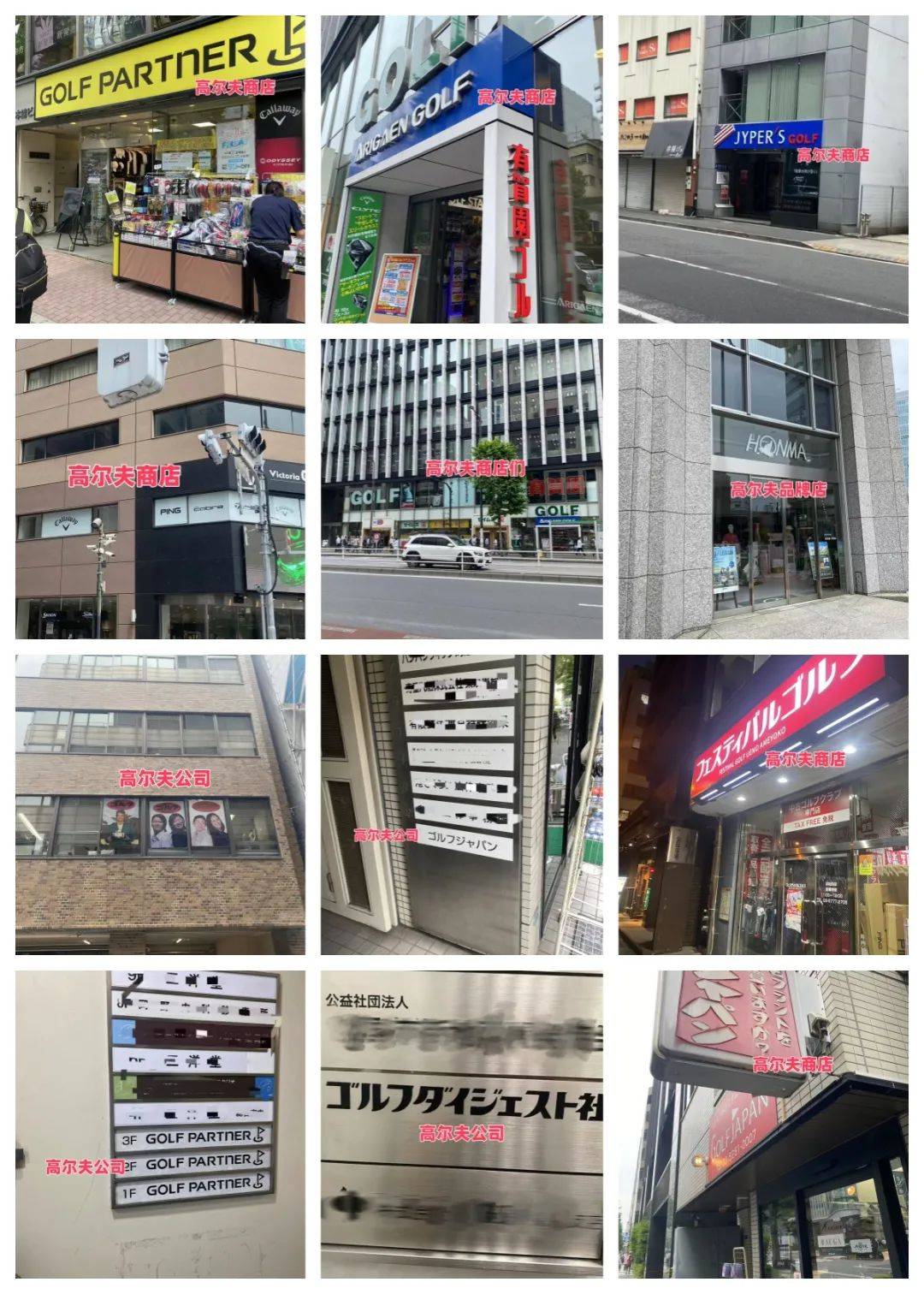
Core Insights - Japan is the second-largest country for golf in terms of both participants and golf courses, following the United States [1][22] - The density of golf companies in Tokyo's Shimbashi area is exceptionally high, indicating a strong market presence [2][18] - The popularity of golf in Japan has historical roots, linked to the post-war American influence and the economic bubble era [21][28] Industry Overview - Japan has approximately 8.5 million golf participants, a significant decline from 14 million in 2000, with a majority being in their 50s [19][28] - The peak of golf popularity in Japan was during the bubble economy, with over 2,000 golf courses established by the late 1980s [21][22] - As of 2023-2024, Japan operates between 2,121 and 2,187 golf courses, with a total of about 3,169 courses nationwide [22][28] Market Dynamics - The golf industry in Japan has seen a resurgence after a decline, with reforms and affordable options attracting new players, including the younger generation [29][36] - The average cost of playing golf in Japan is significantly lower than in China, making it more accessible to the middle class [35][38] - The presence of major companies from various sectors, including e-commerce and tourism, indicates a growing integration of golf into broader lifestyle and business activities [31][32] Business Environment - There are over 1,000 golf-related companies in Japan, significantly more than those in other sports like baseball and basketball [53] - Golf's appeal lies in its moderate to high consumer spending potential, with opportunities for customization and premium experiences [54][57] - The industry supports small businesses due to stable cash flow from regular customers and the emphasis on personal relationships in Japanese culture [58][63] Social and Cultural Impact - Golf serves as a social platform for business networking in Japan, often used for client meetings and corporate bonding [40][41] - The aging population and the financial stability of retirees contribute to golf's popularity among older demographics [41][66] - The culture of familiarity and trust in Japan enhances the sustainability of small golf enterprises, fostering a community-oriented business model [64][66]
2025-2030全球及中国全季节轮胎行业市场分析及投资建议报告
Sou Hu Cai Jing· 2025-06-05 04:11
Industry Overview - The all-season tire industry is characterized by a diverse range of products and a variety of manufacturers involved in production [2] - The downstream application distribution of all-season tires is significant, indicating a broad market reach across different sectors [2] - Major global manufacturers in the all-season tire industry are highlighted, showcasing their production capabilities and market presence [2] Supply and Demand Analysis - Global all-season tire production capacity, output, and utilization rates are analyzed, revealing trends and future projections [3] - The production and sales overview of all-season tires indicates a healthy market with varying production rates across different types [3] - Forecasts for production and value of various types of all-season tires are provided, indicating growth potential [3] Competitive Landscape - Key global players in the all-season tire market are identified, with data on their production volumes and market shares from 2018 to 2023 [3] - The competitive dynamics in the Chinese all-season tire market are also examined, with insights into major companies and their market performance [3] - The concentration levels within the all-season tire industry are analyzed, providing insights into market competitiveness [3] Regional Development Trends - The global market size and regional distribution of all-season tires are discussed, highlighting the significance of different geographical markets [4] - Specific growth rates and production values for the Chinese, American, European, Japanese, Southeast Asian, and Indian markets are forecasted [4] Consumption and Demand Forecast - Global consumption volumes of all-season tires are analyzed, with a breakdown of regional consumption patterns [5] - Demand forecasts for all-season tires in key markets, including China, the US, Europe, Japan, and Southeast Asia, are provided [5] Value Chain Analysis - The value chain of the all-season tire industry is examined, detailing upstream raw material supply and downstream demand sectors [4] - Current and future sales channels for all-season tires in domestic and international markets are analyzed, providing strategic insights [4] Import and Export Trends - Trends in China's all-season tire import and export volumes are discussed, along with growth rates and major trading partners [4] Impact of External Factors - The overall development status of the all-season tire industry in various countries is assessed, considering the impact of the COVID-19 pandemic and international trade policies [5]
