
Danske Bank

Search documents
BBVA signs up to banking-led venture planning euro-pegged stablecoin
Yahoo Finance· 2026-02-04 12:45
Core Viewpoint - BBVA has joined a consortium of 11 European banks to create Qivalis, a joint venture aimed at issuing a euro-linked stablecoin to facilitate faster and lower-cost payments and digital asset settlements within a regulated framework [1][2]. Group 1: Joint Venture and Regulatory Framework - Qivalis is established as an Amsterdam-based company and will operate under the EU's Markets in Crypto-Assets framework (MiCA), ensuring compliance with solvency, governance, and customer protection requirements [2]. - The venture is currently awaiting authorization from the Dutch central bank to function as an electronic money institution [4]. Group 2: Collaboration and Innovation - BBVA emphasizes the importance of collaboration among banks to create common standards that foster financial innovation and enhance the future banking model [3]. - The addition of BBVA to the consortium is seen as a significant advancement, bringing the total number of participating banks to twelve, all committed to developing a secure euro stablecoin framework [3]. Group 3: Use Cases and Benefits - A potential use case highlighted by the consortium involves enabling self-employed professionals to make quicker and cheaper payments to overseas suppliers through a euro-linked method integrated into their existing banking services [5]. - The shared stablecoin aims to provide new payment options and facilitate the settlement of tokenized financial assets on blockchain technology [4]. Group 4: BBVA's Commitment to Digital Assets - BBVA's involvement in Qivalis is part of its ongoing efforts to explore digital assets, building on previous initiatives such as a collaboration with SWIFT on a blockchain-based shared registry and participation in the Agorá initiative for improving cross-border payments [6].

People: You’re fired! US agency rejig, new CROs at ING, StanChart, and more
Risk.net· 2026-01-29 04:30
Group 1: Changes in Regulatory Leadership - Michael Selig was sworn in as chairman of the Commodity Futures Trading Commission on December 22, replacing Caroline Pham after her three-year tenure [2] - Caroline Crenshaw, the SEC's sole remaining Democrat, and other key officials, including Cicely LaMothe and Nekia Hackworth Jones, departed from the SEC in December [5][6] - Joshua White returns as chief economist and director of the division of economic risk analysis at the SEC, replacing Robert Fisher [9] Group 2: Staff Reductions and Restructuring - The SEC announced a 15% headcount reduction under the Trump administration, alongside a shake-up of its enforcement and examinations division, with the CFTC experiencing similar staff reductions [11] Group 3: New Appointments in Financial Institutions - Jamie Gavin left Societe Generale to become an external consultant for the London Stock Exchange Group's SwapAgent platform [13] - Julieta Susara was hired as chief risk officer for the UK at ING, focusing on risk management and regulatory compliance [15] - Jason Forrester has been promoted to group chief risk officer at Standard Chartered, succeeding Sadia Ricke [17] Group 4: Executive Changes in Other Firms - Craig Robertson left Barclays for Carbon Point, a trading firm in Connecticut [19] - Kenneth Pregnell joined Citadel Securities in a senior risk management role, leading the risk team [21] - Tobias Paulun was appointed as the new CEO of the European Energy Exchange, taking over from Peter Reitz [28]

Danske Bank share buy-back programme: transactions in week 4
Globenewswire· 2026-01-26 09:00
Core Viewpoint - Danske Bank has been actively executing its share buy-back programme, which was initially announced for a total of DKK 5 billion, with a maximum of 45 million shares to be repurchased by January 30, 2026 [1][2]. Group 1: Share Buy-Back Programme Details - The share buy-back programme is conducted in compliance with the Market Abuse Regulation and the Safe Harbour Rules [2]. - As of the last announcement, Danske Bank has accumulated 18,480,029 shares, with a gross value of DKK 4,776,583,757 and a volume-weighted average price (VWAP) of DKK 258.4727 [3]. - In week 4, a total of 326,000 shares were repurchased at an average price of DKK 316.0121, resulting in a gross value of DKK 103,019,940 [4]. Group 2: Cumulative Buy-Back Progress - The total number of shares repurchased during the entire buy-back programme has reached 18,806,029, with a total gross value of DKK 4,879,603,696 and an average price of DKK 259.4702 [4]. - The shares repurchased correspond to 2.252% of Danske Bank's total share capital [4].

Danske Bank share buy-back programme: transactions in week 3
Globenewswire· 2026-01-19 09:00
Core Viewpoint - Danske Bank is executing a share buy-back program totaling DKK 5 billion, aimed at repurchasing up to 45 million shares, which is set to conclude by January 30, 2026 [1][2]. Group 1: Share Buy-Back Program Details - The share buy-back program was announced on February 7, 2025, and is in compliance with the Market Abuse Regulation and Safe Harbour Rules [2]. - As of the last announcement, Danske Bank has accumulated 18,155,560 shares, with a volume-weighted average price (VWAP) of DKK 257.3681, totaling a gross value of DKK 4,672,661,607 [3]. - In week 3 of the program, a total of 324,469 shares were repurchased at an average price of DKK 320.2838, amounting to a gross value of DKK 103,922,150 [4]. Group 2: Cumulative Transactions - The total number of shares repurchased during the entire buy-back program has reached 18,480,029, with an average price of DKK 258.4727, resulting in a total gross value of DKK 4,776,583,757 [4]. - The shares repurchased represent approximately 2.213% of Danske Bank's total share capital [4].
Dollar Rises as Traders Digest U.S. Data
Barrons· 2026-01-15 09:19
Core Insights - The dollar is experiencing a slight increase as traders analyze recent U.S. retail sales and producer prices data while anticipating further economic indicators [1][2] Group 1: Economic Indicators - Retail sales in November rose by 0.6%, surpassing expectations, indicating strong consumer spending as the year-end approaches [2] - Producer prices increased by 0.2% month-on-month in November, raising the annual rate to 3.0% from 2.8% in October, suggesting that inflation has not yet peaked [2] - Analysts from Danske Bank note that the retail sales data reflects robust consumer spending, while the PPI data indicates potential for faster increases in consumer prices [2]
Danske Bank share buy-back programme: transactions in week 2
Globenewswire· 2026-01-12 09:00
Core Viewpoint - Danske Bank has initiated a share buy-back programme totaling DKK 5 billion, aimed at repurchasing up to 45 million shares from February 10, 2025, to January 30, 2026 [1]. Group 1: Share Buy-Back Programme Details - The share buy-back programme is conducted in compliance with the Market Abuse Regulation and Safe Harbour Rules [2]. - As of the last announcement, Danske Bank has accumulated 17,830,560 shares, with a volume-weighted average price (VWAP) of DKK 256.2825, resulting in a gross value of DKK 4,569,660,826 [3]. - In week 2, a total of 325,000 shares were repurchased at a VWAP of DKK 316.9255, amounting to a gross value of DKK 103,000,781 [4]. Group 2: Cumulative Share Buy-Back Data - The total number of shares repurchased under the programme has reached 18,155,560, with an overall VWAP of DKK 257.3681, leading to a total gross value of DKK 4,672,661,607 [4]. - The shares repurchased represent 2.174% of Danske Bank's total share capital [4].
Dollar Rises Ahead of Key U.S. Employment Data
Barrons· 2026-01-09 08:29
Group 1 - The U.S. dollar has risen to a four-week high against a basket of currencies, driven by lower-than-expected increases in U.S. jobless claims and anticipation of key labor market data [1] - Solid jobs data is expected to reinforce the belief that interest rates will likely remain on hold for the time being [1] Group 2 - Investors are closely monitoring a potential U.S. Supreme Court ruling regarding President Donald Trump's use of emergency powers to impose tariffs [2] - If the court rules against Trump, it is anticipated that the administration will quickly seek to rebuild the tariff wall using alternative authorities [2]
Danske Bank (OTCPK:DNKE.Y) Update / Briefing Transcript
2026-01-08 13:32
Danske Bank Q4 2025 Pre-Close Call Summary Company Overview - **Company**: Danske Bank (OTCPK:DNKE.Y) - **Date of Call**: January 08, 2026 Key Points Macroeconomic Environment - Euro area growth prospects for 2025 are better than expected despite tariff announcements and geopolitical uncertainty [2] - Nordic economies are expected to improve in 2026, driven by rising real incomes and investments [2] - Danish economy shows solid Q4 performance with low unemployment and growing real wages, but low consumer confidence may dampen spending [3] Financial Performance - **Net Interest Income (NII)**: A non-recurring benefit of approximately DKK 0.2 billion is expected to be booked in Q4 due to tax assessments [3] - **Central Bank Policy Rates**: ECB expected to maintain a policy rate of 2% in 2026; Riksbanken and Norway's bank also expected to keep rates unchanged [4] - **Lending Volumes**: Overall credit demand remained stable in Q4, with a day effect estimated at DKK 65-DKK 70 million [4] Currency and Funding - Currency fluctuations noted: Swedish krona appreciated by 2% against Danish krona; Norwegian krona depreciated by 1% [5] - Wholesale funding issuance reached DKK 90 billion, exceeding the full-year plan of DKK 60 billion-DKK 80 billion [5] Fee Income and Trading - Fee income diversified, benefiting from healthy corporate activity; performance fees in Q4 2024 were DKK 0.7 billion [7] - Trading income expected to be lower due to typical year-end customer activity [8] Insurance Activities - A net negative P&L effect of around DKK 200 million expected in Q4 due to model calibration for health and accident claims [9] - Full-year income expectations for normalized net insurance income revised below guidance of DKK 1.4 billion-DKK 1.6 billion [9] Costs and Impairments - Total costs for the year expected to be just shy of DKK 26 billion; loan impairment guidance remains at no more than DKK 600 million [10] Capital and Risk Management - Temporary CT1 reduction of around 40 basis points expected to continue reflecting in Q4 numbers [11] - Market risk remains subject to volatility; growing lending volumes may increase credit risk [12] Regulatory and Political Environment - Discussions around potential fee gaps and overcharging by banks noted, especially in light of upcoming elections in 2026 [17][18] - No immediate decisions on government proposals regarding CRE risk rates in Denmark [15] Upcoming Events - Silent period begins on January 15; annual report to be published on February 5, 2026 [13] Additional Insights - Pre-funding for 2026 wholesale funding is a standard procedure to capitalize on market opportunities [19]
Can Stablecoins Become Ubiquitous in 2026?
PYMNTS.com· 2025-12-30 16:35
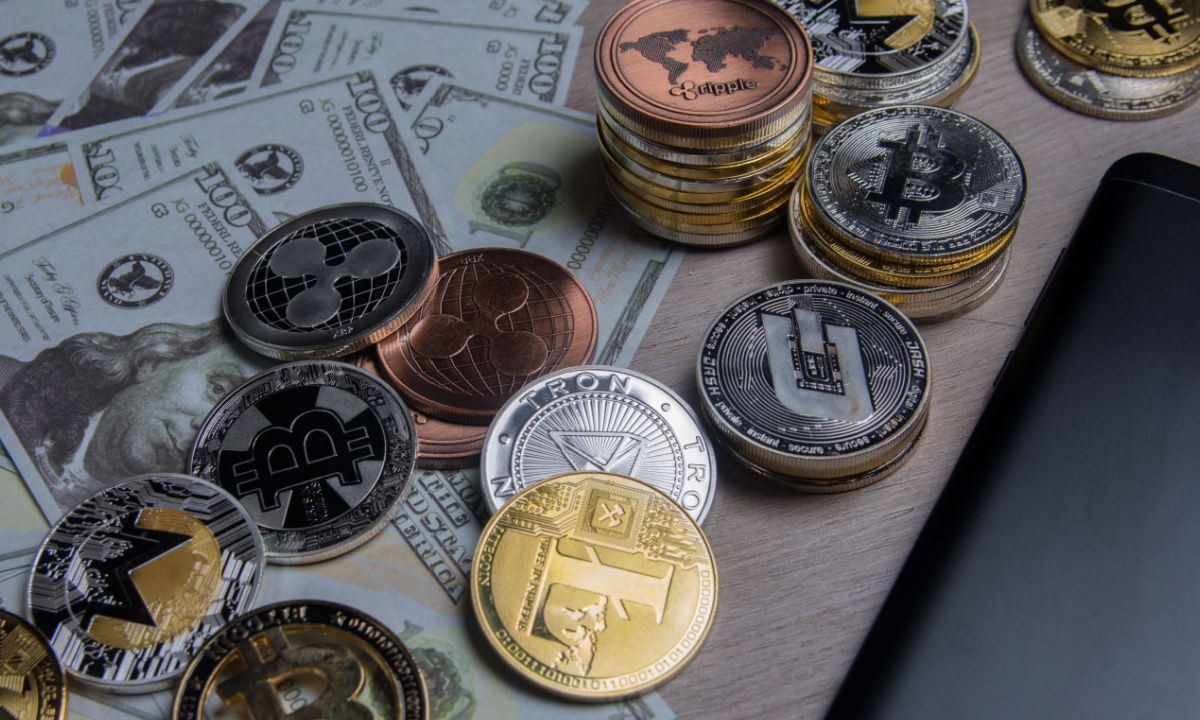
Core Insights - Stablecoins have made significant progress in 2025, transitioning from being primarily held as reserves to being actively used for transactions, with a market capitalization exceeding $300 billion [3][5] - Major banks, card networks, and FinTechs have launched and integrated stablecoin payment and settlement products, driven by clearer regulatory frameworks [1][6] Market Trends - Stablecoin transaction volumes reached $27 trillion annually, although they still represent less than 1% of global daily money transfers [4] - The circulation of stablecoins doubled over the previous 18 months, indicating a shift towards more mainstream use cases [4] Regulatory Developments - The GENIUS Act established a federal framework for payment stablecoins in the U.S., clarifying reserve requirements and issuer oversight [6] - This regulatory clarity has encouraged major financial institutions to engage with stablecoins, leading to various partnerships and initiatives [5][6] Industry Initiatives - Visa and Bridge launched a card-issuing product allowing stablecoin use at any merchant accepting Visa, while Visa also expanded its stablecoin settlement capabilities [7][8] - Mastercard joined Paxos' Global Dollar Network to enable multiple stablecoins across its network [9] Corporate Engagement - Companies like SoFi, Coinbase, and PayPal have introduced stablecoin products aimed at various sectors, including enterprise solutions and AI-native businesses [10] - Major banks, including JPMorgan Chase and Bank of America, are exploring the launch of a jointly operated stablecoin [11][12] Use Cases - Stablecoins have found a mature use case in cross-border B2B payments and corporate treasury operations, allowing businesses to settle invoices and manage payroll more efficiently [15][17] - Dollar-denominated stablecoins are increasingly used in emerging markets as a hedge against currency volatility [17] Challenges - Despite advancements, consumer adoption of stablecoins remains uneven, particularly in developed markets where existing systems are effective [18] - Issues such as interoperability, transparency, and reliance on a small number of issuers pose ongoing challenges for the stablecoin industry [19]

Danske Bank share buy-back programme: transactions in week 52
Globenewswire· 2025-12-29 09:00
Core Viewpoint - Danske Bank has initiated a share buy-back programme totaling DKK 5 billion, aiming to repurchase up to 45 million shares from February 10, 2025, to January 30, 2026 [1]. Group 1: Share Buy-Back Programme Details - The share buy-back programme is conducted in compliance with the Market Abuse Regulation and the Safe Harbour Rules [2]. - As of the last announcement, Danske Bank has repurchased a total of 17,485,845 shares at a volume-weighted average price (VWAP) of DKK 255.0993, amounting to a gross value of DKK 4,460,626,949 [3]. - In week 52, a total of 140,000 shares were repurchased at a VWAP of DKK 314.3322, with a gross value of DKK 44,006,501 [4]. Group 2: Accumulated Transactions - The total number of shares repurchased during the entire buy-back programme has reached 17,625,845, with an average price of DKK 255.5698, resulting in a total gross value of DKK 4,504,633,450 [4]. - The shares repurchased represent approximately 2.111% of Danske Bank's total share capital [4].