中国大熊猫保护研究中心

Search documents
官方回应“全网最黑”大熊猫
Xin Lang Cai Jing· 2026-02-27 11:12
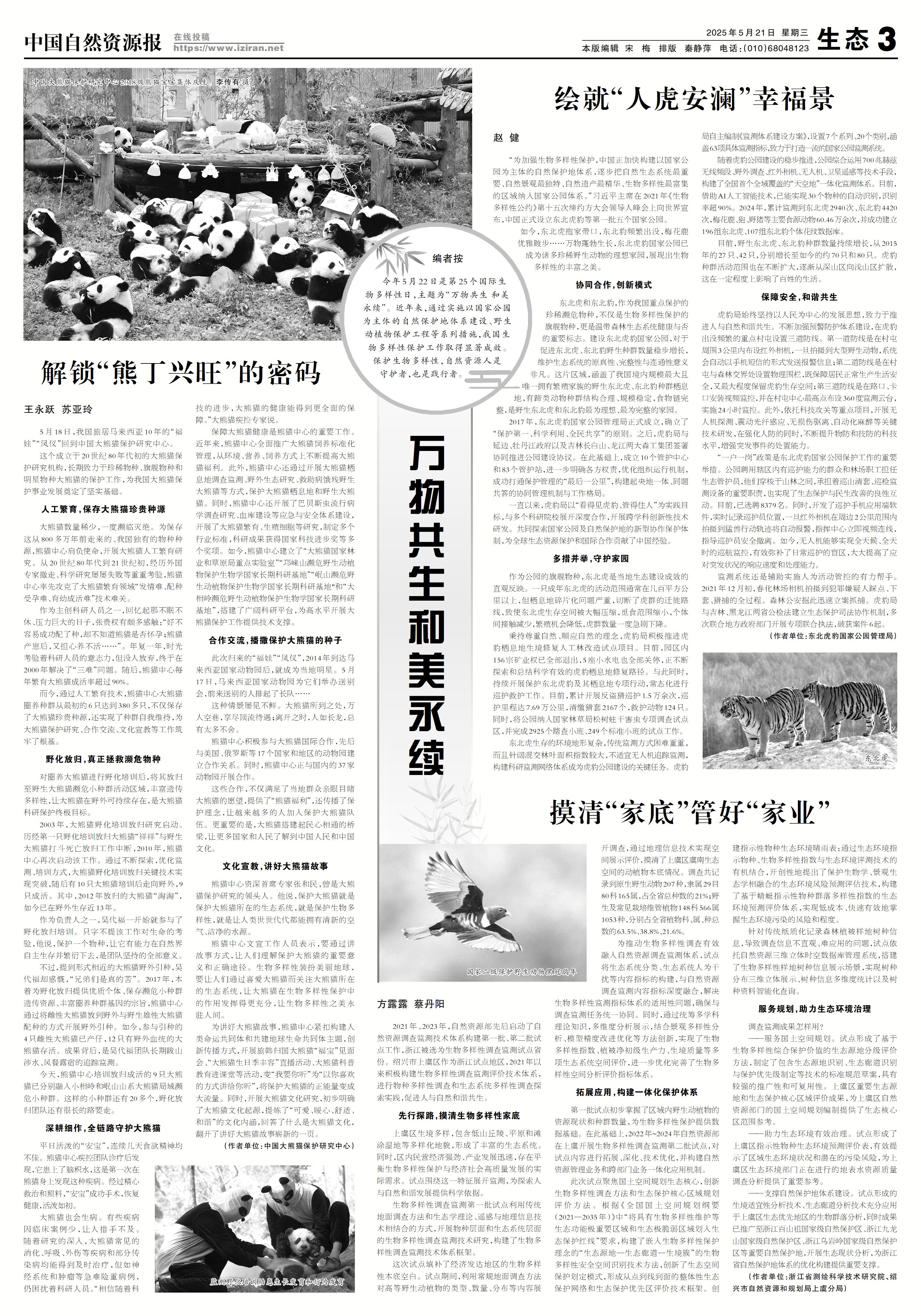
与大家印象中黑白分明的熊猫模样不同,近日,一只浑身黢黑发亮的大熊猫引发网友关注。名为"苏锦崽"的它趴在树枝上,身上的白色皮毛染得"黢黑",小 脸上几乎看不出原本的颜色,被称为"黑煤球""黑熊精""挖煤小熊""全网最黑大熊猫"。 2025年12月,"苏锦崽"啃竹子。 00:04 这是基因变异了吗?2月27日,四川日报从中国大熊猫保护研究中心获悉,这并非"苏锦崽"的原本肤色,变黑主要是因为卧龙神树坪基地几场降雪后,雪水 打湿了外场地面,爱打滚的它在湿地上反复翻滚,身上沾了大量泥土…… 2025年12月15日,中国大熊猫保护研究中心发布的视频显示,"苏锦崽"当时还是黑白色,正用自己的小米牙,手脚并用地和竹子"搏斗"了许久…… 来源 | 长安街知事综合 报道称,"苏锦崽"是一只雄性大熊猫,出生于2025年6月28日,妈妈是大熊猫苏锦。由于苏锦初次生产耗时约38小时,饲养员还特意给它取了个小名"一天 半"。 2025年7月,出生不久的"苏锦崽"与妈妈在一起。 为什么不给"苏锦崽"洗澡?中国大熊猫保护研究中心表示,大熊猫的皮肤表层有一层天然油脂,既能御寒防潮,又是一道热屏障。如果人为水洗,会破坏这 层油脂,容易引发感冒、 ...

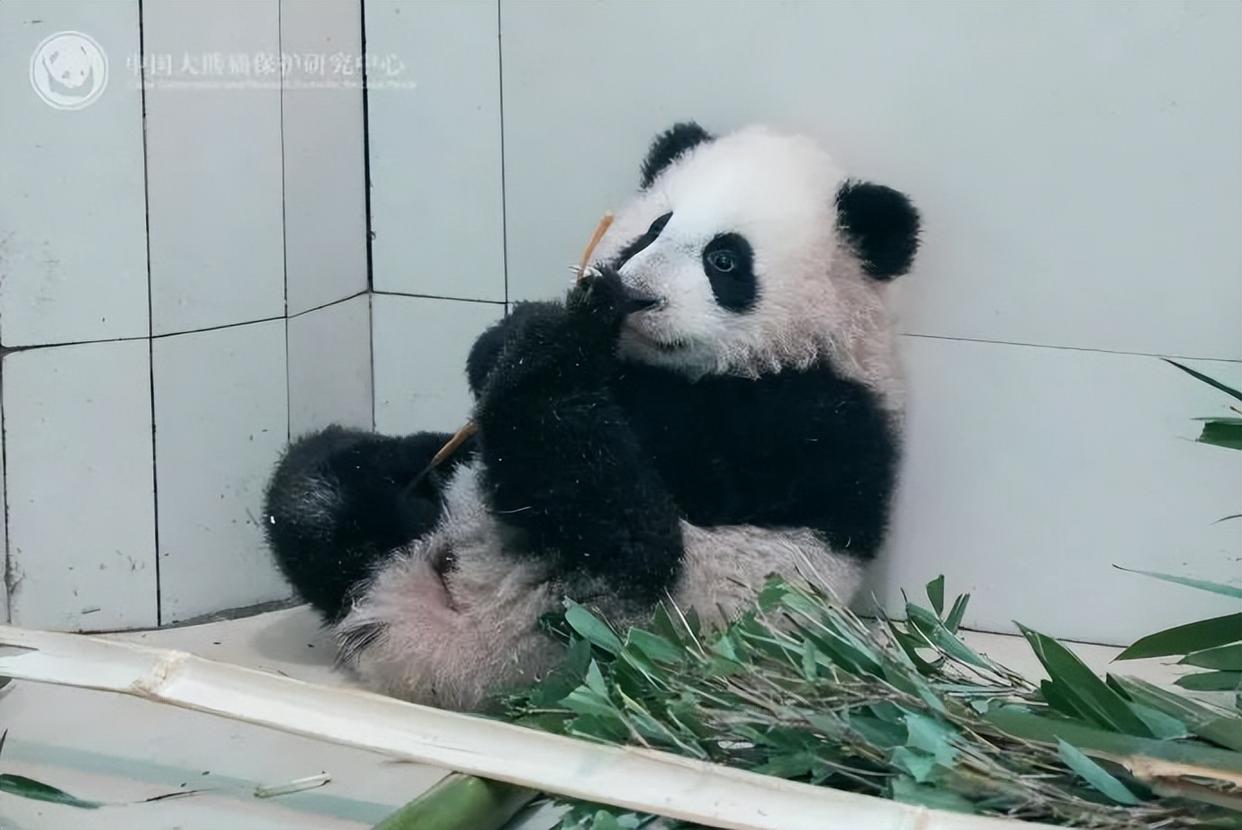
大熊猫“晓晓”“蕾蕾”入住中国大熊猫保护研究中心雅安基地
Yang Shi Xin Wen Ke Hu Duan· 2026-01-28 01:23
记者从中国大熊猫保护研究中心获悉,北京时间1月28日1时,我国旅居日本东京都恩赐上野动物园的大熊猫"晓晓""蕾蕾"平安飞抵成都天府国际机场,随后 于6时,顺利入住中国大熊猫保护研究中心雅安基地,接受隔离检疫。 ▽旅日大熊猫"晓晓""蕾蕾"抵达成都 710 t (art Cc. 1525 rile a ....... 65 45 Ranter 17 11 3 uk He Sam and Case START t e The Market Read page 19 150 - 1 2 3 r Re and ng t - 10 10 the state the state and and the SCHARGE provide 0 378 The Station 3 48 3 2 3 3 3 11 2017 11:20 the state 8 3 and and e start eng FITE OF compare 2007 t 2017 n the first of the station of the state and and the replace and a and and Karaman 0 201 ...

20只大熊猫已入住!中国大熊猫保护研究中心绵阳基地试运营
Yang Shi Xin Wen Ke Hu Duan· 2025-12-29 08:14
Core Insights - The China Giant Panda Protection and Research Center's Mianyang base has commenced trial operations for the public, located in the Mianyang Science and Technology City New District, covering an area of approximately 120 hectares with a maximum daily capacity of 22,000 visitors [1] Group 1 - The facility includes 54 panda enclosures, comprising 39 near-natural enclosures, 5 free-range enclosures, 6 breeding enclosures, and 4 disease control and rescue enclosures, creating a comprehensive service system covering the entire lifecycle of giant pandas [1] - The base has also developed enclosures for four accompanying species: red pandas, golden monkeys, sika deer, and takins, enhancing the biodiversity within the park [3] Group 2 - Currently, the base houses 20 giant pandas, representing various age stages from sub-adult to elderly, all of which have successfully adapted after over a month of care and management, showing good health [5]
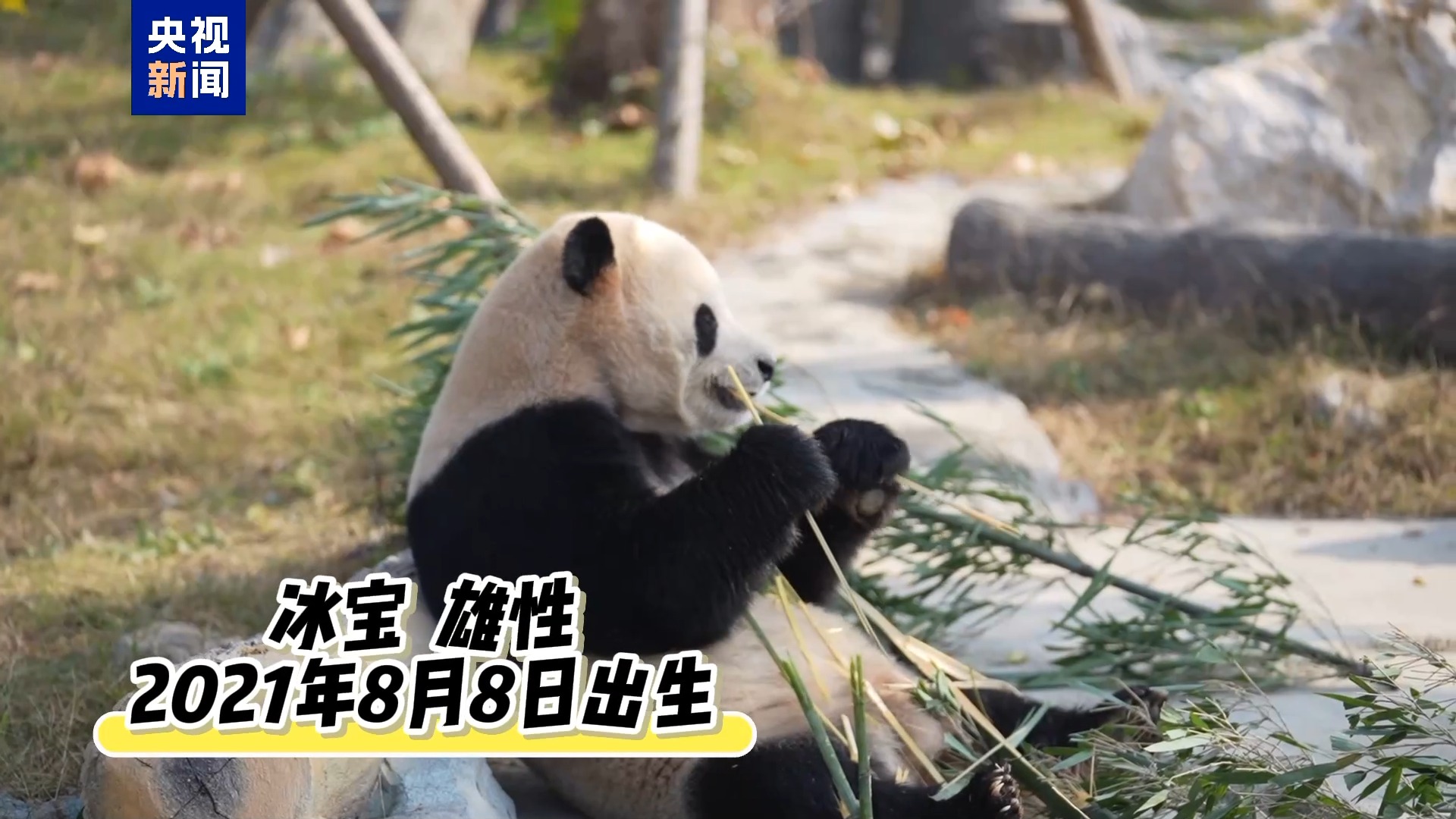
多地开展科学保护,我国大熊猫种群数量稳定发展
Ren Min Ri Bao· 2025-11-24 00:57
Core Viewpoint - The article emphasizes the successful conservation efforts for the giant panda in China, highlighting the stable growth of the panda population through scientific protection measures and international collaboration [1]. Group 1: Conservation Efforts - Various regions in China are implementing scientific measures to protect giant pandas, ensuring their sustainable development [1]. - The Qinling Panda Research Center has achieved a breeding success rate increase from 20% to 67% through advancements in reproductive hormone monitoring and artificial insemination techniques [3]. - The establishment of a comprehensive management system for panda care includes regular health check-ups and strict epidemic prevention protocols [3]. Group 2: Habitat and Behavioral Enrichment - Beijing Zoo has a long history of giant panda care, with approximately 4.8 million visitors in the previous year, showcasing the popularity of the panda exhibit [4]. - Each panda at Beijing Zoo receives a diet of 50 to 70 kilograms of fresh bamboo daily, along with other food items to meet their nutritional needs [4]. - The zoo has developed enrichment projects to simulate the pandas' natural behaviors, enhancing their physical and psychological well-being [4]. Group 3: International Collaboration and Population Monitoring - The China Giant Panda Protection Research Center has five bases focusing on breeding, rewilding, and international exchanges, ensuring comprehensive protection for giant pandas [6]. - The Sichuan area of the Giant Panda National Park is home to 1,227 wild pandas, accounting for 91.6% of the population within the park, with habitat restoration efforts covering 33,140 acres [6]. - Monitoring indicates an increase in the wild panda population, with 185 sightings recorded in 2024, reflecting a stable recovery of the species [6].
我国再添一座大熊猫基地
Ren Min Ri Bao Hai Wai Ban· 2025-11-10 02:02
Core Points - The relocation of 13 giant pandas to the newly opened Mianyang base marks the trial operation of the panda center after three years of construction [1] - The Mianyang base is located in the ecological park of Mianyang Science and Technology City, covering an area of approximately 120 hectares [1] - The pandas include lively young ones, adults, and elderly pandas, indicating a diverse population [1] Group 1 - A well-planned transportation and epidemic prevention scheme was implemented to ensure the safe relocation of the pandas [3] - The Mianyang base is equipped with over 50 panda enclosures that meet the breeding requirements, and preparations were made in terms of facilities, environment, food supply, and staffing [3] - The pandas showed slight nervousness upon entering the new environment but are generally adapting well, with experienced staff monitoring their health and behavior [4] Group 2 - The panda center is responsible for various tasks including ecological research, artificial breeding, wild release, international cooperation, and technological support for the national panda park [4] - By the end of 2024, the panda population at the center is expected to reach 387, with a shift in focus from quantity to quality in breeding efforts [4] - The Mianyang base is expected to open to the public next year after the pandas have adjusted to their new environment [4]
国际生物多样性日|解锁“熊丁兴旺”的密码
Zhong Guo Zi Ran Zi Yuan Bao· 2025-05-21 07:04
Core Viewpoint - The article highlights the significant efforts and achievements of the China Giant Panda Protection and Research Center in the conservation, breeding, and cultural promotion of giant pandas, emphasizing the importance of biodiversity and international cooperation in these endeavors [3][12][49]. Group 1: Conservation Efforts - The China Giant Panda Protection and Research Center has been dedicated to the protection of giant pandas since its establishment in the early 1980s, laying a solid foundation for panda conservation in China [3][12]. - The center has successfully increased the captive giant panda population from 6 to over 380 individuals through artificial breeding techniques, achieving a survival rate of over 90% for panda cubs [19][23]. - The center has initiated wild training and release programs for captive pandas, with 10 pandas trained and 9 successfully integrated into the wild, enhancing genetic diversity and sustainability of wild populations [26][34]. Group 2: Health and Welfare - The center has implemented standardized management practices to improve the health and welfare of giant pandas, including habitat monitoring and disease prevention measures [40]. - Recent advancements in veterinary care have allowed for timely treatment of various health issues, ensuring comprehensive health management for the pandas [37][40]. Group 3: International Cooperation - The center actively engages in international collaborations, establishing partnerships with zoos in 17 countries, including the USA and Russia, to promote panda welfare and conservation awareness [47]. - These collaborations not only fulfill the public's desire to see giant pandas but also foster cultural exchange and understanding between nations [47]. Group 4: Cultural Education - The center emphasizes the importance of storytelling in educating the public about giant panda conservation and its broader implications for biodiversity and ecosystem health [50]. - Various outreach activities, including educational programs and cultural research, aim to enhance public engagement and appreciation for giant pandas and their habitats [53].