
3G Capital

Search documents
Kraft Heinz cut expenses too deeply under private equity management, its new CEO says
Business Insider· 2026-02-24 09:29
Core Viewpoint - Kraft Heinz is undergoing a strategic shift under new CEO Steve Cahillane, who acknowledges that previous cost-cutting measures have negatively impacted the company's performance and plans to invest in rebuilding capabilities and brand relevance [1][2][4]. Group 1: Financial Performance - Kraft Heinz's shares have decreased approximately 74% from their peak in 2017, indicating significant financial struggles [2]. - The company anticipates a decline in organic net sales between 1.5% and 3.5% for the current year [2]. - Berkshire Hathaway is contemplating an exit from its investment in Kraft Heinz after incurring a $3.8 billion write-down on its stock last year [3]. Group 2: Strategic Changes - Under Cahillane's leadership, Kraft Heinz plans to invest $600 million in various areas, including research and development and marketing, to enhance its operational capabilities [4]. - The company is pausing a planned break-up to focus on strengthening its core business [4]. Group 3: Product Innovation - Kraft Heinz is experimenting with new product formats, such as selling Capri-Sun drinks in plastic bottles, which have shown early success in increasing popularity among teenagers [5]. Group 4: Brand Relevance - Cahillane emphasizes the need to make Kraft Heinz's iconic brands relevant for today's consumers, acknowledging that the company has relied too heavily on its established brand names without adapting to current market demands [6].


Is Greg Abel Making His First Move to Redefine Berkshire Hathaway?
247Wallst· 2026-01-21 14:42
Core Viewpoint - The recent SEC filing by Kraft Heinz indicates a potential divestiture of Berkshire Hathaway's entire 27.5% stake, suggesting a possible shift in strategy under new CEO Greg Abel following Warren Buffett's departure [2][10]. Group 1: Berkshire Hathaway's Investment in Kraft Heinz - Berkshire Hathaway's involvement with Kraft Heinz began in 2013 with a $23 billion acquisition of H.J. Heinz, followed by a $46 billion merger with Kraft Foods in 2015, creating a combined entity with well-known brands [3][4]. - The merger aimed to achieve cost synergies and leverage brand loyalty, resulting in Berkshire holding a significant equity position of 27.5% [4]. Group 2: Challenges and Write-downs - By 2019, issues with the merger became apparent, leading Buffett to admit that Berkshire overpaid for Kraft Heinz, with a valuation that required unrealistic returns [5]. - Kraft Heinz announced a $15.4 billion write-down on its brands, causing a 27% stock drop, and Berkshire recorded a $3 billion write-down in the same year, followed by another $3.76 billion write-down in August [5][6]. Group 3: Potential Shift Under Greg Abel - The SEC filing raises questions about whether Abel's leadership signifies a departure from Buffett's long-term holding strategy, as Kraft Heinz shares fell 7.5% post-announcement, valuing Berkshire's stake at approximately $7.7 billion [7][10]. - Kraft Heinz's planned split into two independent entities by 2026 alters the original investment thesis, prompting considerations for a potential sale under Abel [8][9]. Group 4: Strategic Implications - The restructuring of Kraft Heinz into two distinct businesses may create up to $300 million in "dis-synergies," diverging from the original vision of a unified food powerhouse [9]. - A potential divestiture could align with Buffett's principle of adapting to new realities, allowing Berkshire to prioritize capital allocation and seek higher-return opportunities [10][11].
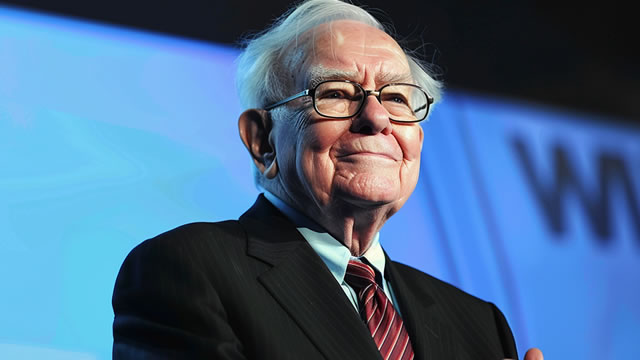
Warren Buffett's successor could be selling off millions of Berkshire Hathaway's Kraft Heinz shares
Fastcompany· 2026-01-21 14:42
Core Viewpoint - Berkshire Hathaway's new CEO, Greg Abel, may be considering selling its 325 million shares in Kraft Heinz, a company co-created by Warren Buffett in 2015, indicating a potential shift in corporate strategy [1][2]. Group 1: Company Background - The merger of Kraft and Heinz was orchestrated by Buffett and Brazilian investment firm 3G Capital, who believed in the strength of their brands [2]. - Over time, Buffett recognized that Kraft Heinz's competitive advantage was weakening as consumers shifted towards store brands and away from processed foods [3]. Group 2: Financial Performance - Berkshire Hathaway took a $3.76 billion writedown on its Kraft Heinz stake last summer, reflecting concerns about the company's performance [3]. - Following the announcement of the potential sale, Kraft Heinz shares fell nearly 4% to $22.85 [4]. Group 3: Leadership and Strategy - Analysts suggest that Abel's leadership style may differ from Buffett's, with a potential focus on divesting underperforming subsidiaries rather than solely making acquisitions [6]. - Abel has been managing Berkshire's non-insurance companies since 2018 and became CEO on January 1, indicating familiarity with the company's operations [6]. Group 4: Market Reactions and Future Considerations - Investor Chris Ballard noted that selling Kraft Heinz could be an easy decision for Abel, but unloading such a large stake on the public market may be challenging [7]. - Buffett previously stated that Berkshire would not accept a block bid for its shares unless the same offer was extended to all Kraft Heinz shareholders, indicating a cautious approach to any potential sale [8].

Berkshire prepares to exit 28% stake in Kraft Heinz as new CEO aims to move on from rare Buffett gaffe
CNBC· 2026-01-21 13:24
Core Insights - Berkshire Hathaway is moving to exit its 27.5% stake in Kraft Heinz, which has been a significant investment for the conglomerate and is its largest holding in the food sector [1][3]. Group 1: Company Actions - The registration of the stake allows Berkshire Hathaway to reduce its ownership in Kraft Heinz, indicating a strategic shift under new CEO Greg Abel [2][5]. - The decision reflects Abel's readiness to address a deal that has been viewed as a misstep in Warren Buffett's investment history [3][4]. Group 2: Financial Performance - Kraft Heinz shares have decreased approximately 70% since the 2015 merger, impacted by changing consumer preferences, rising costs, and slow growth in core brands [3]. - Despite receiving billions in dividends over the years, Berkshire Hathaway recorded a $3.8 billion writedown on its Kraft Heinz investment last year [3]. Group 3: Strategic Developments - Kraft Heinz is planning to split into two separate companies, one focusing on sauces and shelf-stable meals, and the other on North American staples like Oscar Mayer and Kraft cheese [4]. - Buffett has expressed skepticism about the merger's success, stating that separating the companies may not resolve the underlying issues [5]. Group 4: Market Outlook - Analysts from Stifel have maintained a hold rating on Kraft Heinz, setting a price target of $26, citing weak U.S. consumption trends and slower growth in emerging markets as potential challenges for revenue growth [6].

The Biggest Footwear M&A Deals of 2025
Yahoo Finance· 2025-12-29 18:00
Footwear News’ 80th anniversary in 2025 saw a host of deal activity in the shoe space, including the biggest footwear buyout in the industry’s history. While a few financial buyers were looking around for a deal, many were more focused on selling stakes in portfolio companies that hit the end of their holding periods. That meant that with private equity firms’ attention focused elsewhere, strategic buyers had less competition for the shoe firms that came up for sale in 2025. More from WWD These are the ...
华尔街银行家发起“复仇之战”,另类资管巨头黄金时代落幕?
智通财经网· 2025-12-29 02:57
Core Viewpoint - The traditional banking sector is experiencing a resurgence, with major U.S. banks outperforming alternative asset management firms, as regulatory changes and market conditions shift in their favor [1][4]. Group 1: Performance of Major Banks - The average stock price of the six largest U.S. banks has increased by over 45% this year, marking the strongest performance in a generation [1]. - Major banks are expanding their loan portfolios at the fastest rate since the financial crisis, aided by a reduction in regulatory pressures [5][8]. - Morgan Stanley, JPMorgan Chase, and other top banks are significantly increasing their lending activities, narrowing the gap with private credit competitors [9][10]. Group 2: Regulatory Environment - The second Trump administration is rolling back post-financial crisis regulations, which had previously restricted banks, allowing them to compete more effectively against non-bank lenders [4][5]. - Recent regulatory changes have provided banks with more flexibility in issuing leveraged loans and dealing with cryptocurrencies, enhancing their competitive position [5][10]. - The Consumer Financial Protection Bureau (CFPB) has seen significant cuts, further easing regulatory burdens on banks [5]. Group 3: Competition with Alternative Asset Managers - Alternative asset management firms like Blackstone and Apollo have seen substantial growth in their credit assets, with Blackstone's credit and insurance assets exceeding $432 billion, a 67% increase since the end of 2021 [4]. - Despite their growth, banks are regaining their footing in the lending market, with a collective increase in loan amounts that challenges the dominance of private equity firms [9][10]. - The competitive landscape is shifting, as banks are now actively countering the recruitment of their top talent by private equity firms, indicating a reversal in fortunes [11].


Warren Buffett's company took Kraft Heinz off its subsidiary list weeks before board exit and $5 billion writedown
Business Insider· 2025-12-23 10:17
Core Insights - Berkshire Hathaway has removed Kraft Heinz from its list of operating companies, indicating a significant shift in its investment strategy [1][6] - The company recorded a $5 billion impairment loss on its Kraft position, reducing its carrying value to $8.4 billion, reflecting a decline in Kraft's fair value [2][3] - Kraft Heinz is undergoing a strategic split into two main businesses, focusing on sauces and North American staples, which may impact its future performance [10] Investment and Financial Analysis - Berkshire holds a 27% stake in Kraft Heinz, accounting for it using the equity method, which adjusts the carrying value based on Kraft's profits and losses [2] - The decision to write down the investment was influenced by the decline in fair value, Kraft's operating results, and the departure of Berkshire's board representatives [3][6] - The unrealized loss on the investment was deemed "other-than-temporary," suggesting a long-term concern regarding Kraft's financial health [6] Historical Context - Berkshire Hathaway, in partnership with 3G Capital, acquired Heinz for approximately $23 billion in 2013 and later merged it with Kraft in a $40 billion deal [11] - The combined entity has faced numerous challenges, including layoffs, management changes, and a decline in net revenues due to shifting consumer preferences [11] - A finance professor described the merger of Kraft and Heinz as a "rare mistake" for Warren Buffett, highlighting the difficulties faced by the company since the merger [12]

Forget Kraft Heinz: Buy This Unstoppable Consumer Staple Leader Instead
Yahoo Finance· 2025-12-19 22:22
分组1 - Kraft Heinz has been a significant disappointment in the stock market, with a 65% decline over the last decade since its merger in 2015, which was criticized by Warren Buffett as an overpayment [2][3] - The company is planning to split into two entities: North American Grocery Co and Global Taste Elevation Co, but this move has been dismissed by Buffett as ineffective in addressing the underlying business issues [3][7] - Consumer preferences are shifting away from unhealthy, processed foods, which poses a challenge for Kraft Heinz and similar packaged food companies [8] 分组2 - Costco is highlighted as a better investment option in the consumer staples sector, having increased by 440% over the last decade and benefiting from a recession-proof business model primarily based on grocery sales and membership fees [4][9] - Costco reported a 6.4% growth in comparable sales in its most recent quarter, with e-commerce sales growing by 20.5%, indicating successful adaptation to online sales [10] - The stock price of Costco has recently pulled back by 21% from its peak earlier in the year, trading at a price-to-earnings ratio of 45.6, which reflects its strong performance and history of rewarding investors with special dividends [11]

Read This Before Buying Kraft Heinz Stock
Yahoo Finance· 2025-11-24 10:15
Core Insights - The article discusses Warren Buffett's admission of mistakes in his investment decisions, particularly regarding Kraft Heinz, highlighting the importance of acknowledging errors in investment strategies [2][3]. Company Overview - Berkshire Hathaway, in collaboration with 3G Capital, acquired Heinz for $23 billion in 2013 and later merged it with Kraft in a $40 billion deal, which Buffett now considers too costly [3]. - Kraft Heinz has seen a significant decline in its stock value, losing approximately two-thirds of its value over the past decade [3]. Strategic Moves - Kraft Heinz plans to spin off a division called Global Taste Elevation Co., which will focus on faster-growing brands like Kraft Mac & Cheese and Heinz [5]. - Buffett has expressed disappointment in the spinoff plan, particularly regarding the lack of a shareholder vote on the split [6]. Market Sentiment - There is skepticism among investors regarding the planned spinoff, especially given Buffett's critical stance [6][7]. - The company aims to improve revenue growth by separating its faster-growing sauces and spreads from the slower-growth North American Grocery Co. [7]. Consumer Trends - Shifting consumer preferences pose challenges for Kraft Heinz, with a survey indicating that 30% of respondents view processed foods as unhealthy [10]. - Investor enthusiasm for the spinoff remains low, reflecting concerns about the company's ability to adapt to changing consumer tastes [9][10].
Skechers investors say they were forced to take a bad deal when the company went private
Yahoo Finance· 2025-11-22 11:00
Core Viewpoint - Skechers investors are suing company executives and 3G Capital over allegations of an unfair sale price during a recent acquisition, claiming the deal undervalued the company and favored controlling shareholders [1][2]. Group 1: Acquisition Details - 3G Capital acquired Skechers in a $9.4 billion deal that closed in September, with a share price set at $63 per share [1]. - The acquisition price was said to represent a 30% premium over the company's 15-day volume-weighted average stock price prior to the deal [5]. Group 2: Legal Actions - A class action complaint was filed in Delaware Chancery Court by hedge funds and large investors, accusing Skechers and 3G Capital of arranging a non-independent deal that shortchanged minority shareholders [2]. - Plaintiffs are seeking a higher share price and were unable to reach an early settlement with Skechers, which offered a price slightly above the original [3]. Group 3: Market Impact - Skechers' stock price fell 23% in early April following the announcement of new tariffs, but rebounded by 30% after the acquisition deal was announced [5]. - The company faced challenges due to volatile federal tariff policies affecting its production in countries like China and Vietnam [4][6]. Group 4: Executive Involvement - The complaint alleges that CEO Robert Greenberg and President Michael Greenberg collaborated closely with 3G Capital to structure the acquisition in a way that benefited them personally [6][7].