Optum

Search documents
Cardinal Health (NYSE:CAH) 2025 Conference Transcript
2025-11-11 14:47
Cardinal Health (NYSE: CAH) 2025 Conference Summary Company Overview - **Company**: Cardinal Health - **Date**: November 11, 2025 - **Key Speakers**: Aaron Alt (CFO), Matt Sims (Head of IR) Key Points Financial Performance - Cardinal Health reported strong Q1 results with all five operating segments achieving double-digit profit growth, particularly in the pharma business, which saw a profit increase of 26% [2][3][4] - The company raised its adjusted EPS guidance to $9.65-$9.85, reflecting a year-over-year growth of 17%-20% [4][5] Business Segments - **Pharma Business**: Strong demand and execution, particularly in specialty distribution, contributed significantly to profit growth [2][3] - **Other Business**: The aggregation of smaller businesses (Nuclear Precision Health, At Home, OptiFreight Logistics) saw a profit growth of 60%, partly due to the acquisition of ADSG [3][4] - **Global Medical Products and Distribution (GMPD)**: Experienced revenue growth with the Cardinal Health brand business growing at 6% for two consecutive quarters [4][5][56] Customer Onboarding and Growth Strategy - Cardinal Health onboarded $10 billion in new business in the latter half of the previous year and is on track to onboard an additional $7 billion in the first half of the current year [5][12] - The company is focusing on investing in new customers and enhancing its MSO platforms to drive future growth [5][6] Market Dynamics and Demand - Demand across all segments exceeded expectations, with notable growth in generics and specialty products [9][10] - The company noted a consistent market dynamic, indicating no dislocation between buying and selling, which contributed to strong quarterly results [10][11] Specialty Business Focus - Cardinal Health emphasizes its strength in "otherologies" (rheumatology, urology, gastroenterology) rather than oncology, which is a key differentiator in its specialty business strategy [19][20] - The company aims to leverage its distribution capabilities and technology to enhance partnerships with healthcare providers in these specialty areas [25][26] Competitive Landscape - The medical products business is undergoing competitive changes, with Cardinal Health focusing on improving its GMPD segment to maintain market share against competitors like Medline and McKesson [56][59] - The company is actively seeking opportunities arising from industry transitions, such as acquisitions and partnerships, to enhance its competitive position [60] Operational Efficiency - Cardinal Health is investing in automation and optimizing its distribution network to improve operational efficiency and reduce costs [36][37] - The company is committed to maintaining high service levels while managing costs effectively [37][39] Future Outlook - The company anticipates continued growth in its nuclear precision health business, projecting a long-term profit growth of 10% [74][75] - Cardinal Health remains confident in its long-term guidance, citing its essential role in the American healthcare system and the ongoing demand for its services [49][50] COVID-19 Impact - COVID-19 was noted as a slight headwind in Q1, but overall demand growth offset this impact [78][79] - The company expects COVID-related profits to continue declining, with a focus on broader market dynamics moving forward [79][80] Conclusion Cardinal Health's strong financial performance, strategic focus on specialty and otherologies, and commitment to operational efficiency position the company well for future growth in a competitive healthcare landscape. The ongoing investments in customer onboarding and technology enhancements are expected to drive continued success.

预测式AI为什么一败涂地?
3 6 Ke· 2025-11-07 10:48
Group 1 - The core argument of the articles revolves around the challenges and implications of predictive AI systems, particularly in decision-making processes across various sectors, including education, healthcare, and criminal justice [1][2][4][10]. - Predictive AI tools like EAB Navigate are designed to automate decision-making by analyzing historical data to predict future outcomes, but they often lack transparency and can perpetuate biases [2][9][10]. - The use of predictive AI in education, such as identifying at-risk students, raises ethical concerns about the potential for misuse and the impact on marginalized groups [1][8][29]. Group 2 - Predictive AI systems are increasingly used in critical areas like healthcare and criminal justice, where they can significantly affect individuals' lives, yet they often rely on flawed data and assumptions [6][12][31]. - The deployment of predictive AI can lead to unintended consequences, such as reinforcing existing inequalities and biases, particularly against disadvantaged populations [28][30][31]. - The reliance on historical data for training predictive models can result in a lack of accuracy when applied to different populations or contexts, highlighting the need for careful consideration of the data used [24][25][27]. Group 3 - The articles emphasize the importance of understanding the limitations of predictive AI, including the potential for over-automation and the lack of accountability in decision-making processes [20][22][23]. - There is a growing concern about the ethical implications of using predictive AI, particularly regarding privacy, transparency, and the potential for discrimination [21][28][30]. - The narrative suggests that while predictive AI holds promise for improving efficiency, it also poses significant risks that must be addressed through better data practices and ethical guidelines [15][19][35].
Owens & Minor(OMI) - 2025 Q3 - Earnings Call Transcript
2025-10-30 22:00
Financial Data and Key Metrics Changes - Revenue for Q3 2025 was $697 million, up from just under $687 million in Q3 2024, with a year-to-date revenue of nearly $2.1 billion, reflecting a 3.4% increase [14][15][18] - Adjusted EBITDA for Q3 2025 was $92 million, down from $108 million in Q3 2024, impacted by a one-time revenue benefit from the previous year [16][18] - Adjusted net income per share was $0.25 for Q3 2025, compared to $0.36 in Q3 2024, while year-to-date adjusted net income per share increased to $0.80 from $0.64 [18] Business Line Data and Key Metrics Changes - Year-over-year growth was noted in sleep therapy, ostomy, and urology categories, while diabetes showed flat performance compared to Q3 2024 but improved from Q2 2025 [15][16] - The company is focusing on improving therapy adherence and expanding customer capture across its ecosystem [15] Market Data and Key Metrics Changes - The company is positioned to benefit from the growing prevalence of chronic conditions such as diabetes and sleep apnea, with over 37 million diagnosed with diabetes and an estimated 85 million adults affected by obstructive sleep apnea in the U.S. [8][9] Company Strategy and Development Direction - The company announced a definitive agreement to sell its Products and Healthcare Services segment to Platinum Equity, allowing it to focus on its Patient Direct business and home-based care [5][6] - Future investments will prioritize technology and automation to enhance patient experience and operational efficiency [9][11] Management's Comments on Operating Environment and Future Outlook - Management expressed optimism about the home-based care business and the potential for growth following the divestiture, emphasizing a unified strategic focus [11][22] - The company anticipates a strong 2026, despite a significant customer loss, and plans to manage operational costs and improve cash flow [27][30] Other Important Information - The company expects to incur approximately $40 million in annualized stranded costs from the divestiture [18] - As of September 30, net debt was $2.1 billion, with expectations for slight reduction by year-end [19][20] Q&A Session Summary Question: Durability of trends going into 2026 and selling into the Optum channel - Management indicated that the Optum channel is new and expected to create more opportunities, with guidance for 2026 to be provided closer to year-end [26][27] Question: Outlook for 2026 and free cash flow trends - Management expects decent top-line growth and margin improvement in 2026, with free cash flow trends anticipated to remain stable despite some one-off costs [30][32] Question: Details on preferred provider agreements and filling the Kaiser contract loss - Management noted that it would take less revenue growth to cover the loss of the Kaiser contract due to its low margin nature, and emphasized the importance of preferred provider agreements [37][39] Question: Clarification on cash flow and balance sheet issues - Management explained that cash flow challenges were related to startup costs of a new kitting facility and over-acquired inventory, which are expected to normalize over time [40][42]
Optum taps its second CFO in 6 months
Yahoo Finance· 2025-10-24 09:23
Group 1 - UnitedHealth's CFO Roger Connor is leaving to return to the UK, with Ben Eklo appointed as his successor [3][8] - Eklo will oversee Optum, which generates over $250 billion in annual revenue and contributes more than half of UnitedHealth's total operating income [4][8] - The leadership change is part of a broader strategy to enhance performance and restore investor confidence amid recent crises [5][6] Group 2 - UnitedHealth has faced significant challenges this year, including a cyberattack, the death of a key executive, and rising medical costs [5][6] - The company reduced its 2025 outlook and missed earnings targets for the first time in over a decade [6] - Despite some recovery in stock price, UnitedHealth's shares are down more than 28% year to date, raising concerns about governance with the same individual holding both CEO and board chair positions [7]

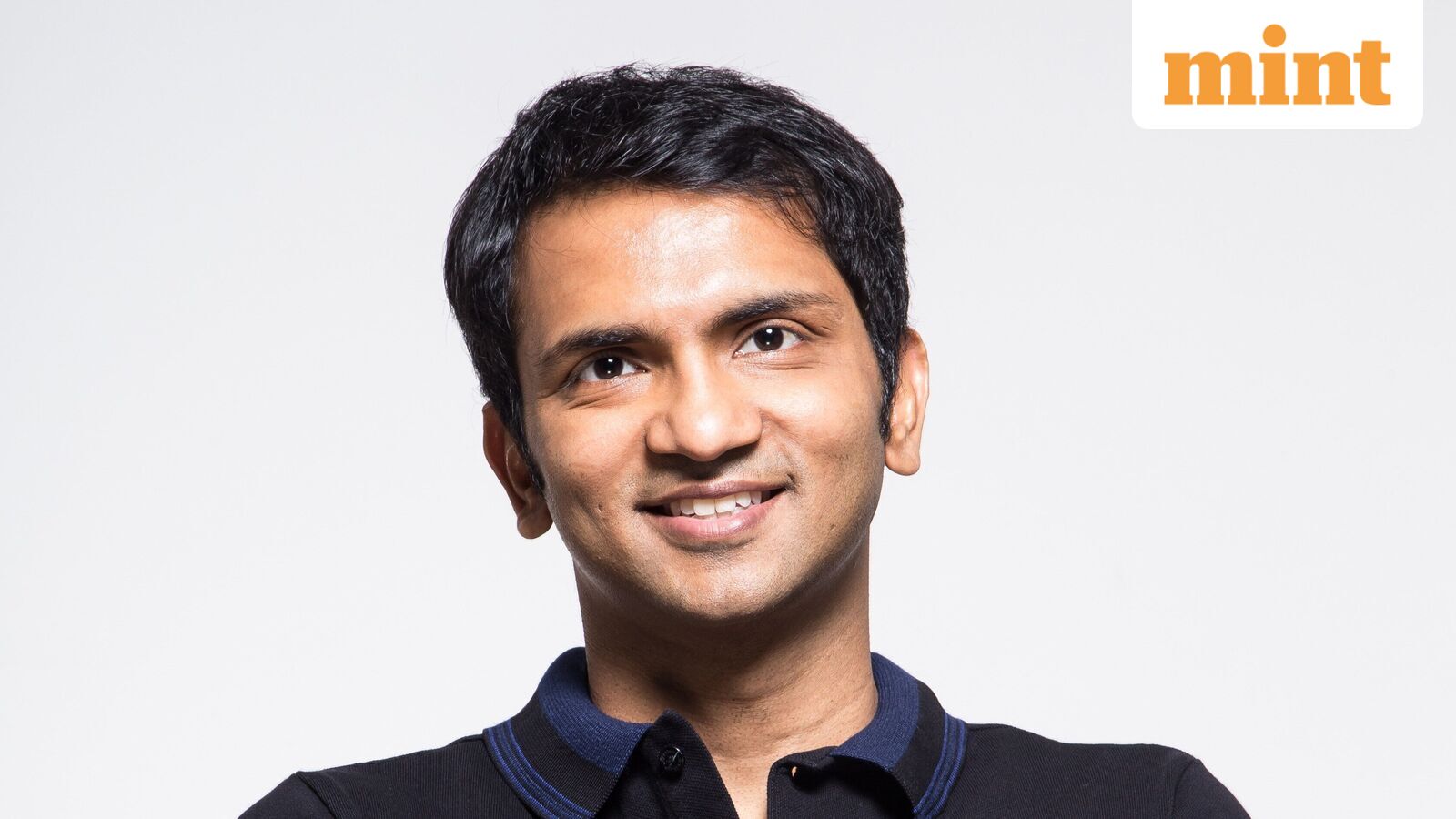
Zeta aims to onboard two large banks by mid 2026, eyes global profitability
MINT· 2025-10-09 07:47
Core Insights - Zeta, a software startup led by Bhavin Turakhia, is expanding its banking partnerships to digitize services after a successful pilot with HDFC Bank in India [1][2] - The company is valued at $2 billion and aims to onboard two large banks by mid-2026, currently engaging with around 39 to 40 top banks in India [2] - Zeta has been profitable in India for three years and expects to achieve global profitability by FY26, targeting $100 million in annual recurring revenue (ARR) [3] Company Strategy - Zeta focuses on end-to-end technological revamps for banks, emphasizing the importance of scale and new customer acquisition [4] - The company has a team of 1,600 members and typically hires between 100 to 400 people for each new partnership [4] - Earlier this year, Zeta raised $50 million from Optum, a subsidiary of UnitedHealth Group, to bolster its cash reserves for operational resilience [4] Technology and Partnerships - Zeta's full-stack platform supports core banking systems, credit card issuance, and digital banking applications, with a significant partnership with HDFC Bank [5][6] - The collaboration with HDFC Bank involved rebuilding the PayZapp app and creating a second credit card issuance platform, marking a significant milestone for Zeta [6] - Zeta had previously worked with banks like RBL Bank, Axis Bank, and IDFC First Bank on limited projects, but is now focusing on larger partnerships [6] Market Expansion - The company had ambitions to enter 30 markets after raising $250 million from SoftBank Vision Fund 2 in 2021 at a valuation of $1.45 billion [7] - Since its founding in 2015, Zeta has invested nearly $400 million in product and technology development [7]

Guardian Pharmacy Services (NYSE:GRDN) 2025 Conference Transcript
2025-09-30 21:37
Summary of Guardian Pharmacy Services Conference Call Company Overview - **Company**: Guardian Pharmacy Services (NYSE: GRDN) - **Industry**: Institutional pharmacy services focused on long-term care, specifically assisted living facilities [2][3] Core Insights and Arguments - **Market Position**: Guardian holds a 13% market share in the assisted living pharmacy segment, indicating significant growth potential with 87% of the market still available [3] - **Target Demographic**: The company serves a highly acute population in assisted living, with residents averaging 85 years of age and 14 prescriptions each [2] - **Growth Strategy**: Guardian aims for low double-digit growth, supported by a combination of organic growth and acquisitions. Historical revenue growth has been around 15% since inception [8][9] - **Industry Dynamics**: The assisted living sector is transitioning from a real estate focus to a healthcare focus, with increasing consolidation and demand for sophisticated services [9][10] - **Pricing and Reimbursement**: The company is working to improve reimbursement rates by negotiating directly with payors, moving away from third-party networks [10][11] Challenges and Legislative Impact - **Inflation Reduction Act (IRA)**: The IRA poses a potential headwind, expected to impact revenue by over $100 million in 2026 and create a $5 million EBITDA headwind [11][12] - **Mitigation Strategies**: Guardian is actively engaging in legislative efforts and commercial negotiations to mitigate the impact of the IRA [12][14] M&A and Market Expansion - **Acquisition Strategy**: The company seeks to acquire pharmacies with strong operators who can benefit from Guardian's support and scale. The focus is on collaborative operators rather than complete buyouts [17][18] - **Market Entry**: Recent expansions into Oregon and Washington are seen as case studies for successful market entry, leveraging existing strong operators [19][20] Adjacent Market Opportunities - **PACE Programs and Hospice Pharmacy**: Guardian is exploring adjacent markets such as PACE programs and hospice pharmacy services, which present significant growth opportunities [23][25] Investor Insights - **Underappreciated Aspects**: Investors may not fully recognize the virtuous cycle of scale that enhances profitability and market share. Guardian's focus on a different segment of the long-term care market distinguishes it from legacy players [26][27] Financial Health - **Cash Flow and Capital Deployment**: The company has a strong cash conversion ratio of approximately 60%, providing flexibility for M&A and other capital deployment strategies [21][22] This summary encapsulates the key points discussed during the Guardian Pharmacy Services conference call, highlighting the company's market position, growth strategies, challenges, and opportunities within the industry.
Women leaders in India reach 20% for first time | Best companies for women 2025
BusinessLine· 2025-09-25 14:57
Core Insights - Women's representation in leadership roles has reached 20% for the first time, increasing from 13% in 2016 [1] - The representation of women in leadership has shown a steady increase over the years, with figures of 14% in 2020, 15% in 2021, 17% in 2022, 19% in 2023, and remaining at 19% in 2024 [2] Workforce Representation - The overall workforce share of women remains stable at 35.7%, with Professional Services leading at 44.6%, followed by ITES at 41.7%, Pharma at 25%, FMCG at 23%, and Manufacturing at 12% [3] - In the latest Best Companies for Women in India list, 125 companies were recognized, with 15% being IT services companies and 9% from Global Capability centers, while Manufacturing, Pharmaceuticals, and Consumer Products each accounted for 5% [4] Top Companies - Among the top 10 Best Companies for Women in India, 40% are Indian companies, while the remainder are multinational corporations. The top companies include Accenture, EY, Wipro, Tech Mahindra, and Procter & Gamble [5]


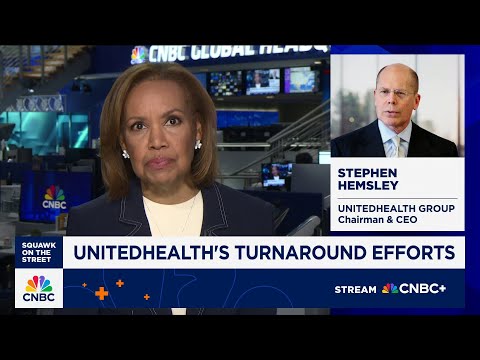
UnitedHealth's turnaround efforts underway
CNBC Television· 2025-08-21 15:03
As UNH CEO Steven Hemsley faces multiple challenges in his efforts to turn around the nation's largest health insurer. Let's get to Bertha Kums this morning at HQ for more. Morning Bertha. >> Morning Carl.You know during his first 10ear stint as CEO of United Health, Steven Hemsley was all about building the company's Optimum Services division into a healthcare juggernaut through acquisitions which saw profits grow more than 200%. Now his focus is a major rehabilitation of United Health struggling Medicare ...
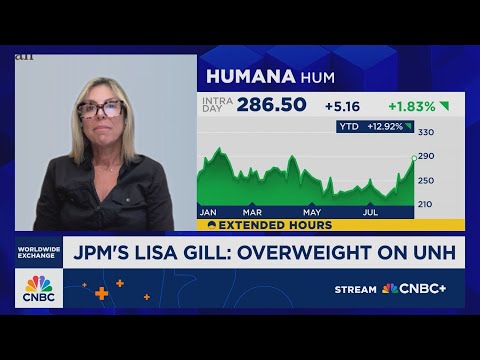
Gill: We're at a real inflection point for healthcare
CNBC Television· 2025-08-15 14:05
Market Sentiment & Investment Thesis - Investors are showing increased interest in UnitedHealth Group (UNH), potentially signaling a bottoming out of the healthcare sector, which is currently lagging, down approximately 3% year-to-date [1][2] - Major investors like Appaloosa, Berkshire, and Michael Burry are taking long-term positions in UNH, suggesting confidence in the company's fundamentals rather than a short-term bounce [3][4][7] - The return of former CEO Steve Helmsley, who built Optum, is viewed positively, indicating potential for a turnaround [5] - The investment thesis is based on the belief that UnitedHealth Group, as a bellwether in healthcare services, needs to perform well for the entire sector to thrive [6] Company Fundamentals & Strategy - UnitedHealth Group possesses the necessary assets to succeed in a value-based care environment [3][10] - The company is focused on repricing premiums to align with current utilization trends, which have been high in the last 18 months [11][12][13] - UnitedHealth Group has already priced for 2026, taking into account the high utilization trends observed [13] Regulatory Environment & Financial Outlook - A price increase for Medicare Advantage in 2026 from CMS (Centers for Medicare & Medicaid Services) is a positive development [9] - CMS's focus on value-based care programs is expected to benefit companies like UnitedHealth Group [10] - Analyst's price target for UnitedHealth Group is $310 [13] - The company's historical trading multiple has been close to or even at a premium to the market multiple, suggesting potential for multiple expansion [14][15]
Sam Meckey Named President of WestCX
Globenewswire· 2025-04-28 13:00
Core Viewpoint - West Technology Group, LLC has appointed Sam Meckey as President of its WestCX business unit, aiming to enhance its leadership in technology-enabled services [1][4]. Group 1: Leadership Appointment - Sam Meckey has extensive experience in the healthcare industry, previously serving as CEO of UpHealth and leading the healthcare business at EXL Services [2]. - Meckey's background includes significant roles at Optum, where he managed a $1 billion global BPO/ITO business [2]. - His educational qualifications include a BS in Economics from the United States Naval Academy, an MS in Aerospace Operations from Embry-Riddle Aeronautical University, and an MBA from Harvard Business School [2]. Group 2: Business Unit Overview - WestCX provides AI-driven omnichannel solutions that enhance customer interactions and optimize engagement, leading to improved efficiency and customer satisfaction [3]. - The WestCX unit encompasses the TeleVox and Mosaicx brands, indicating a focus on innovative technology solutions [3]. Group 3: Company Background - West Technology Group is a cloud-based global technology partner, facilitating critical connections for clients worldwide [5]. - The company operates in multiple regions, including the United States, Canada, Europe, Asia Pacific, and Latin America, showcasing its global reach [6]. - West is controlled by affiliates of certain funds managed by Apollo Global Management, Inc. [6].