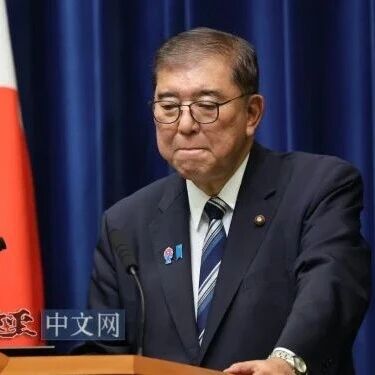
台湾有事

Search documents
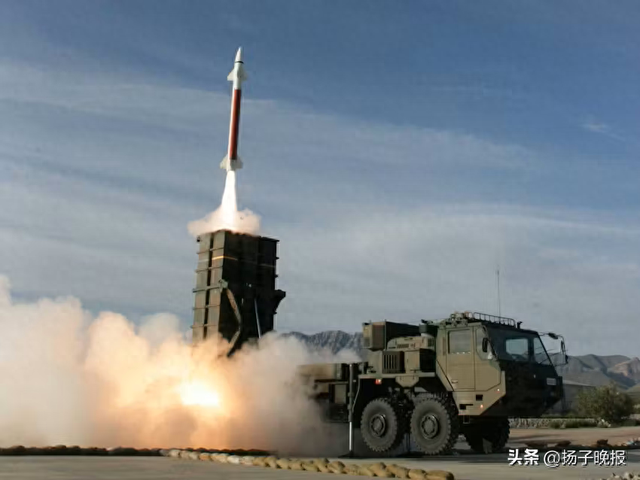
日本首次宣布:在距台湾110公里小岛,5年内部署导弹
Xin Lang Cai Jing· 2026-02-24 23:26
Core Viewpoint - Japan's Defense Minister announced plans to deploy ground-based air defense missiles on Yonaguni Island by the fiscal year 2030, marking the first specific timeline for such deployment, aimed at enhancing defense capabilities in response to potential regional conflicts, particularly concerning Taiwan [1][3]. Group 1: Deployment Plans - The Japanese government plans to establish a unit equipped with Type 03 medium-range air defense missiles on Yonaguni Island, which is strategically located approximately 110 kilometers from Taiwan [1][3]. - The deployment is part of a broader strategy to strengthen Japan's defense capabilities in light of potential military actions related to Taiwan [1][3]. - A public briefing for local residents is scheduled for March 2, where detailed explanations regarding the deployment will be provided [1]. Group 2: Historical Context and Military Developments - Japan has been accelerating the deployment of its Self-Defense Forces in the Ryukyu Islands, with previous establishments including a coastal surveillance unit in 2016 and missile units in 2019 and 2023 [3]. - The Yonaguni Island base currently focuses on coastal monitoring and intelligence gathering but lacks effective defense against incoming aircraft and missiles [3]. - Recent military exercises by the Chinese military have raised concerns, with missiles reportedly landing within 80 kilometers of Yonaguni Island [4]. Group 3: Regional Reactions - The Chinese government has expressed strong opposition to Japan's military developments near Taiwan, emphasizing that such actions could escalate regional tensions and challenge the post-war international order [6]. - Chinese officials have reiterated that Taiwan issues are internal matters for China and criticized Japan for its historical actions regarding Taiwan [6].

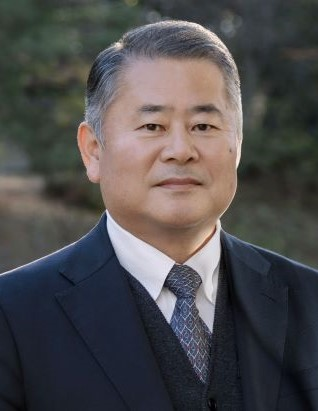
一边“拥核”,一边“台湾有事”:高市早苗这位亲信劣迹斑斑!
Zhong Guo Xin Wen Wang· 2025-12-26 07:49
Group 1 - The article highlights the controversial remarks made by a senior aide to Japanese Prime Minister Fumio Kishida, who stated that Japan should pursue nuclear armament, leading to widespread condemnation [1] - The aide, Sadaaki Onoue, is also noted for his significant role in military simulations regarding potential conflicts in Taiwan, indicating a dual focus on nuclear armament and Taiwan-related military strategies [1][3] - Onoue's appointment as a key security policy advisor is unusual as he is a retired Self-Defense Forces officer, which raises concerns about Japan's increasing militarization and its implications for regional security dynamics [3] Group 2 - The article mentions that Onoue has authored several books related to the Taiwan Strait situation, reflecting his deep involvement in security matters concerning Taiwan [3] - The Japanese defense ministry's think tank has conducted military simulations regarding "Taiwan issues" in 2023 and 2024, with Onoue being one of the planners, suggesting a strategic shift in Japan's defense posture [3] - The increasing emphasis on military elements in Japan's national strategy is seen as a potential means to break post-war military constraints, with Onoue positioned as a key figure in this trend [3]
深追踪|曝光!一边“拥核”,一边“台湾有事”:高市早苗这位亲信劣迹斑斑!
Xin Lang Cai Jing· 2025-12-26 04:43
Group 1 - The core viewpoint of the articles highlights the controversial statement made by a senior official in the Japanese Prime Minister's office advocating for Japan to pursue nuclear capabilities, which has drawn widespread condemnation [1] - The official in question, Onoue Sadamasa, is a close aide to Prime Minister Kishi Sanae and has been involved in military simulations regarding Taiwan, indicating a significant shift in Japan's defense policy [2] - Onoue's appointment as a security policy advisor is unusual as it breaks the norm of appointing a sitting member of the Diet, reflecting a deeper involvement of the Kishi government in Taiwan Strait issues [2][3] Group 2 - The increasing emphasis on military elements in Japan's national strategy positions the Taiwan situation as a critical factor for Japan to break its post-war military constraints [3] - Onoue Sadamasa's dual role in promoting nuclear armament and conducting military simulations related to Taiwan underscores a dangerous trend in Japan's defense posture [3]
高市早苗“台湾有事”答辩协调不足
日经中文网· 2025-12-18 03:01
Core Viewpoint - The remarks made by Japanese Prime Minister Sanna Takashi on November 7 regarding "Taiwan's situation" have sparked controversy, indicating a lack of coordination and understanding of the rapidly changing international relations [1][3]. Group 1 - Sanna Takashi's statements during the budget committee meeting exceeded the prepared response guidelines, leading to increased tensions with China [1][3]. - The prepared materials for the response were based on previous prime ministers' wording, lacking updated insights into current geopolitical dynamics [3][7]. - Takashi's comments suggested potential military actions in response to a hypothetical situation involving U.S. military intervention, which were not included in the pre-prepared materials [3][4].
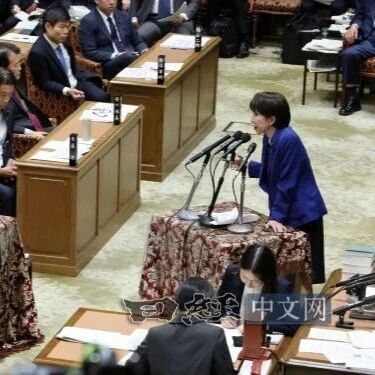
高市涉台答辩遭日本在野党追问 国会多次中断
Xin Hua She· 2025-12-17 13:27
Core Viewpoint - The Japanese Diet engaged in intense debate regarding Prime Minister Sanna Takashi's previous controversial remarks about Taiwan, with opposition parties expressing strong dissatisfaction over his vague responses [1] Group 1: Political Context - The debate was triggered by questions from opposition party members about Takashi's statements, leading to multiple interruptions during the session [1] - Takashi's responses were characterized by ambiguity, failing to provide clear definitions regarding Japan's "survival crisis situation" and its relation to Taiwan [1] Group 2: Opposition Response - Opposition member Hirota Kazuya demanded a clear explanation from Takashi about whether Taiwan is included in regions closely related to Japan's survival crisis [1] - Despite repeated calls for clarification, Takashi maintained the government's stance without making explicit statements, leading to heightened frustration among opposition lawmakers [1] Group 3: Previous Controversial Remarks - On November 7, Takashi claimed that "a situation in Taiwan" could potentially constitute a "survival crisis situation" for Japan under specific circumstances, which has sparked ongoing domestic controversy [1] - The opposition has consistently sought clearer and more specific explanations from Takashi regarding his remarks, but he has avoided addressing the substantive issues directly [1]
高市“台湾有事”答辩在准备资料中未记载
日经中文网· 2025-12-12 02:34
Core Viewpoint - The article discusses Japanese Prime Minister Sanna Takichi's unexpected remarks regarding Taiwan potentially constituting a "survival crisis," which were not included in the pre-prepared response materials from the Cabinet Office [2][4]. Group 1 - Takichi's "survival crisis" response occurred during a questioning session in the House of Representatives Budget Committee on November 7, in response to inquiries from Democratic Party member Katsuya Okada [2][4]. - The Cabinet Office's pre-prepared response materials did not contain any mention of the "survival crisis" concept, suggesting that Takichi made the statement based on her own judgment during the session [2][4]. - Following Takichi's remarks, Democratic Party representative Yoshihiko Noda criticized her for acting unilaterally and deviating from the government's pre-prepared content [4]. Group 2 - Democratic Party Senator Kiyomi Tsujimoto publicly requested the release of the Cabinet Office's prepared response materials, which emphasized a desire for peaceful dialogue regarding Taiwan and indicated that the government would assess the situation based on specific circumstances [4]. - Takichi's statement about the possibility of triggering a "survival crisis" was not part of the official materials, indicating it was her personal view rather than a consensus from government officials [5].
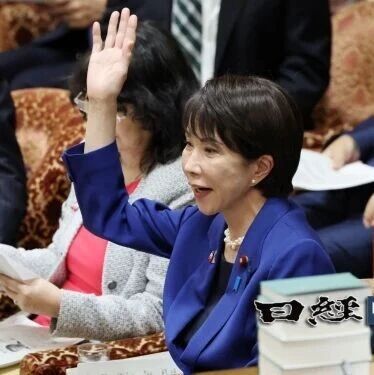
高市早苗被要求辞职
中国基金报· 2025-12-09 02:08
Group 1 - The core viewpoint of the article highlights the strong opposition from the Social Democratic Party of Japan, led by President Mizuho Fukushima, against Prime Minister Sanae Takaichi's remarks regarding Taiwan being a potential "survival crisis" for Japan, which Fukushima argues violates the constitution and calls for Takaichi to retract her statements and resign [2][3] - Fukushima emphasizes the illogical nature of Takaichi's statements and warns that Japan, including regions like Okinawa and Kyushu, is at risk of becoming a military stronghold, urging society to prevent war and dangerous policies [2] - The Social Democratic Party, founded in 1945, advocates for a society that respects human dignity and promotes peace, and is currently facing marginalization due to changing political dynamics [3] Group 2 - Mizuho Fukushima, born in December 1955, is a prominent political figure in Japan, serving as a member of the House of Councillors and the leader of the Social Democratic Party, with a strong commitment to peace and opposition to militarization [3] - During her upcoming visit to China in January 2024, Fukushima aims to emphasize the importance of preventing war between Japan and China, advocating for peace diplomacy and opposing the Japanese government's hostile stance towards China [3] - On January 18, 2024, Fukushima and her delegation will visit the China People's Anti-Japanese War Memorial, where they will pay respects and emphasize the message of learning from history to cherish peace [4]
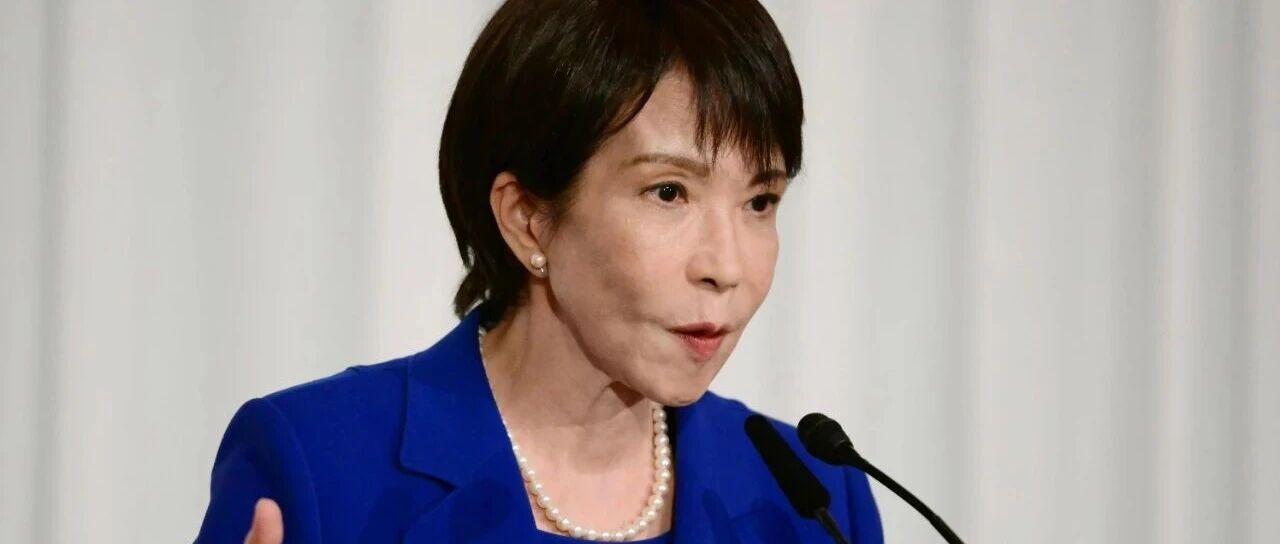
高市早苗被要求辞职
第一财经· 2025-12-09 01:55
Core Viewpoint - The article discusses the strong opposition from the leader of the Social Democratic Party of Japan, Mizuho Fukushima, against Prime Minister Sanae Takaichi's remarks regarding Taiwan potentially constituting a "survival crisis" for Japan, arguing that such statements violate the constitution and calling for Takaichi's resignation [5][6]. Group 1: Political Context - Fukushima emphasized that Takaichi's view on Taiwan is illogical and warned that Japan, including Okinawa and Kyushu, is at risk of becoming a military stronghold, urging society to prevent war and dangerous policies [5][6]. - The Social Democratic Party, founded in 1945 and renamed in 1996, advocates for a society that respects human dignity and promotes peace, with a focus on constitutionalism and opposition to militarization [5][6]. Group 2: Personal Background - Mizuho Fukushima, born in December 1955, is a graduate of the University of Tokyo and currently serves as a member of the House of Councillors and the party leader of the Social Democratic Party [6][7]. - In January 2024, Fukushima plans to visit Beijing, expressing a desire to ensure that the people of Japan and China do not get drawn into war, reinforcing the party's commitment to peace and diplomatic relations [6][7].
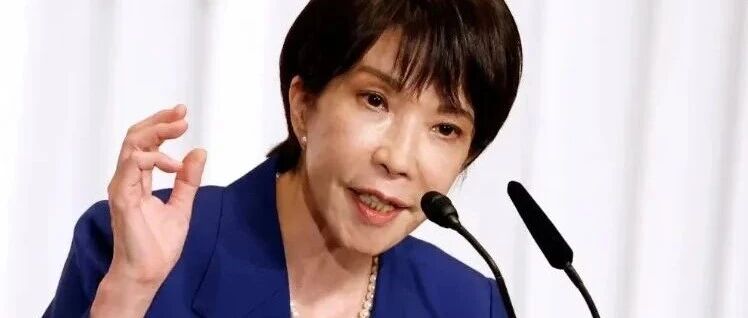
高市早苗解释“台湾有事”的存亡危机答辩
日经中文网· 2025-11-26 07:47
Group 1 - The core viewpoint of the article is that Japanese Prime Minister Fumio Kishida emphasizes a pragmatic relationship with Taiwan, stating that Japan has relinquished all rights and authority over Taiwan according to the San Francisco Peace Treaty [2][5]. - Kishida's response to questions about Taiwan's legal status indicates that Japan does not have a definitive stance on the matter, maintaining a non-governmental and practical relationship with Taiwan [5]. - The discussion between Kishida and opposition leader Yoshihiko Noda highlights concerns over Japan's defense posture, particularly regarding the implications of a potential crisis in Taiwan and the responsibilities of the Self-Defense Forces [4][5]. Group 2 - Noda acknowledges the strategic mutual relationship confirmed during the October summit between Japan and China but criticizes Kishida's remarks on Taiwan, suggesting they may have contributed to a cooling of Japan-China relations [4]. - Kishida defends his statements made during the budget committee meeting, asserting that he answered honestly based on specific inquiries regarding Taiwan's situation [5]. - Kishida emphasizes the importance of dialogue in building comprehensive and beneficial relations, asserting that maximizing national interests is his responsibility [4].
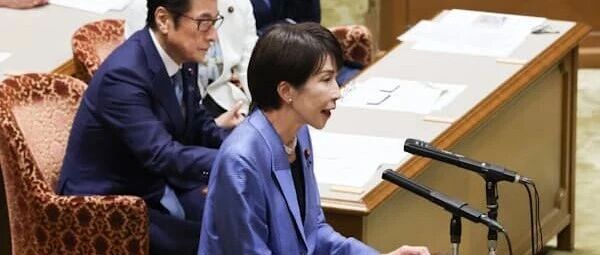
石破茂就高市“台湾有事”答辩提出批评
日经中文网· 2025-11-24 03:20
Core Viewpoint - The article discusses the delicate nature of Japan-China relations, particularly in the context of recent statements made by Japanese politicians regarding Taiwan and military involvement, highlighting the potential for diplomatic tensions [2][4][5][7]. Group 1: Political Statements and Reactions - Former Prime Minister Shigeru Ishiba criticized the remarks made by Minister of State for Economic and Fiscal Policy, Sanae Takaichi, regarding the possibility of Japan exercising collective self-defense in the event of a crisis in Taiwan, emphasizing the need for caution in handling Japan-China relations [2][4]. - Ishiba expressed his disagreement with Takaichi's government rice policy, advocating for increased rice production and questioning the rationale behind the policy changes [4]. - Opposition leader Yoshihiko Noda attributed the deterioration of Japan-China relations to Takaichi's reckless statements, stressing the importance of clear communication of Japan's official stance to avoid misunderstandings [5][7]. Group 2: Diplomatic Context - Noda highlighted the lack of dialogue between Japanese and Chinese leaders during the G20 summit, indicating that a strategic mutual relationship requires ongoing communication at multiple levels to mitigate misunderstandings [7].