
和平外交

Search documents
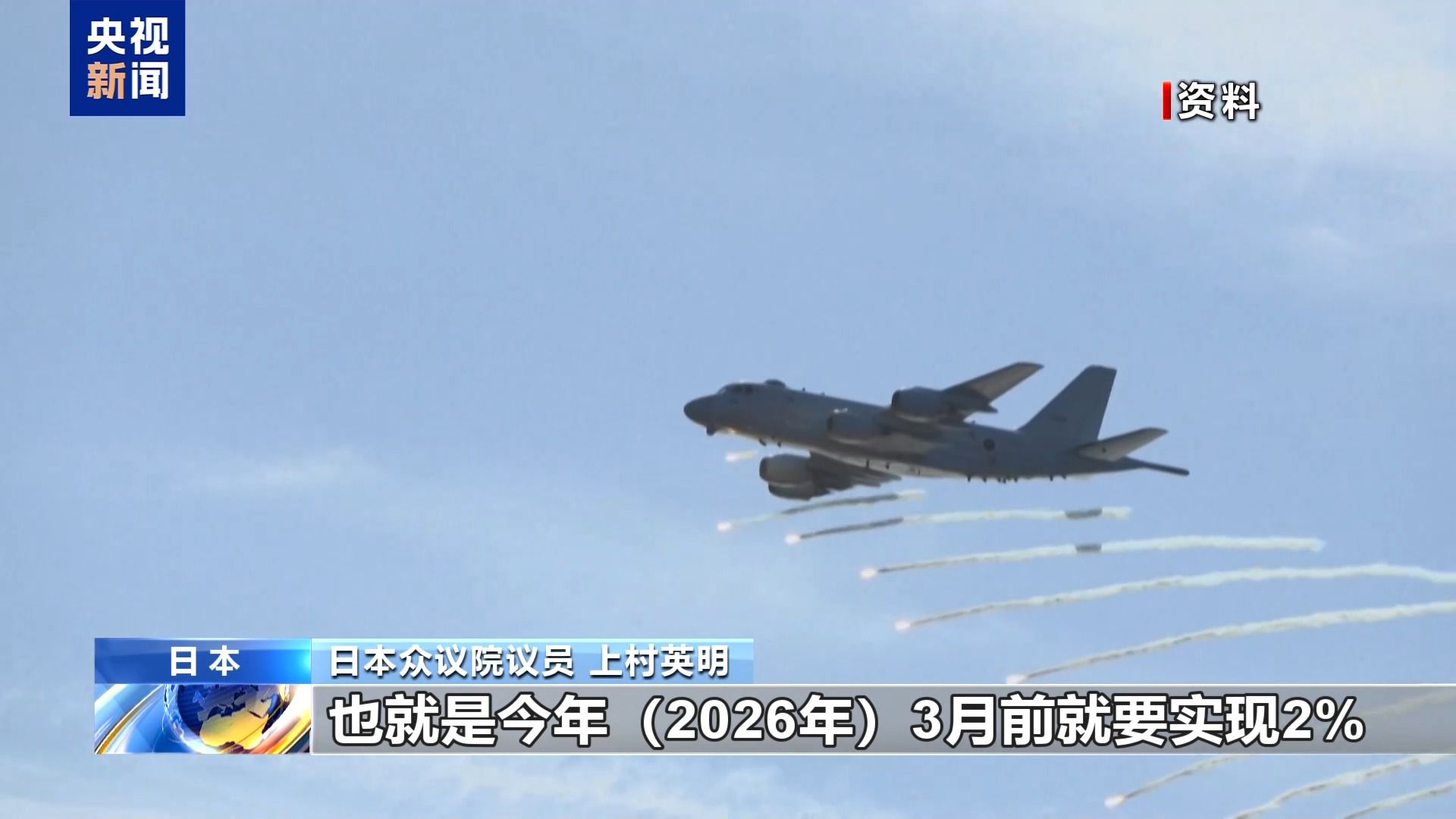
日本国会议员:日本必须走和平外交之路
Yang Shi Xin Wen Ke Hu Duan· 2026-01-07 08:05
Core Viewpoint - The article discusses the shift in Japan's political landscape under Prime Minister Sanna Takichi, emphasizing a move towards militarization and increased defense spending, which has raised concerns among political figures like House of Representatives member Hideaki Uemura [1][3]. Group 1: Defense Policy Changes - The Japanese government plans to increase defense spending to 2% of GDP, with a timeline accelerated from 2027 to 2025, raising questions about the source of this substantial budget increase [3]. - Uemura expresses concern over the government's approach to defense policy, stating that it fundamentally misrepresents the security crisis and could lead to dangerous political outcomes [1][3]. Group 2: Peace Principles - Uemura highlights the importance of Japan's "Three Non-Nuclear Principles" as a crucial aspect of its peace policy, opposing the current administration's intentions to undermine these principles [4]. - He advocates for a focus on peaceful diplomacy, criticizing the current political climate for failing to promote such initiatives [4].

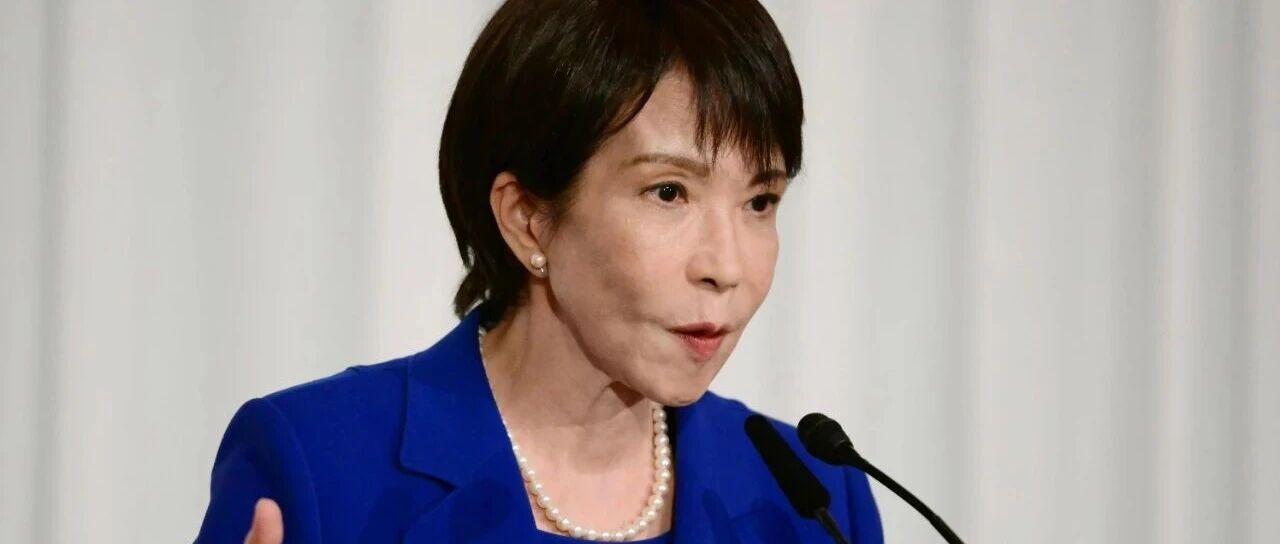
高市早苗被要求辞职
中国基金报· 2025-12-09 02:08
Group 1 - The core viewpoint of the article highlights the strong opposition from the Social Democratic Party of Japan, led by President Mizuho Fukushima, against Prime Minister Sanae Takaichi's remarks regarding Taiwan being a potential "survival crisis" for Japan, which Fukushima argues violates the constitution and calls for Takaichi to retract her statements and resign [2][3] - Fukushima emphasizes the illogical nature of Takaichi's statements and warns that Japan, including regions like Okinawa and Kyushu, is at risk of becoming a military stronghold, urging society to prevent war and dangerous policies [2] - The Social Democratic Party, founded in 1945, advocates for a society that respects human dignity and promotes peace, and is currently facing marginalization due to changing political dynamics [3] Group 2 - Mizuho Fukushima, born in December 1955, is a prominent political figure in Japan, serving as a member of the House of Councillors and the leader of the Social Democratic Party, with a strong commitment to peace and opposition to militarization [3] - During her upcoming visit to China in January 2024, Fukushima aims to emphasize the importance of preventing war between Japan and China, advocating for peace diplomacy and opposing the Japanese government's hostile stance towards China [3] - On January 18, 2024, Fukushima and her delegation will visit the China People's Anti-Japanese War Memorial, where they will pay respects and emphasize the message of learning from history to cherish peace [4]
日本民众再度集会,呼吁高市道歉
财联社· 2025-11-22 09:16
Core Viewpoint - Hundreds of Japanese citizens protested in front of the Prime Minister's residence in Tokyo, demanding the retraction and explanation of Prime Minister Sanna Takashi's recent remarks regarding Taiwan, which were deemed inappropriate and dangerous [1][3][5] Group 1: Public Reaction - Protesters held signs with messages such as "Retract the statement, oppose war" and chanted slogans like "Prohibit the resurgence of militarism," expressing their discontent with Takashi's comments [1][3] - A protester named Haruko expressed shock at Takashi's statements, labeling them as politically dangerous and inappropriate for a Prime Minister [1] - Another protester, Okahara, highlighted the negative impact on Japan's tourism industry due to reduced Chinese tourist numbers, questioning the rationale behind Takashi's provocative remarks [3] Group 2: Political Implications - Social Democratic Party leader Mizuho Fukushima attended the protest, criticizing Takashi's statements as pushing Japan towards war and emphasizing the need for peaceful diplomacy to ease regional tensions [3] - Takashi's comments in the Diet suggested that "Taiwan's situation" could constitute a "survival crisis" for Japan, leading to strong criticism from legal scholars, anti-war organizations, and opposition parties [5] - Japanese media noted that Takashi's remarks contradict Japan's commitments made in the 1972 Japan-China Joint Communiqué and conflict with the country's long-standing diplomatic stance towards China, potentially escalating regional tensions [5]
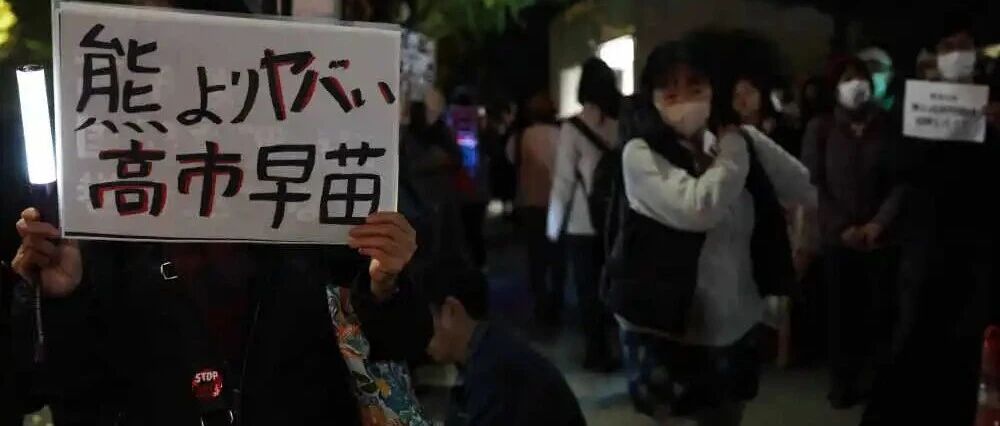
东京数百民众在首相官邸前抗议高市涉台言论
Xin Hua She· 2025-11-21 16:26
Group 1 - Hundreds of Japanese citizens protested in front of the Prime Minister's residence in Tokyo against Prime Minister Sanna Takashi's recent remarks regarding Taiwan, demanding a retraction and an apology [1] - Protesters expressed concerns over Takashi's statements, labeling them as politically dangerous and inappropriate, with calls for her resignation [1] - The protests highlighted a noticeable decline in Chinese tourists to Japan, indicating potential economic repercussions for the tourism industry due to Takashi's comments [1] Group 2 - Social Democratic Party leader Mizuho Fukushima criticized Takashi's remarks as pushing Japan towards war, advocating for peaceful diplomacy instead [2] - Takashi's statement in the Diet suggested that a "Taiwan emergency" could trigger Japan's collective self-defense rights, drawing strong criticism from legal scholars and anti-war organizations [2] - Japanese media noted that Takashi's comments contradict Japan's long-standing diplomatic commitments to China, potentially escalating regional tensions [2]
迈向和平与正义的共同之路
Ren Min Ri Bao· 2025-08-30 23:20
Group 1 - Turkey's historical role as a bridge between civilizations emphasizes its commitment to trust-building, open communication, and crisis resolution for regional and global stability [1] - The Black Sea Grain Initiative, proposed by Turkey, aims to mitigate the global impact of the Ukraine crisis and has ensured food security for millions [1] - Turkey's diplomatic efforts include facilitating peace talks in Antalya and Istanbul, maintaining humanitarian corridors, and playing a key role in prisoner exchanges [1] Group 2 - The current international system is unable to effectively address crises and protect the rights of innocent people, as exemplified by the situation in Gaza [2] - Turkey's stance on the Gaza issue prioritizes the safety of civilians, unhindered humanitarian aid, and a long-term ceasefire, advocating for an independent Palestinian state based on 1967 borders with East Jerusalem as its capital [2] - Economic ties, infrastructure development, energy cooperation, and cultural exchanges are seen as steps towards establishing trust and achieving regional peace [2] Group 3 - The 2025 Shanghai Cooperation Organization summit will take place in Tianjin, China, providing Turkey a platform to express its views on regional and global issues [3] - Turkey and China share a long history of interaction and are committed to strengthening economic ties based on mutual respect and win-win cooperation [3] - The upcoming meeting between Turkey's leadership and China's President Xi Jinping is expected to enhance mutual trust and promote bilateral relations [3]
普特会后,美欧搞了1+8电话会议
Guan Cha Zhe Wang· 2025-08-16 23:41
Group 1 - The core viewpoint of the article highlights a significant diplomatic engagement between U.S. President Trump and Russian President Putin, followed by a one-hour phone call involving French President Macron and seven other European leaders [1] - The participants in the call included leaders from Ukraine, Germany, the UK, Italy, Finland, Poland, and NATO, indicating a unified European response to the ongoing situation [1] - The discussions are framed as a step towards peace, with various European leaders expressing optimism about the potential for diplomatic resolutions [2][3] Group 2 - Italian Deputy Prime Minister Salvini emphasized the importance of any steps towards peace, aligning with the sentiment that diplomacy should replace military actions [2] - Norwegian Foreign Minister Aas stated the necessity of continuing pressure on Russia while listening to Ukraine's needs, indicating a strategic approach to the conflict [2] - Czech Foreign Minister Lipavsky expressed satisfaction with Trump's efforts to halt the war, while Hungarian Prime Minister Orban noted a perceived increase in global safety following the end of cooperation between the two nuclear powers [3]