
生活垃圾分类

Search documents
梅州多措并举推进公共机构绿色低碳转型,助力红色苏区绿色发展
Xin Lang Cai Jing· 2026-01-31 08:12
Core Viewpoint - Meizhou City is implementing measures to promote green and low-carbon transformation in public institutions by 2026, aligning with the provincial requirements for energy efficiency and environmental standards [1] Group 1: Energy Efficiency and Equipment Upgrade - Public institutions are required to eliminate outdated, inefficient, and high-energy-consuming equipment and facilities [1] - A "one unit, one plan" approach will be established for public institutions that do not meet energy efficiency standards, with deadlines for compliance [1] - The promotion of high-efficiency energy-saving products and technologies will be intensified, particularly in distributed photovoltaic construction on rooftops and parking lots [1] Group 2: Waste Reduction and Sustainable Practices - Public institutions must implement food waste reduction initiatives and promote the "Clean Plate Campaign" [1] - Strict adherence to waste classification and national plastic pollution control measures is mandated, including the cessation of non-degradable single-use plastic products [1] - Encouragement of the use of recycled and green products in procurement processes, as well as promoting paperless offices and the use of recycled office supplies [1] Group 3: Lifestyle and Social Influence - Public institutions are encouraged to advocate for a lifestyle that is simple, moderate, green, and low-carbon, influencing families and society to adopt similar values [1]
广东“未来社区”怎么建?港澳委员建议试点项目纳入城市更新
Nan Fang Du Shi Bao· 2026-01-28 12:08
2026年广东省政府工作报告为今年广东发展描绘新蓝图。报告中提出,广东将加强普惠性、基础性、兜 底性民生建设,扎扎实实办好十件民生实事,切实让人民群众看到变化、见到成效、得到实惠。南都N 视频记者从会上了解到,在2026年广东省两会期间,多位来自港澳地区的政协委员围绕社区建设发展提 出提案。 聚焦未来社区建设 运营思路从单一社区到片区化转变 陈家良指出,广州花都的未来社区等融合粤澳两地服务特色的项目,具备一定的参考意义,可通过研究 两地合作模式和成效,探讨共同促进社区服务、跨境数据交流等重要课题,在机制、政策、资源等方面 进行赋能,探索在社会治理领域形成融合两地特色的大湾区高质量发展模式。 生活垃圾分类的精细做法 为深入实施"百县千镇万村高质量发展工程",落实完整社区建设工作要求,2025年11月,广东省住房和 城乡建设厅发布广东省"百县千镇万村高质量发展工程"指挥部城镇建设专班办公室关于印发《广东省未 来社区(完整社区)建设试点项目名单(2025年)》的通知。提出将重点打造党建引领未来社区全流程 建设及治理、未来公共空间、未来建筑空间、未来社区服务等八大场景,推动社区环境、服务、治理提 质增效,将社区建成服 ...
安徽城乡一体推进生活垃圾分类工作
Xin Lang Cai Jing· 2026-01-19 17:08
Core Viewpoint - The meeting in Anhui Province emphasizes the importance of waste classification as a key initiative for ecological civilization and public welfare, aiming to enhance the efficiency and effectiveness of waste management across urban and rural areas [1][2]. Group 1: Waste Classification Strategy - The provincial government aims to implement a systematic approach to waste classification, ensuring precise coverage of waste classification facilities in both urban and rural areas [1]. - New residential areas are required to adhere to the "three synchronizations" for waste classification facilities, while rural areas will have tailored waste disposal points [1]. Group 2: Management and Infrastructure - The meeting highlights the need for comprehensive management of the entire waste chain, including collection, transportation, and disposal, with a focus on upgrading facilities for kitchen waste processing [1][2]. - There is a push for the renovation of waste disposal facilities and the enhancement of collection systems to ensure efficient operation and closed-loop management [1]. Group 3: Resource Utilization and Public Engagement - The strategy includes reducing waste at the source and improving resource utilization through strict enforcement of plastic reduction policies and promoting green living practices [2]. - Public engagement is crucial, with initiatives to promote waste classification through innovative outreach and volunteer programs to foster community participation [2]. Group 4: Technological Integration - The meeting stresses the role of technology in waste management, advocating for the adoption of advanced technologies and the establishment of a provincial smart management platform to enhance operational efficiency [2]. - There is an emphasis on integrating waste classification requirements into daily regulatory practices across various sectors to ensure cohesive implementation [2].
当好“三员” 助力生活垃圾分类
Xin Lang Cai Jing· 2026-01-17 23:54
Core Viewpoint - The Anhui Provincial Volunteer Service Federation has issued a call for volunteers and organizations to actively participate in waste classification efforts, emphasizing the importance of community involvement in enhancing the quality and efficiency of waste management in the province [1] Group 1: Volunteer Roles - Volunteers are encouraged to act as "promoters" of waste classification by learning and disseminating knowledge about waste sorting standards in various settings such as homes, communities, schools, and government agencies [1] - Individuals are urged to serve as "demonstrators" by practicing proper waste disposal and engaging in volunteer activities like "cleaning the home" to support vulnerable groups [1] - Volunteers should take on the role of "supervisors" by planning activities around waste classification, participating in monitoring efforts, and providing constructive feedback to maintain environmental cleanliness [1] Group 2: Community Engagement - The initiative aims to foster a societal consensus on the responsibility of everyone in waste classification, promoting the idea that "waste classification is everyone's responsibility" [1] - The call to action seeks to mobilize volunteers quickly to protect the environment and contribute to a beautiful new vision for Anhui [1]
今年将新增生活垃圾分类覆盖户数92.21万户
Si Chuan Ri Bao· 2026-01-06 08:43
Core Viewpoint - Chengdu is committed to enhancing urban management through refined waste classification, aiming to cover an additional 922,100 households this year [1] Group 1: Legislative and Regulatory Framework - Chengdu plans to introduce a municipal waste management regulation to define the rights, obligations, and legal responsibilities related to waste classification [1] - The city will establish a system for classified waste disposal and collection, including the standardization of four types of disposal containers and transport vehicles [1] Group 2: Public Engagement and Infrastructure - Continuous public awareness campaigns will be conducted to encourage citizen participation in waste classification [1] - Currently, there are approximately 1,500 waste transport vehicles in Chengdu, which will help address citizen complaints regarding non-classified waste collection [1] Group 3: Coverage and Targets - The goal for this year includes achieving a 50% waste classification coverage rate in urban communities and rural residential areas [1] - Public institutions, including government offices and schools, will achieve full waste classification coverage [1] - Coverage for waste classification in hotels, restaurants, and shopping centers is targeted to reach 50% [1] - The aim is to achieve a 10% reduction in per capita waste at the end of the waste processing chain [1]
市委召开月度工作点评会,尹力现场点评市民政局、市人力社保局、市住房城乡建设委、市卫生健康委、市市场监管局工作
Xin Lang Cai Jing· 2025-12-30 10:51
Group 1 - The meeting highlighted the importance of various city departments in improving public welfare and meeting citizens' needs, focusing on employment, elderly care, healthcare, and housing [3] - The Civil Affairs Bureau is enhancing the elderly care service network, with over 90% of urban and rural communities covered by meal assistance points, while also addressing the needs of vulnerable children [2] - The Human Resources and Social Security Bureau is implementing employment policies and has received recognition for its pension insurance work, but there are still shortcomings in social security fund oversight and protecting new employment groups [2] - The Housing and Urban-Rural Development Committee is promoting stable real estate market development and has exceeded annual targets for affordable housing, but faces challenges in urban renewal and regulatory responsibilities [2] - The Health Commission is optimizing health services for children and the elderly, achieving nationwide leadership in primary healthcare indicators, but needs to improve service quality and support for the health industry [2] - The Market Supervision Administration is enhancing food safety regulations and consumer rights protection, but still has gaps in regulating new business models and preventing corruption in key positions [2] Group 2 - The meeting addressed the need for a robust regulatory framework for rural collective economies and prepaid consumption in the service industry, emphasizing the importance of enterprise responsibility and inter-departmental collaboration [4] - The city is committed to environmental goals, including stringent pollution reduction measures and waste classification improvements, with a focus on community engagement and departmental accountability [4] - Preparations for the New Year and Spring Festival include ensuring essential services and public safety, enhancing cultural activities, and addressing community concerns about corruption and environmental issues [5]
南京鼓楼区启动“阳光城管”生活垃圾分类专项整治
Yang Zi Wan Bao Wang· 2025-12-04 15:29
Group 1 - The core focus of the meeting held on November 24 in Nanjing's Gulou District is the deployment of a special initiative for the classification and management of household waste [1] - The initiative aims to clarify responsibilities among various units regarding sanitation issues, ensuring accountability and task assignment to eliminate management gaps and disputes [1] - The action will enhance management levels by addressing key issues such as the operation of waste classification facilities, overflowing garbage, and the accumulation of large and construction waste [1] Group 2 - Increased enforcement measures will be implemented, with strict penalties for unauthorized collection of kitchen waste and other violations [1] - The initiative requires sanitation companies to schedule the entry of new energy vehicles into waste collection operations [1] - Collaboration among the district's urban management bureau, streets, sanitation companies, and law enforcement teams will be emphasized to tackle management challenges in older residential areas [1]
从 “分好类” 到 “分精类”:生活垃圾分类提质增效行动指南
Yang Zi Wan Bao Wang· 2025-09-22 08:56
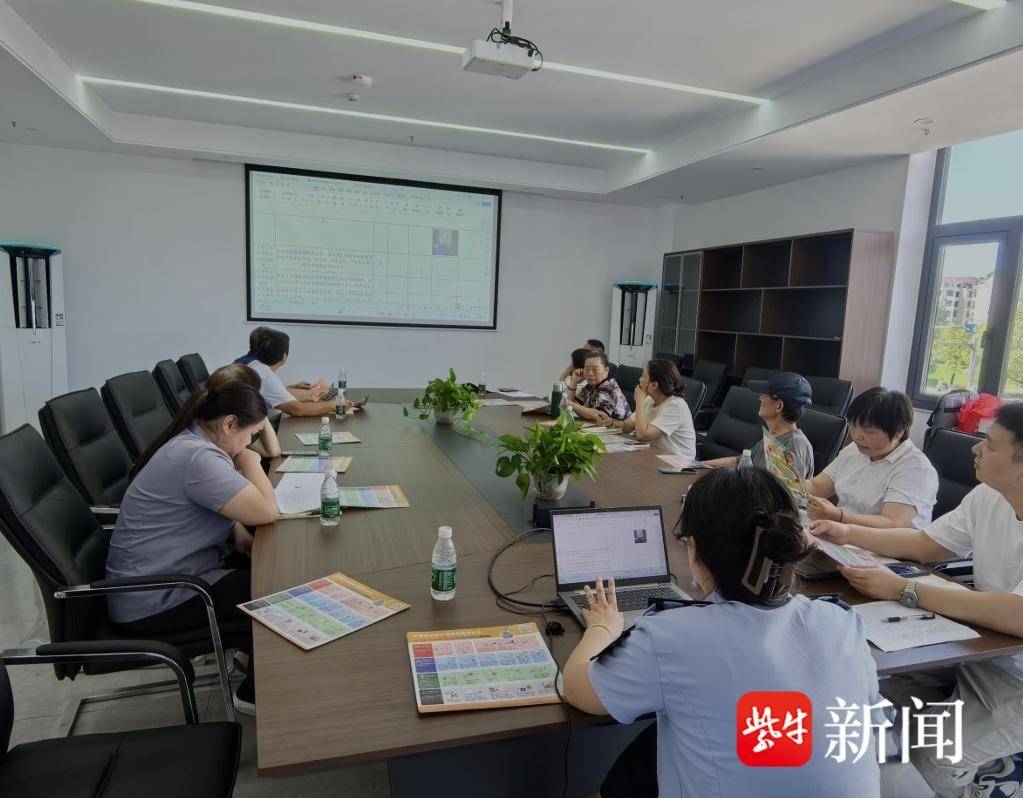
Core Points - The training session focused on improving waste classification and community environmental management, aligning with the 2025 waste classification enhancement goals [1][3] - Participants included city management staff, community workers, property management personnel, and other stakeholders, emphasizing a collaborative approach to waste management [1][3] - The training provided practical examples and case studies to enhance understanding of waste classification, addressing common mistakes and clarifying classification standards [3][4] Group 1 - The training aimed to refine waste classification practices in communities, providing valuable insights and practical experience for future initiatives [3] - Emphasis was placed on the importance of effective management of waste classification and the role of community members in this process [3][4] - The session included interactive elements to deepen participants' understanding of waste classification and its significance in environmental protection [3][4] Group 2 - The meeting highlighted the need for ongoing sanitation efforts in light of health risks associated with mosquito-borne diseases, urging property management to maintain cleanliness in waste classification areas [3] - Participants expressed commitment to applying the knowledge gained in their daily lives, contributing to environmental protection and promoting a healthier living environment [4]

临沂市召开生活垃圾分类工作推进会
Qi Lu Wan Bao Wang· 2025-09-13 05:03
Core Points - The meeting held in Linyi City focused on advancing the implementation of waste classification by 2025, with participation from 30 departments and leaders from five urban districts [1] - The meeting highlighted the achievements made in waste classification through collaborative efforts, but noted that there is still a significant gap compared to the average level of similar cities nationwide [1] Group 1 - The meeting emphasized the need for all levels of government and departments to work together to enhance waste classification efforts, especially as the second half of the year is a critical period for achieving goals [1] - Departments are required to break down collaboration barriers, strengthen horizontal communication, and ensure information sharing and resource allocation [1] - Regular review meetings will be held to summarize experiences, identify replicable practices, analyze shortcomings, and clarify improvement paths [1] Group 2 - A practical and efficient collaborative mechanism is essential to create a strong synergy in advancing waste classification initiatives in the city [1] - The focus is on achieving breakthroughs and elevating the waste classification work to new levels [1]
一些城市生活垃圾分类成效堪忧 亟待进一步精细化管理
Zhong Guo Chan Ye Jing Ji Xin Xi Wang· 2025-07-22 22:21
Core Viewpoint - The effectiveness of waste classification in various cities is concerning, with issues in the construction and operation of waste collection facilities, necessitating a long-term management mechanism to ensure sustainability [1][4][6]. Group 1: Current Challenges - Many cities are still in the initial stages of waste classification, facing significant challenges such as site selection for collection points and inadequate facilities [4][6]. - In a specific city, over 1965 out of 3565 residential communities have not yet established waste collection points, primarily due to limited geographical space [4]. - Complaints from residents regarding the placement of waste collection points are prevalent, with over 25,000 complaints recorded in 2023 alone [2][4]. Group 2: Operational Issues - There are numerous reports of waste collection facilities being underutilized or not operational, with instances of equipment being inoperative or poorly maintained [3][4]. - The lack of effective property management and service quality has led to significant disparities in waste classification outcomes across different communities [5][6]. Group 3: Community Engagement and Education - Residents often lack awareness and proper habits regarding waste classification, which hinders the effectiveness of the facilities [5][6]. - There is a need for enhanced community engagement and education to foster a culture of waste classification, as many residents do not see themselves as responsible participants in the process [6][7]. Group 4: Recommendations for Improvement - Strengthening the management and operational responsibilities of property services is crucial, with suggestions for a more detailed responsibility framework for waste management [6][7]. - The establishment of a volunteer service system and community involvement initiatives is recommended to enhance public awareness and participation in waste classification [7].