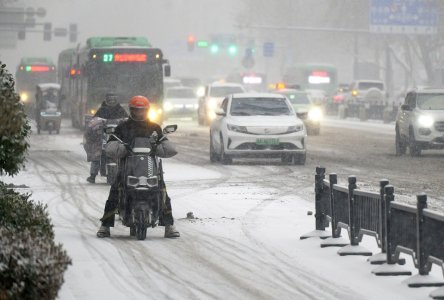
雨雪冰冻天气

Search documents
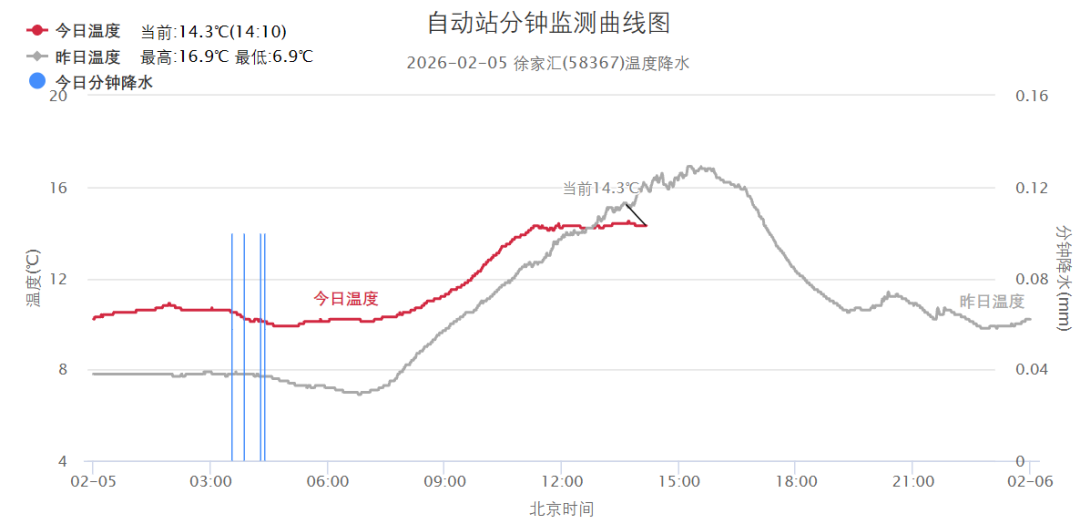
明日入冬以来最难下班路!有雨夹雪或湿雪,可能出现道路结冰,请注意出行安全
Xin Lang Cai Jing· 2026-02-05 14:07
Core Viewpoint - A cold wave is expected to impact Shanghai, bringing rain, snow, and significant temperature drops, with warnings issued for strong winds and potential road icing [2][6]. Weather Impact - The cold wave will result in strong winds, temperature drops, rain, and snow, with the possibility of ice formation on roads [6]. - Rain and snow are expected to transition from the north to the south of the city, with precipitation amounts ranging from 10 to 25 millimeters, including 1 to 3 millimeters of snow in the city and 3 to 5 millimeters in the western and northern areas [6][7]. Temperature Forecast - Temperatures are predicted to drop significantly, with daytime highs not exceeding 6 degrees Celsius. The lowest temperatures are expected to be between -1 to -2 degrees Celsius in the city and -7 to -4 degrees Celsius in suburban areas, potentially setting new lows for the winter [6][7]. Wind Conditions - Maximum gusts are forecasted to reach 7 to 8 levels on land and 8 to 9 levels along coastal areas, with specific warnings for strong winds during the transition to rain and snow [7]. Safety Advisory - Due to the expected rain and snow coinciding with peak commuting hours, there are advisories for slippery roads and reduced visibility, emphasizing the need for caution during travel [7]. Future Weather Trends - Following the cold wave, the weather is expected to clear up over the weekend, with temperatures remaining low but gradually rising in the following week, with highs between 12 to 15 degrees Celsius [7].

【省气象局】陕西发布暴雪蓝色预警
Shan Xi Ri Bao· 2026-01-29 00:12
Group 1 - The Shaanxi Meteorological Bureau issued a blue snow warning, predicting snowfall from January 29 to January 30, with varying intensities across different regions [1] - Areas in northern Shaanxi are expected to experience light to moderate snow, while southern Shaanxi, northern Guanzhong, and parts of the Qinba Mountains may see moderate to heavy snow, with localized areas experiencing blizzards [1] - The chief forecaster, Zhao Qiang, highlighted the high risk of severe weather impacts, including low-temperature rain and snow, and ice disasters, particularly affecting transportation and agricultural facilities [1] Group 2 - The rain and snow weather is expected to cause slippery roads across most of southern Shaanxi during the day on January 29, with icy conditions developing in the evening [2] - By the night of January 29, roads in central and southern northern Shaanxi, northern Guanzhong, and most of Shangluo will be primarily affected by ice and snow accumulation [2] - The weather conditions necessitate heightened awareness regarding traffic safety due to the adverse effects of the rain and snow on road conditions [2]
数说今年首场寒潮雨雪冰冻有多强,南北方各地何时回暖
Xin Lang Cai Jing· 2026-01-22 08:53
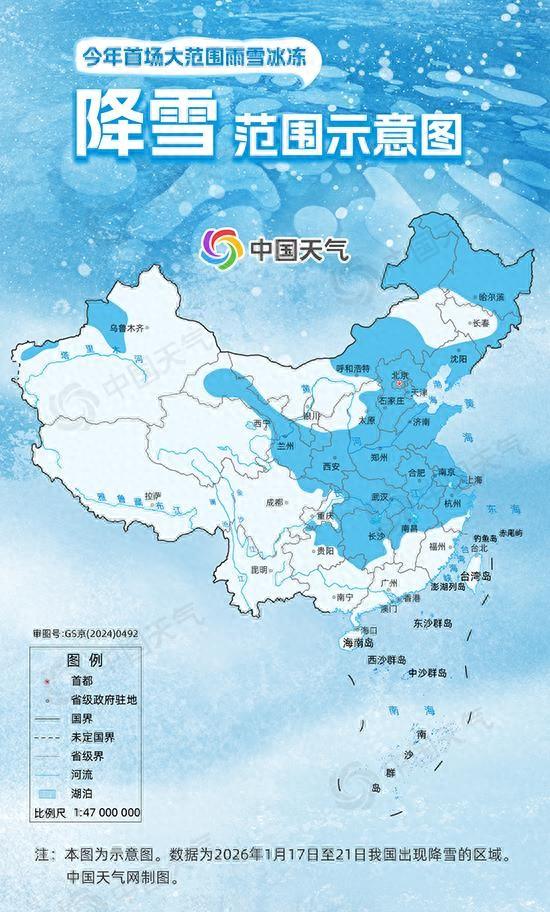
Core Insights - A significant cold wave has impacted central and eastern China, bringing the first large-scale rain, snow, and ice weather event of the winter from January 17 to 21, affecting over twenty provinces [1][2][3] Summary by Sections Snow and Ice Impact - The core areas of snowfall were identified in Henan, northern Hubei, and northern Anhui, with some regions experiencing heavy to extreme snowfall, such as over 20mm of precipitation in places like Jinzhai, Quxian, and Danjiangkou on January 19 [3][4] - Accumulated precipitation ranged from 5 to 15mm in many areas, with specific locations like Zhumadian in Henan and Liu'an in Anhui receiving between 20 to 26mm [1][2] Freezing Rain - Freezing rain occurred in regions including southern Hunan, central Hubei, and parts of Guizhou, with the maximum ice thickness reaching 169mm in Hunan [4] - Ice accumulation affected power lines in multiple counties across Hunan, Guizhou, and Hubei, leading to significant disruptions [4] Temperature Drops - A drastic temperature drop was recorded across most of the country, with average daily temperatures falling by 6°C to 10°C, and some areas experiencing drops of 12°C to 20°C [6][7] - Major cities reported record low temperatures, with Harbin reaching -30.1°C on January 18, marking the lowest temperature recorded in urban areas this winter [7][9] Future Weather Outlook - As of January 22, the cold wave's impact is diminishing, with southern regions expected to experience a stable warming trend, while northern areas will see slower and more variable temperature increases [10][12] - By January 25, temperatures in southern regions are projected to rise above 20°C, while northern areas, particularly in the northeast, will continue to experience below-average temperatures for at least the next week [12]
未来三天全国大部降水稀少 气温逐渐回升北方寒意仍强
Xin Lang Cai Jing· 2026-01-22 00:43
Summary of Key Points Core Viewpoint - The impact of the recent cold wave in China is coming to an end, with most regions expected to experience a warming trend in the coming days, although northern areas will see a slower rise in temperatures and will be affected by another cold front starting on the 25th, bringing rain and snow to many central and eastern regions [1][2][8]. Group 1: Temperature Changes - A significant drop in temperatures was observed across most of China due to the first cold wave starting on January 17, with major cities like Beijing and Shanghai recording their lowest temperatures of the winter [2]. - Northern regions are expected to see a gradual warming over the next three days, while southern regions will experience a more substantial increase in temperatures, with highs expected to exceed 15°C in many areas by January 24-25 [2]. Group 2: Precipitation Patterns - The recent widespread rain and snow have diminished, particularly in southern regions, with areas like Hubei, Jiangsu, and Zhejiang seeing a cessation of precipitation [3]. - A new round of precipitation is anticipated starting January 25, affecting northeastern, northern, and central regions with snowfall [8]. Group 3: Weather Warnings - Public advisories are in place for continued cold weather, especially in northeastern areas where temperatures will remain significantly lower than usual [2]. - The public is encouraged to stay informed about weather warnings and to plan travel accordingly due to the expected return of rain and snow [8].
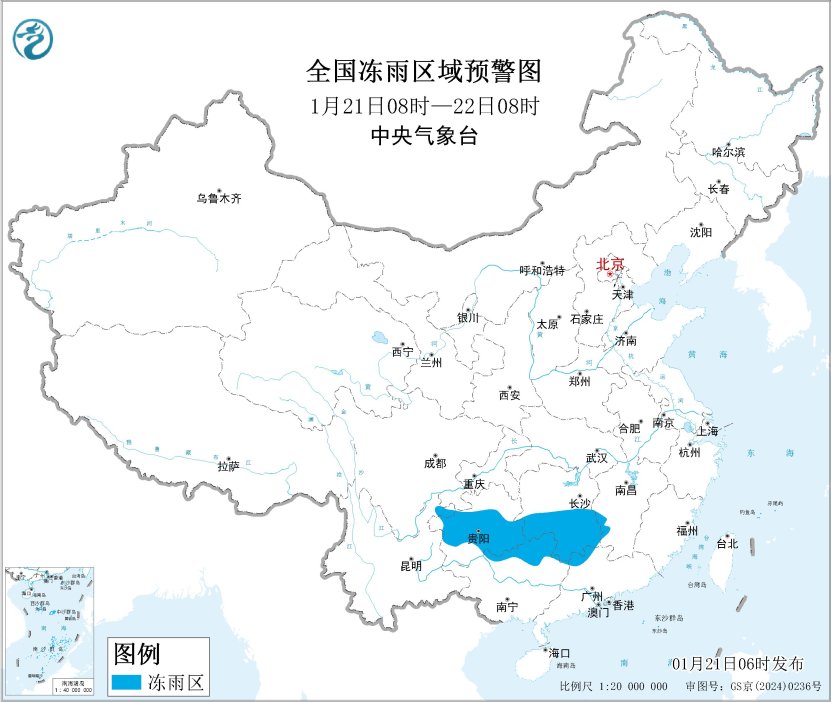
中央气象台继续发布黄色预警 湘黔桂等地有雨雪冰冻天气
Zhong Guo Xin Wen Wang· 2026-01-21 05:48
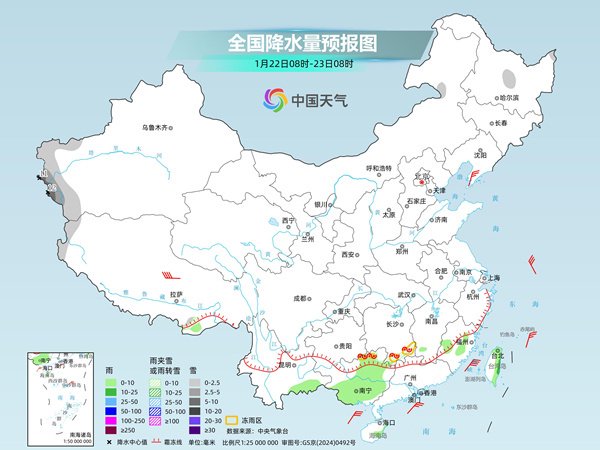
Core Viewpoint - The Central Meteorological Administration has issued warnings for freezing rain and snow across various regions in China, indicating potential impacts on transportation, energy supply, public health, urban operations, and agricultural production. Group 1: Weather Warnings - A yellow warning for freezing rain has been issued for regions including central and northwestern Guizhou, central and southern Hunan, northern Guangxi, and parts of Guangdong and Yunnan, with expected freezing rain amounts of 1-2 millimeters, and up to 6 millimeters in localized areas [2][4]. - Forecasts predict small to moderate snow or sleet in parts of Heilongjiang, Shandong Peninsula, central and southern Hunan, and northeastern Guangxi from January 21 to 22, with freezing rain expected in central and northwestern Guizhou and southern Hunan [5][6]. Group 2: Precipitation Forecasts - From January 22 to 23, small to moderate snow is expected in southwestern Xinjiang and western Tibet, with localized heavy snow (5-9 millimeters) [7]. - The forecast for January 23 to 24 indicates small to moderate snow in western Xinjiang and southwestern Tibet, with localized heavy snow (20-28 millimeters) in southwestern Tibet [8].
雪下到南方了!明后天大部气温继续偏低
Jing Ji Guan Cha Wang· 2026-01-20 10:52
Core Viewpoint - The strongest winter snow and ice weather has arrived, affecting multiple regions in China, with significant snowfall reported in several provinces and cities [1][2]. Weather Impact - Heavy snow has been observed in Henan, Hubei, Anhui, northern Jiangsu, and other areas, with some regions experiencing blizzards [1]. - Major cities such as Wuhan, Hefei, Nanjing, Shanghai, Hangzhou, and Nanchang have recorded snowfall, with notable accumulation in Hefei, Wuhan, and Nanjing [1]. Snow and Freezing Rain Dynamics - The variation in precipitation types, such as snow and freezing rain, is due to temperature differences at various atmospheric levels, leading to complex changes in precipitation forms [3]. - Snow occurs when the entire atmospheric layer is cold enough for snowflakes to reach the ground [4]. - Freezing rain occurs when snowflakes melt in a warm layer of air and do not freeze before reaching the ground [5]. Agricultural and Transportation Effects - Both snow and freezing rain can adversely affect agriculture and transportation, necessitating caution and preventive measures [6]. Temperature Trends - The current cold wave is expected to lead to significant temperature drops, particularly in southern regions, with the lowest temperatures forecasted to be around 0°C in southern Guizhou, northern Guangxi, southern Jiangxi, and southern Zhejiang [7]. - Most areas in both northern and southern China will experience temperatures significantly lower than the historical averages, with some southern cities like Fuzhou and Nanning seeing maximum temperatures just above 10°C [8].
大寒开启 多地天气为今冬以来最冷 最新气象分析→
Yang Shi Xin Wen Ke Hu Duan· 2026-01-20 06:05
Group 1 - The core viewpoint of the articles highlights the impact of the current cold wave coinciding with the "Great Cold" solar term, leading to the coldest weather of the winter across China [1][3] - The temperature line of 0°C will reach the Yangtze River, with many cities experiencing maximum temperatures near freezing [3] - Significant rain, snow, and freezing weather are expected in southern regions, particularly in Hubei, Anhui, Jiangsu, Zhejiang, and Jiangxi, with a warning for freezing rain in Hunan and Guizhou [3] Group 2 - By Thursday, most of China will return to a state with little rain and snow, with a noticeable temperature rise in southern regions, especially in Jiangnan, where maximum temperatures may exceed 15°C [5] - In contrast, northern regions will continue to experience low temperatures due to ongoing cold air influences, necessitating precautions for warmth [5]

寒潮继续深入南方 湖南贵州广西等地有雨雪冰冻天气
Yang Shi Wang· 2026-01-20 01:37
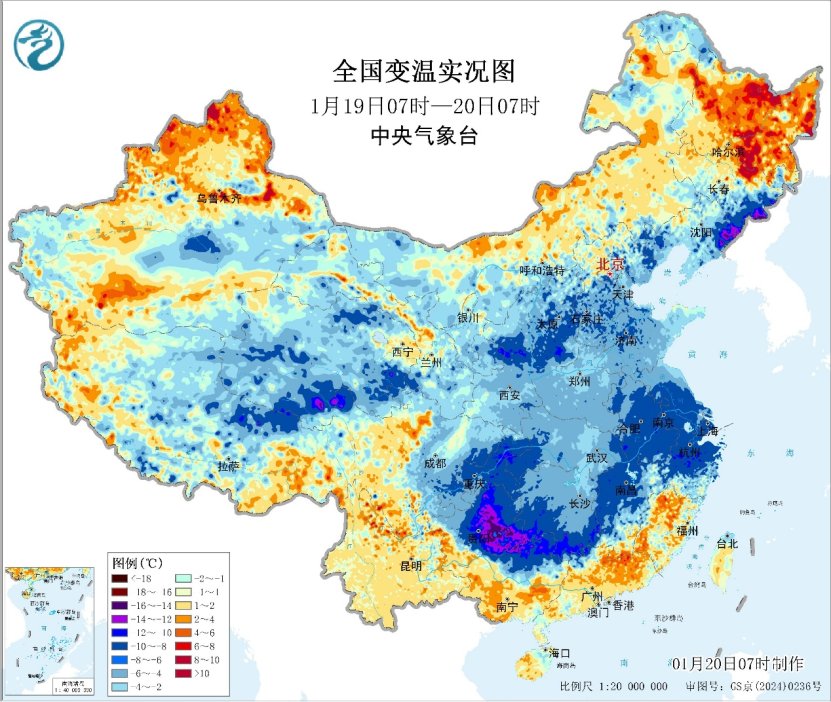
Core Viewpoint - A significant cold wave and precipitation event is affecting various regions in China, leading to notable temperature drops and potential impacts on transportation and energy sectors [1][3][5][7] Group 1: Weather Conditions - On January 19, areas including central and eastern Gansu, southern Shaanxi, southern Shanxi, and parts of Henan and Shandong experienced significant snowfall or sleet, with precipitation levels reaching 18-22 millimeters in places like Zhumadian, Liu'an, and Fuyang [1] - On January 20, temperatures dropped by 8-10°C in parts of Jiangsu, Anhui, Shanghai, and Zhejiang, with eastern Guizhou experiencing drops of 12-16°C [1][3] - From January 20 to 21, regions such as southeastern Hubei, central and northern Hunan, and northwestern Jiangxi are expected to see moderate to heavy snow, while areas in central and eastern Guizhou and southern Hunan may experience freezing rain [5] Group 2: Warnings and Recommendations - The Central Meteorological Observatory issued blue alerts for cold waves and strong winds, as well as yellow alerts for freezing conditions, predicting temperature drops of 4-6°C across various regions [3] - Experts warn that the extensive cold wave and precipitation could lead to icy conditions on roads and power lines, adversely affecting transportation and energy supply [7] - Public safety measures are advised, including precautions against carbon monoxide poisoning for those using coal heating indoors and general safety when traveling [7]
中央气象台四预警齐发 多地多部门积极应对寒潮
Ren Min Ri Bao· 2026-01-20 00:38
Core Viewpoint - The Central Meteorological Administration has issued multiple weather warnings due to a severe cold wave, snow, and ice affecting a wide range of regions in China, particularly in the central and southern areas [1][2]. Group 1: Weather Warnings and Impact - A yellow warning for cold wave, snow, and ice, along with a blue warning for strong winds, has been issued [1]. - The cold wave is driven by a strong cold air mass from Siberia, leading to significant temperature drops and complex precipitation patterns, including rain, sleet, and snow [1]. - The affected areas include Jianghuai, Jianghan, and Jiangnan, with heavy snow and freezing rain expected, particularly in Hunan and Guizhou, where freezing rain could reach 5-10 millimeters [1]. Group 2: Forecast and Response Measures - From January 20 to 21, the rain and snow in the southern regions are expected to gradually weaken, but low temperatures will persist until around January 23, when a noticeable temperature rise is anticipated [2]. - Emergency responses have been activated in several provinces, including Anhui and Henan, to address the impacts of the cold wave, with measures in place for road safety and supply stability [2][3]. - In Hunan, an emergency response has been initiated to ensure the transportation of essential goods and monitor infrastructure stability, while Guizhou has also mobilized emergency teams to inspect vulnerable areas [3].
本轮雨雪冰冻天气迎最强时段
Xin Lang Cai Jing· 2026-01-19 18:11
Core Viewpoint - The article discusses the severe weather conditions in China, including a cold wave, heavy snowfall, and freezing rain, and compares the current situation to the 2008 winter disaster, indicating that while the impact is significant, it is not expected to reach the same severity as in 2008 [6][10]. Weather Warnings - The Central Meteorological Observatory issued three warnings: cold wave, heavy snowfall, and freezing rain, with a focus on regions like Henan and Hubei for heavy snowfall and Guizhou and Hunan for freezing rain [6][8]. - The cold wave began on January 17, with significant snowfall recorded in Beijing, where some areas experienced over 15 cm of snow [6][7]. Temperature Changes - From January 19 to 21, temperatures in the Yellow River and southward regions are expected to drop by 6°C to 10°C, with some areas experiencing drops of 10°C to 14°C, and localized drops exceeding 16°C [8][9]. - The freezing rain is anticipated to affect areas in Guizhou and Hunan, with expected precipitation of 1 mm to 3 mm, and localized areas receiving up to 8 mm [8][9]. Comparison to 2008 Disaster - The current weather conditions are compared to the 2008 disaster, which lasted nearly 20 days with multiple rounds of severe weather. The current cold wave's intensity and duration are expected to be less severe [10]. - The article notes that while the impact area is similar to 2008, the current cold wave is not expected to cause the same level of disruption [10]. Regional Focus - Special attention is drawn to Hunan and Guizhou, where freezing rain is expected to persist, and travel conditions may be hazardous due to icy roads [11]. - The overall weather conditions are expected to weaken by January 20 to 21, with temperatures gradually rising from January 23 onward [12].