寒潮

Search documents
杭州周二起进入寒潮影响最强时刻
Mei Ri Shang Bao· 2026-01-20 03:32
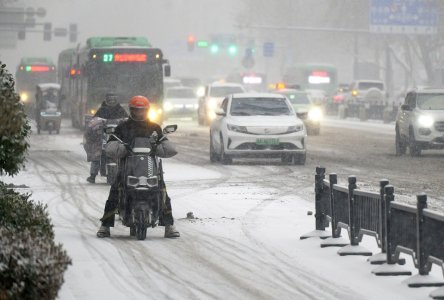
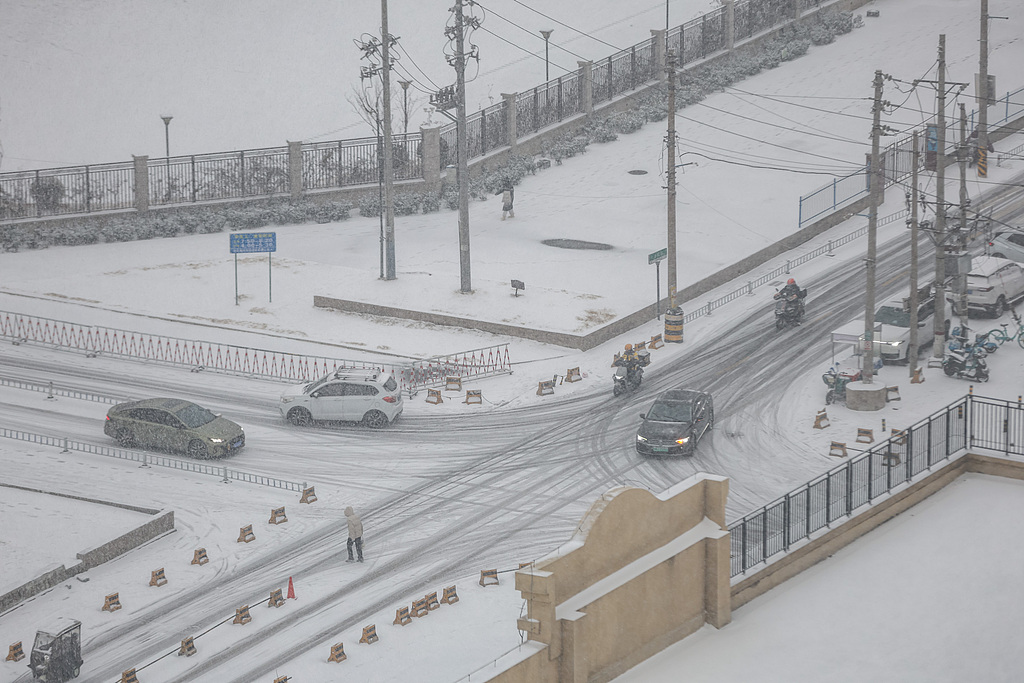
目前,今年首场大范围寒潮天气过程正在影响我国。周一,冷暖空气在浙江上空"握手会面",浙北 地区早晨小雨已至,中午冷空气正式上线,午后寒意加剧,杭州甚至出现"气温倒挂"现象,截至18时最 低温仅4.5℃,且还在不断下探。接下来,寒潮带来的强降温、雨雪、冰冻天气将进入影响最强时段。 而在另一边,最近的寒潮也迅速影响到了交通出行。 1月19日,记者从长三角铁路部门获悉,为确保列车运行安全和旅客出行安全,铁路部门根据降雪 影响范围,加强研判,主动避险,计划对1月19日8时至1月20日8时途经京港高铁古城东至芦庙站、京沪 高铁定远至徐州东站、沪蓉高铁黄庵至墩义堂站、徐兰高铁徐州东至砀山南站、合蚌高铁水家湖至蚌埠 南站、郑阜高铁阜阳西至界首南站、合新高铁定远东至泗县东站等线路部分旅客列车,采取临时停运措 施。 从上周的"暖到离谱"到回归冬季本色,只需一轮寒潮。气温方面,周二浙北气温仅2~4℃,浙中5 ~7℃,体感上将迅速切换到"钻进冰箱"的寒冷模式。此次降温低点出现在周四(22日)早晨,大部地 区最低气温达-4℃~-1℃、有冰冻,山区为-7℃~-4℃、有严重冰冻。 寒潮带来"速冻",杭州的朋友最关心的是市区会不会下雪?杭 ...
大寒!寒潮继续影响南方地区
Xin Hua She· 2026-01-20 02:32
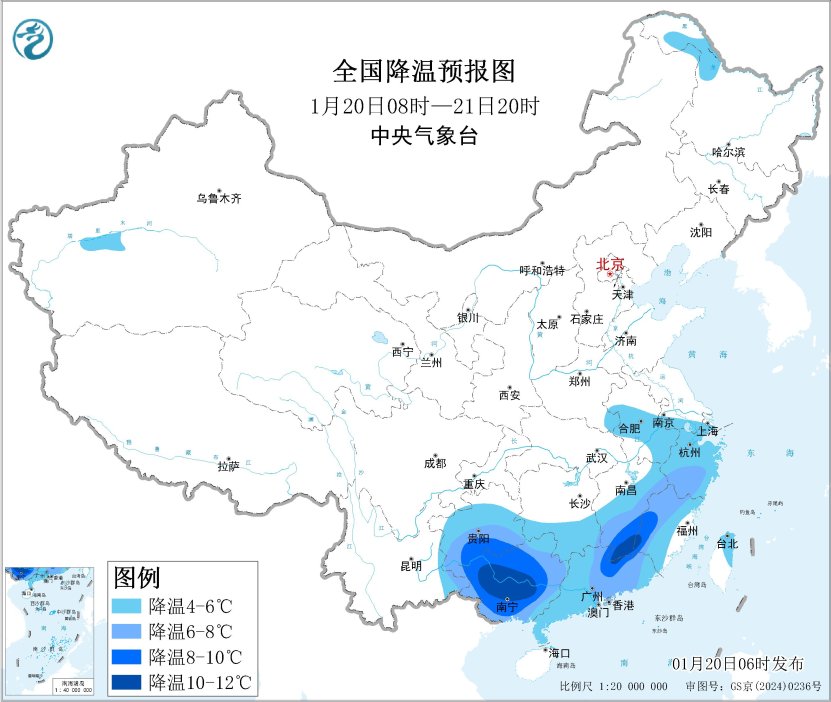
新华社北京1月20日电 1月20日是二十四节气中的最后一个节气大寒。大寒节气迎"大寒",中央气 象台20日6时发布寒潮蓝色预警、冰冻黄色预警、大风蓝色预警,寒潮继续影响南方地区,湘黔桂赣等 省份有雨雪冰冻。 中央气象台预计,20日至21日,湖北东南部、湖南中北部、江西西北部、贵州东部等地部分地区有 中雪,湖北东南部、江西西北部、湖南中部局地有大雪;贵州中部和东部、湖南中南部、广西北部、江 西西部等地部分地区有冻雨。 中央气象台首席预报员马学款表示,本次寒潮的"幕后推手"是来自西伯利亚的强冷气团。与往常所 见寒潮不同,本次过程并非"猛冲式"剧烈南下,而是以扩散蔓延的方式逐步渗透,其所携冷空气势力 强、影响范围广、持续时间长、降温幅度大。 受寒潮影响,预计20日8时至21日20时,江淮西部、江南东部和南部、西南地区东南部、华南等地 将先后降温4℃到6℃,其中江西南部、福建西部、贵州南部、广西、广东北部等地部分地区降温可达 8℃,局地降温10℃以上。 气象专家提醒,由于本次寒潮降温猛、雨雪范围广、降水相态复杂,南方地区受影响尤为显著,需 重点防范低温与冻雨叠加可能 导致 的道路结冰、电力通信设施受损、农业冻害等次生 ...
寒潮继续深入南方 湖南贵州广西等地有雨雪冰冻天气
Yang Shi Wang· 2026-01-20 01:37
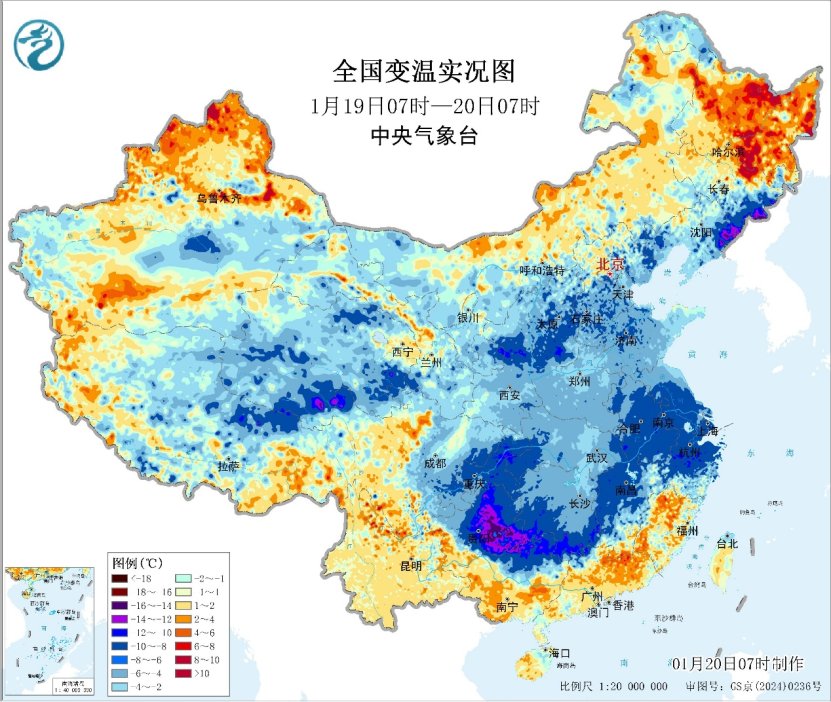
Core Viewpoint - A significant cold wave and precipitation event is affecting various regions in China, leading to notable temperature drops and potential impacts on transportation and energy sectors [1][3][5][7] Group 1: Weather Conditions - On January 19, areas including central and eastern Gansu, southern Shaanxi, southern Shanxi, and parts of Henan and Shandong experienced significant snowfall or sleet, with precipitation levels reaching 18-22 millimeters in places like Zhumadian, Liu'an, and Fuyang [1] - On January 20, temperatures dropped by 8-10°C in parts of Jiangsu, Anhui, Shanghai, and Zhejiang, with eastern Guizhou experiencing drops of 12-16°C [1][3] - From January 20 to 21, regions such as southeastern Hubei, central and northern Hunan, and northwestern Jiangxi are expected to see moderate to heavy snow, while areas in central and eastern Guizhou and southern Hunan may experience freezing rain [5] Group 2: Warnings and Recommendations - The Central Meteorological Observatory issued blue alerts for cold waves and strong winds, as well as yellow alerts for freezing conditions, predicting temperature drops of 4-6°C across various regions [3] - Experts warn that the extensive cold wave and precipitation could lead to icy conditions on roads and power lines, adversely affecting transportation and energy supply [7] - Public safety measures are advised, including precautions against carbon monoxide poisoning for those using coal heating indoors and general safety when traveling [7]

中央气象台发布寒潮蓝色预警:江西福建等地局地降温可达10℃以上
Yang Shi Wang· 2026-01-20 01:31
防御指南: 1、政府及有关部门按照职责做好防寒潮准备工作; 2、注意添衣保暖; 3、对热带作物、水产品采取一定的防护措施; 4、做好防风准备工作。 央视网消息:据中央气象台网站消息,中央气象台1月20日06时发布寒潮蓝色预警: 受寒潮影响,预计,1月20日08时至1月21日20时,江淮西部、江南东部和南部、西南地区东南部、华南等地将先后降 温4~6℃,其中,江西南部、福建西部、贵州南部、广西、广东北部等地部分地区降温可达8℃,局地降温可达10℃以 上。1月21日早晨,最低温度0℃线将南压至贵州南部-广西北部-江西南部-浙江南部一带。 ...
四问山东今年首轮大范围寒潮低温
Da Zhong Ri Bao· 2026-01-20 00:59
Core Viewpoint - The recent cold wave in Shandong province has led to significant drops in temperature, with warnings issued for both cold waves and low temperatures, impacting daily life, agriculture, and energy supply [1][2][3]. Summary by Sections Cold Wave Severity - The cold wave has resulted in temperatures dropping below -10°C across most of the province, with specific areas experiencing even lower temperatures [2][4]. - The cold wave is characterized by a prolonged duration and significant temperature drops, with the lowest temperatures expected between January 21 and 22 [4]. Nature of Warnings - The simultaneous issuance of cold wave and low temperature warnings indicates both a sharp drop in temperature and a sustained period of low temperatures, increasing the risk of adverse effects [3]. Duration of Low Temperatures - The cold wave is expected to last longer than typical events, with temperatures remaining low through January 22, particularly during the "Four Nines" period, which is historically cold for the region [4][6]. Causes of Temperature Drop - The severe drop in temperature is attributed to a prolonged cold air mass and a significant temperature contrast following a period of unusually warm weather, where temperatures reached up to 17°C prior to the cold wave [5]. Future Temperature Predictions - Following the current cold wave, average temperatures in Shandong are expected to be slightly below normal from January 26 to February 10, with increased precipitation anticipated [6][7].
中央气象台四预警齐发 多地多部门积极应对寒潮
Ren Min Ri Bao· 2026-01-20 00:38
Core Viewpoint - The Central Meteorological Administration has issued multiple weather warnings due to a severe cold wave, snow, and ice affecting a wide range of regions in China, particularly in the central and southern areas [1][2]. Group 1: Weather Warnings and Impact - A yellow warning for cold wave, snow, and ice, along with a blue warning for strong winds, has been issued [1]. - The cold wave is driven by a strong cold air mass from Siberia, leading to significant temperature drops and complex precipitation patterns, including rain, sleet, and snow [1]. - The affected areas include Jianghuai, Jianghan, and Jiangnan, with heavy snow and freezing rain expected, particularly in Hunan and Guizhou, where freezing rain could reach 5-10 millimeters [1]. Group 2: Forecast and Response Measures - From January 20 to 21, the rain and snow in the southern regions are expected to gradually weaken, but low temperatures will persist until around January 23, when a noticeable temperature rise is anticipated [2]. - Emergency responses have been activated in several provinces, including Anhui and Henan, to address the impacts of the cold wave, with measures in place for road safety and supply stability [2][3]. - In Hunan, an emergency response has been initiated to ensure the transportation of essential goods and monitor infrastructure stability, while Guizhou has also mobilized emergency teams to inspect vulnerable areas [3].
先迎寒潮“冻”感来袭 后遇回南“潮”气逼人
Xin Lang Cai Jing· 2026-01-20 00:24
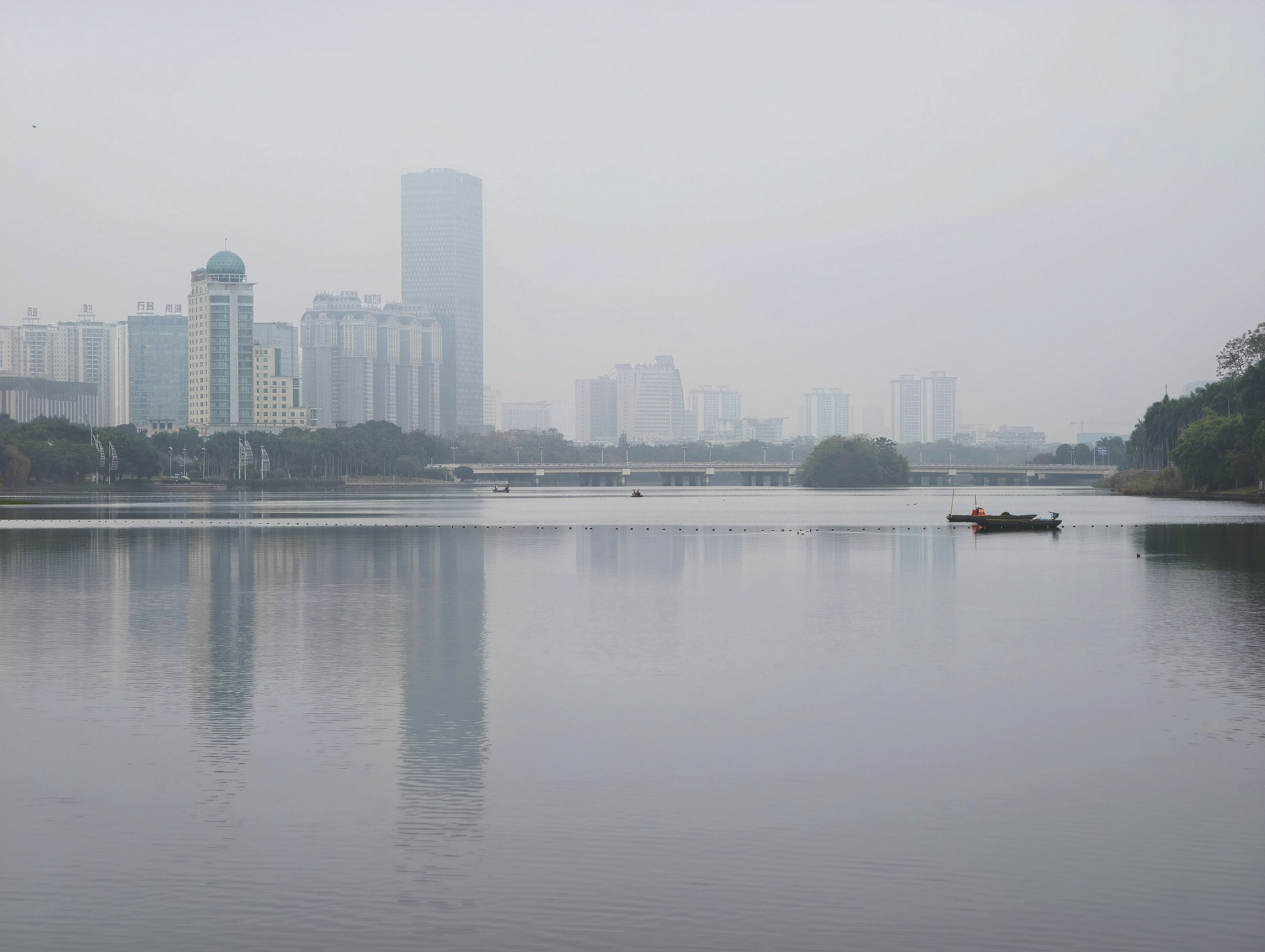
Summary of Key Points Core Viewpoint - A significant cold wave is impacting Guangxi, with temperatures dropping sharply, particularly in Nanning, where a temperature decrease of over 16°C is reported in some areas. This cold wave is expected to be followed by a rapid warming period known as "returning to southern weather" from January 24 to 26 [2][3]. Group 1: Weather Impact - The first major cold wave of 2026 has arrived in Guangxi, leading to severe temperature drops and the issuance of cold wave, snowstorm, and freezing weather warnings [2]. - Visibility issues due to fog have been reported across 13 cities in Guangxi, with Nanning, Laibin, and Guilin experiencing the most significant impacts [3]. - The temperature in Nanning is forecasted to drop from 19°C to 12°C during the day, with further drops expected in the following days [3]. Group 2: Future Weather Predictions - Following the cold wave, temperatures in Nanning are expected to rise quickly, with minimum temperatures between 14°C and 15°C and maximum temperatures between 21°C and 22°C from January 24 to 26 [3]. - The upcoming "returning to southern weather" is anticipated to be moderate to severe, prompting residents to prepare for increased humidity and potential dampness [3].
寒潮为何带来冻雨?专家详解入冬最强雨雪冰冻天气
Yang Shi Wang· 2026-01-19 23:10
Core Viewpoint - A significant cold wave is affecting most parts of China, bringing widespread low temperatures, rain, snow, and ice, with severe impacts particularly in southern regions [1][3][4] Group 1: Weather Impact - The cold wave began on January 17, with a drastic drop in temperatures, especially in southern regions like Hunan and Guizhou, which experienced freezing rain [1][3] - The Central Meteorological Administration issued multiple weather warnings, including a yellow alert for cold waves, freezing, and blizzards on January 18 [3] - The cold air system, originating from Siberia, is spreading southward, affecting a large area with significant temperature drops and prolonged cold conditions [3][4] Group 2: Rain and Snow Conditions - A complex precipitation pattern is expected, with rain, snow, and freezing rain occurring in various regions, particularly from the Qinling Mountains to the Huai River [4] - Areas such as Hubei, Anhui, Jiangxi, Hunan, and Guizhou are forecasted to experience significant freezing rain, with accumulations of 5 to 10 millimeters [4] Group 3: Future Weather Outlook - The rain and snow are expected to weaken between January 20 and 21, but low temperatures will persist until around January 23, when a noticeable warming trend is anticipated [5] - After January 23, temperatures in southern regions may return to or exceed normal levels for this time of year, alleviating the severe cold conditions [5] Group 4: Public Safety and Preparedness - Authorities are advising the public to be cautious of potential secondary risks from the cold wave, including icy roads, damage to electrical and communication infrastructure, and agricultural frost [5] - The China Meteorological Administration is coordinating with transportation and energy departments to ensure safety and manage increased heating demands due to the cold [5]
雨雪来袭 南京进入“湿寒”模式
Xin Lang Cai Jing· 2026-01-19 18:12
Group 1 - The core viewpoint of the article highlights the impact of a strong cold wave in Nanjing, leading to significant snowfall, freezing temperatures, and strong winds, with a yellow warning for road icing issued [1][2] - The cold air mass is expected to bring a transition to "wet cold" conditions in the Jiangnan region, with temperatures potentially reaching new lows for the season [1] - The forecast indicates that from January 20 to 24, the minimum temperatures will be between -3°C and -6°C, with maximum temperatures around 0°C, resulting in severe freezing conditions [1][3] Group 2 - The weather forecast for January 20 shows moderate snow in the central and northern regions, with light rain and snow in other areas, and temperatures dropping significantly [3] - On January 21, the weather will be cloudy with severe freezing conditions, and temperatures will remain low, ranging from -5°C to -6°C [3] - The weather on January 22 is expected to transition from cloudy to clear, with continued severe freezing and temperatures between -5°C and -6°C [3]
本轮雨雪冰冻天气迎最强时段
Xin Lang Cai Jing· 2026-01-19 18:11
Core Viewpoint - The article discusses the severe weather conditions in China, including a cold wave, heavy snowfall, and freezing rain, and compares the current situation to the 2008 winter disaster, indicating that while the impact is significant, it is not expected to reach the same severity as in 2008 [6][10]. Weather Warnings - The Central Meteorological Observatory issued three warnings: cold wave, heavy snowfall, and freezing rain, with a focus on regions like Henan and Hubei for heavy snowfall and Guizhou and Hunan for freezing rain [6][8]. - The cold wave began on January 17, with significant snowfall recorded in Beijing, where some areas experienced over 15 cm of snow [6][7]. Temperature Changes - From January 19 to 21, temperatures in the Yellow River and southward regions are expected to drop by 6°C to 10°C, with some areas experiencing drops of 10°C to 14°C, and localized drops exceeding 16°C [8][9]. - The freezing rain is anticipated to affect areas in Guizhou and Hunan, with expected precipitation of 1 mm to 3 mm, and localized areas receiving up to 8 mm [8][9]. Comparison to 2008 Disaster - The current weather conditions are compared to the 2008 disaster, which lasted nearly 20 days with multiple rounds of severe weather. The current cold wave's intensity and duration are expected to be less severe [10]. - The article notes that while the impact area is similar to 2008, the current cold wave is not expected to cause the same level of disruption [10]. Regional Focus - Special attention is drawn to Hunan and Guizhou, where freezing rain is expected to persist, and travel conditions may be hazardous due to icy roads [11]. - The overall weather conditions are expected to weaken by January 20 to 21, with temperatures gradually rising from January 23 onward [12].