乡村旅游

Search documents
国网北京电力推出“扫码共享用电”服务
Zhong Guo Neng Yuan Wang· 2025-09-24 09:29
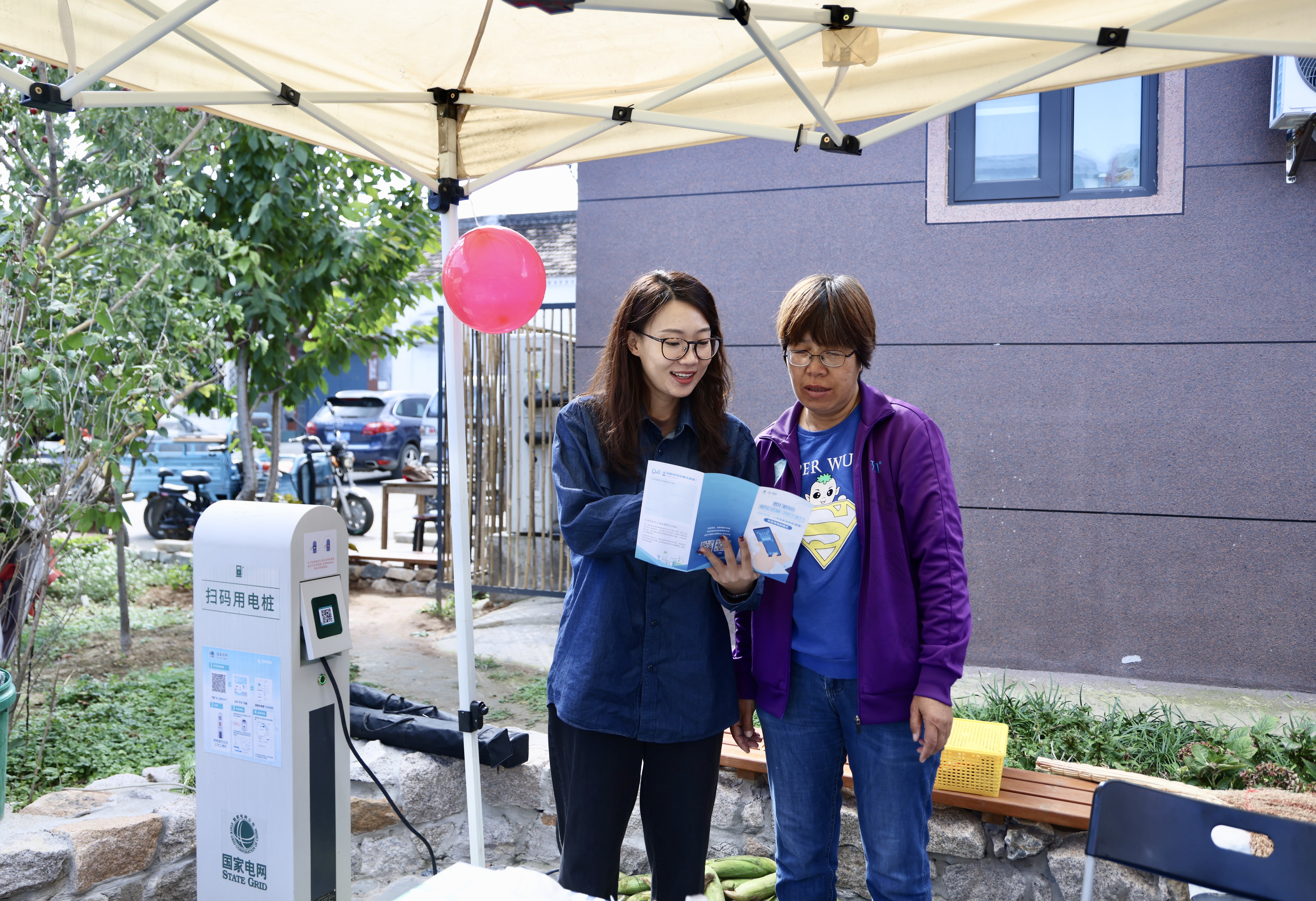
Core Viewpoint - The State Grid Beijing Electric Power has launched a "scan and share electricity" service, allowing users to access electricity conveniently without installation, promoting local economic activities in rural markets and tourist areas [2][3]. Group 1: Service Overview - The "scan and share electricity" service is designed to meet the short-term electricity needs of street vendors and rural tourism, addressing previous challenges of temporary power supply [2][3]. - The service features four main characteristics: no installation required, immediate use upon scanning, real-time billing, and instant payment [3]. Group 2: Implementation and Impact - The service has been implemented in various districts including Changping, Fangshan, Pinggu, and Huairou, with 65 sets of low-voltage "scan and share electricity" devices installed [2]. - The introduction of this service has improved the safety and convenience of electricity access for vendors, reducing reliance on unsafe power sources like extension cords and generators [3][6]. - The system utilizes a new generation of electricity information collection technology, enabling automatic measurement and real-time billing, ensuring users only pay for what they consume [6]. Group 3: User Experience - Vendors have reported increased efficiency and peace of mind using the service, as it allows for quick setup and operation of their equipment, enhancing their business operations [6]. - The service has contributed to a cleaner and safer market environment, benefiting both vendors and customers [6].

西藏那曲:湖光山色引客来
Jing Ji Ri Bao· 2025-09-19 13:30
Core Insights - The article highlights the growth of the tourism industry in the Wengbu community, particularly through the development of local accommodations like the Xingwang Hotel, which has seen significant improvements and increased visitor numbers [2][3][4] Group 1: Business Development - The owner of Xingwang Hotel, Suo Cheng, started the business in 2016 after recognizing a demand for lodging from tourists visiting the beautiful Dongre Yongcuo Lake [2] - In 2023, Suo Cheng's son, Yongzhong, invested 500,000 yuan (approximately 70,000 USD) to upgrade the hotel, with 300,000 yuan financed through a bank loan, which has since been repaid [2] - The hotel features unique "lake view" rooms named after local scenic spots, enhancing the guest experience and promoting local culture [2] Group 2: Tourism Growth - The hotel has received over 2,000 visitors in the previous year, generating an income of over 200,000 yuan (approximately 28,000 USD), with 80,000 yuan (approximately 11,000 USD) earned in the current year [3] - The Wengbu community has actively developed its tourism sector, attracting numerous visitors and enabling local residents to increase their income through tourism-related activities [3][4] - The Dongre Yongcuo scenic area was rated as a 4A-level tourist attraction in December 2023, and the community has received multiple accolades for its tourism development [4] Group 3: Infrastructure and Investment - During the 14th Five-Year Plan period, nearly 100 million yuan (approximately 14 million USD) was invested in tourism infrastructure and brand development in the Wengbu community [4] - The community currently has 315 households, with 26 family-run hotels and over 1,200 beds available for tourists, indicating a robust growth in local tourism capacity [4] - The local government emphasizes the importance of cultural heritage and ecological protection alongside tourism development, positioning the area as an ideal destination for both sightseeing and leisure [4]

稻田书香
Ren Min Ri Bao· 2025-09-16 01:21
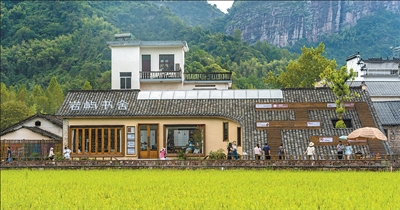
Core Viewpoint - The transformation of an old house into a reading space in Xiaotan Village, Huangshan City, Anhui Province, has attracted tourists, showcasing the integration of rural culture and tourism [2] Group 1 - The old house has been renovated into a reading space, enhancing the aesthetic appeal of the surrounding green rice fields [2] - Tourists are visiting the reading space for leisure activities, indicating a growing interest in rural tourism experiences [2]
(走进中国乡村)雁门关下文旅兴 长城古隘焕新机
Zhong Guo Xin Wen Wang· 2025-09-15 01:56
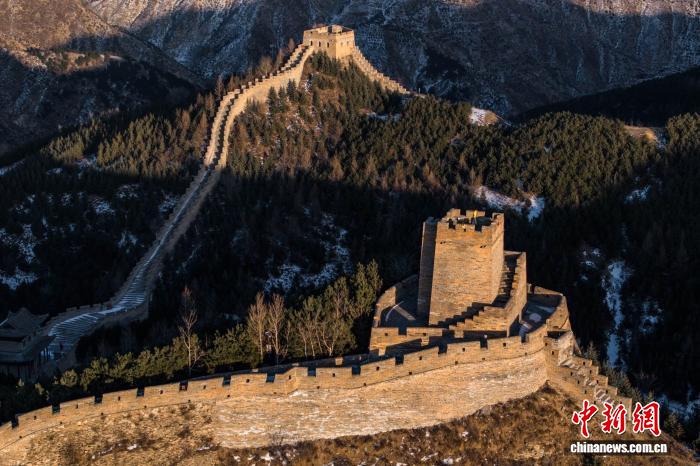
Core Insights - The article highlights the transformation of the Yanmen Pass scenic area in Shanxi Province, showcasing its historical significance and the revitalization of local tourism and economy through infrastructure development and cultural heritage preservation [1][2]. Group 1: Historical and Cultural Significance - Yanmen Pass is recognized as an important military defense structure and is referred to as "China's First Pass," controlling access to the Central Plains and the northern regions [2]. - The area has undergone significant restoration and development since 2009, turning from a poor, remote village into a comprehensive cultural tourism destination [2]. Group 2: Economic Impact on Local Community - The development of the Yanmen Pass scenic area has led to improved living conditions for local residents, with many finding employment in tourism-related services such as guiding and hospitality [4]. - Villagers have transitioned from traditional livelihoods to tourism, with one family reportedly earning over 100,000 RMB annually from their restaurant and guesthouse [5]. - The local community has actively participated in the preservation and promotion of the Great Wall, with families taking on roles that contribute to both tourism and heritage conservation [5]. Group 3: Tourism Growth and Visitor Engagement - The scenic area attracts a large number of visitors during holidays, offering various activities that enhance the tourist experience [4]. - The integration of local culture and history into tourism has been emphasized, with residents sharing stories and promoting the beauty of Yanmen Pass through social media [5].
(走进中国乡村)从“晒秋”到“售秋” 皖南古村文旅焕新机
Zhong Guo Xin Wen Wang· 2025-09-14 04:46
Core Insights - The article discusses the transformation of rural tourism in Tawan Village, Anhui Province, from traditional autumn harvest activities to a more diversified and year-round tourism model, driven by local entrepreneurs [1][2]. Group 1: Business Development - Local entrepreneur Sun Min has created a multi-functional aesthetic space that combines cultural creativity, intangible heritage experiences, and a bookstore café, generating an average monthly revenue of nearly 150,000 RMB since its soft opening in February [2]. - The village has seen a rise in unique products that incorporate local elements, such as chestnuts in coffee and decorative items made from local seeds, enhancing the tourist experience [2][5]. - The village's tourism model is evolving to include activities throughout the year, such as tea picking in spring, fish lantern displays in summer, and rice wine brewing in winter, indicating a shift from seasonal to year-round tourism [2][5]. Group 2: Tourism Growth - Tawan Village has become a popular destination for tourists, with a projected total visitor count of 380,000 in 2024, driven by its picturesque scenery and cultural experiences [7]. - The local government has introduced various "autumn color+" tourism projects, including photography and art activities, which have attracted many artists and enthusiasts [5][7]. - The village's hospitality sector has expanded significantly, with over 70 households operating guesthouses and agritourism businesses, generating more than 30 million RMB in annual operating income [7].
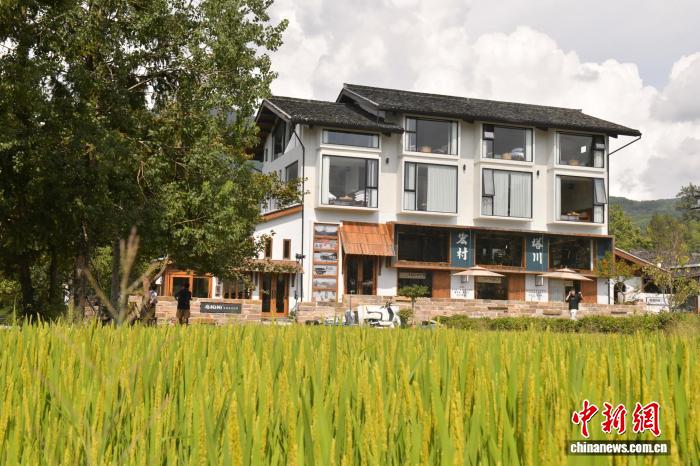
探访全国最大的白藏房群:当世界扑面而来
Zhong Guo Xin Wen Wang· 2025-09-12 07:15
Core Viewpoint - The article highlights the transformation of Xiangbala, a region in Sichuan's Ganzi Prefecture, into a vibrant cultural and tourism hub, showcasing the unique white Tibetan houses and the local community's engagement with visitors from around the world [2][6]. Group 1: Cultural Significance - Xiangbala, meaning "Buddha beads in hand" in Tibetan, is considered the core of China's Shangri-La ecological tourism area, once viewed as a utopia by the West [2]. - The white Tibetan houses, known for their historical and architectural value, are now being embraced by the local residents as they share their stories and traditions with tourists [2][6]. Group 2: Community Engagement - The local community, including the youth, is actively participating in tourism by transforming traditional houses into guesthouses and sharing their cultural heritage through various forms of art and storytelling [6][7]. - The younger generation, such as the character 洛绒泽仁, is taking on roles as guides and cultural ambassadors, helping to bridge the gap between local traditions and global visitors [5][7]. Group 3: Tourism Development - The region has seen an increase in tourism, with modern amenities and infrastructure making it more accessible, leading to a surge in visitors from around the world [6]. - Local accommodations, such as guesthouses, are in high demand during peak tourist seasons, indicating a thriving tourism economy [6].

河北邢台茶旧沟:石韵茶香迎客来
Zhong Guo Xin Wen Wang· 2025-08-28 08:11
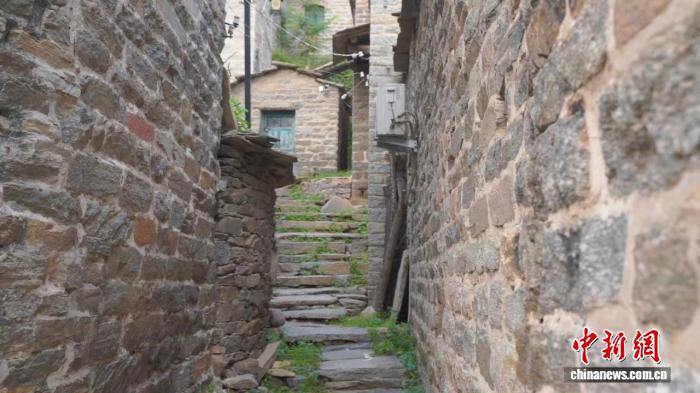
Core Viewpoint - Tea Jiugou Village, a traditional village in Hebei, China, has a rich history of over 400 years and is recognized for its well-preserved cultural heritage and natural beauty, making it an attractive destination for tourism and cultural education [1][4]. Group 1: Village History and Structure - Tea Jiugou Village is located in the Taihang Mountains and features a unique architectural style with stone walls and traditional courtyards, reflecting the craftsmanship of ancient builders [2][4]. - The village has been listed in the fifth batch of traditional Chinese villages and the first batch of national forest villages, highlighting its cultural significance [1][2]. Group 2: Tourism Development - The village has developed key tourism projects, such as the "Xingxiu" homestay, which incorporates local architectural styles and offers visitors a comfortable stay while experiencing the historical ambiance [2][5]. - The village's strategic location near major roads and attractions, such as the Xingtai Canyon rafting, has significantly boosted its tourism appeal and created job opportunities for local residents [5]. Group 3: Educational and Cultural Activities - Tea Jiugou Village attracts schools and art studios for educational trips, where students engage in traditional cultural practices, such as calligraphy, using the village's historical elements as inspiration [4][6]. - The village's traditional architecture and cultural elements serve as a backdrop for various learning experiences, enhancing the educational value of visits [4].
河北保定:民宿电气化改造赋能乡村旅游高质量发展
Xin Hua Cai Jing· 2025-08-27 09:29
Core Insights - The article highlights the transformation of rural tourism in Hebei Province, particularly through the electrification of homestays, enhancing visitor experiences and promoting sustainable development [1][2]. Group 1: Electrification of Homestays - In Baoding City, rural homestays are undergoing electrification to provide a comfortable living environment, contributing to high-quality rural tourism [1]. - Bai Shikou Village has implemented green electrical appliances, resulting in increased visitor satisfaction due to improved cleanliness and comfort [1]. - The local power company has customized power supply plans for each homestay, ensuring efficient electricity use and enhancing the overall environment [1]. Group 2: Increased Tourist Demand - The peak summer tourist season has seen a rise in bookings for homestays in Luotuowan Village, with the local power company conducting regular checks on electrical systems to ensure safety [2]. - In Hu Shan Village, the transformation of abandoned houses into unique homestays has revitalized local resources and increased income for villagers [2]. - The local power department has upgraded the electrical infrastructure, including the construction of 32 kilometers of new 10 kV lines and the addition of a 200 kVA transformer to support the growing electricity demand from tourism [2].
“马颊河重现了那股子灵动劲儿”
Ren Min Ri Bao· 2025-08-24 08:08
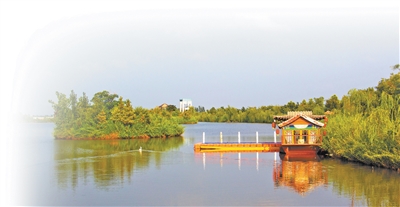
Core Viewpoint - The revitalization of the Majia River has transformed the rural economy of Xue Zhuang Village, leading to the development of tourism and improved livelihoods for local residents [2][6]. Group 1: Environmental Restoration - The Majia River was once a vital resource for Xue Zhuang Village but suffered from pollution due to industrial waste in the 1990s [2]. - Since 2012, environmental regulations have improved, leading to a significant reduction in pollution and a gradual recovery of the river's ecosystem [2]. - A comprehensive restoration project initiated in 2016 has resulted in three rounds of dredging, restoring the river's clarity and promoting biodiversity [2][3]. Group 2: Tourism Development - The completion of the 516 Provincial Road has provided an opportunity for the village to develop rural tourism, leveraging the revitalized river as a key attraction [4]. - The "Impression·Da Xue Zhuang" scenic area was established, featuring various tourist facilities, and attracted 175,000 visitors during the 2019 National Day holiday [5]. - The village has hosted events such as fishing competitions and water sports, further enhancing its appeal as a tourist destination [5][6]. Group 3: Economic Impact - The tourism initiative has created over 300 jobs for local residents, significantly improving their economic conditions [6]. - Local businesses, such as restaurants and shops, have seen increased patronage, with some expanding to meet demand [6]. - The economic benefits of tourism have also extended to neighboring villages, fostering regional economic growth [6][7]. Group 4: Community Collaboration - The establishment of the "Red Rhythm Two Lakes Party Building Joint Body" has encouraged collaboration among three villages along the river, promoting joint development initiatives [7]. - A large-scale floating photovoltaic project has been developed, integrating renewable energy with tourism and aquaculture [7]. - The project aims to create a sustainable economic model that combines leisure, education, and environmental stewardship [7].
“马颊河重现了那股子灵动劲儿”(家乡的山水能生金)
Ren Min Ri Bao· 2025-08-18 22:31
Core Viewpoint - The revitalization of the Majia River in Xue Zhuang Village, Shandong Province, has led to the development of rural tourism, improving the local economy and fostering collaboration among surrounding villages [2][3]. Group 1: Environmental Restoration - The Majia River, once polluted due to industrial waste, has undergone significant environmental restoration since 2012, with a comprehensive governance project initiated in 2016 [3][4]. - The river's water quality has improved dramatically, leading to a resurgence of local wildlife and a return of recreational activities along the riverbanks [3][4]. Group 2: Rural Tourism Development - Xue Zhuang Village has leveraged its ecological resources to develop rural tourism, with the river serving as a key attraction [4][5]. - The "Impression·Da Xue Zhuang" scenic area was established, attracting 175,000 visitors during the 2019 National Day holiday, showcasing the potential for tourism growth [4][5]. - The village has hosted various events, such as fishing competitions and water sports, further enhancing its appeal as a tourist destination [4][5]. Group 3: Economic Impact - The development of tourism has created job opportunities for over 300 villagers, significantly improving their livelihoods [5][6]. - Local businesses, such as restaurants and shops, have flourished due to increased tourist traffic, with some establishments expanding to meet demand [5][6]. - The collaboration among neighboring villages has led to the establishment of a joint economic initiative, integrating resources for sustainable development [6].