
社区治理

Search documents
社区治理,不容易
Hu Xiu· 2025-05-08 04:18
Core Viewpoint - The article discusses the differences in policy positioning and resource allocation between two districts (A and B) in Guangzhou, highlighting how these differences impact community governance and the challenges faced by community workers in both areas [1][2]. Group 1: Policy Positioning and Resource Allocation - District A is designated as a national-level new area and free trade pilot zone, receiving significant policy support and funding, while District B is positioned as an important transportation hub with less favorable resource allocation [1]. - The disparity in policy support leads to different experiences in community funding, with District A's communities reporting budget surpluses, while District B's communities face funding shortages and delays in performance payments [3][4]. Group 2: Community Governance Challenges - Community governance in District A is characterized by a higher number of staff and resources, yet both districts primarily focus on completing tasks assigned by higher authorities, showing no significant difference in governance outcomes despite resource disparities [5][6]. - The lack of motivation for innovation in community governance is attributed to a rigid evaluation mechanism, limited promotion opportunities, and a growing disconnect between community workers and residents [7][8][9]. Group 3: Financial Autonomy and Innovation - The article highlights the challenges of financial autonomy for grassroots communities, where strict regulations limit the flexibility of fund usage, leading to underutilization of available resources [10][12]. - A new community charity fund initiative in District A aims to encourage resource mobilization, but bureaucratic hurdles and complex approval processes hinder effective use of these funds, resulting in a lack of genuine innovation in community governance [11][12][13]. Group 4: Recommendations for Improvement - The article suggests that higher authorities should consider granting more autonomy to grassroots communities to stimulate internal motivation and enhance governance capabilities, especially in rapidly changing economic environments [14].
“老铁议事会” 议定民生大小事 | 社区故事会
Chang Sha Wan Bao· 2025-05-07 23:34
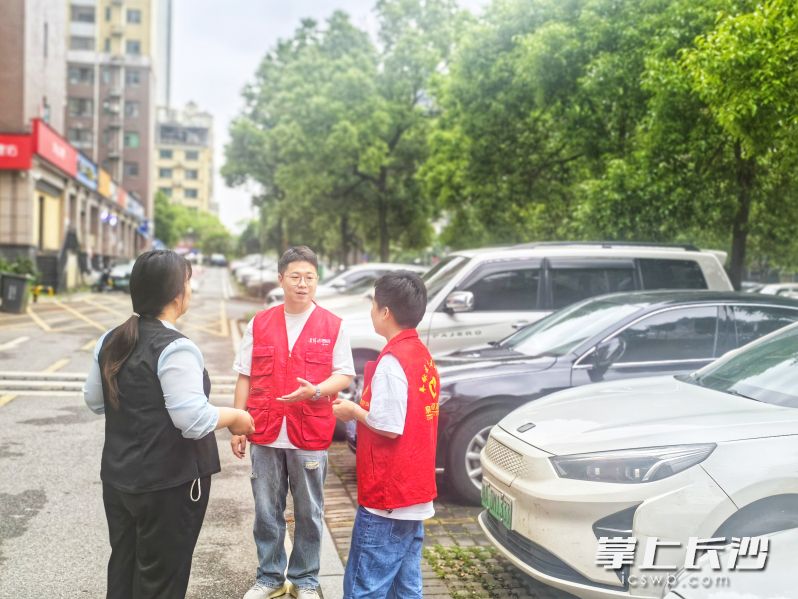
长沙晚报全媒体记者 颜家文 通讯员 栗稳 "老铁,我赞成!"4月26日晚8时,长沙县泉塘街道泉睿社区中国铁建国际城小区党支部会议室内灯火通明,一场 关乎居民切身利益的"老铁议事会"正热烈展开。 "老铁"每月来献智 "难就难在没有最广泛凝聚居民共识。"随着该小区全面实现党支部、业委会、物业公司"三个全覆盖",泉睿社区 指导该小区结合实际打造"4+4"治理模式:听邻里说事,一群热心"三长"把诉求领明白;聚邻里议事,一个"老铁 议事会"把大事说明白;帮邻里监事,一支廉泉监事队把过程督明白;向邻里亮事,一个云端公众号把结果晒明 白。 "老铁议事会"由此应运而生。"老铁"由社区工作人员、网格员、小区党员、业委会、物业、居民代表组成,名字 来源于中国铁建国际城小区名字中的"铁","老铁"更意味着关系亲近、办事牢靠。 位于小区一期的党支部办公室成了"老铁"们的议事场所。议事会明确,每月最后一个周末的周五晚8时准时开 会,特殊情况灵活变动,有时一月三四次。会议由小区党支部书记、业委会主任主持召开,议题主要针对小区的 重点、难点、堵点问题,大家群策群力,推进问题解决。 现场,20余名互称"老铁"的居民围坐在一起,就小区一期南门 ...

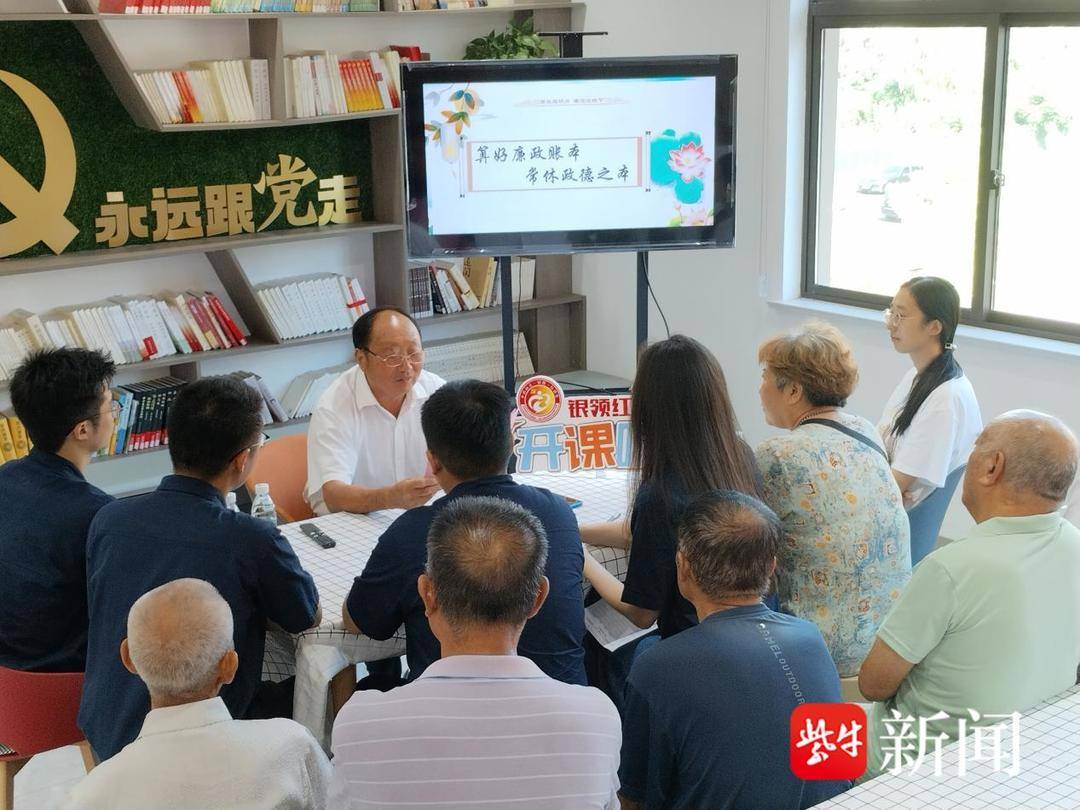
宝山创新党课形式 网友“求加更” 支部书记讲社区治理脱口秀
Jie Fang Ri Bao· 2025-04-30 01:58
现场发布了"先锋上海·宝山旗舰店"首批功能——街区治理赋能平台"慧治宝盒"。宝山区委组织 部、区委社会工作部推出"善治街区二十法",系统破解基层治理难题,为超大城市精细化治理提供"宝 山样本"。 在脱口秀环节,吴淞街道第三街区党支部副书记肖莉娜以"好声音工作法"为例,分享如何将商户 的"吐槽声"转化为治理的"指南针",通过"立体化发声—分级响应—资源整合—长效评估"四步,实现问 题从收集到解决的全程管理。 罗店镇美兰湖街区党支部书记许碧丽揭秘"达人挖掘术",通过"找人要准、练手要狠、搭伙要巧"三 段口诀,将探店博主、骑行达人转化为街区治理的"超级节点",串联起商户、居民、新就业群体的共治 生态。 在圆桌论坛环节,三位新任街区党支部书记抛出治理痛点:"信任危机如何破?""流动党员如何 管?""阵地资源如何活?"资深书记结合"善治街区二十法"现场支招:用好"破冰三件套""三找三亮工作 法""街邻社工作法""阵地转型法"。从痛点到解法再到行动,新老书记在"攻防"之间亮出了治理实招。 《上海支部生活》小红书账号"知不同学"和咪咕视频的直播间里,数万名网友直呼:"原来党课还 能这么上!""下期什么时候?求加更!" 宝山 ...
南通崇川经济开发区:“三色”润心,银龄生辉谱新篇
Yang Zi Wan Bao Wang· 2025-04-28 13:43
Core Viewpoint - The article emphasizes the active role of retired cadres in community service and governance, highlighting their contributions through various initiatives and programs aimed at enhancing grassroots engagement and addressing local issues [1][3][4]. Group 1: Initiatives and Programs - The Chongchuan Economic Development Zone has established over 10 "Silver Volunteer Lecture Teams" to promote theoretical education and community engagement, reaching over 500 participants through more than 20 events [3]. - The "Silver Age Warm Heart Project" integrates "Party Building + Cultural Elderly Care" to enrich the lives of retired cadres, resulting in over 100 community performances by various artistic teams [6]. - The development zone has created interactive spaces like "Silver Age Book House" and "Golden Autumn Pavilion" to facilitate community activities and enhance the sense of belonging among elderly residents [6]. Group 2: Community Engagement and Governance - Retired cadres are encouraged to join the "Silver Age Red Steward" team to address community concerns, successfully resolving 18 key local issues and fulfilling 5 community wishes [4]. - The initiative includes platforms for discussion and collaboration on local governance, focusing on issues such as dispute mediation and community care [4]. - The development zone has launched 13 volunteer service teams, conducting over 30 activities aimed at poverty alleviation and promoting new social values [4].
萧山北干街道:创新基层监督机制
Hang Zhou Ri Bao· 2025-04-22 02:10
Core Insights - The article discusses the implementation of a special supervision action in multiple communities within the Beigan Street area, focusing on "risk prevention + livelihood protection" to enhance grassroots governance efficiency [1] Group 1: Community Supervision Actions - The Fengqing Kexin Community's supervision station focuses on the full-cycle management of community partnership projects, conducting special inspections on key aspects such as the fulfillment of cooperation agreements, public space usage, and public funds management [2] - The Changyin Community's supervision station discovered water accumulation hazards in the underground parking lot during routine inspections and quickly coordinated with property management to rectify the issue [2] - The Yangshi Community's supervision station initiated a "safety whistleblower" mechanism to address issues like unauthorized electrical wiring and missing fire safety facilities at construction sites, collaborating with the street's emergency fire station to issue rectification notices [2] Group 2: Innovative Supervision Mechanisms - The community supervision stations have established a closed-loop management system that integrates problem discovery, rectification supervision, and effectiveness tracking [3] - The street plans to promote successful experiences and deepen the "dual-track advancement" model, aiming to integrate grassroots supervision with livelihood services for a safer and more harmonious community environment [3]