
反腐败斗争

Search documents
省委召开常委会(扩大)会议暨党风廉政建设责任制领导小组会议传达学习习近平总书记在二十届中央纪委五次全会上的重要讲话精神 听取部分市厅级党委(党组)书记述责述廉
Shan Xi Ri Bao· 2026-01-17 02:33
Group 1 - The core message emphasizes the importance of implementing Xi Jinping's strategic directives for strict party governance and anti-corruption efforts, particularly in the context of achieving socialist modernization [1] - The meeting highlighted the need to integrate Xi Jinping's thoughts on party construction and self-revolution with the implementation of the "five further improvements" to ensure effective governance and accountability [1][2] - There is a strong focus on enhancing political education among party members to promote high-quality development and address public welfare issues such as employment, education, and healthcare [2] Group 2 - The meeting included accountability reports from various city and departmental leaders, with evaluations conducted by Zhao Yide, indicating a commitment to transparency and responsibility within the party [3] - Emphasis was placed on the continuous improvement of work styles and the eradication of corruption, particularly in key areas affecting the public [2] - The necessity of tightening responsibility chains and ensuring that all levels of leadership are held accountable for the implementation of strict party governance measures was underscored [2]
新华社评论员:反腐败是一场输不起也决不能输的重大斗争——学习贯彻习近平总书记在二十届中央纪委五次全会重要讲话精神
Xin Hua She· 2026-01-17 01:13
新华社北京1月16日电 题:反腐败是一场输不起也决不能输的重大斗争——四论学习贯彻习近平总 书记在二十届中央纪委五次全会重要讲话精神 新华社评论员 更加清醒坚定地推进反腐败斗争,就要把握腐败的新动向新特点,不断提升治理腐败问题的能力。 从"白手套"到"局外人",从"影子公司"到"逃逸式辞职"……新型腐败和隐性腐败在作案方式和手法上伪 装变异、花样翻新,但以权谋私、违纪违法的本质没有变,污染政治生态、破坏发展环境的危害更严 重,必须坚决惩治。必须弘扬斗争精神、提高斗争本领,创新手段方式,完善反腐败责任落实机制,及 时发现、准确识别、有效治理各类腐败问题,不断提高反腐败穿透力,真正做到"魔高一尺,道高一 丈"。 一体推进不敢腐、不能腐、不想腐,是反腐败斗争的基本方针,也是新时代全面从严治党的重要方 略。"不敢"是前提,"不能"是关键,"不想"是根本,三者构成相互依存、相互促进的有机整体,必须统 筹联动,增强总体效果。更加清醒坚定地推进反腐败斗争,就要在一体推进上下更大功夫,强化系统观 念,加强联动配合,把各方面监督贯通起来,以全链条协作促进一体化治理。把不敢腐的强大震慑效 能、不能腐的刚性制度约束、不想腐的思想教 ...
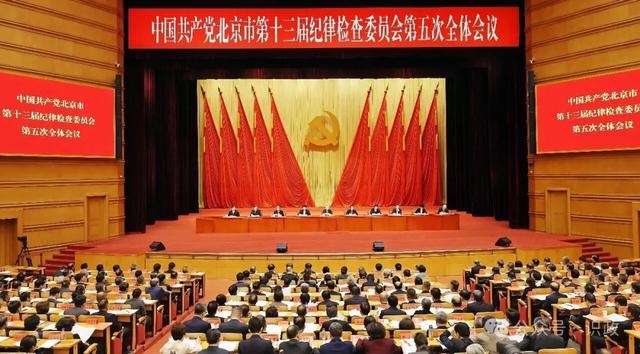
中国共产党北京市第十三届纪律检查委员会第五次全体会议决议
Bei Jing Ri Bao Ke Hu Duan· 2026-01-16 21:07
Core Viewpoint - The Beijing Municipal Discipline Inspection Commission's fifth plenary session emphasizes the importance of strict party governance and anti-corruption measures to support the realization of socialist modernization in Beijing by 2026 [1][2][4]. Group 1: Meeting Overview - The plenary session was attended by 52 members of the Municipal Discipline Inspection Commission and 245 attendees, with key speeches from municipal leaders [1]. - The meeting focused on summarizing the work of 2025 and outlining tasks for 2026, guided by Xi Jinping's thoughts and the spirit of the 20th National Congress [1][2]. Group 2: Key Achievements and Future Tasks - In 2025, significant progress was made in party discipline and anti-corruption efforts, with a focus on political supervision and the implementation of central policies [3]. - The session highlighted the need for continuous education on the central eight regulations and the importance of addressing "Four Winds" issues to maintain a clean political environment [5][6]. Group 3: Strategic Focus Areas - The session outlined six strategic areas for 2026, including enhancing political supervision, promoting anti-corruption measures, and ensuring the implementation of the "14th Five-Year Plan" [4][5][6]. - Emphasis was placed on integrating public expectations into governance and maintaining strict oversight of power to prevent corruption [4][6]. Group 4: Strengthening Mechanisms - The meeting called for the establishment of a robust mechanism for anti-corruption, emphasizing the need for a unified leadership structure and effective collaboration among various departments [6][7]. - It was noted that enhancing the capabilities of supervisory bodies and ensuring compliance with legal standards are crucial for the high-quality development of discipline inspection work [7].
新华社评论员:反腐败是一场输不起也决不能输的重大斗争——四论学习贯彻习近平总书记在二十届中央纪委五次全会重要讲话精神
Xin Hua She· 2026-01-16 14:49
Core Viewpoint - The fight against corruption is a critical struggle that cannot be lost, as emphasized by General Secretary Xi Jinping during the Fifth Plenary Session of the 20th Central Commission for Discipline Inspection, highlighting the Party's unwavering commitment to strict governance and anti-corruption efforts [2] Group 1: Anti-Corruption Strategy - Corruption is identified as the greatest threat faced by the Party, and the anti-corruption campaign is described as a thorough self-revolution [2] - Since the 18th National Congress, the Party has made significant progress in anti-corruption efforts, employing various strategies such as "tiger hunting," "fly swatting," and "fox hunting" to achieve overwhelming victories [2] - The Party has successfully established a unique path for anti-corruption in China, characterized by centralized leadership and a comprehensive approach to prevent corruption [2][3] Group 2: Current Challenges and Requirements - The current anti-corruption landscape remains severe and complex, with new challenges and issues continuously emerging, necessitating a persistent and resilient approach to governance [3] - The Party must maintain a high-pressure stance against corruption, ensuring that all corrupt activities are addressed without exception [3][4] - There is a need to clarify misconceptions and maintain a clear understanding of the anti-corruption struggle, avoiding complacency and fatigue [3] Group 3: New Trends in Corruption - New forms of corruption and hidden corruption are evolving, requiring enhanced capabilities to identify and address these issues effectively [4] - The fundamental approach to anti-corruption involves a comprehensive strategy that integrates deterrence, institutional constraints, and ideological education [4] - A coordinated effort is essential to strengthen the overall effectiveness of anti-corruption measures, ensuring that all aspects of supervision are interconnected [4] Group 4: Historical Perspective and Future Goals - Understanding the anti-corruption struggle requires a historical perspective and strategic vision, particularly in light of the new tasks and challenges facing the Party [5] - The year marks the beginning of the "14th Five-Year Plan" and the 105th anniversary of the Party, emphasizing the importance of continuous efforts in strict governance and anti-corruption to achieve national goals [5]
市纪委全会召开,尹力部署我市全面从严治党工作
Xin Lang Cai Jing· 2026-01-16 12:56
一要毫不放松强化 政治监督,确保党中央重大决策部署落实到位。围绕落实党中央决策部署、 实现 "十五五"时期目标任务,紧盯优化提升首都功能、深化京津冀协同发展、推动高质量发展、全面深化改 革开放、推进共同富裕、加强生态环境保护、统筹发展和安全等重点工作,加强具体化、精准化、常态 化监督检查。把树立和践行正确政绩观作为监督的重要内容,推动党员干部始终干在实处、务求实效。 加强对中央巡视和中央生态 环境保护 督察反馈 问题 整改情况的监督检查,以整改实效促进工作整体提 升。严明政治纪律和政治规矩 , 严防 "七个有之"。严查选人用人方面的不正之风和腐败问题,真正把 忠诚可靠、表里如一、担当尽责的好干部选出来、用起来。 二要毫不放松 贯彻中央八项规定精神, 扎实 推进作风建设常态化长效化。坚持党性党风党纪一起抓, 常态化开展政治忠诚、理想信念和纪律作风教育,引导党员干部以坚强党性涵养优良作风。 从严从实 纠治 "四风",深化整改整治。各级党组织要定期研究作风建设,完善经常性发现问题、解决问题机 制。狠抓群众身边不正之风和腐败问题集中整治,下更大力气惩治"蝇贪蚁腐"。聚焦就业、社保、住 房、医疗、执法司法等领域深化治理 ...

习近平总书记在二十届中央纪委五次全会上的重要讲话引发热烈反响
Yang Shi Xin Wen Ke Hu Duan· 2026-01-16 01:21
Group 1 - The core message emphasizes the significant achievements in strict governance of the Party over the past year, with a strategic deployment to ensure the goals of the "14th Five-Year Plan" are met [1][3] - The importance of adhering to and strengthening the Party's overall leadership is highlighted, with a call for higher standards and more effective measures in promoting strict governance and anti-corruption efforts [3][5] - The necessity of putting power into a system of checks and balances is stressed, focusing on improving institutional regulations and enhancing enforcement to ensure effective governance [11][14] Group 2 - Local officials are urged to implement the General Secretary's directives by fulfilling their supervisory responsibilities and ensuring the implementation of major decisions made by the Party Central Committee [7][24] - The emphasis on selecting loyal and capable officials during local elections is noted, with a focus on maintaining high standards for political integrity and performance [9] - The need for innovative approaches in anti-corruption efforts is discussed, particularly in identifying and addressing new trends and characteristics of corruption at the grassroots level [16][18][20]
奋进开局之年 | 认真学习全会精神 坚决抓好贯彻落实
Zhong Yang Ji Wei Guo Jia Jian Wei Wang Zhan· 2026-01-16 00:24
习近平总书记在二十届中央纪委五次全会上强调,要保持高压态势不动摇,有腐必反、有贪必肃、除恶 务尽,让腐败分子没有藏身之地。作为一名纪检监察干部,要深刻把握"两个仍然"的重大判断,始终保 持高压态势不动摇,一步不停歇、半步不退让,丰富惩治方法,及时发现、准确识别、有效治理各类腐 败问题,进一步拓展反腐败斗争深度和广度。要把各方面监督贯通起来,在"室组"联动监督、"室组 地"联合办案等机制上持续发力,在线索移送、案件管辖、监督检查、审查调查、以案促改促治等方面 加强深度协作,形成强大监督合力。(云南省纪委监委干部 陈浩) 习近平总书记在二十届中央纪委五次全会上,对更加清醒坚定地推进反腐败斗争作出战略部署,为持续 深化群众身边不正之风和腐败问题集中整治提供了根本遵循。2026年,我们将围绕"强化执纪执法为 民"这一部署,在激发内生动力上持续加压发力,用好预警机制,进一步健全责任联动体系;在惩治贯 通推进上持续加压发力,既清"蓝藻",又除"淤泥",不断增强治理腐败综合效能;在推动深挖实改上持 续加压发力,有序有力有效推进农村集体"三资"管理、医保基金管理等整治工作,用心用情用力办好民 生实事,不断增强群众获得感、幸福 ...
壹视界·微视频丨党员干部如何拒腐防变?总书记讲述的三个故事引深思
Xin Lang Cai Jing· 2026-01-15 14:20
03:07 1月12日,习近平总书记在二十届中央纪委五次全会上发表重要讲话。 习近平总书记强调,腐败是党和国家事业发展进程中的拦路虎、绊脚石,反腐败是一场输不起也决不能 输的重大斗争。 新时代以来,推进全面从严治党和反腐败斗争力度之大前所未有,成效有目共睹。但当前反腐败斗争形 势仍然严峻复杂,铲除腐败滋生土壤和条件任务仍然艰巨繁重。 党员干部如何守住拒腐防变防线?保持敬畏心,保持平常心,保持责任心——总书记讲述的三个故事引 人深思,蕴含着对广大党员干部的殷殷嘱托。 来源:人民日报客户端 ...
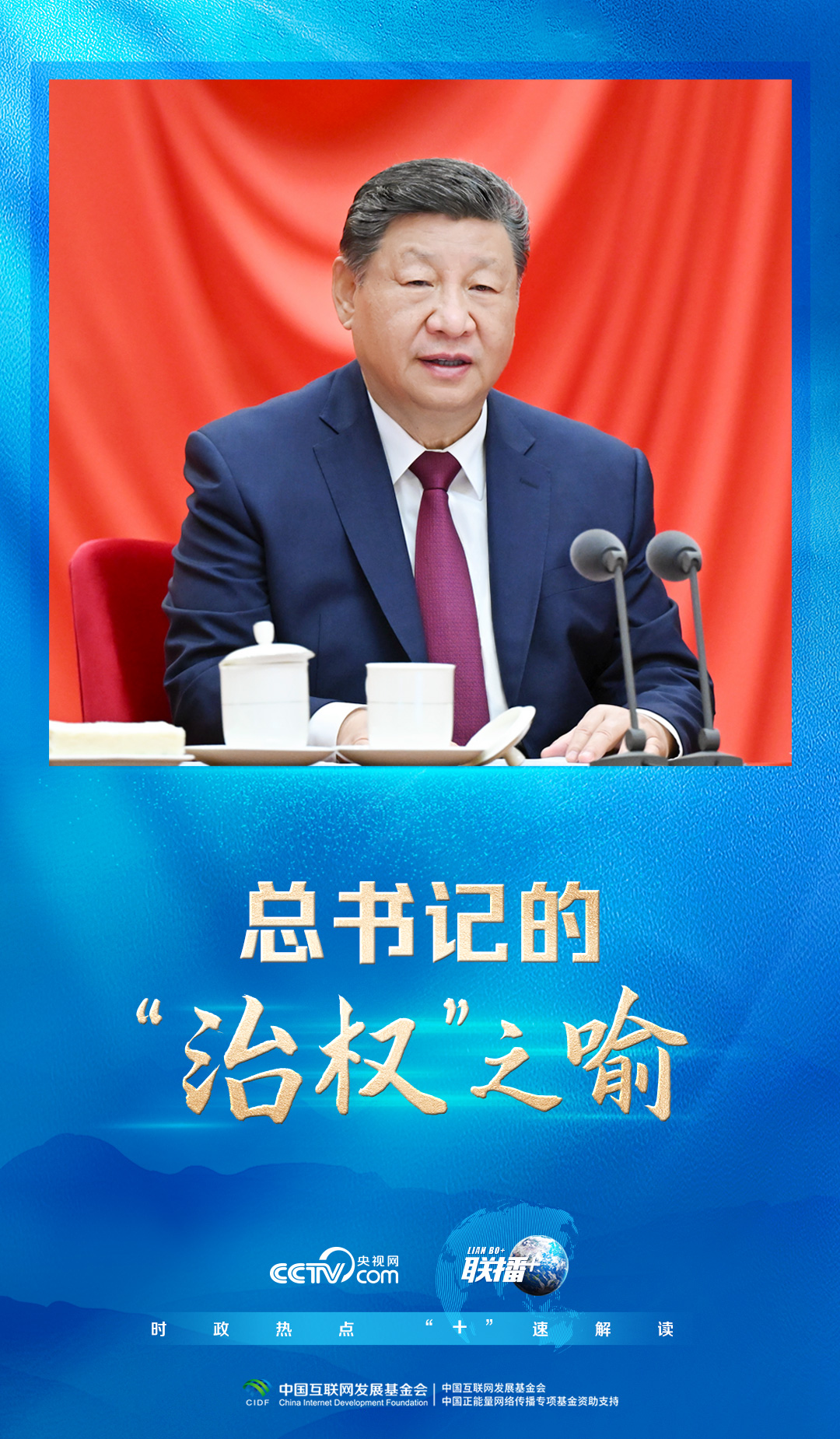
总书记的“治权”之喻
Yang Shi Wang· 2026-01-15 09:35
书记的 T ll 11 > 1月12日,习近平总书记在中国共产党第二十届中央纪律检查委员会第五次全体会议上发表重要讲话。总书记强调,"党的自我革命重在治权,把权力关进 制度笼子是新时代全面从严治党的一项重要任务","要进一步提高党务、政务的透明度,让权力在阳光下运行"。 "权力是一把双刃剑",腐败的本质就是权力滥用。要打赢反腐败这场"输不起也决不能输的重大斗争",必须规范权力运行,重点就在治权。 习近平总书记指出,"没有健全的制度,权力没有关进制度的笼子里,腐败现象就控制不住","把权力关进制度的笼子里,就是要依法设定权力、规范权 力、制约权力、监督权力"。 总书记以"笼子"喻制度,意在强调制度之笼对权力,特别是对滥用权力的约束。 以制度之笼束权,首要工作是把笼子扎紧建好。 事实上,制约权力的笼子一直存在。但由于笼子空隙过大或存在设计缺陷,致使权力能够轻易从笼内蹿出,就仿佛"牛栏关猫"。因此,想要有效约束权 力,就需要编织材质更为坚实、结构更加合理的制度之笼。 在本次讲话中,总书记强调"要不断完善制度规定,使制度密而不繁、有效管用"。 中央八项规定的制定实施,便是以制度之笼布局破题的典范。党的十八大以来,以习 ...
水利部党组学习贯彻习近平总书记在二十届中央纪委五次全会上的重要讲话精神
Shui Li Bu Wang Zhan· 2026-01-15 07:45
Group 1 - The meeting emphasized the importance of Xi Jinping's speech at the Fifth Plenary Session of the 20th Central Commission for Discipline Inspection, which provides fundamental guidance for advancing strict governance of the Party and anti-corruption efforts [1] - The meeting called for a deeper understanding of the "two establishments" and the enhancement of the "four consciousnesses," "four self-confidences," and "two safeguards" to ensure the implementation of the 14th Five-Year Plan for water resources development [1] Group 2 - The meeting required a stronger commitment to implement major decisions from the Central Committee, enhancing political responsibility and historical mission awareness, and focusing on the new development concept and high-quality development [2] - It stressed the need for effective institutional mechanisms to ensure power is regulated, emphasizing strict adherence to democratic centralism and improving the clarity and traceability of institutional mechanisms [2] - The meeting highlighted the importance of advancing the anti-corruption campaign, establishing mechanisms to address corruption and unhealthy practices, and fostering a clean political environment [2]