党的自我革命

Search documents
以更高标准更实举措推进全面从严治党 为实现“十五五”时期目标任务提供坚强保障
Qi Huo Ri Bao Wang· 2026-01-13 00:53
习近平在二十届中央纪委五次全会上发表重要讲话强调 李强赵乐际王沪宁蔡奇丁薛祥出席会议 李希主持会议 习近平强调,贯彻落实党中央重大决策部署,是维护党中央权威和集中统一领导的根本要求,也是党和 人民事业不断发展进步的重要历史经验。"十五五"时期是基本实现社会主义现代化夯实基础、全面发力 的关键时期,各级党组织和广大党员、干部要增强政治责任感、历史使命感,以实际行动贯彻落实好党 的二十届四中全会各项决策部署。要紧紧围绕贯彻新发展理念、推动高质量发展、加快构建新发展格 局,聚焦建设现代化产业体系、因地制宜发展新质生产力、建设全国统一大市场、扩大高水平对外开 放、扎实推进全体人民共同富裕、常态化防止返贫致贫、化解地方政府隐性债务、加强生态环境保护、 统筹发展和安全等任务要求,加强具体化、精准化、常态化的监督检查,用好巡视成果、强化整改监 督,保障党中央重大决策部署落到实处。各地区各部门要结合实际,认真探索贯彻落实党中央重大决策 部署的有效方法和途径。今年地方将开始换届,要把真正忠诚可靠、表里如一、担当尽责的好干部用起 来。 习近平指出,党的自我革命重在治权,把权力关进制度笼子是新时代全面从严治党的一项重要任务。党 的 ...
以全面从严治党新成效为实现发展目标提供坚强保障
Shan Xi Ri Bao· 2026-01-13 00:34
Group 1 - The core message of Xi Jinping's speech emphasizes the importance of anti-corruption efforts as a critical struggle for the development of the Party and the country, highlighting that corruption is a significant obstacle [2] - The speech calls for a focus on key areas and individuals, advocating for precise and regular supervision to combat corruption and maintain discipline within the Party [2][3] - The need for a systematic approach to governance is stressed, with an emphasis on putting power within institutional constraints to ensure accountability and transparency [3][4] Group 2 - The speech outlines the necessity for continuous improvement in the standardization and legal framework of disciplinary inspection work, particularly in educational institutions [3] - It encourages local governments to enhance their supervisory systems and ensure that regulations are strictly followed, thereby promoting effective governance at the grassroots level [4] - The importance of integrating anti-corruption measures into all aspects of governance and education is highlighted, aiming for a solid foundation for future development [4]
经典常谈丨“这样的政党将是不可战胜的”
Zhong Yang Ji Wei Guo Jia Jian Wei Wang Zhan· 2026-01-13 00:34
Core Viewpoint - The emphasis on maintaining the purity and advanced nature of the Communist Party is crucial for its role as the leading core of socialism with Chinese characteristics, as highlighted by Xi Jinping's call for self-revolution and strict governance of the party [1][5]. Group 1: Historical Context and Theoretical Foundations - Engels articulated that a party aware of its goals and methods, possessing the necessary tenacity, is invincible, reflecting the importance of a clear purpose for a revolutionary party [1]. - Marx and Engels stressed the need for the purity of party members, emphasizing that only through revolution can outdated and corrupt elements be discarded, which is essential for rebuilding society [1][2]. - The Communist League's internal discipline and purity requirements were established, mandating that members align their personal conduct with organizational standards and adhere to communist beliefs [2]. Group 2: Organizational Discipline and Self-Criticism - The International Workingmen's Association's statutes warned against repeating past mistakes, highlighting the necessity of vigilance and self-criticism within the party [3][4]. - Marx noted that the proletariat's ability to learn from its mistakes is a valuable quality, and the party must engage in self-criticism to maintain its integrity and effectiveness [4]. - Lenin emphasized the importance of purging non-communist elements from the party, advocating for a rigorous membership review process to ensure the party's strength during critical times [4]. Group 3: Contemporary Relevance and Strategic Direction - The 20th Central Committee's Fourth Plenary Session underscored that effective party governance is essential for national strength, linking party discipline directly to economic and social development [5]. - Xi Jinping's innovative approach to self-revolution within the party is framed as a long-term strategy, focusing on problem orientation and maintaining strategic resolve to combat threats to the party's purity and advanced nature [5].
坚定拥护“两个确立” 坚决做到“两个维护”——与会同志认真学习领会习近平总书记重要讲话精神
Zhong Yang Ji Wei Guo Jia Jian Wei Wang Zhan· 2026-01-13 00:33
Group 1 - The core message emphasizes the significant achievements in strict governance of the Party over the past year, highlighting the need for higher standards and practical measures to ensure the success of the "14th Five-Year Plan" [1][3] - The importance of political responsibility and historical mission is stressed, urging Party organizations and members to implement the decisions from the 20th Central Committee's Fourth Plenary Session [3][4] - The necessity for the discipline inspection and supervision agencies to lead by example in upholding the "Two Establishments" and "Two Safeguards" is highlighted, with a focus on political supervision and accountability [4][2] Group 2 - The speech calls for a deep understanding of the significance of the "Two Establishments" and the need for unity in thought, politics, and action with the Central Committee [2][4] - There is a strong emphasis on the role of discipline inspection agencies in ensuring the implementation of major decisions from the Central Committee, particularly in the context of the "14th Five-Year Plan" [2][4] - The need for continuous political supervision and the importance of aligning actions with the directives of the Central Committee are reiterated, particularly in key areas such as market construction and food security [4][2]
带头、“线头”与劲头(人民论坛)
Ren Min Ri Bao· 2026-01-12 23:21
整治违规吃喝,就是管党治党中一个重要"线头"。违规吃喝不仅败坏作风,也易滋生腐败,甚至可能衍 生出"小圈子""小团伙"等政治问题。2025年,中央层面公开通报河南罗山、湖北黄梅、安徽宿松等地个 别干部违规吃喝严重违反中央八项规定精神问题,形成强大震慑,有效促进全面从严治党整体工作。 岁末年初,两组关于中央八项规定的数据引人关注。 2025年前11个月,全国共查处违反中央八项规定精神问题251516起,党纪政务处分225347人。 2025年中国国际形象全球调查报告显示,近七成国外受访民众对中国共产党深入贯彻中央八项规定精神 等全面从严治党理念和实践持肯定态度,认同"应该对执政党党员提出高于普通公民的要求"或"严格要 求"。 内外两个视角,彰显八项规定除弊成效和深远影响。在二十届中央纪委五次全会上,习近平总书记指 出:"党的十八大后,党中央以制定实施中央八项规定开局破题,立铁规矩、强硬约束,推动党风政风 焕然一新。"中国共产党为什么总能找到治顽疾、解难题的那把钥匙?带头、"线头"、劲头三个关键 词,提供了思考角度。 有人说,"领导带头,万事不愁。"朴素话语道出深刻道理:不论是全面从严治党,还是干事创业,领导 干 ...
习近平在二十届中央纪委五次全会上发表重要讲话强调 以更高标准更实举措推进全面从严治党 为实现“十五五”时期目标任务提供坚强保障 李强赵乐际王沪宁蔡奇丁薛祥出席会议 李希主持会议
Shang Hai Zheng Quan Bao· 2026-01-12 18:35
中共中央总书记、国家主席、中央军委主席习近平12日上午在中国共产党第二十届中央纪律检查委员会 第五次全体会议上发表重要讲话。他强调,要坚持和加强党的全面领导,以更高标准、更实举措推进全 面从严治党,更加坚决有力地贯彻落实党中央重大决策部署,更加科学有效地把权力关进制度笼子,更 加清醒坚定地推进反腐败斗争,为实现"十五五"时期目标任务提供坚强保障。 中共中央政治局常委李强、赵乐际、王沪宁、蔡奇、丁薛祥出席会议。中共中央政治局常委、中央纪律 检查委员会书记李希主持会议。 ◎新华社北京1月12日电 习近平指出,2025年,党中央深入推进党风廉政建设和反腐败斗争,取得显著成效。强化政治监督,深 化政治巡视,有力保障党中央重大决策部署贯彻落实;扎实开展深入贯彻中央八项规定精神学习教育, 推动全党进一步改作风树新风;保持反腐败高压态势,推进风腐同查同治,深化整治群众身边不正之风 和腐败问题,着力铲除腐败滋生的土壤和条件。 习近平强调,贯彻落实党中央重大决策部署,是维护党中央权威和集中统一领导的根本要求,也是党和 人民事业不断发展进步的重要历史经验。"十五五"时期是基本实现社会主义现代化夯实基础、全面发力 的关键时期,各级 ...
以更高标准更实举措推进全面从严治党为实现“十五五”时期目标任务提供坚强保障
Xin Lang Cai Jing· 2026-01-12 16:56
新华社电 中共中央总书记、国家主席、中央军委主席习近平12日上午在中国共产党第二十届中央纪律 检查委员会第五次全体会议上发表重要讲话。他强调,要坚持和加强党的全面领导,以更高标准、更实 举措推进全面从严治党,更加坚决有力地贯彻落实党中央重大决策部署,更加科学有效地把权力关进制 度笼子,更加清醒坚定地推进反腐败斗争,为实现"十五五"时期目标任务提供坚强保障。 中共中央政治局常委李强、赵乐际、王沪宁、蔡奇、丁薛祥出席会议。中共中央政治局常委、中央纪律 检查委员会书记李希主持会议。 习近平指出,2025年,党中央深入推进党风廉政建设和反腐败斗争,取得显著成效。强化政治监督,深 化政治巡视,有力保障党中央重大决策部署贯彻落实;扎实开展深入贯彻中央八项规定精神学习教育, 推动全党进一步改作风树新风;保持反腐败高压态势,推进风腐同查同治,深化整治群众身边不正之风 和腐败问题,着力铲除腐败滋生的土壤和条件。 习近平强调,贯彻落实党中央重大决策部署,是维护党中央权威和集中统一领导的根本要求,也是党和 人民事业不断发展进步的重要历史经验。"十五五"时期是基本实现社会主义现代化夯实基础、全面发力 的关键时期,各级党组织和广大党员 ...
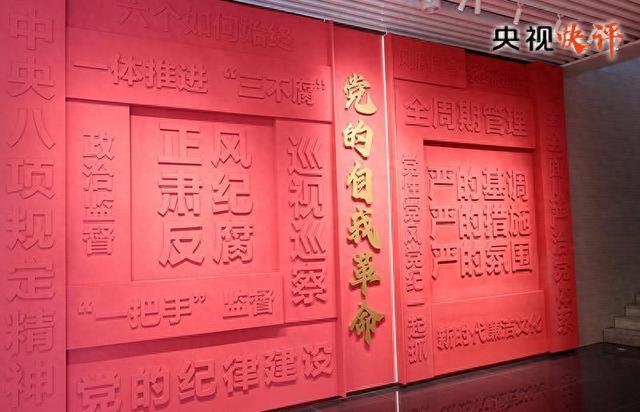
央视快评丨以更高标准更实举措推进全面从严治党
Xin Lang Cai Jing· 2026-01-12 15:53
转自:北京日报客户端 "要坚持和加强党的全面领导,以更高标准、更实举措推进全面从严治党,更加坚决有力地贯彻落实党 中央重大决策部署,更加科学有效地把权力关进制度笼子,更加清醒坚定地推进反腐败斗争,为实 现'十五五'时期目标任务提供坚强保障。"1月12日,习近平总书记在中国共产党第二十届中央纪律检查 委员会第五次全体会议上发表重要讲话。 习近平总书记深刻指出,"党的自我革命重在治权,把权力关进制度笼子是新时代全面从严治党的一项 重要任务。"各级党组织和广大党员、干部要增强政治责任感、历史使命感,坚持法规制度面前人人平 等、遵守法规制度没有特权、执行法规制度没有例外,确保制度规定真正成为"带电的高压线"。要保持 高压态势不动摇,有腐必反、有贪必肃、除恶务尽,让腐败分子没有藏身之地。要把握腐败的新动向新 特点,创新手段方式,完善反腐败责任落实机制,及时发现、准确识别、有效治理各类腐败问题,不断 提高反腐败穿透力。 党兴方能国强。全党要深入学习贯彻习近平总书记关于党的建设的重要思想、关于党的自我革命的重要 思想,自觉在思想上政治上行动上同以习近平同志为核心的党中央保持高度一致,认真履行全面从严治 党政治责任,树立和践 ...

一图速览习近平总书记二十届中央纪委五次全会重要讲话
Xin Hua She· 2026-01-12 15:31
图 速 览 习近平总书记 二十届中央纪委五次全会 重要讲话 1月12日,习近平总书记在二十届中 央纪委五次全会上发表重要讲话强调,以 更高标准、更实举措推进全面从严治党, 为实现"十五五"时期目标任务提供坚强 保障。一起学习领悟。 要坚持和加强党的全面领导,以 更高标准、更实举措推进全面从严治 党,更加坚决有力地贯彻落实党中央 重大决等部署, 更加科学有效他把权 力关进制度笼子,更加清醒坚定地推 进反腐败斗争,为实现"十五五"时 期目标任务提供坚强保障。 强化政治监督,深化政治巡视,有力 保障党中央重大决策部署贯彻落实; ■ 扎实开展深入贯彻中央八项规定精神 学习教育,推动全党进一步改作风树 新风: 贯彻落实党中央重大决策部署, 是维护党中央权威和集中统一领导的 根本要求,也是党和人民事业不断发 展进步的重要历史经验。 要紧紧围绕贯彻新发展理念、推动 高质量发展、加快构建新发展格局. 聚焦建设现代化产业体系、因地制 宜发展新质生产力、建设全国统一 大市场、扩大高水平对外开放、扎 实推进全体人民共同富裕、常态化 防止返贫致贫、化解地方政府隐性 债务、加强生态环境保护、统筹发 展和安全等任务要求,加强具体化、 精 ...

习近平在二十届中央纪委五次全会上发表重要讲话
国家能源局· 2026-01-12 12:07
李希在主持会议时指出,习近平总书记的重要讲话,充分肯定过去一年全面从严治党取得的显著成效,着眼基本实现社会 主义现代化关键时期,对以更高标准、更实举措推进全面从严治党,为实现"十五五"时期目标任务提供坚强保障作出战略 部署。讲话高屋建瓴、视野宏阔、思想深邃、内涵丰富,为深入推进全面从严治党和反腐败斗争提供了根本遵循。要深入 习近平在二十届中央纪委五次全会上发表重要讲话强调 以更高标准更实举措推进全面从严治党 为实现"十五五"时期目标任务提供坚强保障 李强赵乐际王沪宁蔡奇丁薛祥出席会议 李希主持会议 学习贯彻习近平总书记重要讲话精神,深刻领悟"两个确立"的决定性意义,增强"四个意识"、坚定"四个自信"、做到"两个 维护",认真履行全面从严治党政治责任,以永远在路上的坚韧和执着,坚定不移把党的自我革命向纵深推进。 中共中央总书记、国家主席、中央军委主席习近平12日上午在中国共产党第二十届中央纪律检查委员会第五次全体会议上 发表重要讲话。他强调,要坚持和加强党的全面领导,以更高标准、更实举措推进全面从严治党,更加坚决有力地贯彻落 实党中央重大决策部署,更加科学有效地把权力关进制度笼子,更加清醒坚定地推进反腐败斗争, ...