
丝路文化

Search documents
乌鲁木齐将再添文旅地标!新疆天山九鼎“丝路驼城”文商旅综合体项目奠基
Zhong Guo Jing Ji Wang· 2025-08-05 09:29
Group 1 - The "Silk Road Camel City" cultural and tourism complex project in Xinjiang has officially commenced, marking a significant development in the region's cultural tourism industry [1] - The project covers an area of 40.13 acres with an estimated investment of 238 million yuan, aiming to enhance the cultural tourism market in Urumqi [1] - Xinjiang Jiuding Commercial Logistics Group aims to achieve an annual output value of 100 billion yuan, leveraging the Silk Road Economic Belt's advantages and promoting a comprehensive tourism model [1] Group 2 - The project is themed around "Silk Road Culture" and features a giant bionic camel as its main IP, positioning itself as a key cultural tourism destination [1] - The company collaborates with Dalian Botao Culture to integrate innovative elements such as immersive experiences and digital tourism, revitalizing traditional culture [2]
石榴花开 籽籽同心丨用古韵新声讲述丝路繁华
Yang Shi Wang· 2025-07-30 02:34
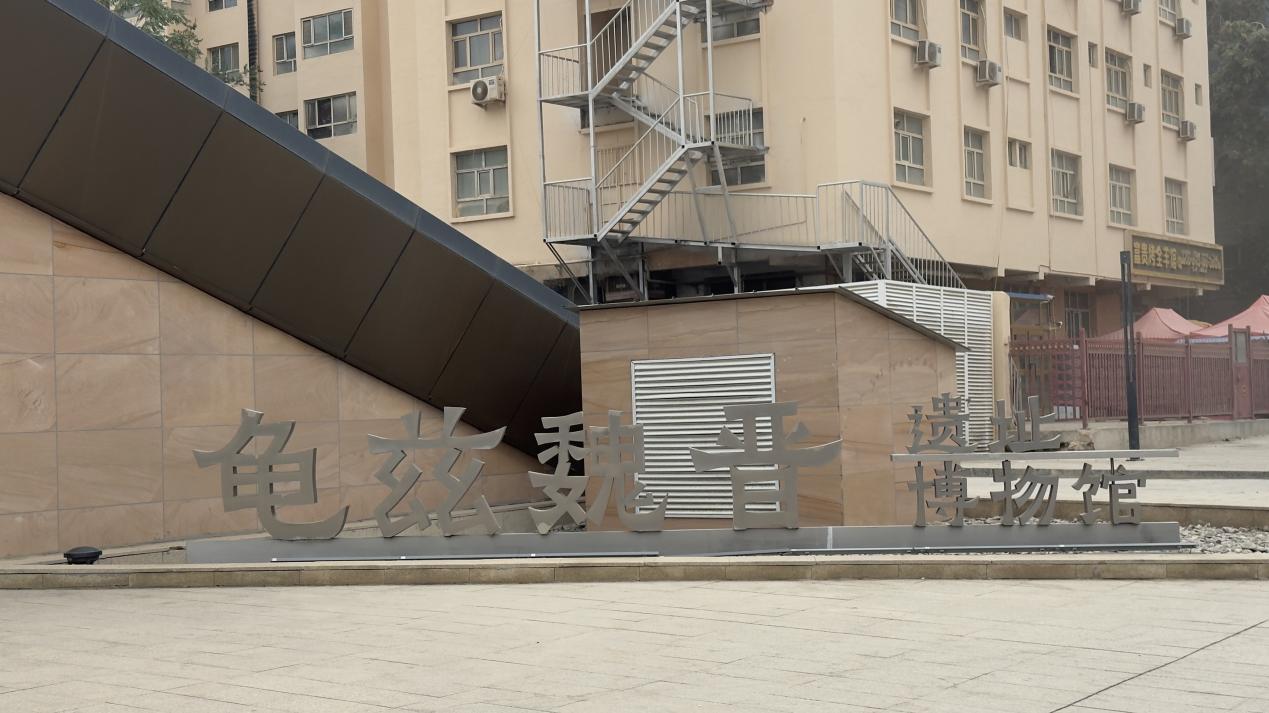
Core Insights - The Kucha Museum, located underground at a depth of 7 to 9 meters, showcases the rich history of the Kucha culture and its significance in the Silk Road, presenting a tapestry of Chinese civilization in the western regions [1][3] - The Kucha region was historically a vital hub for trade and cultural exchange along the Silk Road, rooted in the rich soil of Chinese civilization, as evidenced by numerous archaeological sites and cultural artifacts [3][5] Summary by Sections - **Cultural Significance**: The Kucha area served as the site for the Han and Tang Dynasties' "Western Region Protectorate" and "Anxi Protectorate," highlighting its role as a key center for trade and cultural interactions along the Silk Road [3] - **Archaeological Discoveries**: The Kucha Friendship Road ancient tomb group, discovered during construction, provides an excellent opportunity for the Kucha Wei-Jin Ancient Tomb Museum to showcase cultural heritage [5] - **Museum Experience**: The museum features a thoughtfully designed exhibition space where visitors can explore ancient tombs, view artifacts such as pottery and coins, and engage with digital displays that recreate historical scenes, offering an immersive experience [8] - **Cultural Exchange**: The museum emphasizes the Kucha region's role as a melting pot of diverse cultures, with artifacts demonstrating its deep roots in Chinese civilization while also reflecting the influences of various cultures [8]

丝路特展将亮相杭州
Hang Zhou Ri Bao· 2025-06-26 02:47
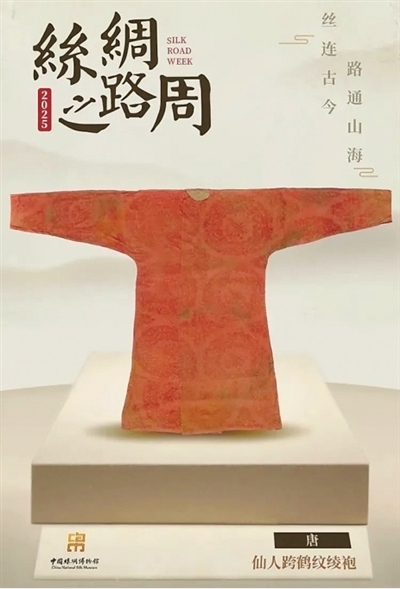
Core Points - The "2025 Silk Road Week" will open on July 11, with the theme "Silk Connects the Past and Present, Roads Link Mountains and Seas," inviting Brazil as the guest country and Inner Mongolia as the guest province [2] - A special exhibition titled "A Thousand Miles of Green—Silk Road of the 10th-12th Century" will be showcased in Hangzhou, featuring over 200 artifacts, including more than 60 first-class cultural relics, highlighting the cultural integration along the Silk Road [2] - The main activities in Brazil will take place in late October to early November, including the exhibition "Silk Series Mountains and Seas—From the Land of Silk to the Land of Samba," co-hosted by the China Silk Museum and the Brazilian Immigration Museum in São Paulo [2] - An overseas exhibition hall for Chinese silk will be established in Iguaçu City, Paraná Province, Brazil, marking the first "Chinese Exhibition Hall" in South America [2] Cultural Exchange Activities - The event will feature engaging cultural exchange activities, including online live broadcasts, short videos, and posters under the theme "Heritage Lights Up the Silk Road," in collaboration with domestic and international cultural and educational institutions [3] - Additional activities will include a photography exhibition showcasing the multiculturalism of Brazil, interactive games, themed workshops, and educational outreach programs in schools [3]
(文化中国行)触摸新疆“古”与“今”
Zhong Guo Xin Wen Wang· 2025-05-21 10:01
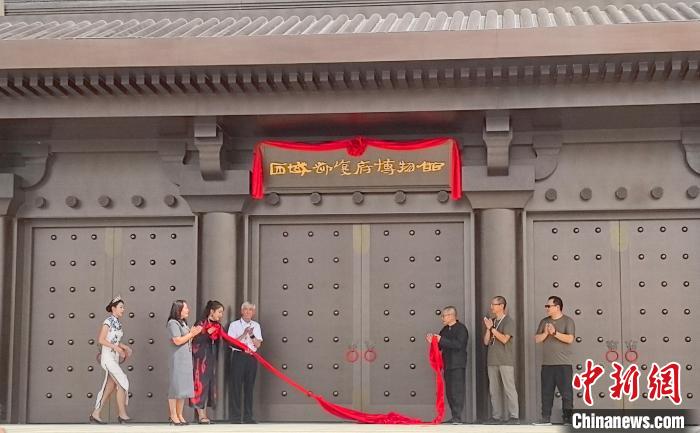
Core Points - The opening of the Western Regions Protectorate Museum in Xinjiang on May 18 highlights the region's rich cultural heritage and its historical significance as part of China [1][3] - The museum aims to showcase the historical evidence of various dynasties' governance over the Western Regions, reinforcing Xinjiang's status as an inseparable part of Chinese territory [1][3] - The integration of diverse cultures in Xinjiang is emphasized, with artifacts and historical narratives illustrating the collaborative creation of Chinese culture by various ethnic groups [3][5] Summary by Sections Historical Significance - The museum features artifacts such as the "Cangjie Pian," an ancient text from the Qin and Han dynasties, which serves as evidence of central authority's governance over the Western Regions [3] - The Kizil Grottoes, dating back to the 3rd century, exemplify the cultural exchanges along the Silk Road, showcasing the influence of Central Plains architecture on local art [5] Cultural Exchange - The murals in the Kizil Grottoes, using precious pigments sourced from far-off regions, reflect the prosperous trade during the Tang dynasty [5] - The archaeological findings in the Kuqa Friendship Road cemetery indicate a continuous cultural connection between the Central Plains and Xinjiang, even during periods of political fragmentation [5] Modern Developments - The city of Kuqa is undergoing urban renewal while preserving historical architecture, creating a unique dual-city landscape that reflects its rich history as a Silk Road hub [6] - The transformation of traditional streets into cultural corridors has revitalized local communities, enhancing both cultural engagement and economic opportunities for residents [7]
土耳其博物馆里的丝路文化踪迹
Ren Min Ri Bao Hai Wai Ban· 2025-05-20 21:30
Core Insights - The article highlights the cultural exchange between China and Turkey through the Silk Road, showcasing various museums in Turkey that exhibit artifacts and promote traditional crafts [1][2]. Group 1: Cultural Exchange and Tourism - Turkey is positioned at the crossroads of Europe and Asia, with 21 sites listed as UNESCO World Heritage Sites [1]. - The Turkish Ministry of Culture and Tourism projects that Turkey will receive nearly 410,000 Chinese tourists in 2024, representing an approximate 65% increase from the previous year [1]. Group 2: Museum Initiatives - The Topkapi Palace Museum in Istanbul plans to establish a porcelain museum in the second half of the year, featuring around 22,000 porcelain pieces, with approximately 12,000 originating from China [1]. - The Silk Museum in Bursa showcases traditional looms and silk artifacts, emphasizing the historical significance of silk weaving techniques introduced from China during the Byzantine Empire [1][2]. Group 3: Educational and Cultural Preservation Efforts - Bursa's lifelong education department is utilizing museum resources to conduct youth summer camps and adult vocational training, aiming to enhance public awareness of traditional silk craftsmanship [2]. - The Kaman Kalehoyuk Archaeological Museum in central Turkey displays valuable artifacts from various civilizations, including porcelain from the Ottoman Empire, highlighting the region's rich historical tapestry [2]. Group 4: Continued Cultural Influence - The Erzurum Folklore Museum reflects the deep-rooted Eurasian cultural influences and the historical appreciation for porcelain, showcasing the lasting impact of Chinese culture [2]. - Trabzon, a significant transit point on the ancient Silk Road, is focusing on digital museum initiatives to enhance the research and preservation of Silk Road artifacts, fostering cultural collaboration between Turkey and China [2].