中小学春秋假制度

Search documents
解决好家长的困难,是落实中小学春秋假制度的关键所在
Mei Ri Jing Ji Xin Wen· 2025-11-06 12:11
Core Viewpoint - The implementation of the spring and autumn vacation system in primary and secondary schools is aimed at enhancing students' well-being, improving family relationships, and stimulating consumption, but it faces challenges related to parental support and practical execution [1][2][5]. Group 1: Benefits of Spring and Autumn Vacation - The new vacation system is beneficial for students' mental and physical health, allowing them to relax and improve learning efficiency [1]. - It enhances parent-child relationships by providing opportunities for family outings during optimal travel seasons [1]. - The vacation system is expected to boost consumption by encouraging families to travel, thus invigorating the cultural and tourism market [1]. Group 2: Challenges Faced - A significant challenge is that while students have vacation time, many parents do not, leading to potential burdens rather than benefits [2]. - The lack of adequate childcare services during these vacations can create a "care gap," increasing costs for families and undermining the intended economic benefits [2]. - The existing labor laws regarding paid leave are not fully enforced in many sectors, which complicates the ability of parents to take time off [2]. Group 3: Implementation Considerations - Effective implementation requires detailed arrangements, such as timely notification of vacation dates to allow parents to plan accordingly [3]. - Local authorities should have the flexibility to manage vacation schedules to avoid congestion and increased costs during peak travel times [3]. - There is a need for comprehensive support systems, similar to those in countries like Austria and Germany, to assist parents during these vacation periods [4]. Group 4: Regional Experiences - Zhejiang province has successfully implemented the spring and autumn vacation system across all its cities, serving as a model for other regions [4]. - The experience from Zhejiang highlights the importance of collaboration among various government departments and the need for tailored approaches based on local conditions [4]. Group 5: Systemic Impact - The introduction of the spring and autumn vacation system requires a systemic approach, as it affects various aspects of society, particularly for working parents [5]. - Policies must be designed to ensure equitable benefits for all families, emphasizing the interconnectedness of social systems [5].


四川将实施中小学春秋假制度
Si Chuan Ri Bao· 2025-11-05 06:43
Core Points - The implementation of spring and autumn breaks for primary and secondary schools aims to enhance the collaborative education among schools, families, and communities, promoting the overall physical and mental health of students [1][2] Group 1: Policy Implementation - Spring and autumn breaks are defined as short holidays added to the spring and autumn semesters, distinct from winter and summer vacations [1] - The breaks are generally scheduled around midterms in the spring (April-May) and autumn (October-November), with each break lasting approximately three days [1] - Local governments (cities and states) are responsible for coordinating and flexibly developing plans based on regional realities [1] Group 2: Support Measures - To address parental concerns regarding difficulties in accompanying children during breaks, the policy includes measures such as flexible holidays, guaranteed childcare, venue discounts, and safety assurances [2] - Employers are encouraged to implement flexible and staggered holidays, prioritizing employees with minor children for time off during the spring and autumn breaks [2] - Schools will provide free childcare services and organize various activities to alleviate parental worries [2] - Public cultural and tourism venues, such as museums and science centers, will offer discounts to enhance holiday spending options [2] - Relevant departments will strengthen student safety education and ensure transportation safety during the breaks [2]
先行先试20余年 杭州怎样落实中小学春秋假?
Yang Shi Wang· 2025-11-04 22:56
Core Points - Zhejiang has become the first province in China to implement a spring and autumn vacation system for primary and secondary schools across all 11 prefecture-level cities [1] Group 1 - The implementation of spring and autumn vacations has been a topic of increasing demand in recent years, raising questions about the necessity of these additional breaks alongside the existing winter and summer vacations [1] - The challenges associated with the implementation of the spring and autumn vacation system have been acknowledged, prompting discussions on potential solutions [1]
中小学春秋假,怎么休更合适
Ren Min Ri Bao· 2025-10-22 22:02
Core Points - The implementation of spring and autumn breaks in primary and secondary schools across various regions in China aims to alleviate academic pressure on students and promote their physical and mental development [1][2] - Concerns have been raised by parents regarding the potential negative impact on children's learning and supervision during these breaks, particularly for dual-income families [1] - Some regions are encouraging schools to organize various activities during these breaks, such as cultural, sports, and social practice events, while others emphasize the importance of teacher training and research [1] Summary by Sections Policy Implementation - All 11 prefecture-level cities in Zhejiang have issued documents regarding the spring and autumn break system for primary and secondary schools [1] - Enshi Tujia and Miao Autonomous Prefecture in Hubei has mandated that both spring and autumn breaks last no less than one week, ideally aligning with public holidays or weekends [1] Educational Impact - Experts suggest that spring and autumn breaks can reduce students' academic burdens and benefit their overall development, while also stimulating cultural and tourism consumption [2] - There is a need for detailed supporting policies and improved supervision mechanisms to ensure the effective implementation of these breaks [2] Local Practices - Hangzhou, a pioneer in exploring the spring and autumn break system, emphasizes the responsibility of educational departments and schools to enhance service levels during these breaks [1] - In Enshi, schools have organized practical activities related to farming during the spring break and encouraged participation in autumn harvest activities, with strict regulations against assigning homework during these breaks [1]
多地探索设置中小学春秋假 怎么休更合适?
Xin Hua She· 2025-10-16 00:20
Core Viewpoint - The implementation of spring and autumn breaks in primary and secondary schools is being explored to enhance service consumption and provide families with opportunities for travel and leisure, while also addressing concerns about educational impact and student well-being [1][2][7]. Group 1: Implementation Progress - Some regions have already established plans for spring and autumn breaks, with specific dates set for holidays in places like Guangdong, Hubei, Jiangsu, and Zhejiang [2][3]. - For instance, in Foshan, the autumn break is scheduled from November 12 to 14, 2025, and the spring break is planned around the "May Day" holiday [2]. - In Enshi, the spring break is connected to the Qingming Festival, allowing for a total of five days off, which helps families avoid peak travel times [3]. Group 2: Benefits and Concerns - Parents and teachers in regions that have implemented these breaks report positive outcomes, such as reduced travel pressure and enhanced learning experiences for children [3][4]. - However, there are concerns regarding the potential negative impact on students' learning and the possibility of increased academic pressure during these breaks [4][5]. - Some educators express that despite the breaks, students still face homework and exams immediately after returning to school, which can negate the intended benefits of the breaks [4][5]. Group 3: Best Practices and Recommendations - Successful examples from cities like Hangzhou highlight the importance of effective management and support services during breaks to alleviate parental concerns [5][6]. - Experts suggest that local conditions should dictate the scheduling of breaks to avoid a one-size-fits-all approach, ensuring that the timing aligns with seasonal activities and educational needs [8][9]. - Collaboration among various departments is essential to address safety, educational pressure, and the risk of students engaging in unproductive activities during breaks [9][10].
新华视点丨多地探索设置中小学春秋假,怎么休更合适?
Xin Hua She· 2025-10-15 23:03
Core Viewpoint - The implementation of spring and autumn breaks in primary and secondary schools is being explored across various regions in China, aiming to enhance service consumption and provide families with opportunities for travel and leisure [2][7]. Group 1: Implementation Progress - Some regions have already established plans for spring and autumn breaks, with specific dates set for holidays in places like Guangdong, Hubei, Jiangsu, and Zhejiang [2][3]. - For instance, in Foshan, the autumn break is scheduled from November 12 to 14, 2025, while in Hubei, breaks are at least one week long and align with public holidays [2][3]. - In Hangzhou, families have adopted the practice of traveling during these breaks, indicating a positive reception from parents and students [2][3]. Group 2: Benefits and Concerns - Parents and teachers in regions with implemented breaks report benefits such as reduced travel pressure and enhanced learning experiences for children [3][4]. - However, there are concerns regarding the potential negative impact on students' learning and supervision during breaks, particularly for dual-income families [4][5]. - Some educators express that the pressure of assignments and exams during breaks may counteract the intended benefits of reduced academic stress [4][5]. Group 3: Recommendations for Effective Implementation - Experts suggest that to avoid the pitfalls of the spring and autumn break system, detailed supporting policies and supervision mechanisms should be established [7][8]. - It is recommended that local conditions be considered when setting break schedules to avoid a one-size-fits-all approach [9]. - Collaboration among various departments is essential to address safety, educational pressure, and other challenges associated with the breaks [9].
多地探索设置中小学春秋假,怎么休更合适?
Xin Hua She· 2025-10-15 19:37
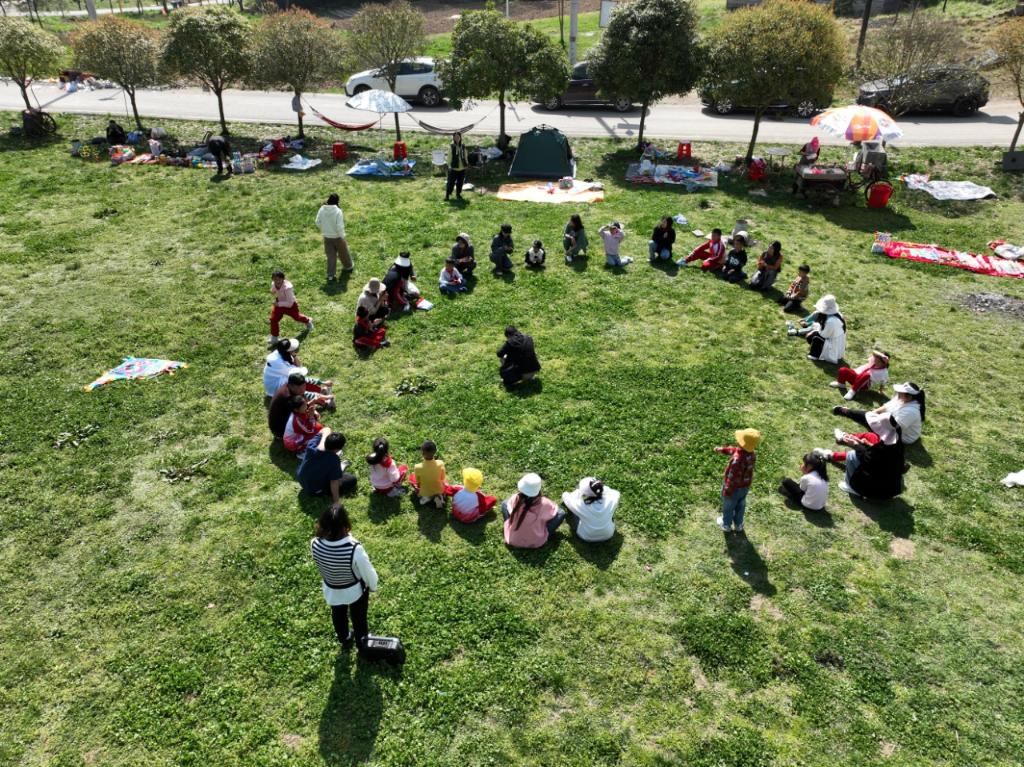
目前,这一制度落地有何进展?中小学春秋假怎么休更合适?"新华视点"记者进行了调查。 部分地方已出台春秋假方案 《关于扩大服务消费的若干政策措施》明确,鼓励有条件的地方结合气候条件、生产安排、职工带薪休假制度落实等因素,科学调整每学年的教 学和放假时间,探索设置中小学春秋假,相应缩短寒暑假时间,增加旅游出行等服务消费时间。 2025年春假期间,湖北恩施州利川市第三民族实验小学组织学生和家长一起放风筝。(图片来源:利川市融媒体中心) 记者梳理发现,目前已有一些地方制定了中小学春秋假实施方案。广东佛山明确,2025至2026学年的秋假安排在11月12日至14日,共三天;春假 安排在"五一"假期前后,共两天。湖北恩施州规定,春假和秋假时长均不少于1周,原则上与法定节假日或双休日衔接。江苏出台文件,鼓励有条 件的地方试行将"五一"前3个工作日、国庆前3个工作日分别设置为中小学春假和秋假。浙江11个设区市均发布了中小学春秋假相关文件,成为全 国首个全省推行中小学春秋假制度的省份。 今年杭州部分城区的秋假自9月28日开启,市民袁林利带着四年级的儿子去了四川旅游。"秋假连上国庆、中秋假期一共能休11天,我们深度游览 了都江堰 ...
浙江全省推行中小学春秋假!
Yang Shi Xin Wen· 2025-10-11 01:37
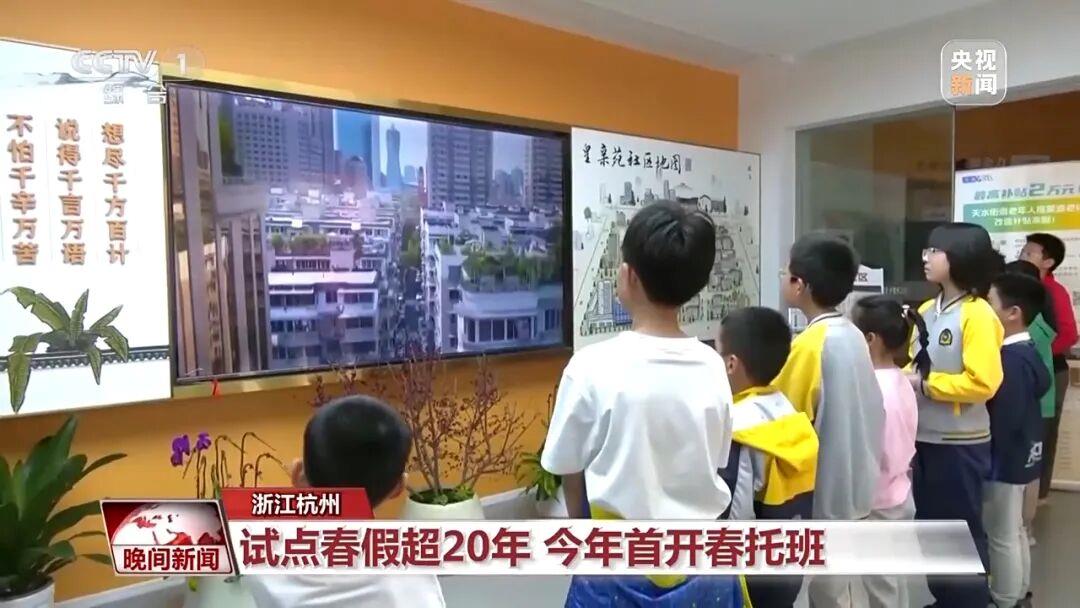
截至10月9日,浙江11个地级市全部发布推行中小学春秋假制度的相关文件,标志着浙江成为全国首个在全省推行中小学春秋假制度的省份。 今年9月,商务部等9部门印发《关于扩大服务消费的若干政策措施》,其中关于中小学春秋假的表述,引发广泛关注,全国多地也在探索实施中小学春秋 假。 浙江全省明确中小学都有春秋假 春秋假是指在春季和秋季学期中,为中小学生增设有别于寒暑假的短假期。 杭州自2004年起,在每年4月底实施中小学春假试点。近年来,杭州春假的时间一般在5月前后,秋假的时间则是10月前后,并于今年首次推出春假托管服 务,为家长不能陪伴的孩子组织各种活动。 杭州市蒋筑英学校的春托班,接收了60多位学生。春托班还专门请来校外科技辅导员,教孩子做"电子绘本",一节课就可以创作出几张作品,春假四天时 间,每个同学可以创作一个自己的AI绘本。 今年9月开学初,浙江的教育部门、部分学校已在学期日历上标明了秋假日期。 德清县:2025年秋假时间暂定为2025年11月12日至14日。 嘉兴 南湖区:2025年秋假时间为2025年11月12日至14日,共3天,与11月15日、16日的双休日相连,共5天。 金华 浙江省教育厅基教处处长 ...