
中小学春秋假制度

Search documents
多地官宣春假五一连休8天
第一财经· 2026-03-13 09:35
Core Viewpoint - The introduction of spring and autumn breaks in primary and secondary schools is expected to alleviate academic pressure on students, promote their physical and mental health, and stimulate consumer spending through family travel opportunities [7][8]. Group 1: Implementation of Spring and Autumn Breaks - Chongqing has officially issued guidelines for implementing spring and autumn breaks in primary and secondary schools, suggesting a duration of 2 to 3 days for each break, to be scheduled in April-May and November [3]. - Qingyuan City plans to trial spring and autumn breaks starting from the 2026-2027 academic year, with specific dates to be determined based on various factors [4]. - Other provinces like Anhui and Jiangsu are also set to implement paid staggered leave systems alongside spring and autumn breaks for schools [5]. Group 2: Impact on Tourism and Consumer Behavior - The establishment of spring breaks is anticipated to boost tourism, with significant increases in flight bookings during the holiday periods, such as a 254% growth in bookings from Hangzhou [7]. - The spring break policy is expected to enhance overall spring tourism consumption, as families are likely to engage in longer trips [8]. - The combination of spring breaks with existing holidays, such as the Qingming Festival, is leading to extended vacation periods, further encouraging travel [6]. Group 3: Considerations for Parents and Family Dynamics - The need for parents to take leave during their children's breaks has been highlighted, with suggestions to integrate paid leave policies with school holiday schedules to address childcare concerns [8]. - Local governments, such as in Zhejiang, are exploring flexible leave options for parents to facilitate family time during school breaks [8].

冲上热搜!多地官宣“连休6天”!学生放假,家长不放假怎么办?你怎么看?
新浪财经· 2026-03-06 09:29
Group 1 - The article discusses the announcement of spring break schedules for 2026 in various regions of China, including specific dates for different cities in Zhejiang and Jiangsu provinces [2] - The government work report from March 5, 2026, supports the promotion of spring and autumn breaks in primary and secondary schools, with several regions already piloting these initiatives [2] - The implementation of spring and autumn breaks is seen as a way to enhance student well-being and family interaction, potentially stimulating domestic consumption [6][9] Group 2 - Concerns are raised about the mismatch between student breaks and parental work schedules, with suggestions for schools to provide childcare options during these breaks [6] - Educational experts believe that the introduction of breaks will not negatively impact academic progress, and may even improve student focus upon return [6] - There are calls for integrating paid leave policies for parents with the spring and autumn break system to facilitate family activities and economic stimulation [6]
安徽将设置中小学春秋假
Xin Lang Cai Jing· 2026-02-05 13:06
Group 1 - The Anhui provincial government has proposed the implementation of a paid staggered vacation system, including spring and autumn breaks for primary and secondary schools, aimed at expanding employee cultural and sports consumption [1] - The spring and autumn break system, initiated in Hangzhou in 2004, has been adopted in various provinces, with full coverage in Zhejiang and Sichuan by 2025, and partial implementation in cities of Guangdong, Hubei, and Shaanxi [1] - The implementation of the spring and autumn break system is expected to balance tourist flow, boost the parent-child economy, and stimulate market consumption, contributing to the growth of multiple industries [2] Group 2 - The Huangshan scenic area has seen a significant increase in visitors, particularly families, following the introduction of free admission for children under 18 during the spring and autumn breaks, which has effectively driven parent-child tourism [2] - The proposal includes suggestions for schools to provide public care services and diverse cultural activities to assist families facing challenges with child care during these breaks [2] - The government is encouraged to introduce cultural and tourism consumption incentive policies, such as issuing vouchers and launching special subsidies, to further stimulate public consumption [5]
江苏之后安徽也跟进官宣,多省份全面推行中小学春秋假
Xin Lang Cai Jing· 2026-02-05 07:53
Core Viewpoint - The implementation of spring and autumn breaks for primary and secondary schools is being adopted in multiple provinces in China, including Anhui, Jiangsu, and Zhejiang, aiming to enhance student welfare and stimulate local tourism markets [1][2][3]. Group 1: Policy Implementation - Anhui Province has officially included the establishment of paid staggered leave and spring and autumn breaks for schools in its government work report for 2026 [1]. - Jiangsu Province plans to implement spring and autumn breaks starting from the spring semester of 2026, with each break lasting three days, scheduled around mid-term periods [1][2]. - Zhejiang Province has already established a spring and autumn break system, covering over 6 million students, making it the first province in China to implement this policy statewide [3]. Group 2: Government Support and Guidelines - The national government has encouraged local authorities to explore the arrangement of spring and autumn breaks as part of broader initiatives to enhance consumer spending and improve work-life balance [2]. - The 2025 action plan from the central government emphasizes the importance of flexible holiday arrangements, including the potential for spring and autumn breaks, while maintaining the total number of school holidays [2]. - Recent policies from various departments have further detailed the implementation of spring and autumn breaks, suggesting adjustments to the academic calendar based on local conditions [2]. Group 3: Regional Developments - Sichuan Province has announced plans to implement spring and autumn breaks, with specific guidelines for scheduling these breaks in alignment with local conditions [4]. - Chongqing is in the process of developing its own guidelines for spring and autumn breaks, proposing a duration of 2 to 3 days for each break, with strict regulations against homework and supplementary classes during these periods [4].
建议给中小学生放春秋假
Xin Lang Cai Jing· 2026-02-04 08:12
Group 1 - The core viewpoint is that Shanghai should take the lead in piloting a short spring and autumn vacation system in response to the national policy advocating exploration of such breaks in primary and secondary education [2][3] - The proposal suggests slightly shortening winter and summer vacations to add spring and autumn breaks while ensuring the total class hours remain unchanged, initially targeting non-graduating grades in compulsory education [2] - It emphasizes the need for the education department to integrate social resources, design a rich list of thematic practical activities, and explore a "practical credit system" to enhance the implementation of quality education [3] Group 2 - The proposal also calls for the development of flexible leave policies for employees and childcare services to support the new vacation system [3] - It highlights the importance of strengthening public services and safety management during the vacation periods to achieve dual goals of educational quality improvement and consumption upgrade [3]
江苏省省长:统筹安排中小学春秋假
第一财经· 2026-02-03 08:18
Core Viewpoint - The article discusses the implementation of spring and autumn breaks for primary and secondary schools in Jiangsu Province, aimed at boosting family consumption and enhancing the overall consumer market [3]. Group 1: Government Initiatives - Jiangsu Province's government is planning to implement spring and autumn breaks for schools, as announced by Governor Liu Xiaotao during the provincial government work report [3]. - The initiative follows a notification from the Jiangsu government in May last year, encouraging localities to set specific days before "May Day" and "National Day" as school breaks [3]. - Cities like Nanjing, Taizhou, and others are already planning to adopt this system, with Nanjing focusing on coordinating school breaks with paid leave for workers to foster family consumption [3]. Group 2: Policy Background - The Central Committee of the Communist Party and the State Council issued a plan in March last year to encourage localities to explore the establishment of spring and autumn breaks for schools [3]. - In September, the Ministry of Commerce and other departments released policies to expand service consumption, promoting the idea of school breaks while maintaining the total number of holidays and teaching hours [3]. - Provinces like Zhejiang and Sichuan have already begun implementing this system within their regions [3].

2026北京两会丨市政协委员黄轶:建议分步试点探索北京中小学春秋假
Bei Jing Shang Bao· 2026-01-25 13:35
Core Viewpoint - The establishment of spring and autumn breaks for primary and secondary school students in Beijing is a comprehensive reform that integrates educational principles, social development, and family needs, aiming to enhance youth well-being and stimulate holiday consumption [4][5]. Group 1: Significance of Spring and Autumn Breaks - The proposed breaks can optimize academic burdens, providing students with breathing space to manage their learning and life [4]. - The initiative supports the integration of "five educations" (moral, intellectual, physical, aesthetic, and labor education) by encouraging practical activities that complement classroom learning [4][5]. - The breaks align with natural rhythms, allowing students to engage in outdoor activities during comfortable weather, which is beneficial for their physical and mental health [5]. Group 2: Economic and Social Impact - Implementing the spring and autumn breaks is expected to create additional consumption opportunities, redistributing family travel and educational activities from summer and winter vacations to the more temperate spring and autumn seasons [5]. - This shift could lead to a balanced and high-quality service consumption growth point, driving upgrades in industries such as tourism, culture, and sports [5]. Group 3: Implementation Challenges and Recommendations - Addressing the childcare needs of dual-income families during breaks is a significant concern, necessitating collaboration between schools, communities, and social organizations to provide affordable childcare and diverse practical activities [9]. - To prevent the misuse of breaks for additional academic burdens, strict regulations against disguised tutoring or increased homework must be enforced [10]. - A pilot program in selected districts and schools for 1-2 years is recommended to explore the specifics of break duration and scheduling, alongside a "public childcare + diverse practice" service system to enhance the quality of breaks [9][10].

浙江多地中小学放“秋假” “跟着课本游”成假期新风尚
Zhong Guo Xin Wen Wang· 2025-11-14 02:48
Core Points - The article discusses the rise of "textbook tourism" during the autumn break in Zhejiang, where students visit cultural landmarks related to their curriculum [1][3] - Zhejiang is the first province in China to implement a spring and autumn break system for primary and secondary schools, which has led to increased educational travel [1][3] - The autumn break coincides with a surge in tourism, with popular sites like the Lu Xun Memorial in Shaoxing and the West Lake in Hangzhou seeing increased visitor numbers [3][5] Group 1 - The "textbook tourism" trend is becoming popular among students during the autumn break, allowing them to connect with the content of their studies in a tangible way [1][3] - The autumn break was established through a collaborative effort by multiple government departments in Zhejiang, focusing on regional differences and educational stages [1][3] - The initiative has resulted in significant increases in travel, with Ningbo station reporting a 100% increase in passenger numbers compared to the previous year on the first day of the autumn break [5] Group 2 - Cultural landmarks closely tied to educational content are experiencing a surge in visitors, with activities planned to enhance students' learning experiences [3][5] - The article highlights the importance of balancing structured learning with the freedom to explore, suggesting that children should engage deeply with their surroundings rather than merely checking off tasks [5] - Educational experts emphasize that such experiences can transform abstract knowledge into concrete understanding, fostering a cycle of curiosity and exploration among students [5]

佛山首个秋假来了!机票预订量暴涨,引爆淡季旅游市场
2 1 Shi Ji Jing Ji Bao Dao· 2025-11-12 08:46
Core Viewpoint - Foshan has implemented its first autumn break for primary and secondary schools, which is expected to boost the local tourism market while aligning with the "double reduction" policy aimed at alleviating student academic pressure [1][7]. Group 1: Implementation of Autumn Break - The autumn break in Foshan is scheduled from November 12 to 14, allowing for a potential five-day holiday when combined with weekends [1]. - The initiative has sparked mixed reactions among parents, with some supporting the break for its potential to reduce academic stress and others concerned about disruptions to learning routines [1][2]. Group 2: Impact on Tourism - Data from travel platforms indicate a significant increase in travel activity, with flight bookings from Foshan during the autumn break rising by 276% year-on-year [7]. - Travel agencies have reported a doubling in customer numbers for popular routes, particularly to destinations like Beijing and Xi'an, with some agencies seeing bookings for autumn break tours exceed 800 individuals [8][9]. Group 3: Educational and Social Benefits - The Foshan Education Bureau emphasizes that the autumn break is designed to allow students to engage in social learning experiences outside the classroom, with a focus on practical activities and reduced homework [2][6]. - Schools are offering various options for students during the break, including organized outdoor activities, family trips, and on-campus care services [2][6]. Group 4: Local Business Engagement - Local businesses and tourist attractions are actively promoting special events and discounts to attract families during the autumn break, enhancing the overall experience for visitors [10][14]. - The introduction of themed activities and educational programs at local attractions aims to provide enriching experiences for students and families [14][17].
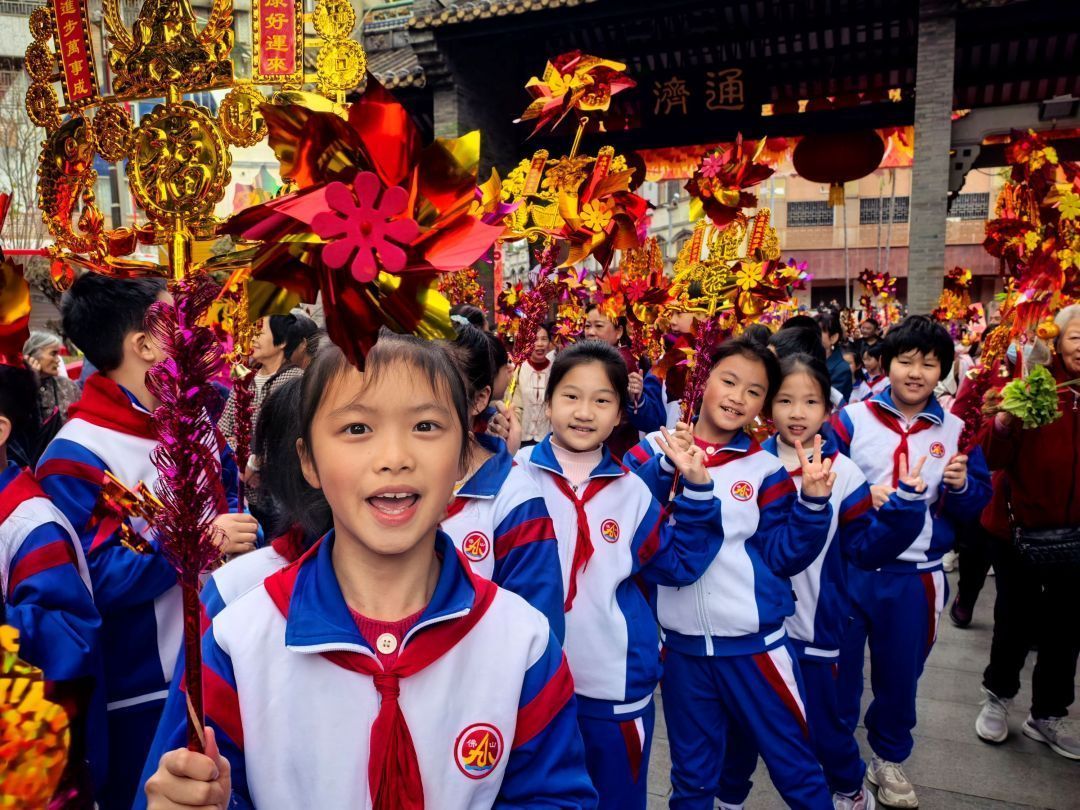
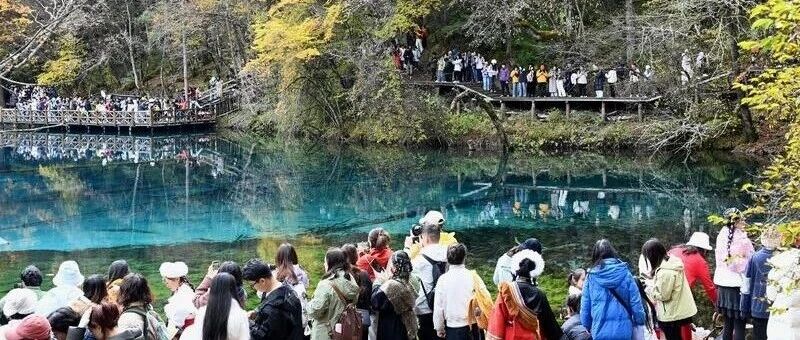
四川首个秋假今日开放 九寨沟景区未来4天门票售罄
Zheng Quan Shi Bao Wang· 2025-11-12 08:26
Core Points - Sichuan Province has implemented a spring and autumn holiday system for primary and secondary schools, with each holiday lasting 3 days [1] - The first autumn holiday in Sichuan officially opened on November 12, leading to increased tourism activity, particularly in popular destinations like Jiuzhaigou [1] - Jiuzhaigou scenic area reported that ticket reservations for November 13-16 are fully booked as of November 12 at 12:00 [1] Tourism Impact - The maximum carrying capacity for Jiuzhaigou during peak season (April 1 - November 15) is 41,000 visitors per day, while the off-peak season (November 16 - March 31) capacity is 23,000 visitors per day [1]