乡村美育

Search documents
乡村美育进信宜,这堂课让教学理论转化为实践
Nan Fang Nong Cun Bao· 2025-05-07 09:03
Core Viewpoint - The training program aims to enhance the practical teaching skills of rural art teachers in Xinyi City, focusing on transforming theoretical knowledge into classroom practice through a structured approach [4][9][26]. Group 1: Training Program Overview - The Guangdong Charity Association for Orphans and Education (referred to as "Charity Association") collaborated with several central schools in Xinyi City to conduct the MOart Program for rural art teacher training [2][3]. - The training involved 38 rural art teachers and emphasized a three-dimensional model of "theoretical teaching + classroom demonstration + practical exercises" [4][5]. Group 2: Curriculum and Content - The curriculum addressed the need for enhanced practical components in teaching, as highlighted by teachers during a follow-up survey in March [7]. - It included three main sections: professional skill enhancement, demonstration class analysis, and simulated lesson preparation, tailored to the daily teaching scenarios of rural teachers [8][9]. Group 3: Teaching Methodology - The training utilized a practical approach, exemplified by a live demonstration of a fourth-grade lesson using the "Living Observation - Creative Association - Painting Practice" method [15][16]. - Teachers observed and recorded classroom interaction techniques during the demonstration, followed by a detailed review of the lesson design from a professional perspective [17][18]. Group 4: Teacher Engagement and Innovation - Participating teachers were encouraged to design and share their lesson plans based on the curriculum, fostering creativity and interdisciplinary connections [19][23]. - The Charity Association's project leader expressed the goal of empowering rural art education through practical, resourceful teaching strategies [25][26].


文化中国行 | 山水间感知传统文化“耕读传家”精神内核
Yang Shi Wang· 2025-04-22 06:26
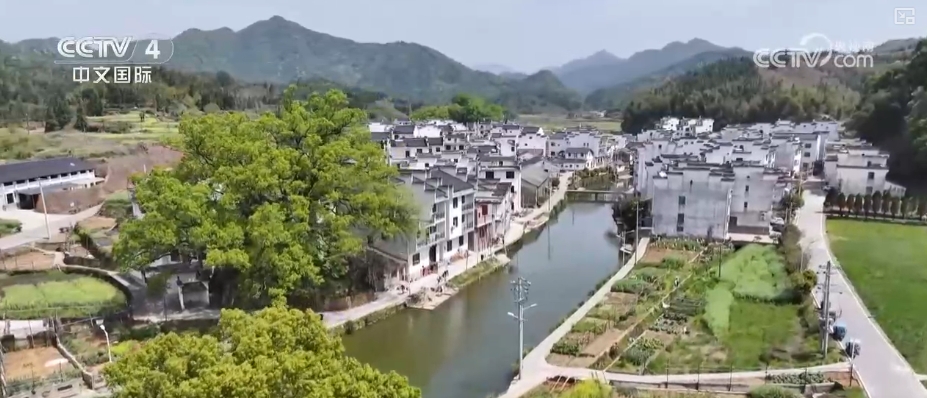
Core Viewpoint - The article highlights the unique "natural school" in Li Keng Village, Wuyuan, Jiangxi, which utilizes nature as a classroom and promotes rural aesthetic education through immersive experiences in the natural environment [1]. Group 1: Natural Environment and Education - Li Keng Village is characterized by beautiful natural scenery and traditional Huizhou architecture, providing an ideal backdrop for educational activities [4]. - The natural landscape serves as a rich teaching resource, allowing students to engage in various artistic activities throughout the seasons [4]. Group 2: Cultural and Artistic Education - Wang Yiping, the head of Shuangxi Academy, founded the institution to leverage Wuyuan's cultural heritage, offering courses in calligraphy, painting, and Tai Chi [7]. - Traditional culture is integrated into daily life, making it accessible and relatable for students [10]. Group 3: Philosophy of Education - Wang Yiping emphasizes a "unity of knowledge and action" in education, advocating for experiential learning outside the traditional classroom setting, particularly in aesthetic education [11]. - The academy's approach includes not only artistic expression but also practical agricultural activities, fostering independence and character development in children [19]. Group 4: Cultural Heritage and Values - Students learn to appreciate the beauty of Chinese calligraphy, which reflects the moral character of ancient Chinese scholars [15]. - The educational philosophy promotes the spirit of "farming and reading" as a core value of Chinese traditional culture [21].