耕读传家

Search documents
新春走基层 | 寻根
Guang Xi Ri Bao· 2026-02-25 01:59
Core Viewpoint - The article highlights the cultural heritage and community spirit of Sican Village in Dongtai City, Jiangsu Province, emphasizing the historical significance of the Four-Union School and its lasting impact on local education and values [3][4]. Group 1: Historical Significance - The Four-Union School, established between 1943 and 1945, played a crucial role in educating over 3,000 students during its brief operation [3]. - The school was a collaborative effort of several enemy-occupied schools, fostering a sense of unity and purpose among students [3]. Group 2: Community Values - The village promotes a culture of frugality and community support, as seen in the unified meal standards for local events [2]. - The legacy of the Four-Union School has instilled values of education and patriotism, with over 60 students from the village pursuing higher education in recent years [3][4]. Group 3: Local Economy - Sican Village has become known for its winter melon cultivation, contributing to an average annual income of nearly 50,000 yuan per person [3]. - The community's commitment to agricultural innovation and education has led to economic growth and improved living standards [3].
朱家峪,一首古老的乡谣
Xin Lang Cai Jing· 2026-02-04 09:12
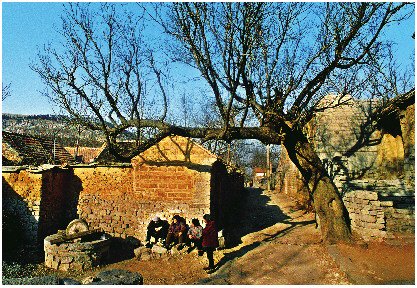
Core Viewpoint - The article highlights the historical and cultural significance of Zhujiayu, a traditional village in Shandong, China, emphasizing its unique architecture, rich history, and the preservation efforts that have contributed to its recognition as a "Chinese Historical and Cultural Village" [4][6][14]. Historical Significance - Zhujiayu, originally named Chengjiao Yu and later Fushan Yu, has a deep historical background, with archaeological findings indicating human habitation dating back to the Shang and Zhou dynasties [4][5]. - The village saw a significant population decline during the late Yuan dynasty due to wars and plagues, leading to the migration of families from Hebei to establish the current Zhujiayu community [5]. Cultural Heritage - The village is known for its rich cultural heritage, with a strong emphasis on education and literature, producing notable scholars and maintaining a tradition of reading and teaching [11]. - The architectural style of Zhujiayu is characterized by the use of local stone, with buildings designed to blend harmoniously with the natural landscape, reflecting the philosophy of living in accordance with nature [9][10]. Preservation Efforts - Zhujiayu's cultural and historical significance has led to preservation efforts, including the restoration of the Zhu family ancestral hall, which serves as a vital resource for documenting the village's history [6][14]. - The village has gained popularity as a tourist destination, particularly after being featured in the television series "Chuang Guandong," which has increased its visibility and cultural relevance [14]. Architectural Features - The village features a variety of stone bridges and pathways, with over thirty bridges that showcase the ingenuity of local construction techniques [10]. - Notable structures include the Wenchang Pavilion, which is dedicated to the deity of literature, and various temples that are strategically located throughout the village [12]. Community Life - The community maintains traditional lifestyles, with many residents still living in the original village, preserving age-old practices and customs [12][13]. - The village is recognized for its serene environment and longevity of its inhabitants, attributed to the clean air and natural resources available in the area [12].

习近平总书记关切事丨好家风薪火传
Xin Hua She· 2026-01-22 06:10
Group 1 - The core idea emphasizes the importance of family values in shaping social ethics and the responsibility of leaders to promote good family traditions [2][17] - The village of Luguantun has a long-standing tradition of "farming and reading," which has led to a high number of educated individuals, including over 700 university graduates [4][6] - The village hosts various cultural activities, such as art exhibitions and cultural festivals, to promote education and family values [8] Group 2 - The "Retreat One Step" workshop in Xidi village serves as a conflict resolution center, promoting harmony through traditional family teachings [9][11] - The implementation of the "Retreat One Step" method has led to a significant decrease in neighborhood disputes over the past seven years [13] - The emphasis on humility and tolerance in family teachings is seen as a key to maintaining family harmony and community peace [11][13] Group 3 - The Red Family Values Museum in Yan'an serves as a platform for promoting integrity and moral conduct among leaders and the community [14][19] - The museum showcases stories of revolutionary figures, emphasizing the importance of clean governance and moral integrity [16][19] - The spread of red family values has contributed to a culture of volunteerism and community service in Yan'an, with a significant increase in registered volunteers [19]
方圆之间 蔚为大观(文化中国行·华夏博物之旅·传统建筑)
Ren Min Ri Bao· 2025-12-31 23:51
Core Viewpoint - The Fujian Tulou showcases the wisdom of harmonious coexistence between humans and nature through its unique architectural design and construction traditions, reflecting the profound cultural heritage of Chinese civilization [1]. Group 1: Architectural Features - Fujian Tulou is primarily constructed using local materials, featuring rammed earth walls and wooden frameworks, designed in square and circular shapes, with living spaces arranged around a central courtyard [1]. - The oldest recorded Tulou, the Yide Lou, dates back to the Ming Dynasty, emphasizing the traditional communal living and defensive functions of these structures [2]. - Coastal Tulou are built with granite stone bases to enhance weather resistance, while mountainous Tulou utilize river stones for their foundations, adapting to local environmental conditions [3][4]. Group 2: Types of Tulou - Tulou can be categorized into Minnan Tulou and Hakka Tulou based on user demographics and spatial types, with Minnan Tulou featuring independent entrances and courtyards, while Hakka Tulou typically have interconnected layouts [5]. - The shapes of Tulou include square, circular, and special forms, with square Tulou often having multiple stories and circular Tulou ranging from 30 to 95 meters in diameter [6][7]. Group 3: Construction Techniques - The construction process of Tulou involves meticulous steps such as site selection, foundation building, and layering of rammed earth walls, incorporating bamboo or wood for stability [10]. - Innovative design elements, such as the "soft" structural features of wooden frameworks, allow Tulou to withstand seismic activity, demonstrating a blend of traditional craftsmanship and modern engineering principles [10]. Group 4: Cultural Significance - Tulou is celebrated not only for its unique appearance but also for its rich cultural connotations, with decorative arts like gray sculpture, stonework, and wood carving reflecting the aspirations of the inhabitants [11]. - Recent revitalization efforts, supported by local governments and designers, have enhanced the living conditions within Tulou while preserving their historical aesthetics, leading to recognition in various design awards [11]. Group 5: Technological Integration - Advances in technology, such as 3D scanning and digital twin techniques, are being utilized to analyze and preserve the traditional construction methods of Tulou, facilitating the global dissemination of Tulou architectural culture [11]. Group 6: Overall Impact - The Fujian Tulou represents a unique architectural narrative rooted in the land and life, continuously inspiring and resonating with people [12].
福建土楼展现人与自然和谐共生的营造智慧 方圆之间 蔚为大观(文化中国行·华夏博物之旅·传统建筑)
Ren Min Ri Bao· 2025-12-31 22:14
Core Viewpoint - Fujian Tulou, a unique architectural form, showcases the wisdom of construction rooted in local culture and environment, emphasizing communal living and defense mechanisms [1][9][12]. Group 1: Architectural Characteristics - Fujian Tulou is primarily constructed using local materials, featuring rammed earth walls and wooden frameworks, designed in square and circular shapes [1][9]. - The oldest recorded Tulou, Yide Lou, dates back to the Ming Dynasty, highlighting the historical significance of these structures [2]. - Coastal Tulou are built with granite for enhanced weather resistance, while mountainous Tulou utilize river stones, reflecting adaptation to geographical conditions [3][4]. Group 2: Types and Layouts - Tulou can be categorized into Minnan and Hakka styles, with distinct layouts: Minnan Tulou often have independent entrances, while Hakka Tulou feature interconnected corridors [5]. - The floor plans of Tulou include square, circular, and special shapes, with square Tulou typically having three to five stories and circular Tulou ranging from 30 to 95 meters in diameter [6][7]. Group 3: Construction Techniques - The construction process of Tulou involves meticulous steps, including site selection, foundation building, and layering of earth walls, integrating bamboo or wood for stability [9][10]. - Innovative designs, such as the anti-seismic features of Yuchang Lou, demonstrate the adaptability of Tulou to local environmental challenges [10]. Group 4: Cultural Significance - Tulou are celebrated not only for their architectural beauty but also for their cultural richness, incorporating decorative arts like gray sculpture and wood carving that reflect community values and aspirations [9][10]. - Recent renovations, such as the transformation of Changrong Lou, have enhanced living conditions while preserving the original aesthetic, garnering multiple design awards [11]. Group 5: Modern Relevance - With the push for rural revitalization in China, Tulou are gaining renewed attention from local governments and designers, ensuring their cultural heritage is preserved and celebrated [10][12].
醒酒石(遇见)
Ren Min Ri Bao· 2025-10-24 22:20
Core Viewpoint - The article narrates the story of an elderly man who moved from Jiangxi to Dongguan to quit drinking, highlighting his journey from a heavy drinker to someone who finds solace in books and poetry instead of alcohol [1][3]. Group 1: Background and Initial Situation - The elderly man, in his 70s, was sent away by his 96-year-old mother due to his excessive drinking habits, which included consuming homemade liquor at every meal [1]. - Upon arriving in Dongguan, he initially struggled with the absence of alcohol and felt lethargic, despite being physically healthy [1]. Group 2: Social Interactions and Personality - The elderly man became a beloved figure among the employees at his daughter's stone factory, engaging in light-hearted banter and sharing stories despite his limited formal education [1][2]. - He demonstrated a passion for literature, often reciting classical Chinese poetry and engaging in poetic exchanges with others, showcasing his cultural knowledge [2][3]. Group 3: Transformation and New Interests - Over time, the elderly man successfully quit drinking, attributing this change to the support of his family and the introduction of books into his life, which replaced his previous obsession with alcohol [3]. - His daughter provided him with numerous books, which helped him realize that literature and poetry could enrich his life more than alcohol ever could [3][4].
文化中国行 | 山水间感知传统文化“耕读传家”精神内核
Yang Shi Wang· 2025-04-22 06:26
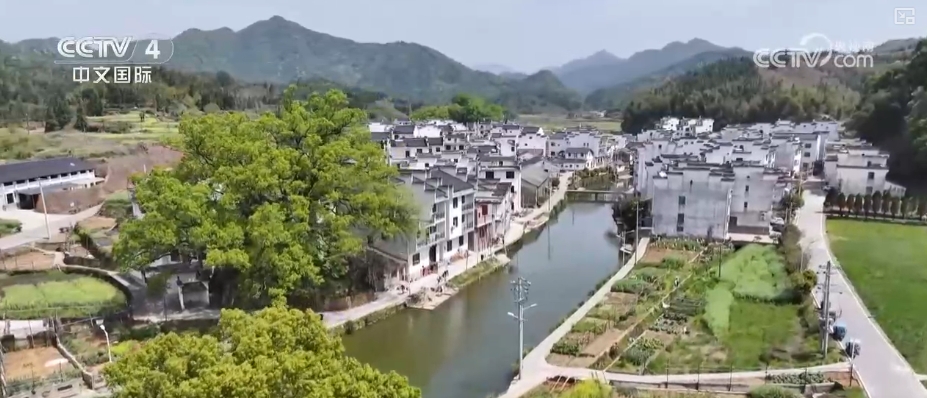
Core Viewpoint - The article highlights the unique "natural school" in Li Keng Village, Wuyuan, Jiangxi, which utilizes nature as a classroom and promotes rural aesthetic education through immersive experiences in the natural environment [1]. Group 1: Natural Environment and Education - Li Keng Village is characterized by beautiful natural scenery and traditional Huizhou architecture, providing an ideal backdrop for educational activities [4]. - The natural landscape serves as a rich teaching resource, allowing students to engage in various artistic activities throughout the seasons [4]. Group 2: Cultural and Artistic Education - Wang Yiping, the head of Shuangxi Academy, founded the institution to leverage Wuyuan's cultural heritage, offering courses in calligraphy, painting, and Tai Chi [7]. - Traditional culture is integrated into daily life, making it accessible and relatable for students [10]. Group 3: Philosophy of Education - Wang Yiping emphasizes a "unity of knowledge and action" in education, advocating for experiential learning outside the traditional classroom setting, particularly in aesthetic education [11]. - The academy's approach includes not only artistic expression but also practical agricultural activities, fostering independence and character development in children [19]. Group 4: Cultural Heritage and Values - Students learn to appreciate the beauty of Chinese calligraphy, which reflects the moral character of ancient Chinese scholars [15]. - The educational philosophy promotes the spirit of "farming and reading" as a core value of Chinese traditional culture [21].