
偿债压力

Search documents
深铁四伸援手!年内已向万科直接“输血”近120亿
第一财经· 2025-05-14 15:45
Core Viewpoint - The article discusses the financial support provided by Shenzhen Metro Group (深铁集团) to Vanke (万科), highlighting the ongoing debt repayment pressures faced by Vanke and the implications for its liquidity and operational stability [1][3][5]. Group 1: Financial Support from Shenzhen Metro Group - Shenzhen Metro Group has extended a loan of up to 1.55 billion yuan to Vanke, marking the fourth loan provided this year, totaling 11.85 billion yuan in direct loans [1]. - The loan terms are favorable, allowing for potential extensions and without requiring additional collateral from Vanke [1]. - In addition to direct loans, Shenzhen Metro has also acquired various assets from Vanke, providing further financial support totaling approximately 1.03 billion yuan [2]. Group 2: Vanke's Debt Repayment Pressure - Vanke has faced significant debt repayment obligations, with 9.89 billion yuan in public debt repayments completed in Q1 2023 and cash used for debt repayment reaching 17.35 billion yuan, a year-on-year increase of over 1.7 billion yuan [3]. - The company has approximately 32.6 billion yuan in domestic debt maturing within the next year, with several key repayments due in May [3]. - Vanke's total guarantee balance stands at 78.82 billion yuan, representing 38.89% of its audited net assets as of the end of 2024 [3]. Group 3: Liquidity and Operational Challenges - Vanke's cash reserves have significantly decreased, with cash on hand reported at 75.5 billion yuan, down over 12 billion yuan from the end of 2024 [4]. - A substantial portion of Vanke's cash is restricted, primarily for pre-sale regulatory purposes, limiting the available liquidity for operational needs [4]. - The company's sales performance has been weak, with a 41% year-on-year decline in equity sales in the first four months of the year, indicating ongoing challenges in market confidence and inventory management [5].


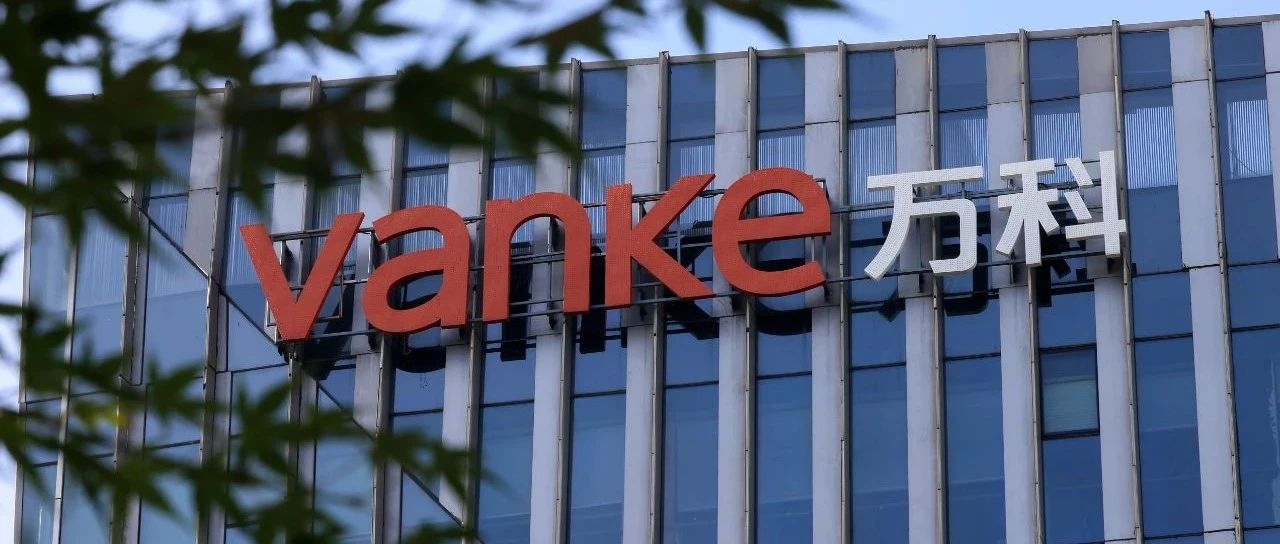
深铁再伸援手,年内已向万科直接“输血”近120亿
Di Yi Cai Jing· 2025-05-14 13:20
Core Viewpoint - The continuous financial support from Shenzhen Metro Group to Vanke highlights the latter's increasing debt repayment pressure and liquidity challenges amid a weak sales environment [2][3][5]. Group 1: Financial Support and Borrowing - Shenzhen Metro Group plans to provide a loan of up to 1.55 billion yuan to Vanke, aimed at repaying bond principal and interest, with a loan rate of 2.34% and a term of 36 months [2]. - This marks the fourth loan from Shenzhen Metro Group to Vanke in 2023, totaling 11.85 billion yuan in direct loans so far [2]. - The loan conditions remain lenient, allowing for potential extensions and without requiring additional guarantees from Vanke [2]. Group 2: Debt Repayment Pressure - Vanke completed five public debt repayments in Q1 2023, totaling 9.89 billion yuan, with cash used for debt repayment reaching 17.35 billion yuan, an increase of over 1.7 billion yuan year-on-year [3]. - Vanke has approximately 32.6 billion yuan of domestic debt maturing within the next year, with significant repayments due in May [3]. - The company has a substantial guarantee balance of 78.82 billion yuan, representing 38.89% of its audited net assets as of April 30, 2023 [3]. Group 3: Liquidity and Sales Challenges - Vanke's cash reserves decreased significantly to approximately 75.5 billion yuan by the end of Q1 2023, down over 12 billion yuan from the end of 2022 [4]. - The company's sales performance has been weak, with equity sales of only 29.85 billion yuan in the first four months of 2023, a 41% decline year-on-year, which is worse than the industry average [5]. - The ongoing liquidity risk for Vanke is compounded by insufficient inventory and cash flow challenges, necessitating a recovery in the real estate market and supportive policies for substantial debt risk mitigation [5][6].
万科最新一笔逾4亿美金到期美元债清零
Di Yi Cai Jing· 2025-05-13 07:51
Core Viewpoint - Vanke is facing significant debt repayment challenges in 2025, despite successfully completing a foreign debt repayment and a substantial domestic debt repayment in the first quarter of the year [2][3]. Debt Situation - As of the end of 2024, Vanke's interest-bearing liabilities amount to 361.28 billion yuan, a 12.9% increase from the beginning of the year, with short-term debt making up 158.28 billion yuan, or 43.8% of the total [2]. - Vanke has 88.16 billion yuan in cash, which is an 11.7% decrease from the start of the year, resulting in a cash-to-short-term debt ratio of 0.56 [2]. - In 2025, Vanke will face a peak in debt repayments, with 21.59 billion yuan of company bonds and medium-term notes maturing, accounting for nearly 50% of the outstanding bond balance [2]. Support from Major Shareholder - Vanke has received support from its major shareholder, Shenzhen Metro Group, which has provided three loans totaling 10.3 billion yuan since 2025, specifically for repaying Vanke's publicly issued bonds [3]. - The loans from Shenzhen Metro have favorable terms, including a low interest rate of 2.34% and flexible repayment arrangements [3][4]. - The latest loan of 3.3 billion yuan does not require collateral and allows for potential extensions, indicating increased support from Shenzhen Metro [4]. Management and Strategic Support - Shenzhen Metro has been actively involved in supporting Vanke through various means, including large transactions and REITs subscriptions, and has accelerated its management involvement in Vanke [4][5]. - The primary goal of Shenzhen Metro's management takeover is to mitigate Vanke's debt risks and restore market confidence [4]. - Vanke has expressed confidence in its recovery trajectory, supported by its major shareholder's commitment to using market-oriented and legal methods for ongoing support [5][6].
浦东金桥2025年一季度业绩下滑显著,需关注现金流与债务状况
Zheng Quan Zhi Xing· 2025-04-30 23:37
Core Viewpoint - The recent Q1 2025 report of Pudong Jinqiao (600639) indicates significant declines in revenue and net profit, raising concerns about the company's financial health and operational efficiency [2][3]. Financial Performance - Total revenue for Q1 2025 was 510 million yuan, a year-on-year decrease of 43.88% - Net profit attributable to shareholders was 103 million yuan, down 54.87% year-on-year - Non-recurring net profit was 91.17 million yuan, reflecting a 59.81% decline year-on-year [2]. Key Financial Indicators - Gross margin stood at 61.48%, a decrease of 5.57% year-on-year - Net margin was 18.27%, down 28.02% year-on-year - Operating expenses accounted for 26.94% of revenue, an increase of 76.96% year-on-year - Earnings per share (EPS) was 0.09 yuan, a decrease of 54.77% year-on-year - Cash flow per share was 0.9 yuan, a significant increase of 765.16% year-on-year [3]. Asset and Liability Situation - Cash and cash equivalents amounted to 5.616 billion yuan, an increase of 13.84% year-on-year - Accounts receivable reached 239 million yuan, up 11.94% year-on-year - Interest-bearing liabilities totaled 19.955 billion yuan, an increase of 6.69% year-on-year [4]. Financial Analysis - The company's return on invested capital (ROIC) was 3.95%, indicating weak capital returns - The net profit margin from the previous year was 35.89%, suggesting high value-added products or services [5]. Debt Servicing Ability - The ratio of cash assets to current liabilities was only 44.26%, indicating potential short-term repayment pressure - The average operating cash flow over the past three years was -22.34% relative to current liabilities, raising concerns about liquidity [6]. Financing and Dividends - Since its listing, the company has raised a total of 3.766 billion yuan and distributed 5.038 billion yuan in dividends, resulting in a dividend-to-financing ratio of 1.34, reflecting a proactive dividend policy [7]. Areas of Concern - Despite a significant increase in cash flow per share, the average operating cash flow over the past three years has been negative, necessitating ongoing monitoring - The interest-bearing debt ratio has reached 39.83%, and the negative average operating cash flow over the past three years could pose debt risks - The inventory-to-revenue ratio is high at 846.82%, warranting attention to inventory turnover [8].
