冻雨

Search documents
强劲寒潮来袭,“幕后推手”是西伯利亚强冷气团
Ke Ji Ri Bao· 2026-01-20 08:25
Core Viewpoint - A significant cold wave is affecting a large part of China, bringing extreme low temperatures, rain, snow, and ice, with the China Meteorological Administration issuing multiple weather warnings and emergency responses [1][2]. Group 1: Weather Impact - The cold wave has led to a drastic drop in temperatures, particularly in southern regions, with some areas experiencing freezing rain [1]. - The cold air mass from Siberia is responsible for this cold wave, which is characterized by a broad impact area, prolonged duration, and significant temperature drops [1][2]. - The central and eastern parts of China will experience extensive rain and snow, with specific regions like Hubei, Anhui, Jiangxi, Hunan, and Guizhou facing freezing rain lasting 2 to 3 days, accumulating between 5 to 10 millimeters [2]. Group 2: Mechanism of Freezing Rain - The formation of freezing rain is linked to a temperature inversion where warm air exists above cold air, causing ice crystals to melt into supercooled water droplets that freeze upon contact with surfaces [2]. - Many affected areas have low cloud layers, resulting in freezing rain primarily from supercooled droplets rather than ice crystals [2]. Group 3: Risks and Precautions - The combination of low temperatures and freezing rain poses risks such as road icing, damage to electrical and communication infrastructure, and agricultural harm [3]. - Public safety measures are advised, including precautions against slipping and freezing, as well as ensuring proper warmth during outdoor activities [3].
寒潮持续发威!南方多省冻雨落地成冰,局地冻雨量超8毫米
Xin Lang Cai Jing· 2026-01-20 04:32
Core Viewpoint - A significant cold wave is impacting southern China, with severe weather conditions including rain, snow, and freezing temperatures expected to last until January 23, 2023 [1][3]. Weather Impact - The cold wave has led to the issuance of multiple weather warnings, including orange alerts for low temperatures and ice, and yellow alerts for heavy snow in Hubei and other provinces [3][5]. - In Hubei, temperatures are expected to drop to as low as -7°C, with significant snowfall predicted in areas like Shiyan and Xiangyang [1][3]. Emergency Responses - Hunan Province has activated a level three emergency response to address the severe weather, focusing on energy supply, transportation, and urban operations [5][6]. - Hubei's meteorological bureau initiated a level three emergency response on January 18, coordinating with various sectors to mitigate risks associated with transportation, power supply, and agriculture [5][6]. - Guizhou Province has also activated a level four emergency response, emphasizing safety and stability measures [6]. Historical Context - Freezing rain is most common from November to March, with January and February being peak months for such weather events in China [4]. - Regions like Guizhou experience the highest frequency of freezing rain, with an average of 41.6 days per year, while Emei Mountain in Sichuan sees over 110 days of freezing rain annually [4].
寒潮为何带来冻雨?专家详解入冬最强雨雪冰冻天气
Yang Shi Wang· 2026-01-19 23:10
Core Viewpoint - A significant cold wave is affecting most parts of China, bringing widespread low temperatures, rain, snow, and ice, with severe impacts particularly in southern regions [1][3][4] Group 1: Weather Impact - The cold wave began on January 17, with a drastic drop in temperatures, especially in southern regions like Hunan and Guizhou, which experienced freezing rain [1][3] - The Central Meteorological Administration issued multiple weather warnings, including a yellow alert for cold waves, freezing, and blizzards on January 18 [3] - The cold air system, originating from Siberia, is spreading southward, affecting a large area with significant temperature drops and prolonged cold conditions [3][4] Group 2: Rain and Snow Conditions - A complex precipitation pattern is expected, with rain, snow, and freezing rain occurring in various regions, particularly from the Qinling Mountains to the Huai River [4] - Areas such as Hubei, Anhui, Jiangxi, Hunan, and Guizhou are forecasted to experience significant freezing rain, with accumulations of 5 to 10 millimeters [4] Group 3: Future Weather Outlook - The rain and snow are expected to weaken between January 20 and 21, but low temperatures will persist until around January 23, when a noticeable warming trend is anticipated [5] - After January 23, temperatures in southern regions may return to or exceed normal levels for this time of year, alleviating the severe cold conditions [5] Group 4: Public Safety and Preparedness - Authorities are advising the public to be cautious of potential secondary risks from the cold wave, including icy roads, damage to electrical and communication infrastructure, and agricultural frost [5] - The China Meteorological Administration is coordinating with transportation and energy departments to ensure safety and manage increased heating demands due to the cold [5]

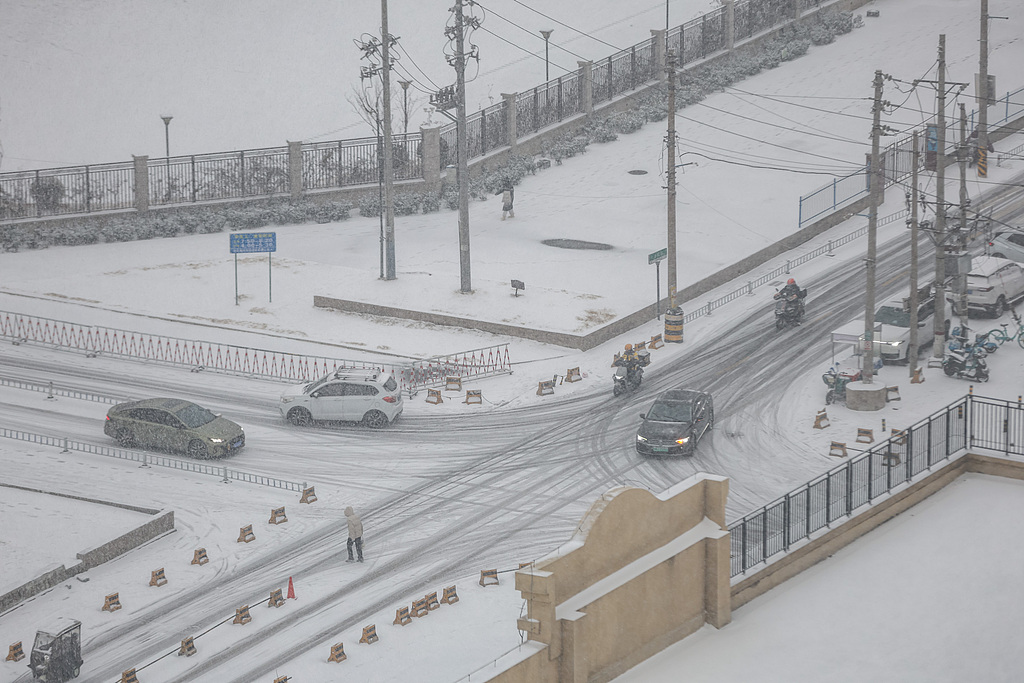
本轮雨雪冰冻天气迎最强时段
Xin Lang Cai Jing· 2026-01-19 18:11
Core Viewpoint - The article discusses the severe weather conditions in China, including a cold wave, heavy snowfall, and freezing rain, and compares the current situation to the 2008 winter disaster, indicating that while the impact is significant, it is not expected to reach the same severity as in 2008 [6][10]. Weather Warnings - The Central Meteorological Observatory issued three warnings: cold wave, heavy snowfall, and freezing rain, with a focus on regions like Henan and Hubei for heavy snowfall and Guizhou and Hunan for freezing rain [6][8]. - The cold wave began on January 17, with significant snowfall recorded in Beijing, where some areas experienced over 15 cm of snow [6][7]. Temperature Changes - From January 19 to 21, temperatures in the Yellow River and southward regions are expected to drop by 6°C to 10°C, with some areas experiencing drops of 10°C to 14°C, and localized drops exceeding 16°C [8][9]. - The freezing rain is anticipated to affect areas in Guizhou and Hunan, with expected precipitation of 1 mm to 3 mm, and localized areas receiving up to 8 mm [8][9]. Comparison to 2008 Disaster - The current weather conditions are compared to the 2008 disaster, which lasted nearly 20 days with multiple rounds of severe weather. The current cold wave's intensity and duration are expected to be less severe [10]. - The article notes that while the impact area is similar to 2008, the current cold wave is not expected to cause the same level of disruption [10]. Regional Focus - Special attention is drawn to Hunan and Guizhou, where freezing rain is expected to persist, and travel conditions may be hazardous due to icy roads [11]. - The overall weather conditions are expected to weaken by January 20 to 21, with temperatures gradually rising from January 23 onward [12].
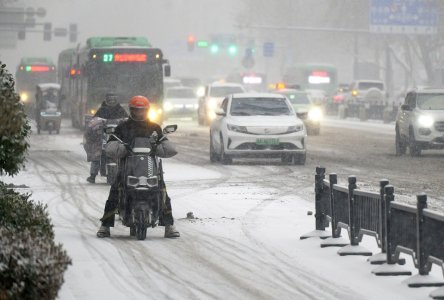
今年首场寒潮来袭,南方冻雨风险为何突出?
Xin Lang Cai Jing· 2026-01-19 16:10
Core Viewpoint - The current cold wave affecting various regions in China is the strongest since last winter, with significant freezing rain expected in southern areas, particularly in Hunan and Guizhou, necessitating attention and preventive measures [1][2]. Group 1: Weather Impact - The cold wave is characterized by a strong freezing rain event, with the Central Meteorological Observatory issuing a yellow warning for ice, predicting freezing rain amounts of 1 to 3 millimeters in many areas, with some regions in Hunan and Guizhou potentially exceeding 8 millimeters [1]. - The freezing rain phenomenon is attributed to the intense interaction between cold and warm air, leading to the formation of supercooled water droplets that freeze upon contact with surfaces, creating a hard ice layer [1][2]. Group 2: Regional Specifics - In Hunan, the freezing rain process is atypical, with low cloud heights preventing the formation of significant ice crystal layers, resulting in direct conversion of water vapor to supercooled droplets [2]. - The expected ice accumulation on power lines in Hunan ranges from 1 to 4 millimeters, with certain areas experiencing thicknesses of 5 to 10 millimeters, and high-altitude regions possibly reaching 20 millimeters [2]. Group 3: Precautionary Measures - Authorities advise the public to closely monitor weather forecasts and warnings, minimize outdoor activities during freezing rain, and take necessary precautions when traveling [2]. - Utility sectors, including electricity and telecommunications, are urged to enhance inspections and maintenance of lines and facilities to ensure safety during freezing rain events [2].
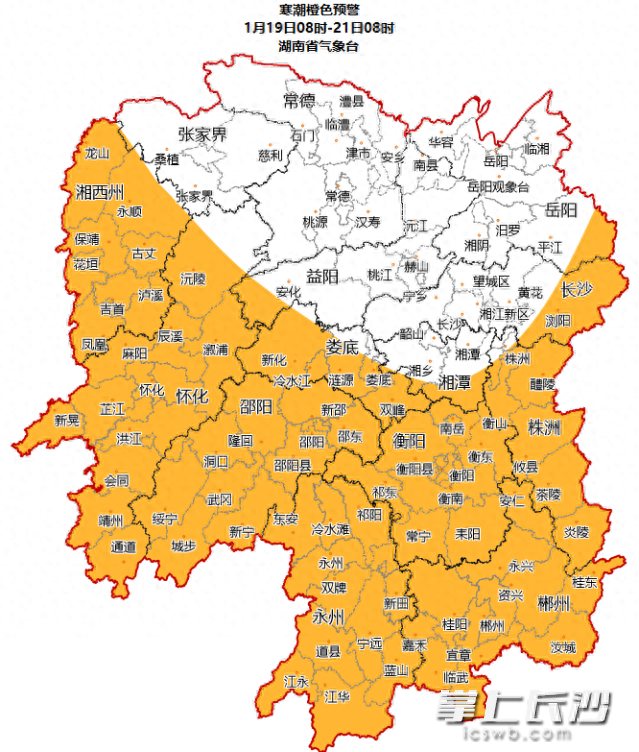
中雪大雪,即将抵达长沙县!
Xin Lang Cai Jing· 2026-01-19 04:45
Group 1 - The Hunan Meteorological Observatory has issued an orange cold wave warning, predicting a temperature drop of over 12°C in most areas of Hunan from 8 AM today until 8 AM on the 21st, with minimum temperatures expected to fall below 0°C in many regions [1][3] - A yellow warning for low temperature, rain, and snow has also been issued, forecasting freezing rain, sleet, or snow in parts of Hunan from 8 AM on the 19th to 8 AM on the 20th, with minimum temperatures below 0°C [3] - The provincial meteorological bureau has activated a level three emergency response for low temperature, rain, and snow, with relevant units entering a state of emergency response [3] Group 2 - The latest weather forecast for Changsha indicates a transition from light rain to freezing rain on the 19th, with temperatures ranging from -1°C to 3°C, and a forecast of snow on the following days [5][6] - Specific weather conditions include freezing rain turning to snow on the 20th, with temperatures dropping to -3°C to -1°C, and continued snow on the 21st [5][7] - The forecast also includes a clear day on the 23rd, with temperatures ranging from -3°C to 6°C [5][7] Group 3 - The public is advised to take precautions against the cold wave, including wearing warm clothing and securing outdoor items that may be affected by strong winds [9] - Recommendations include avoiding outdoor activities during severe weather and ensuring safety measures are in place for vulnerable populations [9][12] - The impact of cold waves includes potential damage to agriculture, transportation disruptions, and health risks due to extreme temperature drops [12][21]
本轮雨雪冰冻最强时段已到来,冻雨危害不容小觑
Xin Lang Cai Jing· 2026-01-19 04:45
Group 1 - The Central Meteorological Administration issued warnings for cold waves, heavy snow, and freezing weather, predicting significant temperature drops across various regions in China [1] - The temperature in southern regions is expected to decrease by 6°C to 10°C, with some areas experiencing drops of 10°C to 14°C, and localized drops exceeding 16°C [1] - The cold wave is expected to impact major provincial cities, with daytime highs around 0°C on January 21 [1] Group 2 - Freezing rain is defined as precipitation composed of supercooled water droplets that freeze upon contact with objects at temperatures below 0°C [2] - In southern China, freezing rain is also referred to as "ice rain," while in northern regions, it is known as "ground oil" or "flow ice" [2] Group 3 - Freezing rain can lead to significant hazards, with the risk of ice accumulation causing severe disruptions to transportation and damage to power infrastructure [3] - The Central Meteorological Administration highlighted that the impact of freezing rain is disproportionately severe compared to snowfall or rain, even at low volumes [3] - The current cold wave is characterized by complex precipitation states, particularly in southern regions, necessitating public caution regarding road conditions and health risks [3]
入冬以来最强雨雪冰冻天气来了!这次是“渗透式寒潮”
Xin Lang Cai Jing· 2026-01-17 10:33
Group 1 - The current cold wave is characterized by a prolonged low-temperature period, with southern regions experiencing significant temperature drops due to a "seasonal transition" effect [1] - The cold wave is expected to impact travel significantly, with complex rain and snow transitions in central and eastern regions, leading to slippery roads and potential travel disruptions [4] - The largest area of freezing rain this winter is forecasted, affecting nearly 10 provinces, which poses risks such as power outages and hazardous road conditions [6] Group 2 - From January 17 to 21, there is a high risk of icy roads in several provinces, including Henan, Shanxi, and Jiangsu, necessitating caution for travelers [8] - The cold wave may increase electricity load by approximately 18% compared to normal years, prompting safety measures for heating equipment and electricity usage [12] - The adverse weather conditions could negatively impact agriculture, particularly with freezing rain potentially damaging crops and livestock, necessitating protective measures in affected regions [13]
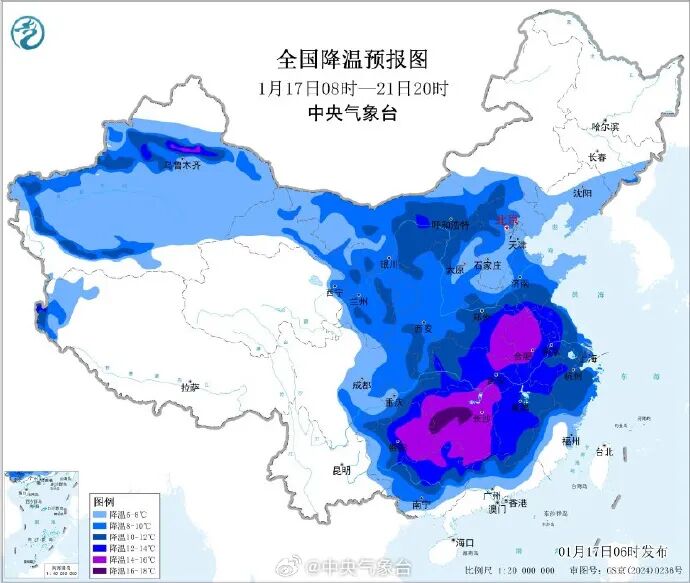
今年首场寒潮来袭 南方地区尤需防范冻雨风险
Ren Min Ri Bao· 2026-01-17 01:11
Core Viewpoint - The first cold wave of the year is expected to bring significant rain, snow, and freezing weather to the central and eastern regions of China, with temperatures dropping by 6 to 10 degrees Celsius, particularly affecting southern areas where snow and freezing rain are anticipated [1][2]. Summary by Sections Weather Impact - The cold wave will affect China from January 17 to 21, with widespread temperature drops of 6 to 10 degrees Celsius across most regions, and significant impacts in southern areas [1]. - The central meteorological station has issued a blue alert for the cold wave, and a level four emergency response has been activated due to the anticipated severe weather [1]. Regional Differences - The cold wave's impact will vary significantly by region, with northern areas like Northeast China and Beijing-Tianjin-Hebei experiencing less severe effects, while southern regions will face more substantial impacts [2]. - In the Yangtze River basin, temperature drops could exceed 12 degrees Celsius, with localized areas experiencing drops of up to 16 degrees Celsius [2]. Precipitation Characteristics - The cold wave will bring complex precipitation patterns, including rain transitioning to sleet, freezing rain, and snow, particularly in areas south of the Qinling-Huaihe line [2]. - The risk of freezing rain is highlighted as being significantly higher than that of heavy snow, with potential for severe disruptions to transportation and power infrastructure [2]. Agricultural Concerns - The Ministry of Agriculture and Rural Affairs, along with the China Meteorological Administration, has issued warnings regarding frost damage risks to winter wheat and rapeseed crops, advising farmers to take preventive measures [2][3].
大范围雨雪冰冻天气来袭!气象专家:冻雨风险显著高过暴雪风险
Zhong Guo Xin Wen Wang· 2026-01-16 08:33
大范围雨雪冰冻天气来袭!气象专家:冻雨风险显著高过暴雪风险 中新网北京1月16日电(记者 邵萌)近日,我国迎来一波大回暖,多地打破当地同期最暖纪录。不过,随 着今年首场大范围寒潮来袭,中东部大片地区将经历冷暖逆转。 1月16日,中国气象局举行寒潮媒体通气会,中央气象台首席预报员张涛在会上介绍,17日到21日,寒 潮过程将影响我国,中东部地区将出现入冬以来最强雨雪冰冻天气过程,陕西、山西、山东、河南、湖 北、湖南、安徽等地部分地区有暴雪和低温雨雪冰冻灾害风险。 资料图:1月10日,受冷空气影响,河北石家庄遭遇大风降温天气。图为市民包裹严实出行。中新 社记者 翟羽佳 摄 南方地区受影响大 张涛表示,由于冷空气持续补充南下,寒潮降温后会持续偏冷,南方会更加明显。对于大部分地区特别 是南方地区来说,预计低温天气要维持到1月25日左右,此后会慢慢回暖。 大范围雨雪冰冻天气将上线 冻雨风险显著高过暴雪风险 局地降温幅度可达16℃ 据中央气象台预计,此次寒潮影响进程为:17日影响新疆中北部、甘肃中西部和内蒙古西部;18日影响 西北地区东部、内蒙古中部和华北地区;19日继续影响中东部;20日至21日影响贵州及华南等地。另 外 ...