屯堡文化

Search documents
衣自明朝来,形随时代易
Ren Min Ri Bao· 2025-11-14 22:03
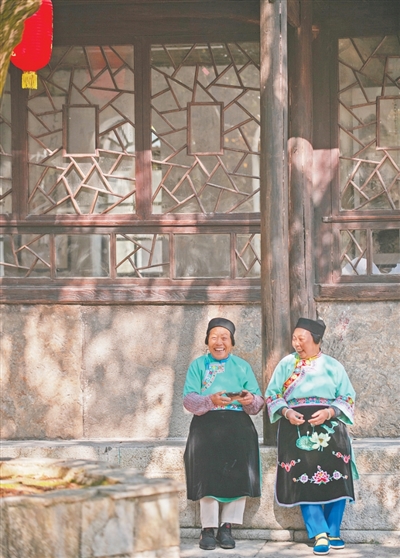
Core Viewpoint - The article discusses the cultural significance and evolution of the traditional attire of the Tunpu women in Guizhou, highlighting its historical roots and contemporary adaptations [2][3][4]. Group 1: Historical Context - Guizhou was historically a military strategic location, leading to a cultural blend of Central Plains and Jiangnan regions with local traditions, resulting in the formation of Tunpu culture [2]. - The traditional attire of Tunpu women includes distinctive elements such as the "big sleeve robe," characterized by intricate embroidery and vibrant colors [2]. Group 2: Cultural Significance - The attire serves as a symbol of cultural identity and continuity, with the "silk belt" being a notable element that has remained unchanged over generations [3]. - The Tunpu women's clothing reflects a blend of influences from immigrants, particularly from Fengyang, Anhui, integrating local ethnic elements [3]. Group 3: Contemporary Developments - Since the 1986 international performance of Tunpu opera, there has been a resurgence of interest in Tunpu culture, prompting a reevaluation of traditional attire [4]. - In the 21st century, the attire has evolved with more vibrant colors and patterns, and younger generations are innovating by combining traditional elements with modern designs, such as the "Tunpu cheongsam" [4].

六百年屯堡 续古韵新章
Ren Min Ri Bao· 2025-11-12 02:21
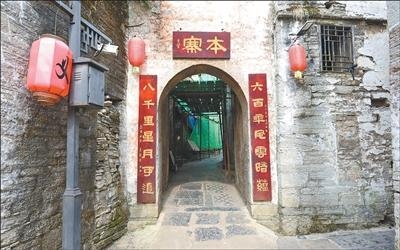
Core Perspective - The article highlights the historical significance and cultural value of the Tunbao culture in Guizhou, emphasizing its role in promoting cultural integration and tourism development in the region [2][3][6]. Cultural Heritage and Preservation - The Tunbao culture, rooted in military settlements from the Ming Dynasty, showcases a blend of Central Plains culture and local ethnic traditions, contributing to national unity and local development [3][5]. - The village of Benzhai has 36 traditional courtyard houses, with 27 designated as cultural heritage sites, reflecting the ongoing efforts to preserve historical architecture [4][5]. - Over 30 million yuan has been invested in recent years for the restoration and protection of ancient buildings in Benzhai village [4]. Cultural Promotion and Research - Guizhou has initiated a comprehensive plan to protect and utilize Tunbao culture, including the compilation of historical records and the revision of cultural heritage protection regulations [5][7]. - The province has established a high-level academic committee to promote research on Tunbao culture, with significant funding allocated for related projects [7][8]. Tourism Development - The integration of culture and tourism has led to increased visitor numbers and economic benefits for local communities, with the Old Zhou Ancient Town receiving over 2.9 million visitors in the first ten months of the year, a 26.3% increase [8][9]. - Local residents are capitalizing on tourism opportunities, with some earning substantial incomes from hospitality services [8][9]. - The province is developing themed tourism routes that connect various Tunbao sites, enhancing the overall tourism experience [9].
2025屯堡文化大会举办
Ren Min Ri Bao· 2025-11-11 22:40
Core Viewpoint - The 2025 Tunpu Cultural Conference held in Anshun, Guizhou Province, emphasizes the historical significance, contemporary value, and core connotations of Tunpu culture, highlighting its importance as a vital part of Chinese traditional culture [1]. Group 1: Conference Overview - The conference attracted nearly a hundred experts and scholars to discuss the in-depth exploration of Tunpu culture's historical connotations and contemporary value [1]. - The event featured a main forum and several sub-forums focused on various aspects of Tunpu culture, including its academic and discourse systems, and its role in building a shared spiritual home [1]. Group 2: Cultural Development Goals - Experts at the conference advocated for the active inheritance of Tunpu culture, aiming to upgrade it from a cultural concept to a cultural system, and from static cultural heritage to a vibrant spiritual home [1]. - The conference also aimed to transform cultural resources into a cultural industry, promoting the sustainable development of Tunpu culture [1].
去贵州当三天寨民,要花一个月戒断
3 6 Ke· 2025-04-28 08:37
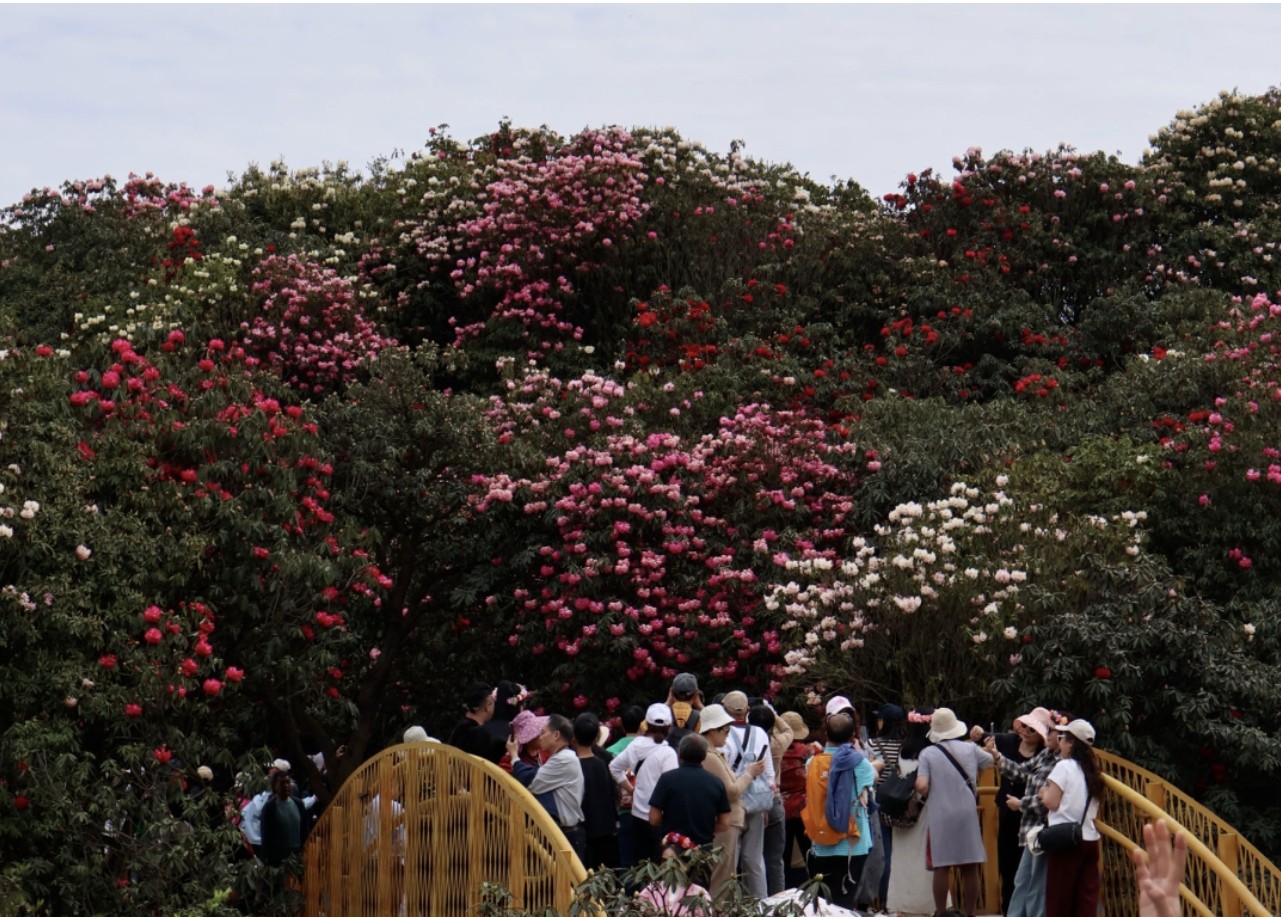
Group 1 - The article highlights the appeal of spring as a season that encourages people to take a break from work and explore nature, particularly in places like Guizhou [1][3] - Young travelers are seeking unique experiences in Guizhou's villages, engaging in local traditions and activities rather than typical tourist attractions [3][4] - The transformation of previously isolated villages, such as Huawu Village, into popular travel destinations showcases the region's natural beauty and cultural richness [4][6] Group 2 - Huawu Village, once cut off from modern amenities, has become a camping hotspot due to its stunning landscapes and local hospitality [6][9] - Visitors can participate in hands-on cultural experiences, such as wax dyeing and traditional embroidery, which enhance their understanding of the local heritage [9][11] - The article emphasizes the unique cultural identity of the Tuntou people in Anshun, who maintain distinct traditions and languages, contributing to the region's diverse cultural tapestry [13][16] Group 3 - The Tuntou culture is characterized by a blend of military history and agricultural practices, with a focus on trade and community [16][19] - The article describes the architectural features of Tuntou villages, which include defensive structures and intricate designs that reflect their historical significance [19][21] - Cultural performances, such as local theater, play a vital role in preserving the history and values of the Tuntou people, providing entertainment and a sense of community [21][23] Group 4 - The article suggests that visitors can experience authentic Tuntou culture in places like Benzhai, which retains traditional architectural styles and community values [21][25] - The region's hospitality is highlighted through local accommodations that offer immersive experiences, allowing guests to engage with the culture and environment [25][28] - The vibrant cultural scene in places like Zhaoxing Dong Village showcases the integration of traditional music and dance, creating a lively atmosphere for both locals and tourists [28][31] Group 5 - The article concludes by emphasizing the unique charm of Guizhou, where diverse cultures and natural beauty coexist, offering endless opportunities for exploration and discovery [31][34] - The region's culinary diversity and local ingredients reflect the rich cultural heritage, making it a destination for food enthusiasts [34]