
强对流天气

Search documents
体型庞大直径超1000公里 台风“桦加沙”未来发展趋势如何?
Yang Shi Xin Wen· 2025-09-24 01:53
Group 1 - Typhoon "Hagupit" is expected to be the strongest typhoon to make landfall in China this year, with significant impacts anticipated [1] - The typhoon has a diameter exceeding 1000 kilometers, indicating its large energy and abundant moisture, necessitating high attention to its subsequent effects [1] - The cold air moving southward is influencing the typhoon's path, which will primarily move westward along the coasts of Guangdong and Guangxi [1] Group 2 - The typhoon's wind radius is 150 kilometers, and vessels in the affected sea areas are advised to return to port and secure port facilities [1] - The combination of the astronomical tide during the lunar calendar's third day and the storm surge from "Hagupit" may lead to seawater backflow in the Pearl River Estuary [2] - Residents are urged to prepare emergency supplies, secure windows and doors, avoid going outside, and closely monitor relevant warnings and forecasts [2]
上海一天创下三个气象纪录
Qi Lu Wan Bao· 2025-09-18 01:28
Core Insights - On September 17, Shanghai set three meteorological records, with the highest temperature reaching 37.3°C, marking the latest hot day in the city's history [1] - As of September 17, the total number of high-temperature days this year has reached 53, making it the second highest since records began in 1873 [1] - The number of high-temperature days in September has reached 8, the highest for the month [1] Weather Patterns - A significant cold air mass is approaching, leading to intense interactions between warm and cold air in Shanghai [1] - Strong convective weather was observed in the northern and central parts of Shanghai, with hail approximately 1 cm in diameter reported in several districts [1] - The forecast indicates that high temperatures above 35°C will be rare in the next 10 days, with increased rainfall expected due to the influence of eastern sea air currents [1] Tropical Activity - The Central Meteorological Observatory predicts that 2 to 3 typhoons may form in the South China Sea and the Northwest Pacific region due to active tropical convection [1]
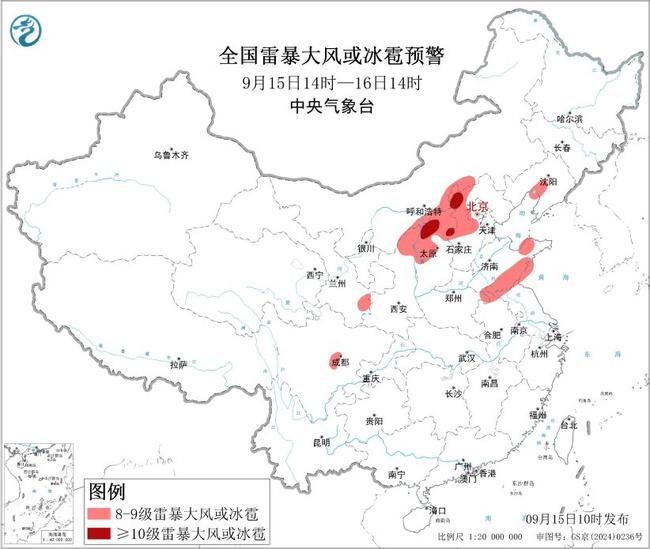
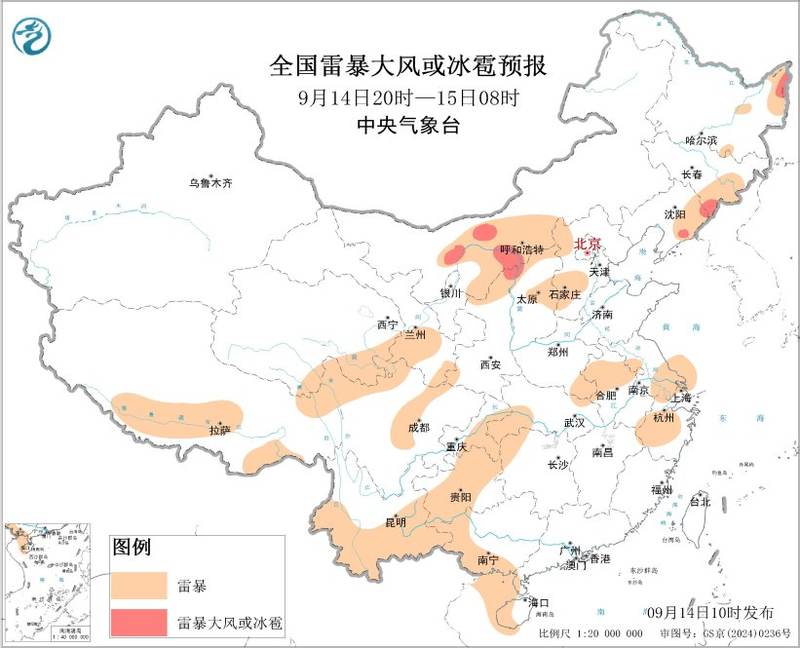
强对流天气蓝色预警:山西河北等地部分地区将有10级以上雷暴大风
Yang Shi Wang· 2025-09-15 03:57
Core Points - The Central Meteorological Observatory issued a blue alert for severe convective weather, predicting strong thunderstorms and hail in various regions from September 15 to September 16 [1][3] - Areas expected to experience wind speeds of 8 or above include southern Northeast China, northern North China, and eastern and southern Huanghuai, with some regions in northern Shanxi and northern Hebei potentially seeing winds exceeding level 10 [1] - Heavy rainfall is anticipated, with hourly precipitation exceeding 20 mm in several regions, and some areas like central Liaoning, southern Shandong, northern Anhui, northern Jiangsu, and central Sichuan may see hourly rainfall exceeding 50 mm, with maximums potentially reaching over 70 mm [1] Defense Guidelines - Government and relevant departments should prepare for short-term heavy rain, thunderstorms, and strong winds, with meteorological departments readying for artificial hail prevention [5] - Outdoor activities should be minimized, and individuals should stay away from temporary structures and billboards [5] - Livestock should be moved to covered areas, and doors and windows should be secured [5] - Water operations and passing vessels should take measures to return to port or navigate around affected areas, while construction sites should cover materials and secure outdoor items [5] - Drainage systems in cities, farmland, and fish ponds should be checked, and preparations for flood and landslide defenses should be made [5]

北京等地9月现冰雹是否罕见?中央气象台专家回应
Xin Jing Bao· 2025-09-14 22:58
Core Viewpoint - The occurrence of severe convective weather, including hailstorms, in northern China during mid-September is unusual but not abnormal, attributed to the interaction of cold and warm air masses as the seasons transition [3][5][6]. Group 1: Weather Phenomena - Severe convective weather, including thunderstorms and hail, was reported in Beijing and surrounding areas due to the influence of a "supercell storm" [1][3]. - The Central Meteorological Observatory issued a blue alert for severe convective weather, predicting continued thunderstorms and hail in various regions [1][3]. - The phenomenon of hail is linked to the characteristics of the thunderstorm clouds, with the size and quantity of hail being influenced by the vertical motion within these clouds [6]. Group 2: Meteorological Analysis - The primary causes of the recent severe weather include the southward movement of the westerly wind belt and the influx of warm, moist air from the south, creating conditions favorable for severe convective weather [3][5]. - Although the frequency of such weather events in September is low, it is not considered rare, as similar occurrences have been documented in previous years [4][5]. - The distribution of hail is uneven, with localized areas experiencing significant accumulation while others remain unaffected, due to the small scale of the thunderstorm clouds [6]. Group 3: Future Weather Predictions - The likelihood of further severe convective weather events is expected to decrease as the transition from summer to autumn progresses, although isolated incidents may still occur [7]. - Predictions indicate potential thunderstorms in specific regions, but the overall probability of severe weather is lower compared to the recent events [7].
北京又现冰雹?气象部门解读背后原因
Xin Hua Wang· 2025-09-14 09:31
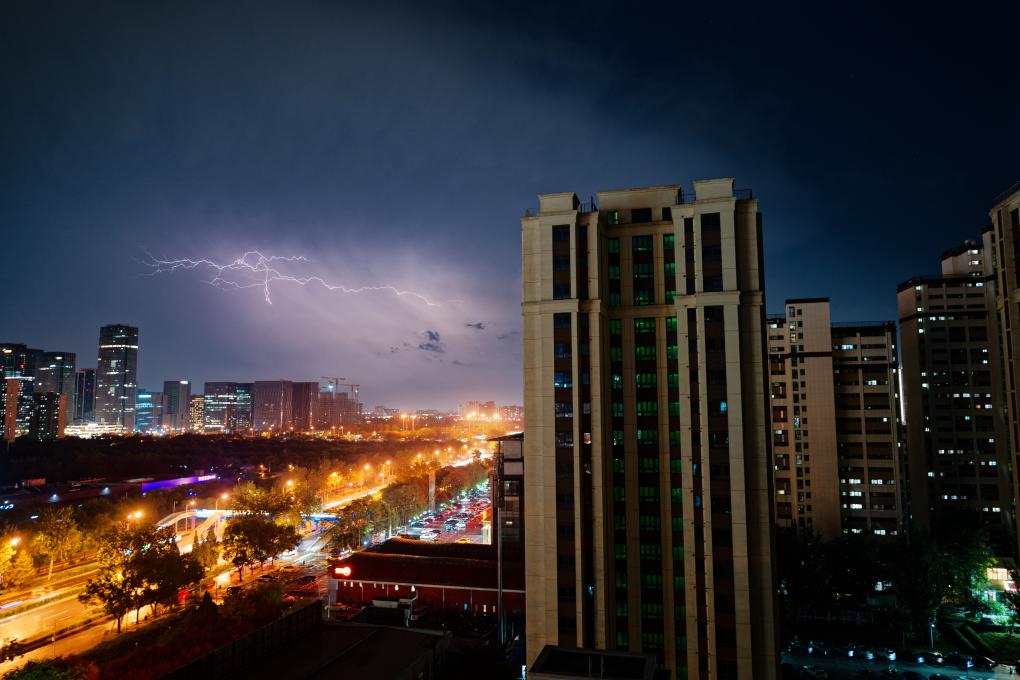
Group 1 - A strong convective weather event occurred in Beijing on the night of September 13, resulting in thunderstorms and hail, with some areas experiencing significant accumulation of hail, leading to a phenomenon referred to as "Ice Age" by netizens [1][2] - The average rainfall in Beijing from 16:00 on September 13 to 02:00 on September 14 was 6.8 millimeters, with the maximum rainfall recorded at 42.5 millimeters in Mentougou [1] - The weather conditions leading to this event included high temperatures in early September, creating favorable low-level warm and humid conditions, combined with the influence of cold air from above, resulting in unstable atmospheric layering conducive to severe convective weather [2] Group 2 - The convective cloud system intensified as it moved from mountainous areas to the plains, forming a "supercell storm" that is prone to producing hail, strong winds, and localized heavy rainfall [2] - Meteorological forecasts indicate that another rainfall event is expected in Beijing from the morning to midnight of September 15, with light thunderstorms and varying rainfall intensities across the city [2]
10级以上雷暴大风来袭
Zhong Guo Ji Jin Bao· 2025-09-13 23:53
Group 1 - The Central Meteorological Observatory issued a blue warning for severe convective weather, predicting strong thunderstorms and hail in parts of Inner Mongolia, Northeast China, and northern Jiangnan from September 14, 08:00 to September 15, 08:00 [2] - Areas in central and southeastern Heilongjiang are expected to experience thunderstorm winds exceeding level 10, while parts of the Northeast, Northwest Huabei, northern Jiangnan, and eastern and southwestern regions may see short-term heavy rainfall with hourly precipitation exceeding 20 mm, and in some areas like southeastern Chongqing and southwestern Guizhou, it could exceed 50 mm, reaching up to 60 mm [2] - The main impact period for the severe convective weather is expected to be during the daytime of September 14 [3] Group 2 - The government and relevant departments are advised to prepare for short-term heavy rain, thunderstorms, and strong winds, while meteorological departments should be ready for artificial hail prevention [4] - Outdoor activities should be minimized, and people should stay away from structures like awnings and billboards [4] - Livestock should be moved to covered areas, and windows and doors should be secured [4] Group 3 - A severe convective weather event occurred in Beijing on the evening of September 13, with scattered thunderstorms, strong winds, hail, and short-term heavy rainfall reported [5] - Citizens described the hail as unprecedented, with some sharing videos showing significant accumulation of hailstones [6] - The formation of this severe hailstorm was attributed to a supercell thunderstorm, influenced by unstable atmospheric conditions due to a late southward shift of the subtropical high and abundant moisture in the lower atmosphere [6]
10级以上雷暴大风来袭
中国基金报· 2025-09-13 23:20
Core Viewpoint - The article discusses the blue alert for severe convective weather issued by the Central Meteorological Observatory, highlighting the expected severe weather conditions across various regions in China, including strong winds, hail, and heavy rainfall [2][3]. Summary by Sections - **Severe Weather Forecast** - A blue alert for severe convective weather is in effect from September 14, 08:00 to September 15, 08:00, predicting areas in Inner Mongolia, Northeast China, and northern Jiangnan to experience winds exceeding level 8, with some regions in Heilongjiang expected to see winds above level 10 [2]. - Short-term heavy rainfall is anticipated, with hourly rainfall exceeding 20 mm in several areas, and some regions in Chongqing and Guizhou may see hourly rainfall exceeding 50 mm, potentially reaching over 60 mm [2]. - **Impact Timing** - The main impact period for the severe convective weather is expected to be during the daytime of September 14 [3]. - **Defense Guidelines** - Government and relevant departments should prepare for short-term heavy rain, thunderstorms, and strong winds, while meteorological departments should be ready for artificial hail prevention [6]. - Outdoor activities should be minimized, and individuals should stay away from temporary structures [6]. - Livestock should be moved to sheltered areas, and windows and doors should be secured [6]. - Waterway operations should take precautions, and construction sites should protect materials from the weather [6]. - Drainage systems in urban areas, farmland, and fish ponds should be checked and prepared for potential flooding and landslides [6]. - **Recent Severe Weather Events** - On the evening of September 13, Beijing experienced severe convective weather, including thunderstorms, strong winds, hail, and short-term heavy rainfall, leading to public astonishment at the intensity of the hail [8]. - The hailstorm was attributed to the formation of a supercell thunderstorm, influenced by unstable atmospheric conditions due to the late southward movement of the subtropical high and abundant moisture in the lower atmosphere [8][9]. - The combination of cold air aloft and warm, moist air below created an unstable stratification conducive to the development of severe convective weather [9].

强对流天气预警:北京内蒙古河北等地部分地区有10级以上雷暴大风
Yang Shi Wang· 2025-09-13 02:59
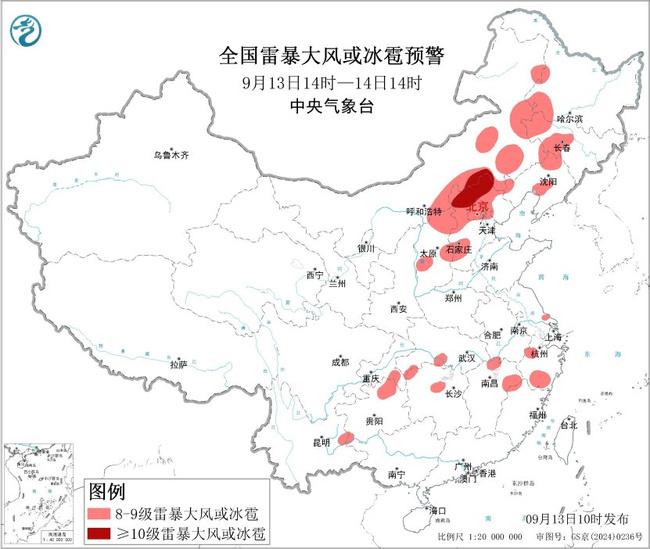
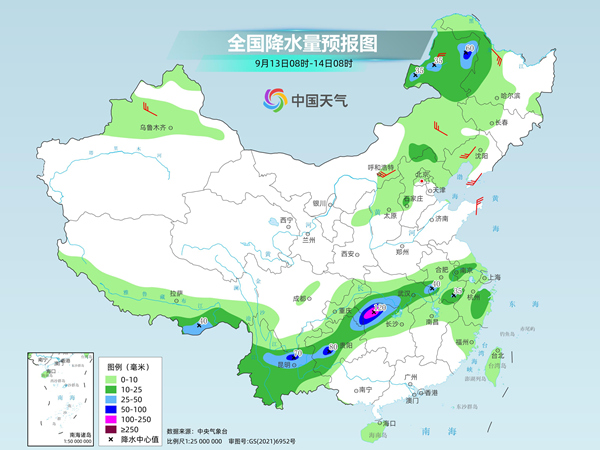
Group 1 - The Central Meteorological Observatory issued a blue warning for severe convective weather, predicting strong thunderstorms and hail in various regions from September 13 to September 14 [1] - Areas expected to experience wind speeds exceeding level 10 include central Inner Mongolia, northern Hebei, and northwestern Beijing, with significant rainfall forecasted in parts of southern Hubei, northwestern Hunan, southeastern Chongqing, and northeastern Guizhou [1] - The main impact period for severe convective weather is anticipated to be from the afternoon to the night of September 13 [1] Group 2 - Government and relevant departments are advised to prepare for short-term heavy rain, thunderstorms, and strong winds, with meteorological departments readying for artificial hail prevention [4] - Outdoor activities should be minimized, and individuals are advised to stay away from temporary structures and billboards [4] - Precautions include securing livestock in covered areas, checking drainage systems, and preparing for potential disasters such as mountain floods and landslides [4]
周末我国暴雨范围缩减 下周北方气温将大面积创下半年来新低
Yang Shi Wang· 2025-09-13 01:14
Summary of Key Points Core Viewpoint - The article discusses the recent weather patterns in China, highlighting the ongoing heavy rainfall in certain regions and contrasting temperature trends between the north and south of the country. Group 1: Rainfall and Weather Conditions - Heavy rainfall has been observed in regions such as Hunan, Guizhou, and Yunnan, with local areas experiencing severe downpours [1][2] - The Central Meteorological Observatory predicts continued rainfall in parts of Tibet, Inner Mongolia, Heilongjiang, and other areas, with some regions expecting heavy rain [3][4] - Meteorological experts warn residents in frequently affected areas like Sichuan, Chongqing, and Yunnan to take precautions against potential geological hazards due to the heavy rains [5] Group 2: Temperature Trends - Southern regions, particularly Jiangnan and Huannan, are experiencing persistent high temperatures, with many locations in Zhejiang, Fujian, Jiangxi, and Hunan recording temperatures above 35°C [6] - The northern regions are expected to see a significant drop in temperatures due to active cold air and rainy weather, with many areas experiencing their lowest temperatures in the second half of the year [6]
中央气象台9月6日6时解除强对流天气蓝色预警
Mei Ri Jing Ji Xin Wen· 2025-09-05 23:27
Core Viewpoint - The Central Meteorological Observatory lifted the blue alert for severe convective weather due to the reduction in both the range and intensity of such weather conditions [1] Summary by Relevant Sections - **Weather Forecast** - From 8 AM on September 6 to 8 AM on September 7, localized thunderstorms, strong winds, or hail are expected in central Anhui, eastern Jiangsu, eastern Hubei, southern Hunan, and northern Jiangxi [1] - Certain areas in eastern Shandong, central and southern Anhui, northern Jiangsu, eastern and southern Hubei, central southern Hunan, northern Jiangxi, southeastern Fujian, northeastern Sichuan, northeastern Chongqing, southern Guizhou, eastern and southern Yunnan, and southern Hainan Island may experience short-term heavy rainfall, with hourly precipitation ranging from 20 to 40 millimeters, and localized amounts exceeding 70 millimeters [1]