
强对流天气

Search documents
广州雷雨大风冰雹橙色预警!清明假期这些地方也有暴雨
券商中国· 2026-03-30 04:30
Group 1 - The article highlights the occurrence of severe convective weather in southern China, particularly in Guangzhou, where multiple districts have issued orange alerts for thunderstorms and hail [1][2] - A blue rainstorm warning has been issued for six provinces, indicating heavy to torrential rain in regions including southern Hunan, southern Jiangxi, and most parts of Guangdong and Guangxi [2][4] - The Central Meteorological Observatory has continued to issue yellow alerts for severe convective weather, predicting wind speeds exceeding level 10 in certain areas, with maximum gusts potentially reaching level 11 [6] Group 2 - The article outlines a forecast of two rounds of strong rainfall and severe convective weather from April 2 to April 7, affecting various regions including the southwest, Jianghan, Jiangnan, and Huazhong [4] - The upcoming Qingming holiday is expected to be impacted by this weather, prompting advice for residents to plan their travel accordingly and stay updated on weather warnings [4][6]

中央气象台:广东等地将有短时强降水天气
Xin Lang Cai Jing· 2026-02-27 11:12
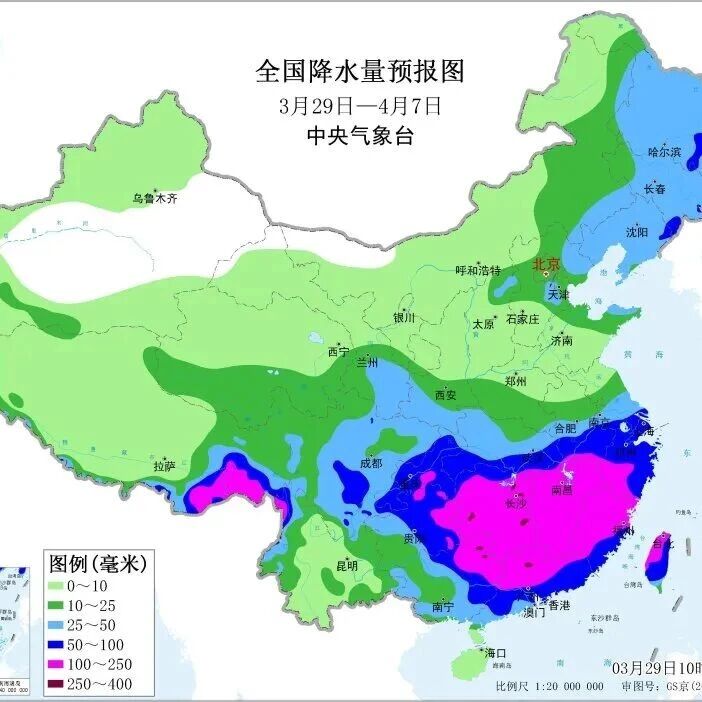
Group 1 - The article highlights that there will be short-term heavy rainfall in parts of northern Guangdong and other regions from February 27, 20:00 to February 28, 20:00, with hourly rainfall expected to reach 20-40 millimeters, and localized areas exceeding 40 millimeters [1] - It also mentions that there will be thunderstorms in central Chongqing, southern Hunan, southern Jiangxi, southwestern Fujian, eastern Guangxi, and northern Guangdong during the same period [1] - The article states that there is currently no significant severe convective weather across the country from February 27, 08:00 to 14:00 [1] Group 2 - The forecast for severe convective weather includes thunderstorms, strong winds (≥17.2 m/s), hail, and short-term heavy rainfall [6] - Recommendations for disaster prevention include precautions against lightning, potential secondary disasters from heavy rainfall, and the impact of strong winds on structures and operations [6]
北方有大风降温沙尘天气 内蒙古东北部黑龙江等地有较强降雪
Xin Lang Cai Jing· 2026-02-21 11:03
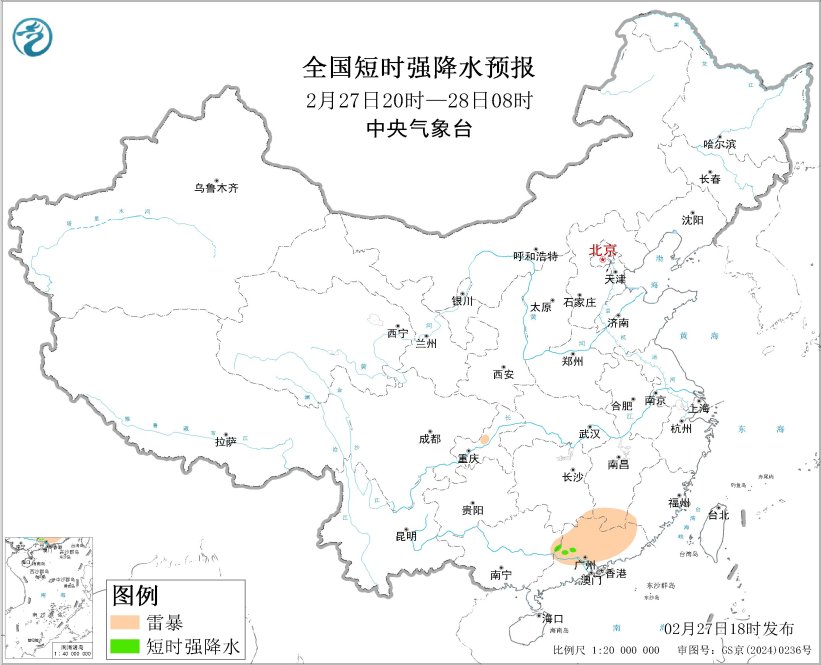
Summary of Key Points Core Viewpoint - The article discusses significant weather events affecting northern China, including strong winds, temperature drops, and dust storms, as well as heavy snowfall in specific regions. It emphasizes the potential impacts on transportation, tourism, and public health during the Spring Festival travel period. Weather Conditions - Strong winds and temperature drops are reported in the eastern Northwest region, Inner Mongolia, and Shanxi, with wind speeds reaching 12-14 levels in some areas. Temperature drops of 6-10°C are expected, with some regions experiencing drops exceeding 12°C [2][5] - Dust storms and floating dust are prevalent in the Northwest, North China, and Inner Mongolia, with local sandstorms reported in areas like Bayannur and Hohhot [2][7] Weather Forecast - From the night of February 21 to February 22, temperatures in Inner Mongolia, the northern Northwest, and Northeast China are expected to drop by 6-10°C, with some areas experiencing drops of 12-14°C [2][5] - A blue cold wave warning has been issued, indicating significant temperature drops across various regions [2] Snowfall Predictions - Heavy snowfall is anticipated in northeastern Inner Mongolia, western Heilongjiang, and western Jilin, with local areas in Heilongjiang expecting extreme snowfall of 20-25 mm [9][12] - Accumulation of snow is expected to reach 6-12 cm in some areas, with localized regions exceeding 18 cm [9] Rainfall and Severe Weather - From February 22 to 24, southern regions are forecasted to experience widespread rainfall, with strong rain expected in areas like Guizhou, Hunan, and Jiangxi, potentially leading to secondary disasters [11][12] - Severe convective weather, including thunderstorms and hail, may occur in parts of Jiangnan and Guizhou [11]
雨、雪、寒潮!春节出行,紧急提醒
券商中国· 2026-02-15 10:28
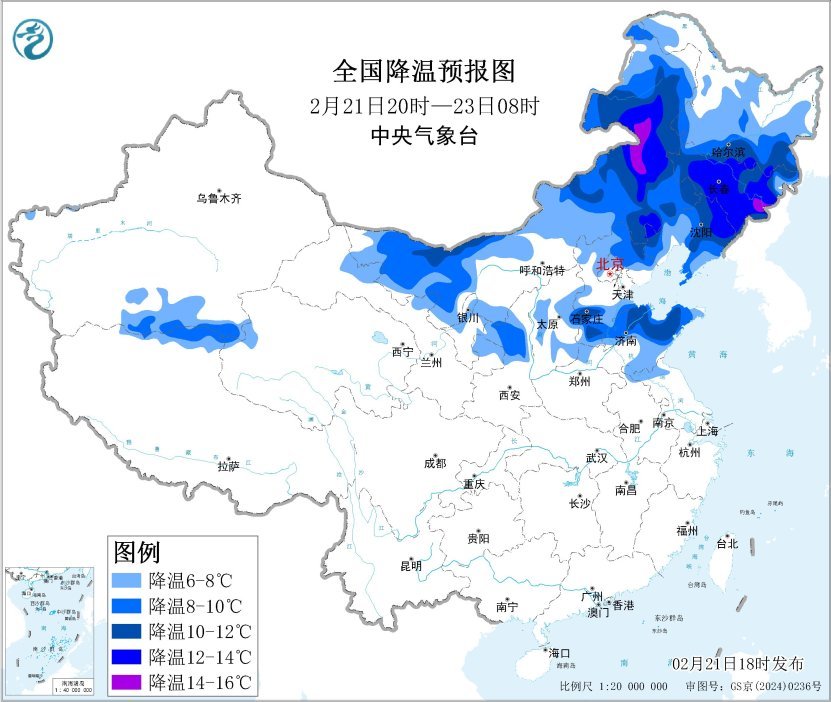
Summary of Key Points Core Viewpoint - The article discusses the significant weather changes in China during the Spring Festival, highlighting increased precipitation, potential snowfall in certain regions, and a cold wave affecting the central and eastern parts of the country. Group 1: Weather Forecast - Increased precipitation is expected across southern China, with regions like Shaanxi and Henan possibly experiencing snowfall [2][7] - A cold wave will move southward, leading to temperature drops of 6 to 10 degrees Celsius in various areas, with some localities in western Jiangnan experiencing drops exceeding 12 degrees Celsius [8] Group 2: Specific Weather Conditions - From February 15 to 17, areas including northeastern Inner Mongolia, central and northern Heilongjiang, and parts of Jiangnan will see significant temperature decreases [8] - Rainfall will be widespread in southern regions, with heavy rain expected in parts of Hubei, northern Hunan, and northern Jiangxi [6][7] Group 3: Public Safety Advisory - The article advises the public to pay attention to weather forecasts and warnings due to the potential for severe convective weather, including thunderstorms and localized hail [7]

雨、雪、寒潮!春节出行,紧急提醒
Xin Lang Cai Jing· 2026-02-15 09:33
Core Viewpoint - The article discusses the impact of a cold wave and increased precipitation across various regions in China during the Spring Festival holiday, highlighting potential severe weather conditions such as snow and strong convective weather. Group 1: Weather Forecast - Increased precipitation is expected across southern China, with regions like Shaanxi and Henan likely to experience snowfall [2][3] - The Central Meteorological Administration predicts small to moderate snow or sleet in several areas, including parts of Heilongjiang and Xinjiang, while regions like Hubei and Hunan may see heavy rain [3][4] - The cold wave will lead to significant temperature drops, with some areas experiencing declines of 6 to 10 degrees Celsius, and localized drops exceeding 12 degrees Celsius in western Jiangnan [7] Group 2: Public Safety and Recommendations - The public is advised to pay attention to weather forecasts and warnings due to the potential for severe weather, including thunderstorms and localized hail during the holiday [6] - As temperatures fluctuate, individuals are encouraged to adjust their clothing accordingly to avoid illness [8]
春节假期开端我国降水增多增强 寒潮携降温影响中东部
Xin Lang Cai Jing· 2026-02-15 02:09
Core Viewpoint - The article discusses the weather conditions in China during the Spring Festival holiday, highlighting increased precipitation, potential strong convective weather, and significant temperature drops due to a cold wave affecting the central and eastern regions of the country [1][6]. Weather Conditions - On February 15, the first day of the Spring Festival holiday, increased precipitation is expected in various regions, with possible strong convective weather in parts of Jianghan and Jiangnan, and snowfall in Shaanxi and Henan [1]. - The cold wave is anticipated to move southward, causing temperature drops exceeding 12°C in localized areas of western Jiangnan [1][6]. - The northeastern region experienced snowfall, while the southwestern region saw rain due to warm and humid air [1]. Forecasts - The Central Meteorological Observatory predicts small to moderate snow or sleet in several areas, including northeastern Heilongjiang and parts of Xinjiang, with moderate to heavy rain expected in regions like Hubei and Hunan [1][2]. - The weather forecast indicates that from February 15 to 17, temperatures in the central and eastern regions will drop by 6 to 10°C, with localized areas in western Jiangnan experiencing drops of over 12°C [6]. Public Advisory - The article advises the public to pay attention to weather forecasts and warnings due to the potential for thunderstorms, strong winds, and localized hail during this period [4].
专家解读丨春节前夕返乡须留意大雾影响 南方多地有强对流天气
Xin Lang Cai Jing· 2026-02-14 08:18
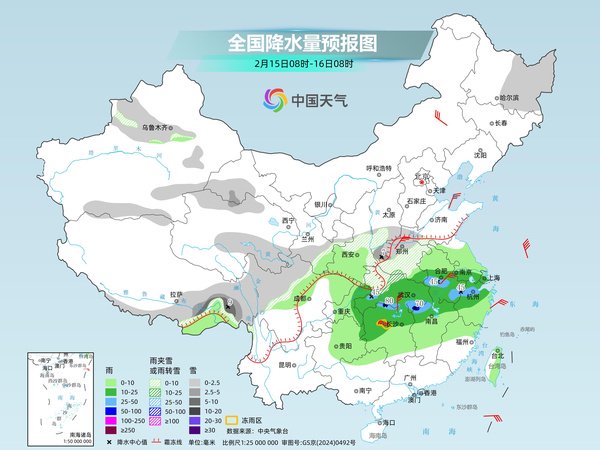
Core Viewpoint - A cold wave and significant fog are expected to impact large areas of central and eastern China from February 14 to 16, with accompanying rain and potential severe weather conditions [1][5]. Weather Warnings - The Central Meteorological Observatory issued a blue alert for cold waves and a yellow alert for fog, indicating visibility issues in various coastal and inland areas [1]. - Visibility in certain regions, including the Yellow Sea and East China Sea, is expected to drop below 1 kilometer, with some areas experiencing dense fog with visibility under 500 meters [1]. Temperature Changes - The cold wave is projected to cause temperature drops of 6°C to 10°C across most of central and eastern China, with some areas experiencing drops of 10°C to 12°C, and localized drops exceeding 14°C [5][8]. Rain and Snow Forecast - Rain and snow are anticipated, particularly on February 15, with regions such as Xinjiang, Tibet, and parts of central and southern China experiencing light to moderate snow or sleet [8]. - Areas in Hubei and Hunan are expected to see heavy rain, with localized thunderstorms and potential for severe weather including hail and short-term heavy rainfall [5][8]. Impact on Travel and Safety - The low visibility and severe weather conditions may affect aviation and coastal tourism, necessitating caution for travelers during this period [3][5]. - The combination of cold temperatures, strong winds, and wet conditions will create hazardous travel conditions, particularly on roads [8].
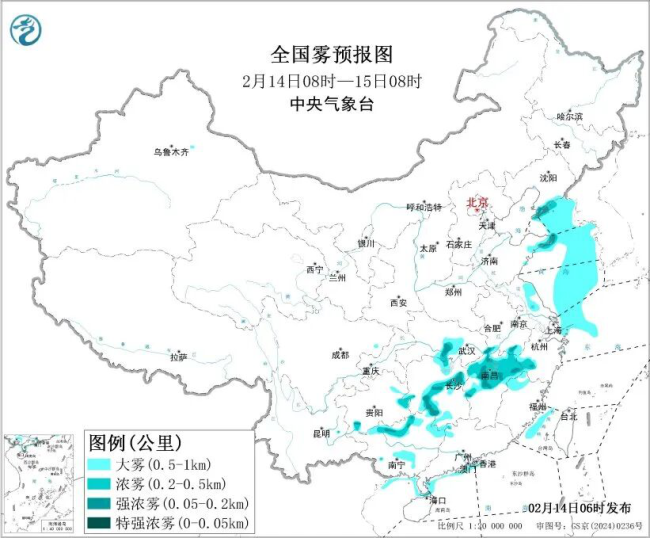
春节前夕返乡须留意大雾影响 南方多地有强对流天气
Xin Lang Cai Jing· 2026-02-14 08:18
Group 1 - A cold wave blue alert and fog yellow alert were issued by the Central Meteorological Administration, indicating significant weather changes in the central and eastern regions of China over the next three days [1] - The cold wave is expected to cause temperature drops of 6°C to 10°C across most of the central and eastern regions, with some areas experiencing drops of 10°C to 12°C, and localized drops exceeding 14°C [6][9] - The first significant convective weather of the spring season is forecasted, with rain and thunderstorms expected in the southwestern, Jianghan, Jianghuai, Jiangnan, and South China regions from February 14 to 16 [4][6] Group 2 - Visibility issues due to fog are anticipated in various coastal areas, including the Yellow Sea, East China Sea, and the Qiongzhou Strait, with some areas experiencing visibility below 500 meters [1][3] - The convective weather is expected to bring thunderstorms, hail, and short-term heavy rainfall, particularly affecting regions like southern Chongqing, Guizhou, and central Hubei [6] - Rain and snow are expected in several regions, with significant snowfall predicted in parts of Tibet, Hubei, and Henan, while heavy rain may occur in areas like Jiangxi and Zhejiang [7]
我省平均气温为3.5摄氏度
Xin Lang Cai Jing· 2026-01-21 18:32
Core Insights - The 2025 Climate Bulletin of Qinghai Province indicates a general trend of higher temperatures across all seasons, uneven precipitation, and an increase in extreme weather events [1][2] Temperature Trends - The average temperature in Qinghai Province for 2025 is projected to be 3.5 degrees Celsius, which is 0.7 degrees Celsius higher than the historical average, marking it as the fourth warmest year since 1961 [1] - All four seasons are expected to experience higher temperatures, with autumn showing the most significant increase of 1.0 degrees Celsius; July and October are forecasted to set records for the highest average temperatures since 1961 [1] Precipitation Patterns - The annual average precipitation is estimated at 384.5 millimeters, close to the historical average, but with significant seasonal distribution disparities; spring precipitation is expected to be 30.6% lower than normal, marking the lowest level in 25 years [1] - Summer and winter precipitation is slightly above average, but the overall distribution remains uneven [1] Extreme Weather Events - The year 2025 is anticipated to see a high frequency of extreme weather events, including concentrated heavy rainfall in late July, with the number of rainstorm occurrences being the highest for the same period in history [2] - October is expected to witness the latest occurrence of heavy rainfall since 1961, with many areas recording historical precipitation levels [2] - Spring is projected to experience severe meteorological drought in the eastern regions, with the highest frequency of sandstorm events in the last 20 years [2] - Notable events include an unprecedented cold wave at the end of winter and the beginning of spring, along with a significant number of high-temperature heat events during summer [2]
中央气象台10月2日10时继续发布强对流天气蓝色预警
Mei Ri Jing Ji Xin Wen· 2025-10-02 04:32
Core Viewpoint - The Central Meteorological Observatory has issued a blue alert for severe convective weather, predicting strong thunderstorms and hail in various regions from October 2 to October 3 [1] Weather Forecast - From 14:00 on October 2 to 14:00 on October 3, areas in eastern Jianghuai and northeastern Jiangnan are expected to experience thunderstorms with wind speeds exceeding level 8, with some regions in southern Jiangsu, northern and western Shanghai, and northern Zhejiang potentially facing winds above level 10, with maximum wind speeds reaching over level 11 [1] - The northeastern region of Southwest China, western Jianghan, eastern Jianghuai, and northeastern Jiangnan are forecasted to have short-term heavy rainfall, with hourly rainfall exceeding 20 millimeters in some areas, and regions in southern Jiangsu and northern and western Shanghai may see hourly rainfall exceeding 50 millimeters, with maximum amounts potentially reaching over 60 millimeters [1] - The main impact period for the severe convective weather is expected to be from the afternoon to the night of October 2 [1]