房地产政策优化调整

Search documents
上海楼市“沪六条”发布:外环外符合条件不限套数,单身买房视同家庭
Sou Hu Cai Jing· 2025-08-25 06:30
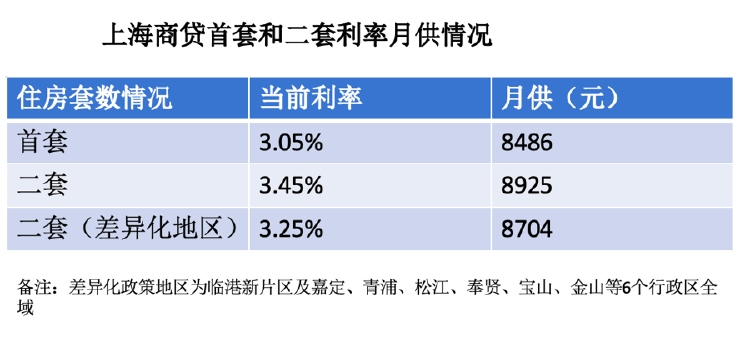
Core Viewpoint - Shanghai has announced a significant adjustment to its real estate policies, effective from August 26, 2025, aimed at stimulating housing demand and addressing market needs through various measures including changes to housing purchase restrictions, housing provident fund policies, housing credit, and property tax regulations [1][16]. Group 1: Housing Purchase Restrictions - Families meeting the criteria can purchase an unlimited number of homes outside the outer ring road, including both new and second-hand properties [3][17]. - Adult singles will be subject to the same housing purchase restrictions as resident families [4][10]. - Non-resident families who have paid social insurance or income tax in Shanghai for over one year can also purchase homes outside the outer ring without limit [17]. Group 2: Housing Credit Optimization - Commercial personal housing loan rates will no longer differentiate between first and second homes, potentially lowering costs for buyers [5][20]. - The maximum loan amount for housing provident funds will increase by 15% for those purchasing new green buildings rated two stars or above [5][19]. - Borrowers can withdraw their provident fund to pay the down payment without affecting their loan limits [15][19]. Group 3: Property Tax Adjustments - Non-resident families purchasing their first home will be exempt from property tax, while those buying a second home will receive a tax exemption for 60 square meters per person after combining all housing areas [6][21]. - This adjustment aims to reduce disparities between resident and non-resident families regarding property tax policies [6]. Group 4: Market Response and Trends - The new policies are expected to stimulate demand, particularly in the outer ring areas, where there is a significant number of potential buyers looking to upgrade their living conditions [8][9]. - The adjustments are part of a broader strategy to stabilize the real estate market and respond to public calls for more favorable housing policies [7][11].

北京重磅新政给楼市“添把火”
Di Yi Cai Jing Zi Xun· 2025-08-08 14:09
Core Viewpoint - Beijing has announced significant adjustments to its real estate policies, particularly regarding the purchase of properties outside the Fifth Ring Road, effective from August 9, 2025, allowing unlimited purchases for eligible families [2][3]. Group 1: Policy Changes - The new policy allows Beijing residents and non-residents who have paid social insurance or income tax for at least two years to purchase unlimited properties outside the Fifth Ring Road [2]. - The existing restrictions for properties within the Fifth Ring Road remain unchanged, with local families limited to two purchases and non-residents to one purchase if they have paid social insurance or income tax for three years [2]. - The rationale for lifting the purchase limit outside the Fifth Ring Road is to better meet the housing needs of residents and promote a balance between work and living conditions [2]. Group 2: Public Fund Policy Enhancements - The new policy expands the scope of public fund loans for first-time homebuyers, allowing those without housing in Beijing but with a cleared public fund loan record elsewhere to be classified as first-time buyers [4]. - For example, a home priced at 4 million yuan can see a reduction in the down payment by up to 600,000 yuan and a decrease in monthly payments by up to 253 yuan when classified as a first-time purchase [4]. - The maximum public fund loan for second homes has been increased from 600,000 yuan to 1 million yuan, with potential additional benefits for families meeting specific criteria [4]. Group 3: Market Context - In the first half of the year, new residential sales in Beijing reached 2.67 million square meters, a year-on-year increase of 3%, while second-hand home transactions totaled 88,600 units, up 18% year-on-year [6]. - However, July saw a decline in second-hand home transactions, with a 15.56% month-on-month drop and a 17.92% year-on-year decrease, indicating a need for policy intervention to stimulate the market [6].