构建人类命运共同体理念

Search documents
“全球治理倡议秉持多边主义原则,符合联合国宪章宗旨”——访联合国副秘书长李军华
Xin Hua She· 2025-09-21 01:28
Group 1 - The core viewpoint emphasizes China's commitment to multilateralism and the importance of maintaining a UN-centered international system and international order based on international law [1][2] - China's global governance initiatives, including the Global Development Initiative, Global Security Initiative, Global Civilization Initiative, and the concept of building a community with a shared future for mankind, reflect a strong emphasis on multilateral cooperation and addressing global challenges that no single country can solve alone [1] - The UN welcomes initiatives that promote peace, development, and dignity for all, highlighting the timeliness of China's proposals in the context of increasing climate change, widening wealth gaps, ongoing conflicts, and rapid technological advancements [1] Group 2 - China plays a significant role in promoting the purposes and principles of the UN Charter as a founding member and permanent member of the Security Council, being the second-largest contributor to the UN's regular and peacekeeping budgets [2] - Chinese peacekeeping personnel have participated in some of the most challenging UN peacekeeping operations, demonstrating China's commitment to maintaining world peace and security [2] - Through South-South cooperation and innovative financing mechanisms, China has enhanced and expanded the influence of the UN, exemplified by the China-UN Peace and Development Fund, which supports over 200 projects in more than 100 countries [2]
中国是维护国际秩序的重要支柱
Ren Min Ri Bao· 2025-09-06 04:46
Core Viewpoint - The historical contributions of the Chinese people in defeating Japanese militarism and their significant role in the global anti-fascist war are often marginalized or forgotten in the Western narrative, which is considered dangerous by former Italian Prime Minister Massimo D'Alema [2] Group 1: Historical Significance - D'Alema emphasizes the importance of remembering history and educating younger generations to maintain global peace and stability in the face of increasingly complex international situations [2] - The spirit of resistance demonstrated by the Chinese during the anti-Japanese war is viewed as a vital source of strength for China's modernization efforts, enabling the country to transform into the world's second-largest economy and achieve remarkable advancements in various fields within a century [2] Group 2: China's Role in International Relations - Since the victory in the anti-fascist war, China has been a crucial pillar in maintaining international order as a permanent member of the UN Security Council, actively participating in global governance and earning widespread recognition for its role [2] - D'Alema notes that the current international landscape is undergoing profound adjustments, entering a "disordered multipolarity" phase, which poses severe challenges to the UN-centered international system [3] Group 3: Global Cooperation and Challenges - The concept of building a community with a shared future for mankind is highlighted as a strategy to address global challenges such as peace maintenance, climate change, and poverty reduction, emphasizing that no country can thrive in isolation [3] - D'Alema points out the importance of solidarity among Global South countries, reflecting the significant evolution of the international power structure and the importance of emerging forces in promoting a more just and equitable international order [3]


中国是维护国际秩序的重要支柱(高端访谈)
Ren Min Ri Bao· 2025-09-05 22:22
Group 1 - The historical contribution of the Chinese people in defeating Japanese militarism and its significance in the global anti-fascist war is often marginalized in Western narratives, which is considered dangerous [2] - The spirit of resistance during the Anti-Japanese War is viewed as a driving force behind China's modernization achievements, transforming it into the world's second-largest economy within a century [2] - Since the victory in World War II, China has played a crucial role in maintaining international order as a permanent member of the UN Security Council, actively participating in global governance [2] Group 2 - The current international landscape is undergoing profound adjustments, entering a "disordered multipolarity" period, posing severe challenges to the UN-centered international system [3] - The concept of building a community with a shared future for mankind is seen as a strategy to address global challenges, emphasizing the need for collective action among nations [3] - The trend of solidarity among global South countries reflects a significant shift in the international power structure, highlighting the importance of emerging powers in promoting a more just and equitable international order [3]
铭记伟大胜利 坚持和平发展——“红厅论坛”国际研讨会热议中国人民抗日战争胜利的世界贡献
Xin Hua She· 2025-09-05 13:57
Core Viewpoint - The article emphasizes the significant contributions of the Chinese People's War of Resistance against Japanese Aggression to the global anti-fascist efforts during World War II, marking the 80th anniversary of the victory [1][2]. Group 1: Historical Contributions - The report highlights that China was the first to ignite the resistance against fascism, establishing the first large-scale anti-fascist battlefield and actively promoting strategic cooperation among the anti-fascist allies [1]. - The Chinese Communist Party played a crucial role in forming a united front against Japanese aggression, mobilizing various social groups and communities across the nation [1][2]. Group 2: Lessons and Insights - The experiences from the anti-Japanese War demonstrate that weaker nations can defeat stronger enemies through prolonged struggle, providing valuable insights for countries in Asia, Africa, and Latin America [2]. - The Eastern battlefield is described as not only a geopolitical arena but also a battleground of values, combining patriotism, national liberation, and social progress [2][3]. Group 3: Modern Implications - The article discusses how the lessons from the Eastern battlefield and China's modernization efforts offer insights for developing countries, emphasizing the importance of national independence, cultural identity, and active participation in global governance [3][4]. - It asserts that modern Chinese-style modernization represents a new form of human civilization, rooted in national conditions and traditional culture, aiming for a balance between development and fairness [4].
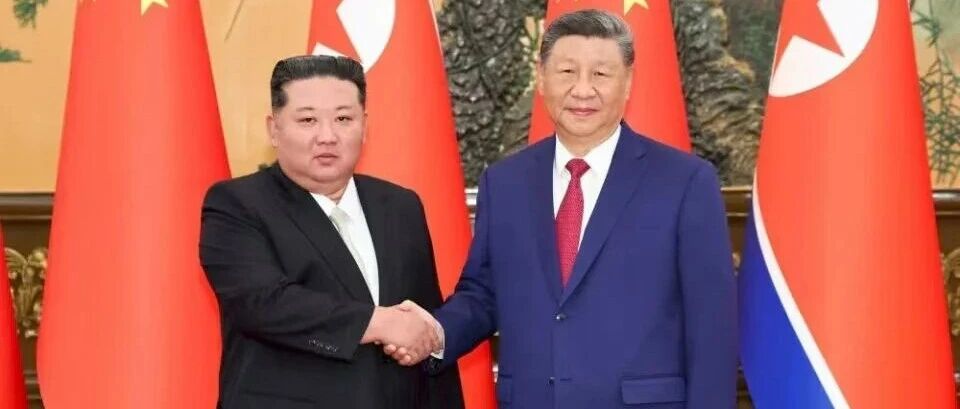
(抗战胜利80周年)习近平同朝鲜劳动党总书记、国务委员长金正恩举行会谈
Zhong Guo Xin Wen Wang· 2025-09-04 23:46
Group 1 - Xi Jinping emphasized the long-standing friendship between China and North Korea, highlighting their shared ideals and goals as socialist countries [1][2] - The meeting provided an important opportunity for further development of friendly cooperation between the two parties and countries [1] - Xi congratulated North Korea on the 80th anniversary of the Workers' Party and expressed China's commitment to supporting North Korea's development path [1][3] Group 2 - Xi proposed strengthening strategic cooperation in international and regional affairs, particularly in maintaining peace and stability on the Korean Peninsula [2] - Kim Jong-un acknowledged the significance of the 80th anniversary event and expressed North Korea's commitment to deepening relations with China [2][3] - North Korea expressed gratitude for China's support of its socialist endeavors and reaffirmed its stance on core issues concerning China's sovereignty [2][3]
习近平同朝鲜劳动党总书记、国务委员长金正恩举行会谈
第一财经· 2025-09-04 14:39
Group 1 - The core viewpoint emphasizes the long-standing friendship and cooperation between China and North Korea, highlighting their shared socialist ideals and goals [2][3] - Xi Jinping congratulated North Korea on the 80th anniversary of the Workers' Party and expressed China's commitment to supporting North Korea's development path that aligns with its national conditions [2][3] - Both leaders agreed to strengthen strategic cooperation in international and regional affairs, particularly in maintaining peace and stability on the Korean Peninsula [3] Group 2 - Kim Jong-un acknowledged the significance of the 80th anniversary event, recognizing China's commitment to world peace and its influential international position [5] - He reiterated North Korea's unwavering support for China's core interests, including issues related to Taiwan, Tibet, and Xinjiang, and expressed gratitude for China's support of North Korea's socialist endeavors [5] - Both parties expressed a desire to enhance bilateral economic cooperation and share experiences in party building and economic development [5]
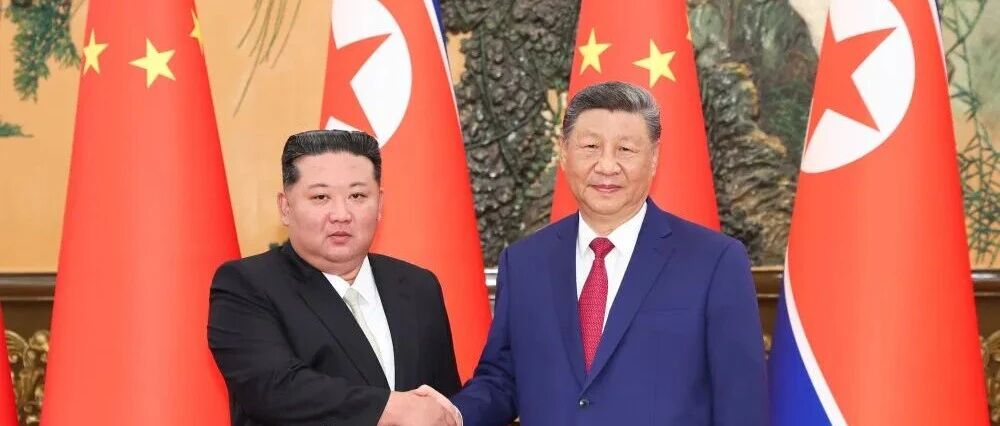
习近平同朝鲜劳动党总书记、国务委员长金正恩举行会谈
证券时报· 2025-09-04 14:15
Core Views - The meeting between Xi Jinping and Kim Jong-un emphasizes the long-standing friendship and cooperation between China and North Korea, highlighting their shared socialist ideals and goals [2][3] Group 1: Bilateral Relations - Xi Jinping expressed China's commitment to maintaining and developing friendly relations with North Korea, regardless of international changes [2] - Kim Jong-un reaffirmed North Korea's intention to deepen and develop relations with China, emphasizing the importance of their historical ties [5] Group 2: Strategic Cooperation - Both leaders discussed the need for enhanced strategic collaboration in international and regional affairs, particularly regarding the Korean Peninsula [3] - North Korea expressed support for China's core interests, including issues related to Taiwan, Tibet, and Xinjiang [5] Group 3: Economic and Political Exchange - Xi Jinping and Kim Jong-un agreed to strengthen exchanges in party governance and economic development, aiming for mutual benefits [5] - North Korea appreciates China's fair stance on the Korean Peninsula issues and is willing to coordinate on multilateral platforms like the United Nations [5]
习近平同朝鲜劳动党总书记、国务委员长金正恩举行会谈
中国基金报· 2025-09-04 14:05
Core Views - The meeting between Xi Jinping and Kim Jong-un emphasizes the long-standing friendship and cooperation between China and North Korea, highlighting their shared socialist ideals and goals [2][3] Group 1: Bilateral Relations - Xi Jinping congratulated North Korea on the 80th anniversary of the Workers' Party and expressed China's commitment to maintaining and developing the traditional friendship with North Korea, regardless of international changes [2] - Both leaders agreed to enhance high-level exchanges and strategic communication, deepening cooperation across various fields [2][3] - Kim Jong-un reaffirmed North Korea's commitment to deepening relations with China and expressed gratitude for China's support of North Korea's socialist endeavors [5] Group 2: International Cooperation - Xi Jinping proposed initiatives for building a community with a shared future for mankind, which received positive responses from North Korea, indicating a willingness to strengthen strategic collaboration in international and regional affairs [3] - Kim Jong-un expressed North Korea's support for China's core interests and its commitment to maintaining China's sovereignty and territorial integrity [5] - Both sides agreed to coordinate efforts on the Korean Peninsula issue to maintain peace and stability [3][5]
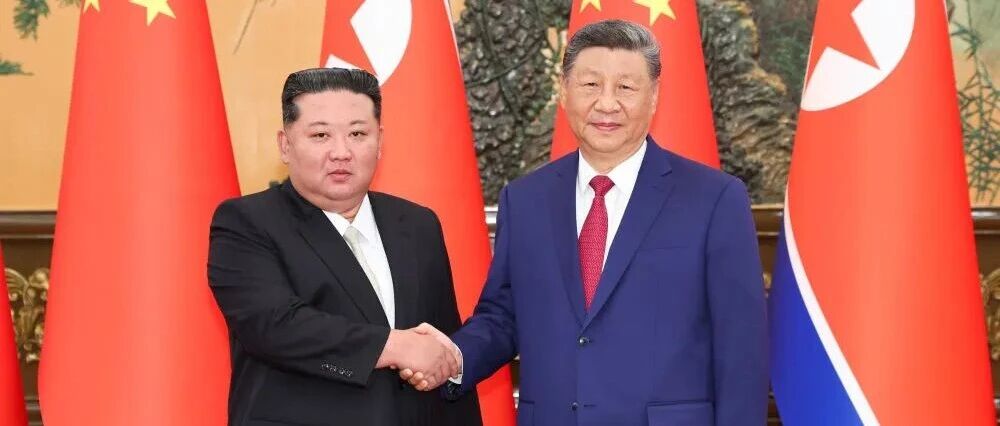
详讯丨习近平同朝鲜劳动党总书记、国务委员长金正恩举行会谈
券商中国· 2025-09-04 13:57
Core Points - The meeting between Xi Jinping and Kim Jong-un emphasizes the long-standing friendship and cooperation between China and North Korea, highlighting their shared socialist ideals and goals [1][2] - Xi Jinping congratulated North Korea on the 80th anniversary of the Workers' Party and expressed China's commitment to supporting North Korea's development path [1][3] - Both leaders agreed to strengthen strategic cooperation in international and regional affairs, particularly regarding the Korean Peninsula [2][3] Summary by Sections Section 1: Meeting Overview - Xi Jinping and Kim Jong-un met to commemorate the 80th anniversary of the victory in the Anti-Japanese War, showcasing the importance of their bilateral relationship [1] - The meeting provided an opportunity to reinforce the commitment to mutual support and cooperation between the two countries [1] Section 2: Strategic Cooperation - Xi emphasized the need for enhanced strategic collaboration in international and regional matters, particularly in maintaining peace on the Korean Peninsula [2] - Kim expressed North Korea's unwavering support for China's core interests and its commitment to deepening bilateral relations [2][3] Section 3: Economic and Political Exchange - Both leaders discussed the importance of exchanging experiences in party governance and economic development to aid North Korea's progress [3] - There is a mutual interest in expanding economic cooperation and achieving more tangible results in their partnership [3]
详讯丨习近平同金正恩举行会谈
财联社· 2025-09-04 13:55
Group 1 - The core viewpoint emphasizes the long-standing friendship and cooperation between China and North Korea, highlighting their shared socialist ideals and goals [1][2] - Xi Jinping congratulated North Korea on the 80th anniversary of the Workers' Party and expressed China's commitment to supporting North Korea's development path that aligns with its national conditions [1][2] - Both leaders agreed to enhance high-level exchanges and strategic communication, deepening mutual understanding and practical cooperation across various fields [1][3] Group 2 - Xi Jinping outlined the need for China and North Korea to strengthen strategic collaboration in international and regional affairs, particularly in maintaining peace and stability on the Korean Peninsula [2][3] - Kim Jong-un acknowledged China's significant role in maintaining world peace and expressed North Korea's unwavering support for China's core interests, including issues related to Taiwan, Tibet, and Xinjiang [2][3] - North Korea expressed a desire to deepen economic cooperation with China and to exchange experiences in party building and economic development [3]