
南南合作

Search documents
综述|多国人士称赞中国为改革完善全球治理贡献智慧
Xin Hua She· 2026-02-25 16:12
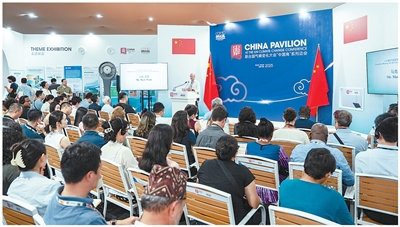
Group 1 - The global governance seminar held in Geneva highlighted China's contributions to reforming and improving global governance, with various international representatives praising China's efforts [1][2] - The seminar provided a platform for developing countries to engage in discussions on inclusive development and technological transformation, emphasizing the importance of multilateralism [2] - China's initiatives, such as the Belt and Road Initiative and BRICS cooperation, are seen as significant in promoting South-South cooperation and achieving global sustainable development goals [2] Group 2 - The release of the English version of "The Governance of China in the New Era" is viewed as a significant opportunity for the international community to understand China's path to prosperity and its governance achievements [3] - China's role in narrowing the digital divide and its contributions to sustainable development were highlighted by various speakers, indicating its leadership in these areas [1][2]
来论|成本革命与规模效应:中国在全球能源转型中的关键角色
Xin Lang Cai Jing· 2026-02-23 23:45
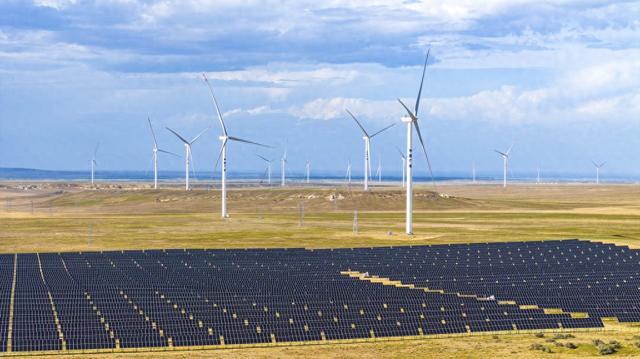
Core Insights - The global clean energy transition is entering a critical acceleration phase, with significant cost reductions in solar power, battery storage, and electric vehicles, primarily driven by China [1][3][4] - The authors emphasize the need for global cooperation, particularly between developing countries and China, to leverage manufacturing advantages and meet climate goals while enhancing local modernization and industrialization [1][7] Group 1: Cost Reductions and Global Impact - Over the past 15 years, the price of solar photovoltaic components has decreased by over 90%, largely due to China's manufacturing scale and continuous innovation [4][5] - The rapid expansion of electric vehicles in China has accelerated global adoption, providing consumers with more choices and improving technology maturity [5][6] - The global deployment of low-cost clean technologies from China is particularly impactful in developing economies, where it serves as a foundation for modernization and industrialization [5][6] Group 2: Structural Changes in Energy Markets - The growth of clean electricity capacity now consistently exceeds overall energy demand growth, indicating a structural decoupling from fossil fuel consumption [5][6] - The transition to clean energy, termed "Clean Energy Shift" (CES), is characterized by the faster growth of clean energy supply compared to total energy demand [5][6] - China's domestic energy transition has been a significant driver of this global trend, with large-scale deployment leading to cost reductions and strengthened supply chains [6][7] Group 3: International Cooperation and Trade - Rising tariff barriers and trade restrictions could hinder the energy transition at a critical time, emphasizing the need for international cooperation through shared investments and technology transfer [7][8] - Initiatives like the "Climate Prosperity agenda" promote cooperation among vulnerable countries, combining climate action with development priorities [7][8] - The expansion of clean energy should be viewed as a positive-sum game, where knowledge and technology can be replicated globally, enhancing energy sovereignty and resilience [6][7] Group 4: Policy Recommendations and Future Outlook - Addressing challenges such as investment in high-carbon infrastructure and regulatory delays requires practical policy measures to lower capital costs and upgrade transmission networks [7][8] - A development-oriented narrative focusing on scale, affordability, and shared prosperity is essential for sustaining political and economic support for climate action [8] - The experience of China highlights the importance of speed, scale, and coordination in accelerating the clean energy transition globally [8]

共同书写新时代全天候中非命运共同体新篇章
Ren Min Ri Bao· 2026-02-17 00:50
Core Viewpoint - The news highlights China's commitment to supporting African nations and enhancing Sino-African relations, emphasizing mutual cooperation and development opportunities in the context of global challenges [1][2][6]. Group 1: Support for African Development - President Xi Jinping's congratulatory message underscores China's support for African unity and development, reflecting a commitment to advancing Sino-African relations [1][2]. - The African Union has been actively promoting integration and defending the rights of African nations, with China's support contributing to the continent's rising international status [2][3]. Group 2: Economic Cooperation Initiatives - China will implement zero-tariff measures for 53 African countries starting May 1, 2026, which aims to enhance trade and economic partnerships [4][5]. - The signing of a joint development economic partnership framework agreement with South Africa marks a significant step in strengthening bilateral trade and cooperation [4][5]. Group 3: Historical and Cultural Ties - The year 2026 marks the 70th anniversary of diplomatic relations between China and Africa, highlighting a long-standing partnership based on mutual respect and cooperation [6][7]. - Cultural exchanges, such as the establishment of Confucius Institutes and increased educational opportunities for African students in China, are enhancing mutual understanding and collaboration [7]. Group 4: Focus on Sustainable Development - China's experience in infrastructure, poverty alleviation, and public governance is seen as valuable for African nations facing development challenges [2][3]. - The emphasis on renewable energy, electric vehicles, and e-commerce aligns with the United Nations' 2030 Sustainable Development Goals and the African Union's Agenda 2063 [6][7].
联合自强,主动塑造国际新格局(权威论坛)
Ren Min Ri Bao· 2026-02-04 06:59
Group 1 - The global South is increasingly asserting its influence in the international arena, advocating for the protection of national sovereignty and non-interference in internal affairs, reflecting a shared historical experience of colonialism and marginalization [4][5][6] - The global South is united in its pursuit of development, emphasizing the need for a fair and open trade and investment environment, contrasting with the sanctions and trade barriers imposed by developed nations [5][6] - There is a growing consensus among global South countries that addressing global challenges requires acknowledging historical lessons and firmly defending their development rights [6][7] Group 2 - The global South is not a passive recipient of the international order but an important force in promoting the democratization of international relations, advocating for increased representation and a more just global governance system [7][8] - Countries in the global South are increasingly vocal against hegemonic practices and unilateral interventions, as seen in their responses to conflicts like the Ukraine crisis and the Israel-Palestine situation [8][9] - The global South is actively shaping history by proposing solutions and striving for a more balanced, multipolar, and representative global governance system [9][10] Group 3 - Many countries in the global South have historically viewed Western modernization as the sole reference point, leading to dependency and social inequality, highlighting the need for alternative development models [11][12] - China's development experience offers valuable insights for other global South countries, emphasizing gradual progress and the importance of social equity in modernization efforts [11][12] - China is enhancing the representation and voice of the global South in global governance through reforms in international financial institutions and initiatives that align with the development strategies of these countries [12][13] Group 4 - China is empowering global South countries through practical cooperation projects in agriculture and infrastructure, addressing their pressing development needs while respecting their autonomy [13][14] - The global South faces two core concerns: development and security, with challenges such as inadequate infrastructure and overlapping security issues, which China aims to address through high-quality cooperation initiatives [13][14] - The Chinese approach seeks to create a more inclusive and open international environment, aligning with the aspirations of many developing countries for global governance reform [13][14]
摩洛哥-塞内加尔合作高级联委会第十五届会议在摩举行
Shang Wu Bu Wang Zhan· 2026-01-29 16:47
Group 1 - The meeting of the Morocco-Senegal Joint High Commission emphasized the long-standing bilateral relations and the mutual desire to strengthen cooperation between the two countries [1] - Senegal expressed interest in learning from Morocco's experience in industrial infrastructure, business development, training, and cooperation with small and medium-sized enterprises [1] - Morocco's phosphate industry expertise was highlighted, with Senegal planning to organize field visits to learn about Morocco's resource development model [1] Group 2 - The Moroccan Minister of Industry emphasized the importance of enhancing cooperation as part of the directives from the leaders of both countries, highlighting the significance of the "Atlantic Vision" for strengthening cooperation and integration among African nations [1] - Discussions included tax policies applicable to industrial zones and investments, as well as the development of bilateral trade, particularly in processed goods [1]
加纳和牙买加就推进劳务输出取得进展
Shang Wu Bu Wang Zhan· 2026-01-29 16:47
Core Viewpoint - Ghana and Jamaica have made progress in finalizing a labor export agreement during a two-day official visit by Ghana's Foreign Minister, marking a significant step in Caribbean diplomacy and practical cooperation in labor mobility and bilateral development partnerships [1] Group 1: Labor Export Agreement - The main expected outcome of the visit is the completion of technical consultations aimed at facilitating the export of Ghanaian healthcare workers and teachers to Jamaica later this year [1] - This proposal aims to address personnel shortages in Jamaica's public sector while creating structured overseas employment opportunities for trained Ghanaian professionals [1] - If the agreement is finalized, Ghana's labor mobility framework will expand from Europe and the Middle East to the Caribbean, enhancing South-South cooperation amid increasing global competition for skilled workers [1] Group 2: Humanitarian Assistance - Another key objective of the visit was to establish direct contact with Ghanaian soldiers deployed in Jamaica following the destruction caused by Hurricane Melissa [1] - The hurricane resulted in loss of life and significant damage to Jamaica's infrastructure, prompting the deployment of a Ghanaian military task force to assist in reconstruction efforts, including engineering support and emergency repairs [1]
中国助力埃塞俄比亚畜牧业价值链能力建设——牛羊有了“身份证”,村民收入更稳定
Ren Min Ri Bao· 2026-01-21 09:52
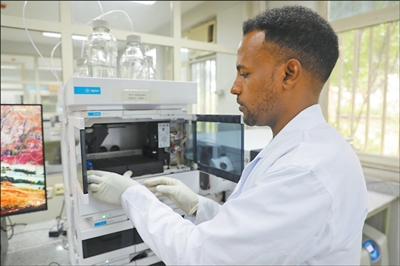
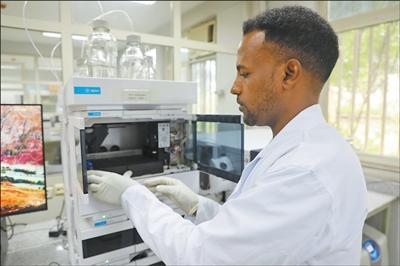
Core Viewpoint - The establishment of a traceability system in Ethiopia's livestock sector aims to modernize the industry, enhance export capabilities, and improve the livelihoods of local farmers through better management and quality assurance [4][5][7]. Group 1: Project Overview - The livestock value chain capacity building project, initiated in 2021 by China, Ethiopia, and the United Nations Industrial Development Organization, focuses on creating a traceability system for livestock to support policy development, certification, and trade negotiations [4][5]. - The project is part of a broader initiative to implement global development goals in African countries, showcasing the potential of international cooperation [5]. Group 2: Economic Impact - Livestock is a crucial component of Ethiopia's agricultural economy, contributing approximately 20% to the country's export revenue [5]. - The project aims to address long-standing challenges in the livestock sector, such as the shortage of quality feed and inadequate services, which have hindered development [5]. Group 3: Technological Advancements - A comprehensive livestock identification and traceability system has been implemented, allowing for real-time data synchronization and intelligent management of livestock throughout their lifecycle [6][8]. - The project includes customized training for Ethiopian personnel on quality inspection standards and disease prevention, enhancing the capacity for international market compliance [6][8]. Group 4: Training and Capacity Building - Over 500 Ethiopian professionals have participated in specialized training on food safety standards, slaughterhouse management, and meat inspection techniques, with 25 trainers certified as international meat inspectors [10]. - The establishment of a cooperation demonstration center represents an upgraded model of international collaboration, focusing on demand-driven and skills-based approaches [10][11]. Group 5: Market Competitiveness - The introduction of the traceability system has improved the market competitiveness of Ethiopian livestock products, enabling farmers to receive a price increase of approximately 15% for tagged animals [7]. - The project has facilitated the development of a meat industry portal, digitizing inspection processes and enhancing compliance with international standards [9].
中国助力埃塞俄比亚畜牧业价值链能力建设
Xin Lang Cai Jing· 2026-01-21 04:05
Core Insights - The establishment of a traceability system for livestock in Ethiopia aims to modernize the livestock industry and enhance export capabilities, addressing long-standing challenges such as lack of quality feed and insufficient skills among workers [2][4][5]. Group 1: Project Overview - The livestock value chain capacity building project, initiated in 2021 by China, Ethiopia, and the United Nations Industrial Development Organization, focuses on policy framework development, certification systems, and technology knowledge exchange [2][3]. - The project has entered its second phase in May 2025, aiming to further strengthen institutional capacity and improve food safety management systems [3]. Group 2: Economic Impact - Livestock accounts for approximately 20% of Ethiopia's export revenue, with the country expected to have the largest livestock population in Africa by 2024 [2]. - The introduction of the traceability system has led to a 15% increase in the selling price of tagged livestock, providing farmers with better insurance and loan support [5]. Group 3: Technological Advancements - A comprehensive livestock identification and traceability system has been implemented, allowing for real-time data synchronization and intelligent management of livestock throughout their lifecycle [4][6]. - The project has facilitated the establishment of a fully equipped laboratory with standardized operating procedures, enhancing the international recognition of Ethiopia's testing reports [6]. Group 4: Training and Capacity Building - Over 500 Ethiopian professionals have participated in specialized training on food safety standards, slaughterhouse management, and meat inspection techniques [7]. - The establishment of the cooperation demonstration center represents an upgraded international cooperation model, focusing on demand-driven and skills-based approaches [7][8].
牛羊有了“身份证”,村民收入更稳定(共创繁荣发展新时代)
Ren Min Ri Bao· 2026-01-20 23:38
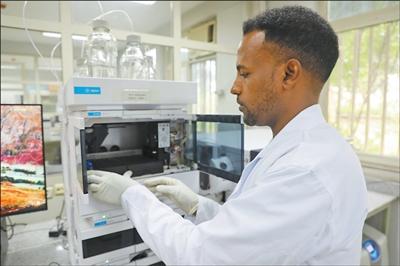
Core Viewpoint - The establishment of a traceability system in Ethiopia's livestock sector aims to modernize the industry, enhance export capabilities, and improve the livelihoods of local farmers through better quality assurance and market access [4][5][7]. Group 1: Project Overview - The livestock value chain capacity building project, initiated in 2021 by China, Ethiopia, and the United Nations Industrial Development Organization, focuses on creating a traceability system for livestock to support policy development, certification, and trade negotiations [4][5]. - The project is part of a broader initiative to implement global development goals in African countries, showcasing the potential of international cooperation [5]. Group 2: Economic Impact - Livestock accounts for approximately 20% of Ethiopia's export revenue, with the country expected to have the largest livestock population in Africa by 2024 [5]. - The introduction of traceability systems has led to a 15% increase in sales prices for tagged livestock, providing farmers with better income and access to insurance and loans [7]. Group 3: Technological Advancements - A comprehensive livestock identification and traceability system has been implemented, covering the entire supply chain from breeding to slaughter, enhancing the management of livestock throughout their lifecycle [6][8]. - The project has facilitated the establishment of a digital portal for meat inspection processes, significantly improving compliance and international competitiveness of Ethiopian agricultural products [9]. Group 4: Training and Capacity Building - Over 500 Ethiopian professionals have participated in training programs focused on food safety standards, meat inspection techniques, and livestock management, with 25 trainers certified as international meat inspectors [10]. - The project has also provided customized training for quality inspection and disease prevention, enhancing the skills of local experts [6][10]. Group 5: Future Cooperation - The establishment of the cooperation demonstration center represents an upgraded model of international collaboration, emphasizing demand-driven approaches and skill-based management [10][11]. - Ethiopia plans to engage in more cooperative projects with China to support industrialization, agricultural modernization, and talent development in Africa [11].
从友谊港到友谊立交桥——探访中企建设的毛里塔尼亚民生工程
Shang Wu Bu Wang Zhan· 2026-01-19 15:42
Core Insights - The article highlights the long-standing friendship and cooperation between China and Mauritania, illustrated by two key infrastructure projects: the Friendship Port and the Friendship Interchange Bridge, which symbolize the economic development and modernization of Mauritania since the establishment of diplomatic relations in 1965 [1][9]. Group 1: Friendship Port - The Friendship Port, constructed with Chinese aid, began in 1979 and was completed in 1986, becoming a vital economic asset for Mauritania, handling over 90% of the country's cargo imports and exports [3][5]. - The port's design capacity was initially 90,000 tons per year, but by 2012, actual throughput reached 3.5 million tons, prompting an expansion project that added two new berths and increased capacity significantly [3][7]. - In 2023, the port handled 5.45 million tons of cargo, with 217,000 TEUs (Twenty-foot Equivalent Units), demonstrating its crucial role in the economic development of Mauritania and surrounding regions [3][9]. Group 2: Friendship Interchange Bridge - The Friendship Interchange Bridge, located at a major traffic intersection in Nouakchott, is set to alleviate congestion in the city, with construction starting in February 2023 and expected completion by May 2025 [7][9]. - The bridge, measuring 274.08 meters in length and 19.5 meters in width, will feature a dual four-lane design to efficiently manage traffic flow, addressing a significant urban transportation challenge [7][9]. - Local feedback indicates a dramatic reduction in travel time through the area, showcasing the immediate benefits of the infrastructure project for daily commuters [9].
