
全球发展倡议

Search documents
张国清出席第二届核能峰会并作主旨发言
中国能源报· 2026-03-11 10:10
Core Viewpoint - China emphasizes its commitment to a rational, coordinated, and progressive nuclear safety concept as proposed by President Xi Jinping, aiming to contribute positively to global nuclear energy development [1]. Group 1 - Zhang Guoqing, a special representative of President Xi, attended the second Nuclear Energy Summit in Paris and delivered a keynote speech [1]. - China expresses willingness to collaborate with various parties to implement global development, security, civilization, and governance initiatives, promoting innovation, safety, and cooperation in the nuclear energy sector [1]. - The summit was attended by heads of state, government leaders, and senior representatives from over 30 countries, along with leaders from relevant international organizations [1]. Group 2 - A joint statement titled "Making Safe and Affordable Nuclear Energy Benefit Everyone" was released at the summit [1].

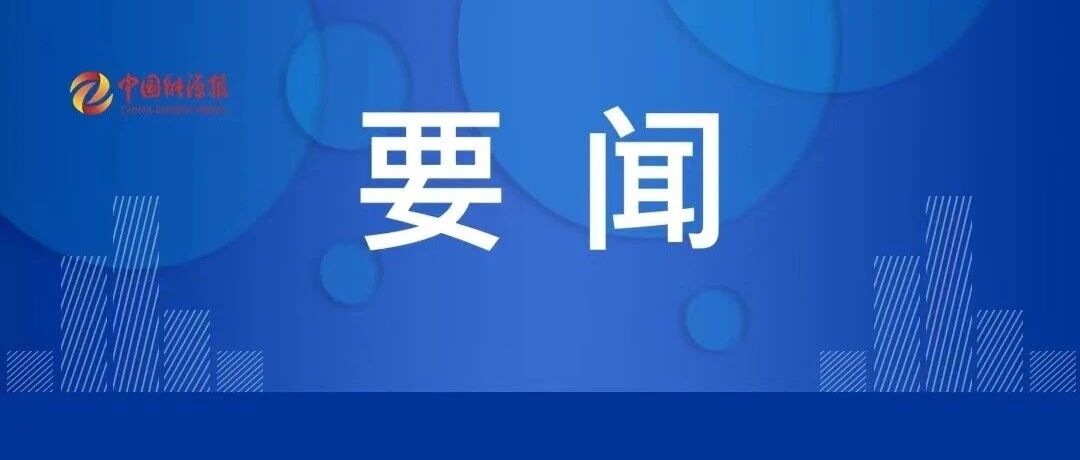
大国金融的治理智慧
Xin Lang Cai Jing· 2026-02-26 21:46
Group 1 - The core viewpoint emphasizes the importance of financial security in China, highlighting the need to prevent systemic risks while pursuing economic development [2][3] - The current stage of China's economy is characterized by the "middle-income trap" and a critical transformation period, necessitating a focus on financial stability to address potential risks [3][4] - External factors, including geopolitical tensions and global economic stagnation, further underscore the need for robust financial security measures [4][8] Group 2 - Maintaining financial security requires a proactive approach, focusing on both preventing crises and addressing underlying issues within the financial system [5][6] - The 2023 Central Financial Work Conference identified key risks such as real estate, local government debt, and small financial institutions, which are linked to high leverage and debt levels [5][6] - The emphasis on reforming and optimizing institutional mechanisms is seen as fundamental to enhancing economic vitality and ensuring financial security [5][7] Group 3 - The strategy for addressing financial risks involves promoting development rather than solely relying on regulatory measures, with a preference for expanding assets over reducing debt [6][7] - The integration of financial openness with security is crucial, as global competition necessitates engagement in international markets while managing associated risks [7][8] - China's approach to financial security includes strengthening financial infrastructure, enhancing international payment systems, and increasing participation in global financial governance [8][9] Group 4 - The concept of "great power financial security" reflects both domestic structural challenges and the need for a global perspective in addressing financial safety [9] - China's initiatives, such as the Global Development Initiative and the Global Security Initiative, aim to foster a cooperative international environment for financial stability [9][10]
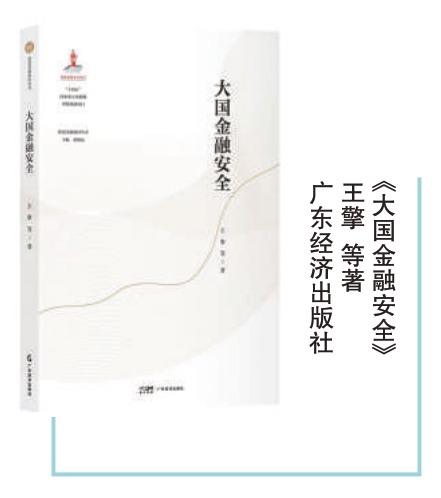
外媒聚焦默茨访华:欧洲需要中国,德国必须与中国接触
Xin Lang Cai Jing· 2026-02-26 09:21
Group 1 - German Chancellor Merz's visit to China is aimed at strengthening economic ties between Germany and China, highlighting the potential benefits for both countries through balanced and reliable cooperation [1][5] - The visit is significant as it follows similar visits by French President Macron and UK Prime Minister Starmer, indicating a trend of European leaders seeking closer relations with China amid growing rifts with the US [2][4] - A survey by the German Chamber of Commerce indicates that 56% of German companies are considering strengthening partnerships with Chinese counterparts to expand their business in China [2] Group 2 - The presence of a high-profile economic delegation, including executives from major automotive companies like Volkswagen, BMW, and Mercedes-Benz, underscores the importance of the Chinese market for German businesses [4][5] - China's position as the world's second-largest economy is projected to make it Germany's largest trading partner by 2025, emphasizing the strategic significance of the Chinese market for German enterprises [4] - German companies view China not only as a sales market but also as a center for innovation and a key technological partner, particularly in sectors like electric vehicles, software, artificial intelligence, and battery technology [5]
以中国之治为人类走向更光明未来贡献智慧与力量——全球治理研讨会暨《新时代治国理政纪实》第一卷英文版发布会观察
Xin Hua She· 2026-02-25 14:10
Core Viewpoint - The global governance system is facing deep imbalances and challenges, necessitating a collective response to address issues such as conflict, inequality, and environmental degradation [2][3][9]. Group 1: Global Governance Challenges - The United Nations' 2030 Sustainable Development Goals are at risk, with over two-thirds expected to be unmet by the deadline [2]. - Ongoing global conflicts and geopolitical tensions are exacerbating the situation, with the UN Secretary-General highlighting a chaotic world filled with conflict and inequality [2][3]. - The current global governance system is undermined by deficits in trust, leadership, and representation, particularly for developing countries [2][3]. Group 2: China's Role and Governance Experience - The release of the English version of "The Record of Governance in the New Era" highlights China's governance experience as a potential model for addressing global challenges [3][5]. - China's significant achievements in poverty alleviation, having lifted nearly 100 million people out of poverty in eight years, are presented as a successful case for other developing nations [5][6]. - The concept of "green development" is emphasized, with China advocating for a balance between development and environmental protection, promoting the idea that "lucid waters and lush mountains are invaluable assets" [6]. Group 3: Future Directions in Global Governance - China proposes a global governance initiative based on principles of sovereignty, international law, multilateralism, and human-centered approaches, aiming to create a more just and equitable global governance system [7]. - The increasing collaboration among Global South countries is seen as vital for reforming the global governance system and ensuring that developing nations have a stronger voice in international affairs [8][9]. - The need to revitalize the United Nations and adhere to its founding principles is emphasized as essential for addressing contemporary global challenges [9].
青山同脉月同明 中老友好启新程(大使随笔)
Ren Min Ri Bao· 2026-02-25 00:37
Group 1 - The core message emphasizes the deep-rooted friendship and cooperation between China and Laos, marking 2026 as the "Year of China-Laos Friendship" to celebrate the 65th anniversary of diplomatic relations [1] - The China-Laos Railway has significantly enhanced connectivity, with over 66 million passengers and 76 million tons of goods transported since its opening, symbolizing a successful "Belt and Road" initiative project [2] - Various cooperative projects, including the establishment of a joint power grid company and the upcoming launch of a 500 kV interconnection project, are set to bolster Laos' energy security and regional power connectivity [2] Group 2 - Humanitarian projects such as the construction of hospitals and vocational training institutions in Laos have improved local living standards and created over 100,000 jobs, showcasing the tangible benefits of China-Laos cooperation [2] - Both countries are committed to mutual support in international frameworks, advocating for a fair global governance system and addressing core interests, which reflects their shared international responsibilities [3] - The historical context of China-Laos relations highlights a legacy of mutual assistance during revolutionary struggles, reinforcing the foundation of their current partnership [1][3]
对中国世贸组织改革最新立场文件的解读|专家热评
Di Yi Cai Jing· 2026-02-20 04:22
Core Viewpoint - The document submitted by China to the WTO emphasizes a new momentum for reform, focusing on "development priority, rule-oriented, and inclusive governance" [1] Group 1: China's Position on WTO Reform - The position paper outlines China's core proposals for WTO reform, summarized as "one cornerstone, one center, and three key focuses" [2] - The cornerstone is the maintenance of the most-favored-nation (MFN) principle, while the center is placing development at the heart of the reform agenda [2] - The three key focuses include improving WTO governance and decision-making mechanisms, emphasizing development and fair competition, and restoring the effectiveness of the dispute resolution mechanism [2] Group 2: Global Development and Governance Initiatives - The position paper reflects China's commitment to multilateralism and the maintenance of WTO rules, aligning with global development and governance initiatives [3] - It aims to address the development needs of developing countries and promote a shared global governance perspective [3] Group 3: Differences with Western Proposals - The position paper critiques the unilateral approaches of the U.S. and some Western countries, which attribute WTO challenges to "unfair foreign competition" [4] - It argues that the root causes of WTO challenges stem from widening North-South disparities and increasing domestic inequalities, which require multilateral cooperation rather than unilateralism [4] - Compared to U.S. and EU proposals that suggest conditional MFN treatment and other unilateral measures, China's approach advocates for genuine multilateralism and inclusivity [5] Group 4: Support for Developing Members - The position paper incorporates the demands of small and medium-sized developing members, showcasing China's role as a responsible developing country [6] - It emphasizes the importance of a rules-based multilateral trading system for all members, particularly for weaker and vulnerable members [6] - The proposal includes creating favorable conditions for developing members to engage in digital and green economies, aiming to bridge the digital and green divides [7]
大国外交,喜迎“开门红”
Bei Jing Ri Bao Ke Hu Duan· 2026-02-19 00:02
Group 1 - China's diplomacy has started the year 2026 with high frequency, high standards, and broad coverage, showcasing a proactive approach to international relations [4] - The country emphasizes the "good neighbor, secure neighbor, and prosperous neighbor" principle, prioritizing diplomatic relations with neighboring countries [6] - High-level interactions with neighboring countries have led to significant breakthroughs, including deepening strategic trust with Russia and solidifying ties with Pakistan and South Korea [6][9] Group 2 - The recent diplomatic engagements have resulted in practical cooperation agreements, such as the signing of 15 cooperation documents between China and South Korea, covering areas like artificial intelligence and high technology [6][18] - China's relations with Western countries are undergoing a profound transformation, as evidenced by the recent visits from leaders of multiple European nations and Canada, indicating a collective shift towards engaging with China [9][15] - China's role as a "stabilizer" in global economic recovery is highlighted, with international institutions raising China's economic growth forecasts and recognizing its contribution to global growth [15] Group 3 - China is committed to multilateralism and actively participates in global governance, proposing initiatives that address common global concerns [16] - The country promotes international cooperation with an open and inclusive attitude, emphasizing win-win outcomes, which has led to various countries achieving practical cooperation results during recent diplomatic visits [18] - The Chinese leadership has reiterated its commitment to embracing the world and contributing to the construction of a community with a shared future for mankind [19]
共同书写新时代全天候中非命运共同体新篇章
Ren Min Ri Bao· 2026-02-17 00:50
Core Viewpoint - The news highlights China's commitment to supporting African nations and enhancing Sino-African relations, emphasizing mutual cooperation and development opportunities in the context of global challenges [1][2][6]. Group 1: Support for African Development - President Xi Jinping's congratulatory message underscores China's support for African unity and development, reflecting a commitment to advancing Sino-African relations [1][2]. - The African Union has been actively promoting integration and defending the rights of African nations, with China's support contributing to the continent's rising international status [2][3]. Group 2: Economic Cooperation Initiatives - China will implement zero-tariff measures for 53 African countries starting May 1, 2026, which aims to enhance trade and economic partnerships [4][5]. - The signing of a joint development economic partnership framework agreement with South Africa marks a significant step in strengthening bilateral trade and cooperation [4][5]. Group 3: Historical and Cultural Ties - The year 2026 marks the 70th anniversary of diplomatic relations between China and Africa, highlighting a long-standing partnership based on mutual respect and cooperation [6][7]. - Cultural exchanges, such as the establishment of Confucius Institutes and increased educational opportunities for African students in China, are enhancing mutual understanding and collaboration [7]. Group 4: Focus on Sustainable Development - China's experience in infrastructure, poverty alleviation, and public governance is seen as valuable for African nations facing development challenges [2][3]. - The emphasis on renewable energy, electric vehicles, and e-commerce aligns with the United Nations' 2030 Sustainable Development Goals and the African Union's Agenda 2063 [6][7].
“让巴中关系继续成为国与国携手共进的典范”(高端访谈)
Ren Min Ri Bao· 2026-02-16 02:22
Group 1 - The core message emphasizes the historical significance of the year 2026 for Pakistan-China relations, marking the 75th anniversary of diplomatic ties and the commitment to a brighter future together [1] - The relationship between Pakistan and China is described as being at its strongest point in history, with cooperation in political, economic, defense, and cultural fields steadily advancing [1] - The President of Pakistan highlights the importance of the four global initiatives proposed by President Xi Jinping, viewing them as a blueprint for a better world and expressing Pakistan's support for these initiatives [1] Group 2 - The President acknowledges China's projected GDP growth of 5.0% in 2025 as a testament to President Xi's visionary leadership and the resilience of the Chinese economy [2] - Pakistan aims to align its national development framework with China's 14th Five-Year Plan under the upgraded China-Pakistan Economic Corridor (CPEC) framework, focusing on building growth, livelihood, innovation, and green corridors [2] - The upgrade of CPEC is expected to transition cooperation from infrastructure projects to modernizing agriculture and industry, directly benefiting the Pakistani populace [2] Group 3 - The President reflects on his long-standing political career and the rapid development of Pakistan-China relations, expressing admiration for China's technological advancements, particularly in high-speed rail [3] - Emphasis is placed on the importance of youth exchanges between Pakistan and China, with initiatives to promote student exchanges, entrepreneurship, and collaborative film projects [3] - The President expresses a desire to create a better future for the next generations through continued cooperation between the two nations [3] Group 4 - The President extends New Year greetings in Chinese, highlighting the cultural significance of the Spring Festival and its growing global influence [4]
“让巴中关系继续成为国与国携手共进的典范”——访巴基斯坦总统阿西夫·阿里·扎尔达里(高端访谈)
Ren Min Ri Bao· 2026-02-15 22:04
Group 1 - The core message emphasizes the historical significance of the year 2026 for Pakistan and China, marking the 75th anniversary of diplomatic relations and the commitment to a brighter future together [1] - The relationship between Pakistan and China is described as being at its strongest point in history, with cooperation in various fields such as politics, economy, defense, and culture [1] - The global initiatives proposed by President Xi Jinping are seen as timely and visionary, aiming to foster a better world, with Pakistan expressing its support for these initiatives [1] Group 2 - Pakistan's President highlighted China's economic resilience, noting a projected GDP growth of 5.0% in 2025, which reflects strong leadership and a commitment to high-quality development [2] - The upgrade of the China-Pakistan Economic Corridor (CPEC) to a "2.0 version" aims to align Pakistan's development framework with China's 14th Five-Year Plan, focusing on various corridors to enhance cooperation in agriculture, industry, and mining [2] - The shift in CPEC's focus from infrastructure to modernizing agriculture and industry is expected to directly benefit the Pakistani population [2] Group 3 - The long-standing political career of President Zardari has allowed him to witness the rapid development of Pakistan-China relations, with personal experiences highlighting China's technological advancements [3] - Youth exchanges between Pakistan and China are emphasized as crucial for the future of bilateral relations, with initiatives to promote student exchanges and collaborative projects [3] - The importance of creating a better future for the next generation through continued cooperation between the two nations is underscored [3] Group 4 - President Zardari extended New Year greetings in Chinese, reflecting the cultural significance of the Spring Festival and its growing global influence [4]