
全球文明倡议

Search documents
美伊冲突最新进展与未来展望
2026-03-30 05:15
Summary of Key Points from Conference Call Records Industry Overview - The records discuss the geopolitical situation surrounding Iran, particularly in the context of the ongoing conflict with the United States and Israel, and its implications for global energy markets and security dynamics. Core Insights and Arguments 1. **Power Structure in Iran**: The core power in Iran has shifted to the Islamic Revolutionary Guard Corps (IRGC), which has decentralized its command structure to enhance resilience against targeted attacks. The moderate factions have been purged, significantly strengthening the regime's stability [1][2][3]. 2. **Closure of the Strait of Hormuz**: Iran has announced a blockade of the Strait of Hormuz, allowing only friendly nations like China and India to pass, with a toll of 2 million RMB per vessel. This could generate an estimated annual revenue of approximately $97 billion [1][4]. 3. **Military Capabilities**: Iran possesses between 1,500 to 1,800 ballistic missiles and around 100,000 drones. At the current consumption rate, these stocks can last for 10 to 12 months, indicating a lack of immediate incentive to return to negotiations [1][5]. 4. **Escalation of Countermeasures**: Iran may escalate its military responses by utilizing Houthi forces to block the Mandeb Strait and targeting critical energy infrastructure, such as the Baku-Tbilisi-Ceyhan pipeline, which supplies 50% of Israel's oil [1][5]. 5. **Impact of Civilian Attacks**: Attacks on civilian infrastructure have sparked a surge in nationalist sentiment among the Iranian populace, shifting public sentiment from fatigue to unity against external threats [1][3]. 6. **Geopolitical Significance**: Iran's strategic position as a member of the Shanghai Cooperation Organization and BRICS, along with its vast natural gas and oil reserves, underscores its importance in global energy supply chains, particularly in relation to China's Belt and Road Initiative [1][4]. 7. **Negotiation Challenges**: Iran's return to negotiations hinges on receiving guarantees and compensation for war damages, lifting sanctions, and the withdrawal of U.S. military presence from the region. The skepticism towards negotiations stems from past failures, such as the U.S. withdrawal from the nuclear agreement [1][5]. 8. **Potential U.S. Military Actions**: Any U.S. military action against Khark Island would face significant challenges, including logistical issues and the risk of Iranian retaliation, which could escalate the conflict dramatically [6]. 9. **Future of U.S.-Iran Relations**: The potential for negotiations exists, but substantial progress is unlikely without a shift in U.S. policy towards accepting Iran's regional presence and addressing its security concerns [7]. 10. **Long-term Conflict Outlook**: The conflict is expected to persist, with Iran likely to increase pressure on global economies through its control of energy routes, particularly the Strait of Hormuz, which is crucial for 20% to 25% of global energy supply [8]. Other Important but Overlooked Content - The records highlight the internal divisions within Iranian society regarding the response to external threats and economic hardships, with a significant portion of the population desiring an end to hostilities and economic stability [3]. - The potential for Iran to transform the Strait of Hormuz into a toll passage similar to the Panama or Suez Canals, inviting regional partners to share in the revenue, reflects a strategic shift in how Iran may leverage its geographic position in the future [8][9].
张国清出席第二届核能峰会并作主旨发言
中国能源报· 2026-03-11 10:10
Core Viewpoint - China emphasizes its commitment to a rational, coordinated, and progressive nuclear safety concept as proposed by President Xi Jinping, aiming to contribute positively to global nuclear energy development [1]. Group 1 - Zhang Guoqing, a special representative of President Xi, attended the second Nuclear Energy Summit in Paris and delivered a keynote speech [1]. - China expresses willingness to collaborate with various parties to implement global development, security, civilization, and governance initiatives, promoting innovation, safety, and cooperation in the nuclear energy sector [1]. - The summit was attended by heads of state, government leaders, and senior representatives from over 30 countries, along with leaders from relevant international organizations [1]. Group 2 - A joint statement titled "Making Safe and Affordable Nuclear Energy Benefit Everyone" was released at the summit [1].

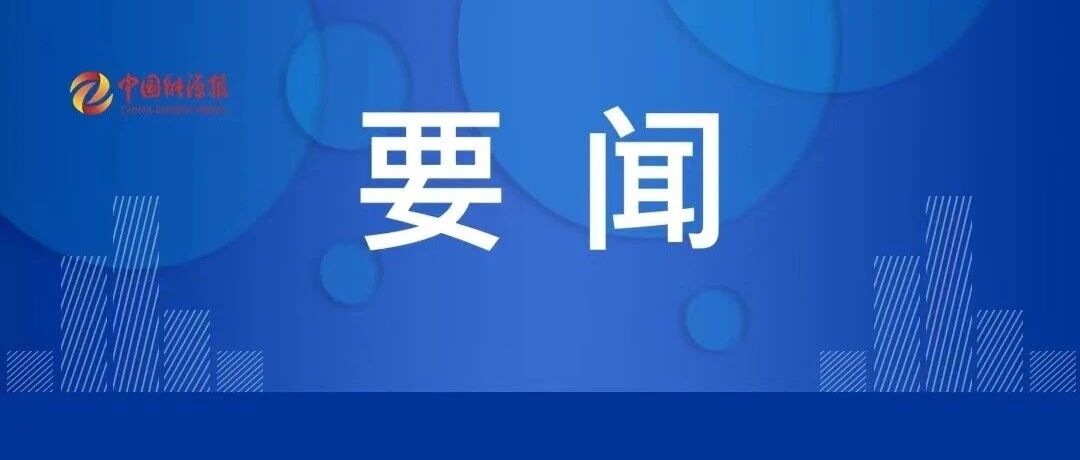
大国金融的治理智慧
Xin Lang Cai Jing· 2026-02-26 21:46
Group 1 - The core viewpoint emphasizes the importance of financial security in China, highlighting the need to prevent systemic risks while pursuing economic development [2][3] - The current stage of China's economy is characterized by the "middle-income trap" and a critical transformation period, necessitating a focus on financial stability to address potential risks [3][4] - External factors, including geopolitical tensions and global economic stagnation, further underscore the need for robust financial security measures [4][8] Group 2 - Maintaining financial security requires a proactive approach, focusing on both preventing crises and addressing underlying issues within the financial system [5][6] - The 2023 Central Financial Work Conference identified key risks such as real estate, local government debt, and small financial institutions, which are linked to high leverage and debt levels [5][6] - The emphasis on reforming and optimizing institutional mechanisms is seen as fundamental to enhancing economic vitality and ensuring financial security [5][7] Group 3 - The strategy for addressing financial risks involves promoting development rather than solely relying on regulatory measures, with a preference for expanding assets over reducing debt [6][7] - The integration of financial openness with security is crucial, as global competition necessitates engagement in international markets while managing associated risks [7][8] - China's approach to financial security includes strengthening financial infrastructure, enhancing international payment systems, and increasing participation in global financial governance [8][9] Group 4 - The concept of "great power financial security" reflects both domestic structural challenges and the need for a global perspective in addressing financial safety [9] - China's initiatives, such as the Global Development Initiative and the Global Security Initiative, aim to foster a cooperative international environment for financial stability [9][10]
以中国之治为人类走向更光明未来贡献智慧与力量——全球治理研讨会暨《新时代治国理政纪实》第一卷英文版发布会观察
Xin Hua She· 2026-02-25 14:10
Core Viewpoint - The global governance system is facing deep imbalances and challenges, necessitating a collective response to address issues such as conflict, inequality, and environmental degradation [2][3][9]. Group 1: Global Governance Challenges - The United Nations' 2030 Sustainable Development Goals are at risk, with over two-thirds expected to be unmet by the deadline [2]. - Ongoing global conflicts and geopolitical tensions are exacerbating the situation, with the UN Secretary-General highlighting a chaotic world filled with conflict and inequality [2][3]. - The current global governance system is undermined by deficits in trust, leadership, and representation, particularly for developing countries [2][3]. Group 2: China's Role and Governance Experience - The release of the English version of "The Record of Governance in the New Era" highlights China's governance experience as a potential model for addressing global challenges [3][5]. - China's significant achievements in poverty alleviation, having lifted nearly 100 million people out of poverty in eight years, are presented as a successful case for other developing nations [5][6]. - The concept of "green development" is emphasized, with China advocating for a balance between development and environmental protection, promoting the idea that "lucid waters and lush mountains are invaluable assets" [6]. Group 3: Future Directions in Global Governance - China proposes a global governance initiative based on principles of sovereignty, international law, multilateralism, and human-centered approaches, aiming to create a more just and equitable global governance system [7]. - The increasing collaboration among Global South countries is seen as vital for reforming the global governance system and ensuring that developing nations have a stronger voice in international affairs [8][9]. - The need to revitalize the United Nations and adhere to its founding principles is emphasized as essential for addressing contemporary global challenges [9].
青山同脉月同明 中老友好启新程(大使随笔)
Ren Min Ri Bao· 2026-02-25 00:37
Group 1 - The core message emphasizes the deep-rooted friendship and cooperation between China and Laos, marking 2026 as the "Year of China-Laos Friendship" to celebrate the 65th anniversary of diplomatic relations [1] - The China-Laos Railway has significantly enhanced connectivity, with over 66 million passengers and 76 million tons of goods transported since its opening, symbolizing a successful "Belt and Road" initiative project [2] - Various cooperative projects, including the establishment of a joint power grid company and the upcoming launch of a 500 kV interconnection project, are set to bolster Laos' energy security and regional power connectivity [2] Group 2 - Humanitarian projects such as the construction of hospitals and vocational training institutions in Laos have improved local living standards and created over 100,000 jobs, showcasing the tangible benefits of China-Laos cooperation [2] - Both countries are committed to mutual support in international frameworks, advocating for a fair global governance system and addressing core interests, which reflects their shared international responsibilities [3] - The historical context of China-Laos relations highlights a legacy of mutual assistance during revolutionary struggles, reinforcing the foundation of their current partnership [1][3]
在全球变局中推进文明对话(大使随笔)
Ren Min Ri Bao· 2026-02-21 22:45
Group 1 - The Spring Festival, as a significant traditional holiday in China, has gained increasing influence on the international stage, promoting global cultural dialogue and exchange [1][2] - The successful inclusion of "Spring Festival - Social Practices of Chinese People Celebrating the Traditional New Year" in the UNESCO Intangible Cultural Heritage list in December 2024 marks a recognition of the cultural value of the Spring Festival by the international community [1][2] - The values embodied in the Spring Festival, such as respect for nature, emphasis on family, and the pursuit of harmony, resonate with global expectations for unity and common development, aligning with the spirit of the Global Civilization Initiative [2][3] Group 2 - The success of the Spring Festival's heritage application represents a new starting point for China's deeper participation in the global intangible cultural heritage protection efforts [3] - China is actively involved in international cooperation and experience sharing under the UNESCO framework, emphasizing systematic protection and sustainable utilization of cultural heritage [3] - The ongoing geopolitical conflicts and value discrepancies in the world highlight the importance of culture as a bridge for dialogue and understanding among different civilizations [3][4] Group 3 - Looking ahead, China aims to deepen strategic cooperation with UNESCO, using culture as a bridge to promote dialogue and mutual understanding in a diverse world [4] - The commitment to cultural exchange is seen as a means to foster consensus and peace, contributing to the construction of a community with a shared future for humanity [4]
大国外交,喜迎“开门红”
Bei Jing Ri Bao Ke Hu Duan· 2026-02-19 00:02
Group 1 - China's diplomacy has started the year 2026 with high frequency, high standards, and broad coverage, showcasing a proactive approach to international relations [4] - The country emphasizes the "good neighbor, secure neighbor, and prosperous neighbor" principle, prioritizing diplomatic relations with neighboring countries [6] - High-level interactions with neighboring countries have led to significant breakthroughs, including deepening strategic trust with Russia and solidifying ties with Pakistan and South Korea [6][9] Group 2 - The recent diplomatic engagements have resulted in practical cooperation agreements, such as the signing of 15 cooperation documents between China and South Korea, covering areas like artificial intelligence and high technology [6][18] - China's relations with Western countries are undergoing a profound transformation, as evidenced by the recent visits from leaders of multiple European nations and Canada, indicating a collective shift towards engaging with China [9][15] - China's role as a "stabilizer" in global economic recovery is highlighted, with international institutions raising China's economic growth forecasts and recognizing its contribution to global growth [15] Group 3 - China is committed to multilateralism and actively participates in global governance, proposing initiatives that address common global concerns [16] - The country promotes international cooperation with an open and inclusive attitude, emphasizing win-win outcomes, which has led to various countries achieving practical cooperation results during recent diplomatic visits [18] - The Chinese leadership has reiterated its commitment to embracing the world and contributing to the construction of a community with a shared future for mankind [19]
新春中国行·中国聚焦|春节,跨文化的“世界语言”
Xin Lang Cai Jing· 2026-02-18 04:59
Core Viewpoint - The celebration of the Chinese New Year has evolved into a profound cross-cultural experience for international students, transcending traditional concepts of family reunion, fireworks, and food, and becoming a journey of understanding Chinese culture [1][4]. Group 1: Cultural Significance of Chinese New Year - The Chinese New Year is a vital cultural event that embodies the hopes and emotions of the Chinese people, with customs such as pasting couplets, hanging lanterns, and family reunions representing the most emotionally charged expressions of the festival [4]. - The festival is recognized as a "human treasure" by UNESCO, which enhances foreign friends' understanding and friendliness towards China, while also boosting cultural confidence and cohesion within the country [4]. Group 2: International Student Engagement - International students from various countries, such as Pakistan and Thailand, are actively participating in Chinese New Year activities, gaining insights into the cultural significance of traditional practices like year paintings and the symbolism of food [1][3]. - The engagement of foreign students in cultural activities at the Feng Jicai Museum highlights the importance of sharing the rich heritage of the Chinese New Year with a global audience [3]. Group 3: Tourism and Economic Impact - The Chinese New Year is increasingly recognized as a global tourism highlight, with a predicted daily average of over 2.05 million inbound and outbound travelers during the holiday period, marking a 14.1% year-on-year increase [6]. - The surge in foreign tourist bookings for Chinese New Year flights, which have increased over four times compared to the previous year, indicates a growing interest in experiencing the festival firsthand [6]. Group 4: Policy Environment and Accessibility - China's improving policy environment, including the expansion of visa-free access and enhanced tax refund services, is making it easier for international tourists to visit and experience the Chinese New Year celebrations [7]. - The introduction of digital conveniences for inbound travelers is contributing to a smoother experience for foreign visitors, further enhancing the attractiveness of China as a travel destination [7]. Group 5: Shared Human Values - The values embodied in the Chinese New Year, such as happiness, peace, harmony, health, and reunion, resonate universally, reflecting a common human pursuit that transcends cultural boundaries [8]. - The alignment of the festival's values with global initiatives promoting respect for cultural diversity and human values underscores its relevance in fostering international dialogue and understanding [8].

“让巴中关系继续成为国与国携手共进的典范”(高端访谈)
Ren Min Ri Bao· 2026-02-16 02:22
Group 1 - The core message emphasizes the historical significance of the year 2026 for Pakistan-China relations, marking the 75th anniversary of diplomatic ties and the commitment to a brighter future together [1] - The relationship between Pakistan and China is described as being at its strongest point in history, with cooperation in political, economic, defense, and cultural fields steadily advancing [1] - The President of Pakistan highlights the importance of the four global initiatives proposed by President Xi Jinping, viewing them as a blueprint for a better world and expressing Pakistan's support for these initiatives [1] Group 2 - The President acknowledges China's projected GDP growth of 5.0% in 2025 as a testament to President Xi's visionary leadership and the resilience of the Chinese economy [2] - Pakistan aims to align its national development framework with China's 14th Five-Year Plan under the upgraded China-Pakistan Economic Corridor (CPEC) framework, focusing on building growth, livelihood, innovation, and green corridors [2] - The upgrade of CPEC is expected to transition cooperation from infrastructure projects to modernizing agriculture and industry, directly benefiting the Pakistani populace [2] Group 3 - The President reflects on his long-standing political career and the rapid development of Pakistan-China relations, expressing admiration for China's technological advancements, particularly in high-speed rail [3] - Emphasis is placed on the importance of youth exchanges between Pakistan and China, with initiatives to promote student exchanges, entrepreneurship, and collaborative film projects [3] - The President expresses a desire to create a better future for the next generations through continued cooperation between the two nations [3] Group 4 - The President extends New Year greetings in Chinese, highlighting the cultural significance of the Spring Festival and its growing global influence [4]
“让巴中关系继续成为国与国携手共进的典范”——访巴基斯坦总统阿西夫·阿里·扎尔达里(高端访谈)
Ren Min Ri Bao· 2026-02-15 22:04
Group 1 - The core message emphasizes the historical significance of the year 2026 for Pakistan and China, marking the 75th anniversary of diplomatic relations and the commitment to a brighter future together [1] - The relationship between Pakistan and China is described as being at its strongest point in history, with cooperation in various fields such as politics, economy, defense, and culture [1] - The global initiatives proposed by President Xi Jinping are seen as timely and visionary, aiming to foster a better world, with Pakistan expressing its support for these initiatives [1] Group 2 - Pakistan's President highlighted China's economic resilience, noting a projected GDP growth of 5.0% in 2025, which reflects strong leadership and a commitment to high-quality development [2] - The upgrade of the China-Pakistan Economic Corridor (CPEC) to a "2.0 version" aims to align Pakistan's development framework with China's 14th Five-Year Plan, focusing on various corridors to enhance cooperation in agriculture, industry, and mining [2] - The shift in CPEC's focus from infrastructure to modernizing agriculture and industry is expected to directly benefit the Pakistani population [2] Group 3 - The long-standing political career of President Zardari has allowed him to witness the rapid development of Pakistan-China relations, with personal experiences highlighting China's technological advancements [3] - Youth exchanges between Pakistan and China are emphasized as crucial for the future of bilateral relations, with initiatives to promote student exchanges and collaborative projects [3] - The importance of creating a better future for the next generation through continued cooperation between the two nations is underscored [3] Group 4 - President Zardari extended New Year greetings in Chinese, reflecting the cultural significance of the Spring Festival and its growing global influence [4]