
欧洲安全

Search documents
日内瓦会谈:欧盟的“席位”与“声量”
Yang Shi Xin Wen· 2025-11-25 13:24
Core Viewpoint - The meeting between the US and Ukraine in Geneva on November 23 is seen as a crucial step towards a political resolution of the Russia-Ukraine conflict, raising questions about Europe's role and influence in the crisis [1]. Group 1: Meeting Outcomes - The US and Ukraine announced a revised peace framework in response to previous drafts that were criticized for favoring Russian interests, which included demands for Ukraine to cede territory and limit its military [3]. - The updated document reflects a consensus between the two parties, with the US expressing optimism, although it remains a work in progress and not finalized [5]. - Despite the optimistic statements, the atmosphere during the talks was reportedly tense, with Ukrainian representatives showing signs of stress [7]. Group 2: European Involvement - European leaders expressed skepticism about the US proposal, citing concerns that they were excluded from the drafting process, which led to perceptions that the plan favored Russian interests [9]. - EU Commission President Ursula von der Leyen emphasized three key points regarding Ukraine's sovereignty and security, marking a clear stance from the EU on the conflict [11]. - Following the Geneva talks, EU leaders held informal meetings to discuss strategies and reaffirmed their commitment to providing ongoing support to Ukraine, including military and economic assistance [12][13]. Group 3: Structural Challenges - Despite the EU's active participation, it remains outside the core negotiations between the US and Russia, facing internal divisions regarding its role and strategy in the peace process [13]. - The EU's desire to maintain a significant position in post-conflict regional security is challenged by the potential dominance of the US or Russia in shaping agreements [14].

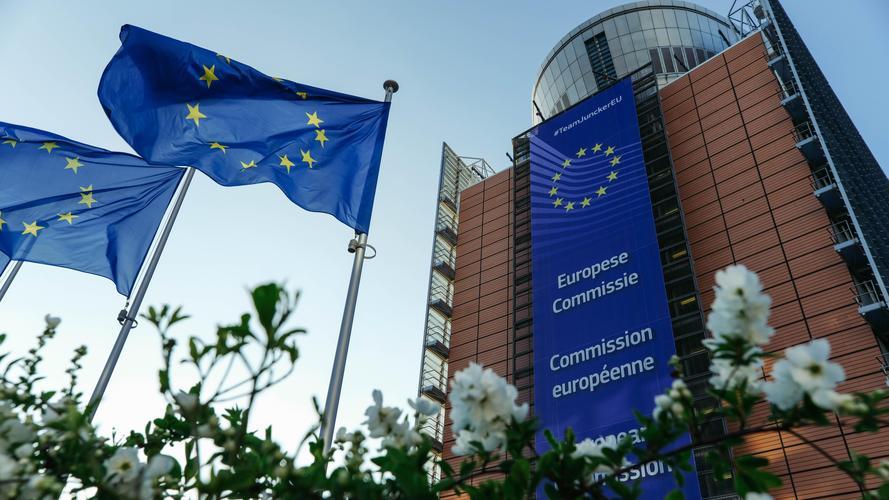
倒计时48小时,欧洲恐被一锅端?悬在头顶的炸弹,到底是谁干的
Sou Hu Cai Jing· 2025-09-30 02:46
Group 1 - The recent appearance of unidentified drones over multiple European countries has raised security concerns, prompting Denmark to implement a nationwide drone flight ban for five days [1][3] - The Danish government has taken decisive action by enhancing airspace monitoring with the assistance of the German Navy, as a significant EU security meeting is scheduled in Copenhagen [1][3] - Security experts believe that the drone activities are a serious threat, particularly as they have been spotted near military bases and border posts, indicating a potential espionage motive [3][4] Group 2 - There are speculations regarding the origin of the drones, with many experts attributing them to Russian involvement, while others suggest they could be linked to Ukraine or NATO as part of a strategic maneuver [4][6] - The EU is considering accelerating the implementation of a drone defense plan, which aims to deploy advanced monitoring and interception systems along the eastern borders [7] - Security measures in Copenhagen are being intensified ahead of the summit, with armed police presence and strict flight controls affecting commercial air traffic [9]
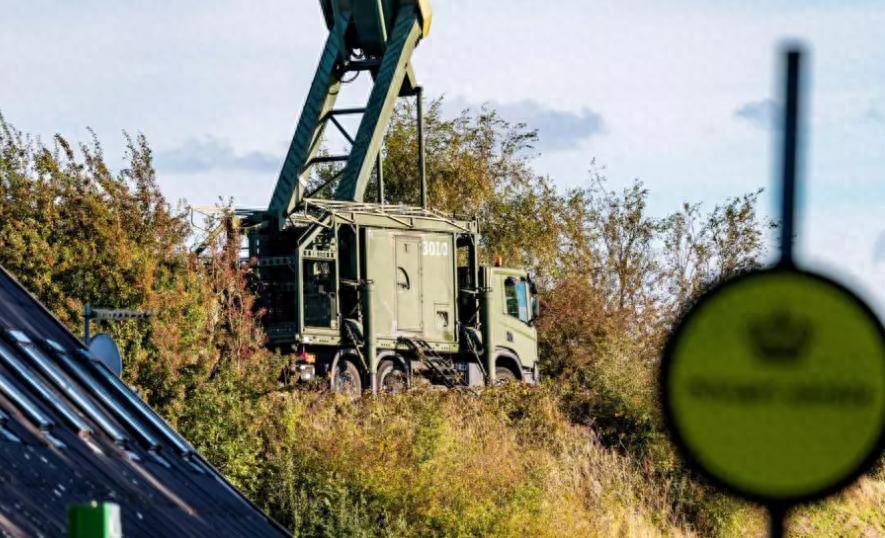
为加强欧洲安全 英国战机开始在波兰上空巡逻
Yang Shi Xin Wen Ke Hu Duan· 2025-09-20 22:33
Core Viewpoint - The UK Royal Air Force is conducting patrols over Poland as part of NATO's air defense mission to enhance European security in response to perceived threats from Russia [1] Group 1: Military Actions - UK fighter jets have begun executing NATO air defense tasks to strengthen security in Europe [1] - On the night of the 9th, numerous drones entered Polish airspace, prompting the Polish military to take emergency action and shoot down some of the drones [1] - The Polish government claims the drones originated from Russia, while Russia has not confirmed this assertion [1] Group 2: Political Statements - UK Prime Minister Starmer stated that "Russia's actions pose a direct threat to European security" [1] - UK Defense Minister Heappey emphasized NATO's unity and the commitment of the UK to respond collectively to threats [1] Group 3: NATO's Strategic Developments - On the 12th, NATO Secretary General Stoltenberg announced the deployment of the "Eastern Sentinel" system to enhance defense posture on the eastern flank, integrating military resources from Denmark, France, the UK, Germany, and other allies [1] - On the 14th, the Polish President signed a resolution agreeing to the stationing of NATO forces on Polish territory [1]
欧洲的安全靠什么?——要打垮俄罗斯的想法和做法是自取其祸
Sou Hu Cai Jing· 2025-09-17 04:20
Group 1 - The core argument is that the ongoing Ukraine war is a result of Europe's inability to confront a powerful Russia, which will not tolerate provocations from European nations after resolving the Ukraine issue [1][3] - The article suggests that the Ukraine war is fundamentally a confrontation between the US and Russia, with European countries merely supporting the US, leading to a breakdown of strategic balance in Europe [3][4] - Historical context indicates that Europe has been a source of global conflict for over 200 years, and the current geopolitical landscape is a result of European nations' own actions [3][4] Group 2 - The article argues that the safest period for Europe was during the US-Soviet standoff from 1945 to 1991, which was maintained by US intervention, not out of affection for Europe [4][5] - NATO's eastward expansion is portrayed as a strategy by the US to maintain control over Europe by creating insecurity, rather than enhancing European safety [4][5] - Russia's desire for peaceful coexistence has been ignored, leading to its resurgence as a major power willing to confront the US [5][6] Group 3 - The article categorizes European countries into five groups based on their historical ambitions and current geopolitical interests, highlighting the complexity of European unity [6][7][8] - Countries like Germany and France are seen as having ambitions for a unified Europe, while others like Poland and the Baltic states seek to regain lost territories [7][8] - Smaller nations tend to prioritize self-preservation and may not have the capacity to challenge Russia independently [8][9] Group 4 - The article critiques the notion that European unity can be achieved through current alliances, suggesting that the EU's decision-making process favors smaller nations' interests, hindering collective security [9][10] - It posits that the perception of Russia as a threat is largely a construct of US interests, rather than a reflection of historical realities [10][11] - The article concludes that Europe's best security strategy would be to pursue peaceful coexistence with Russia rather than relying on US protection [11][12]
欧洲集体发声!事关乌克兰,26:1,或将接纳乌克兰,一国发出警告:将拖垮欧盟!
Sou Hu Cai Jing· 2025-08-25 03:41
Core Viewpoint - The European leaders, alongside Zelensky, are taking a more assertive stance on the Ukraine issue, aiming to integrate Ukraine into their security framework while expressing concerns about the sustainability of their support against Russian pressure [1][3]. Group 1: European Response and Initiatives - Germany and France have established a 12-point peace plan addressing security arrangements and border control post-ceasefire, and the EU is drafting a European Security Treaty to set rules for post-war Europe [3] - The EU plans to allocate €50 billion for a reconstruction fund for Ukraine, with significant investments in security, and is discussing the deployment of military training teams to Ukraine [3] - European leaders are motivated by the fear that if Ukraine fails, the conflict could spread to Central and Eastern Europe, jeopardizing EU borders [3][5] Group 2: Challenges and Internal Conflicts - Russia has criticized European support for Ukraine as superficial, warning that prolonged conflict could exhaust the EU, especially with winter energy shortages looming [5][7] - Internal disparities among EU member states regarding the €50 billion fund could lead to disputes over financial contributions, complicating collective action [5][7] - Zelensky's rejection of Russia's proposal for security guarantees involving the UN's permanent members, including China, adds to the complexity, as he insists on continuing the fight [5][7] Group 3: Strategic Dilemmas - Europe faces a dilemma: accepting Ukraine could enhance its security autonomy, but failing to manage the situation could lead to prolonged conflict and potential EU destabilization [8] - The ability of European leaders to persuade Zelensky to compromise and engage in negotiations with Russia will be crucial in determining the future dynamics of the conflict [8]
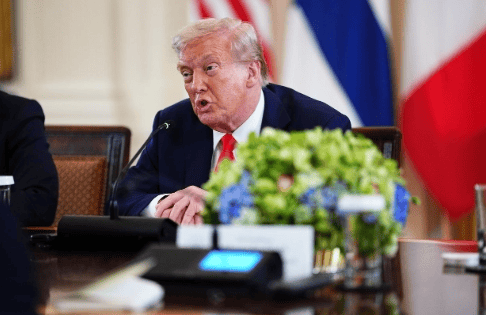
新华网国际看点|乌欧“组团”赴美,俄乌局势将如何演变?
Xin Hua She· 2025-08-20 04:26
Group 1 - The core discussion points during the meetings included Ukraine's security guarantees, territorial issues, and the potential for a meeting between the presidents of Ukraine and Russia [1] - The Trump administration's approach to European security is becoming clearer, focusing on resolving the Russia-Ukraine conflict quickly and shifting the responsibility for European security to European nations [1] - European leaders aim to meet with Trump to prevent the U.S. and Russia from advancing their interests at the expense of Europe and Ukraine, seeking to assert European interests during critical points in the peace process [1]

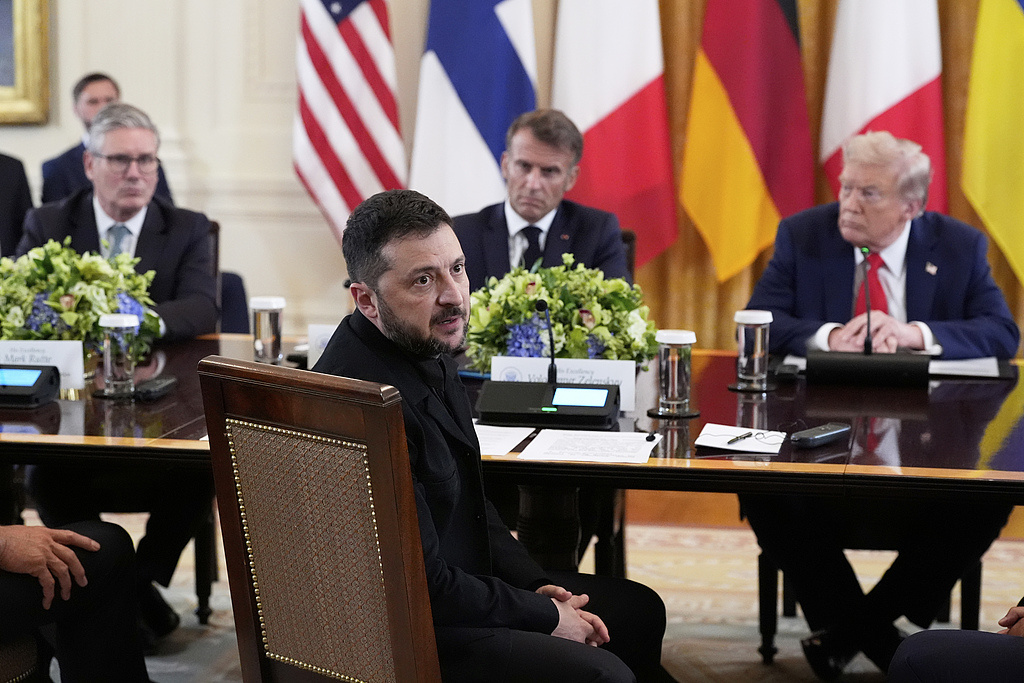
如何划定俄乌边界、谁来提供安全保障?美乌欧白宫讨论乌克兰危机
Huan Qiu Shi Bao· 2025-08-18 23:03
Core Points - The meeting between US President Trump and Ukrainian President Zelensky is seen as a pivotal moment in the ongoing Russia-Ukraine conflict, with significant implications for Ukraine's future and European security [1][3] - European leaders' participation in the talks aims to ensure a unified stance and protect European interests in the peace negotiations, preventing any unfavorable outcomes for Ukraine [1][3][7] - Trump has set a challenging tone for the discussions, indicating that Ukraine's NATO membership is off the table and that Crimea cannot be reclaimed [3][4] Group 1: Meeting Context - The meeting is described as the most important moment in accelerating the end of the conflict since its outbreak in 2022, with leaders from multiple European nations attending [1][3] - Prior to the meeting, European leaders held preparatory discussions with Zelensky to strategize on the upcoming talks [3][7] Group 2: Security Guarantees - Key topics for discussion include defining borders, providing long-term security guarantees for Ukraine, and establishing military alliances [5][6] - The US may offer security guarantees similar to NATO's Article 5, but not through NATO itself, which is seen as a compromise by Russia [5][6] Group 3: European Concerns - There are ongoing discussions within Europe about a multi-layered security framework, with some countries considering deploying security forces in Ukraine for training and logistics [8] - European leaders emphasize that any agreements should not compromise European interests, highlighting the need for European involvement in negotiations [7][8]
美俄领导人会晤前 德国宣布召集多方讨论乌克兰问题
Yang Shi Xin Wen· 2025-08-11 17:39
Core Viewpoint - Germany is organizing a series of video conferences to discuss the Ukraine issue, involving key leaders including US President Trump and Ukrainian President Zelensky [1] Group 1: Meeting Details - The video conferences will take place on the 13th, with the aim of preparing for talks between US and Russian leaders [1] - The initial meeting will include European nations such as France, the UK, Italy, Poland, Finland, along with EU Commission President von der Leyen, NATO Secretary General Stoltenberg, and Ukrainian President Zelensky [1] - Following the European meeting, there will be a separate video conference with US President Trump and Vice President [1] Group 2: Context of the Meetings - The discussions are expected to cover topics such as negotiations with Russia, territorial issues concerning Ukraine, and European security [1] - A significant meeting between Russian President Putin and US President Trump is scheduled for August 15 in Alaska [1]
土耳其国防部长:土耳其希望利用欧盟的“安全”计划,并在欧洲安全的未来合作。
news flash· 2025-06-04 13:12
Group 1 - Turkey's Defense Minister expressed the country's desire to leverage the EU's "security" plan for future cooperation in European security [1]
克里姆林宫:关于欧洲安全和北约的谈判需要尽快进行,但目前很难就恢复俄罗斯与北约的定期磋商达成一致。
news flash· 2025-05-16 09:59
Group 1 - The Kremlin emphasizes the need for urgent negotiations regarding European security and NATO, but currently finds it difficult to reach an agreement on resuming regular consultations between Russia and NATO [1]