生鲜电商

Search documents
亚马逊点燃美国生鲜外卖大战
Bei Jing Shang Bao· 2025-08-14 14:57
Group 1 - Amazon plans to double its fresh grocery same-day delivery service in the U.S. by the end of the year, expanding to over 2,300 cities [2] - The service allows customers to order fresh groceries alongside other items for delivery within hours, with Prime members enjoying free shipping on orders over $25 [2] - Amazon's CEO of global stores emphasized the company's commitment to innovating and simplifying the grocery shopping experience for customers [2] Group 2 - The U.S. grocery market is valued at $1 trillion annually, with online grocery sales accounting for less than 20% of this market [3] - Walmart holds over 20% market share in the grocery retail sector, with grocery sales making up about 60% of its total U.S. sales [3] - Amazon reported a 13% year-over-year revenue growth to $167.7 billion in Q2, with net profit increasing by 35% to $18.164 billion [3] Group 3 - Following Amazon's announcement, stock prices of several grocery delivery companies, including Instacart and DoorDash, experienced significant declines [4] - Instacart, which has over 5 million paid users, was noted for its rapid delivery capabilities, achieving "one-hour delivery" [4] - DoorDash had previously attempted to acquire Instacart for around $30 billion, but negotiations fell through due to regulatory concerns [5] Group 4 - The fresh grocery sector is characterized as a "blue ocean" market, but profitability remains challenging due to high costs associated with storage, spoilage, and labor [6] - Amazon's extensive logistics infrastructure positions it favorably compared to other online grocery retailers, potentially enabling it to achieve profitable growth [6] - Walmart is also enhancing its delivery capabilities, aiming to provide three-hour delivery service to 95% of Americans [7]
探访“中国大樱桃第一镇”:客商云集成“甜蜜枢纽”
Zhong Guo Xin Wen Wang· 2025-05-30 10:10
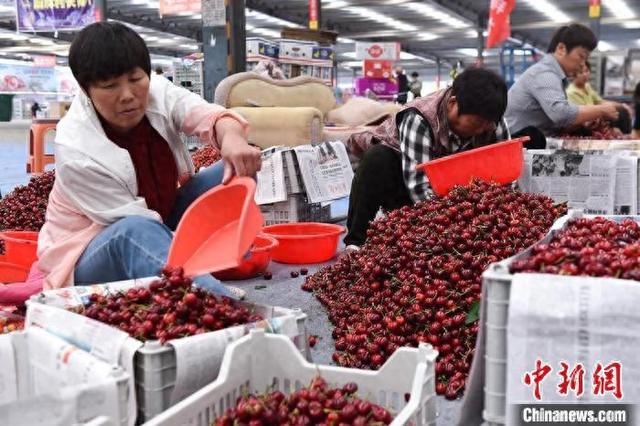
Core Insights - Zhanggezhuang Town in Yantai, Shandong, is recognized as "China's First Cherry Town," with a cherry planting area of 20,000 acres and an annual production of 30 million pounds [3][5] - The Zhanggezhuang Cherry Trading Market is the largest town-level cherry trading market in China, experiencing peak trading volumes of 500,000 pounds daily, expected to reach 2 million pounds during peak periods [3][5] Market Dynamics - The market features a real-time data platform that allows farmers and merchants to access information on cherry harvesting and transactions [3] - The integration of technology and logistics has enhanced the efficiency of cherry distribution, with cold chain storage and rapid sorting and loading processes established [7] Sales Channels - Offline sales are complemented by online sales, with many farmers and e-commerce businesses opening online stores and utilizing live streaming to promote their products [7][8] - The local cherry varieties, such as "Red Light," "Crystal," and "Mei Zao," have gained popularity, becoming "fresh produce internet celebrities" [5][7] Tourism and Community Engagement - The cherry harvest season transforms local orchards into "natural scenic spots," attracting tourists for a "pick and eat" experience [8] - The emergence of cherry-themed accommodations and community events has further enhanced local tourism [8]

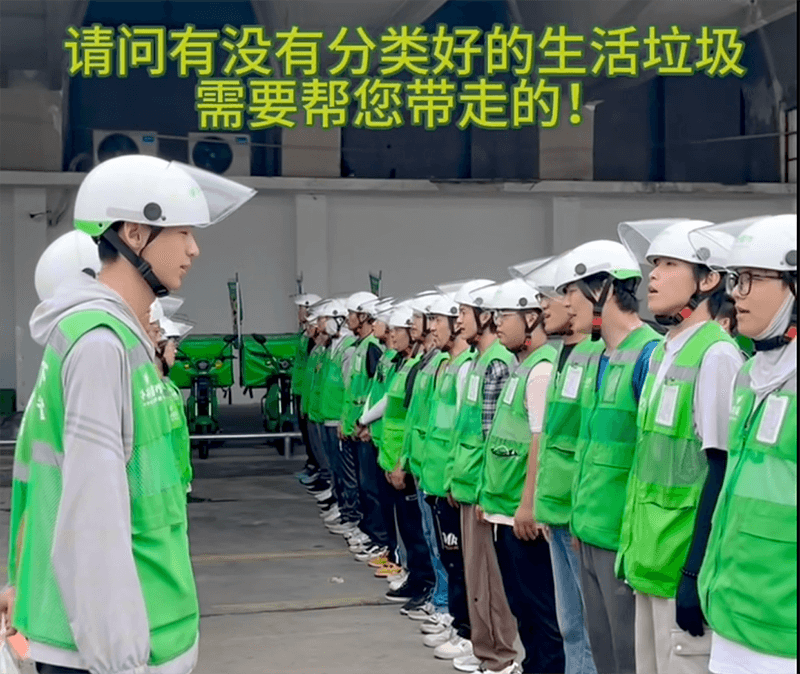
年入300亿,朴朴超市种种“反常规”操作,一路闯到IPO
Sou Hu Cai Jing· 2025-05-29 05:22
Core Insights - Pupu Supermarket has adopted a unique strategy by focusing on regional operations rather than nationwide expansion, which has allowed it to survive in a challenging market environment [1][10] - The company achieved its first annual profit in 2024, with revenues around 30 billion yuan and a gross margin of 22.5% [2][18] - Pupu Supermarket's approach contrasts with the traditional "burn money for scale" model prevalent in the fresh e-commerce sector, allowing it to thrive during industry downturns [2][10] Company Strategy - Pupu Supermarket operates primarily in Fujian and Guangdong provinces, as well as in nine cities including Chengdu and Wuhan, adhering to a "slow and steady" growth philosophy [1][10] - The company utilizes a front warehouse model, which involves establishing warehouses close to residential areas to ensure rapid delivery within a 1.5 km radius [6][17] - The average size of Pupu's warehouses has increased from 300-500 square meters to 800-1000 square meters, enhancing picking efficiency and reducing fulfillment costs [17][18] Market Context - The fresh e-commerce market in China saw rapid growth around 2015, supported by favorable policies and technological advancements, leading to the establishment of numerous platforms [4][5] - Pupu Supermarket was founded in 2016 and initially struggled to gain visibility compared to larger competitors, but its understanding of local market dynamics allowed it to carve out a niche [5][10] - The company has maintained a cautious expansion strategy, only entering six cities by 2023, which has proven beneficial in a volatile market [10][24] Financial Performance - In 2022, Pupu Supermarket reported a GMV growth of 53% to 23 billion yuan and a revenue increase of 28% to 20.36 billion yuan [11] - The company has successfully transitioned to profitability in 2024, with projected revenues of approximately 30 billion yuan, surpassing competitors like Dingdong Maicai [2][18] - Despite achieving profitability, Pupu Supermarket faces ongoing challenges in balancing operational costs and customer experience, leading to multiple price adjustments for delivery fees [12][15] Competitive Landscape - The fresh e-commerce sector is characterized by a "layered" market, with competitors like Hema focusing on high-end offerings and Dingdong Maicai maintaining a core focus on fresh produce [22][24] - Pupu Supermarket's cautious approach has allowed it to avoid the pitfalls faced by other players who aggressively expanded and subsequently retracted their operations [10][22] - The company is currently exploring opportunities for an IPO, having previously laid the groundwork for a public offering in 2022 [24]