网红打卡地

Search documents
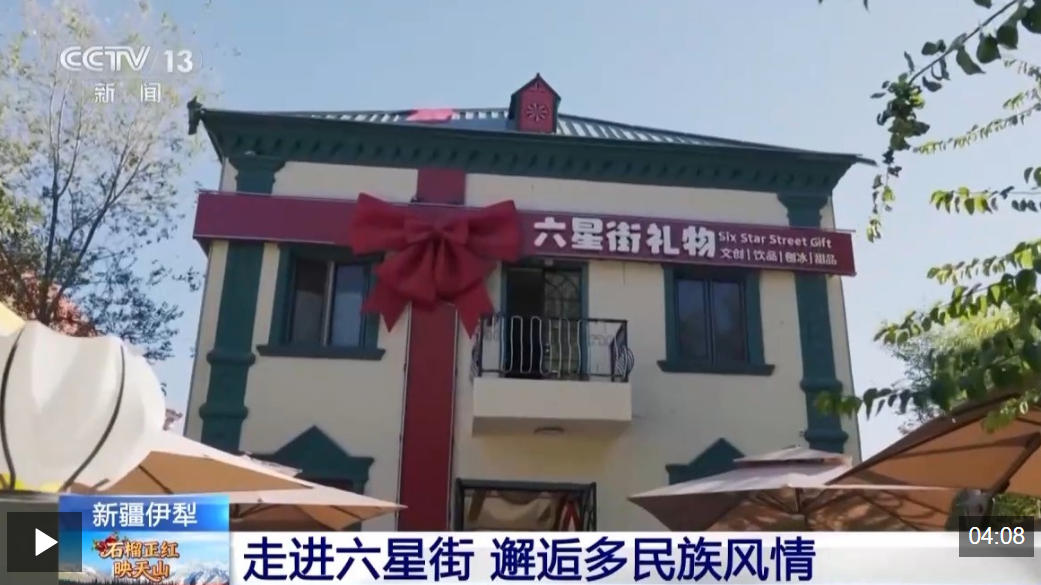
六星街里传来巴扬琴声 亚历山大面包房的列巴也出炉啦!
Yang Shi Xin Wen Ke Hu Duan· 2025-09-23 11:56
Core Viewpoint - The transformation of Liuxing Street in Yining, Xinjiang, from a dilapidated area to a trendy destination highlights urban renewal and cultural significance [2] Group 1 - Liuxing Street has evolved into a popular tourist spot and a new urban symbol, showcasing the region's cultural heritage [2] - The street features local elements such as the bayan (a traditional musical instrument) and the Alexander bakery, which are not fictional but part of the local identity [2] - The revitalization of Liuxing Street reflects broader trends in urban development and tourism in Xinjiang [2]

秋来冰城 邂逅山河丨哈尔滨新区推金秋文旅“新玩法”,解锁网红爆款体验
Xin Lang Cai Jing· 2025-09-19 08:09
Core Viewpoint - The Harbin Autumn Tourism Series aims to enhance visitor experience by introducing customized travel plans and new attractions, focusing on diverse themes and activities for tourists [1][6]. Group 1: New Attractions and Experiences - Harbin has launched five distinct themed hotspots to cater to tourists' photo-taking needs, including retro, romantic, and cyber-industrial styles [3]. - The five hotspots include: 1. Harbin Old Shipyard, featuring nostalgic scenes from the 1980s [3]. 2. Polar Park Blue Town and Sun Island Russian Style Town, emphasizing romantic aesthetics [3]. 3. Shenha Park and Fulejia Industrial Park, showcasing cyber-industrial themes [3]. 4. Linda World Happy City and Harbin Swan Grand Theatre, highlighting European architectural styles [3]. 5. The Grand Theatre's "One Step One World" platform and Poseidon Mermaid Theatre, known for stunning night views [4]. Group 2: Romantic and Leisure Activities - Five "Sweet Date Secret Paths" have been introduced for couples, covering various romantic and festive experiences [4]. - The paths include: 1. Maple Leaf Hot Spring and Ancient Style Market for a cozy atmosphere [4]. 2. Rongchuang Night Park and Expo Road Night Market for lively nightlife [4]. 3. Theatre Promenade and RV Camping for scenic relaxation [4]. 4. "One Road of Fragrance" Painted Road and Sunset Cableway for romantic sunset views [5]. 5. Galaxy Water World and Silver Water Bay Park for indoor water activities [5]. Group 3: Educational and Rural Tourism - Three educational routes have been designed for different age groups, including visits to the Sun Island Panda Pavilion and Northeast Tiger Park for younger students [5]. - Three recommended rural tourism spots include: 1. Shanhou Village for wellness experiences [5]. 2. Yulin Village for local cuisine [5]. 3. Xinglin Village for fruit and vegetable picking [5]. Group 4: Winter Activities in Autumn - Four indoor ice and snow venues remain open, allowing visitors to enjoy winter sports even in autumn [6]. - The venues include Hot Snow Miracle Skiing, Ice Sports Center, Dream Ice and Snow Pavilion, and Sun Island Ice Art Museum [6].

山东多地冲“热榜” 联通5G邀你打卡“火炬八街”感受清凉一夏
Qi Lu Wan Bao· 2025-07-22 03:28
Group 1 - The article highlights the popularity of Weihai as a summer destination, emphasizing its unique attractions and the appeal of the "Torch Eight Street" as a must-visit spot for tourists [1][3] - The "Torch Eight Street" gained fame after a snow event in 2023, transforming it into a picturesque location that attracts photography enthusiasts and young visitors [1][3] - Local delicacies such as mackerel dumplings and seaweed buns are recommended, along with the scenic beauty of the area, which combines history and modernity [3][6] Group 2 - China Unicom has implemented network optimization measures in Weihai to enhance connectivity for tourists, ensuring smooth online experiences during peak travel seasons [5][6] - The company has established new base stations and optimized parameters to achieve comprehensive network coverage, allowing visitors to use their mobile devices seamlessly [5][6] - The emphasis on customer service and technological support reflects the hospitality culture of Shandong, enhancing the overall travel experience for visitors [6]

网红打卡地|长春120个网红打卡地之摩天活力城
Jing Ji Guan Cha Bao· 2025-06-18 02:33
Core Viewpoint - In 2024, Changchun has expanded its list of popular tourist spots to 120, aiming to convert online traffic into real visitors and enhance its tourism brand [1] Group 1: New Attractions - The newly added "MOTIAN Vitality City" features a rooftop Ferris wheel, the first fantasy movie theme park in Changchun, and the largest indoor sports complex [1][2] - The city has introduced a new indoor animal park with rainforest ecological landscaping, combining education, exhibition, and entertainment [3] Group 2: Entertainment and Shopping - The "MOTIAN Vitality City" includes a variety of entertainment options such as a children's amusement park and a new anime-themed game park, focusing on fun, health, and intelligence [2] - It hosts nearly a hundred well-known retail brands and various automobile brands, creating a fashionable shopping hub [2] Group 3: Cultural Experience - The development aims to inject warmth and emotion into the city, enhancing the romantic and passionate aspects of life through its attractions [3]
网红打卡地|长春120个网红打卡地之吉林省图书馆
Jing Ji Guan Cha Bao· 2025-06-14 03:20
Group 1 - In 2024, Changchun has added 20 new popular check-in spots, bringing the total to 120 [1] - The initiative aims to convert online traffic into actual tourist retention and create a sustainable cultural tourism brand [1] - The Jilin Provincial Library is highlighted as a cultural landmark that enriches the city's cultural heritage and meets the cultural needs of its residents [1][5] Group 2 - The design of the Jilin Provincial Library is described as simple yet elegant, featuring a comprehensive area with self-service borrowing, a music library, and a café [2] - The first floor is consistently busy, yet maintains a quiet atmosphere conducive to reading [2] - The library includes various reading areas across multiple floors, with specialized sections for social sciences, novels, and natural sciences [3][4]
网红打卡地|长春120个网红打卡地之泉眼村
Jing Ji Guan Cha Bao· 2025-06-12 01:34
Core Points - In 2024, Changchun has unlocked 20 new internet celebrity check-in spots, increasing the total to 120 [1] - The initiative aims to convert online traffic into tourist retention and create a vibrant tourism culture brand [1] Group 1: New Tourist Attractions - The newly added check-in spots include scenic areas like Quanyan Village, known for its beautiful landscapes and various attractions such as Tian Ding Mountain Ski Resort and Ice and Snow New World [1] - Quanyan Village has been recognized as a beautiful leisure village in Jilin and included in the second batch of national rural tourism key lists [1] Group 2: Infrastructure and Facilities - Tian Ding Mountain Ski Resort, located in Quanyan Village, features comprehensive facilities including a ski service hall, guesthouses, themed commercial streets, and a five-star resort hotel [2] - The resort has completed the first phase with 16 ski trails totaling 7 kilometers, capable of accommodating 5,000 skiers simultaneously [2]
网红打卡地|长春120个网红打卡地之长春世界雕塑园
Jing Ji Guan Cha Bao· 2025-06-10 07:57
Core Viewpoint - In 2024, Changchun has expanded its list of popular tourist spots to 120, aiming to convert online traffic into actual visitors and enhance its cultural tourism brand [1] Group 1: Overview of Changchun World Sculpture Park - Changchun World Sculpture Park is renowned as a modern urban sculpture park that integrates natural landscapes with cultural scenery, recognized as a national AAAAA-level tourist attraction [1] - The park features over 10,000 art pieces from 216 countries and regions, encompassing a wide range of cultural and artistic disciplines including sculpture, painting, history, and more [2] - Established in September 2003, the park includes five major exhibition halls, showcasing various forms of art and providing a comprehensive experience of sculpture [1][2] Group 2: Cultural and Recreational Significance - The park serves as a primary venue for the public to understand sculpture art and is considered an artistic oasis for cultural tourism and leisure [3] - It is recognized as a significant platform for global sculpture art exchange and is regarded as a golden business card for Changchun [3]
100亿估值的文和友,在广深碰壁了
21世纪经济报道· 2025-05-27 06:18
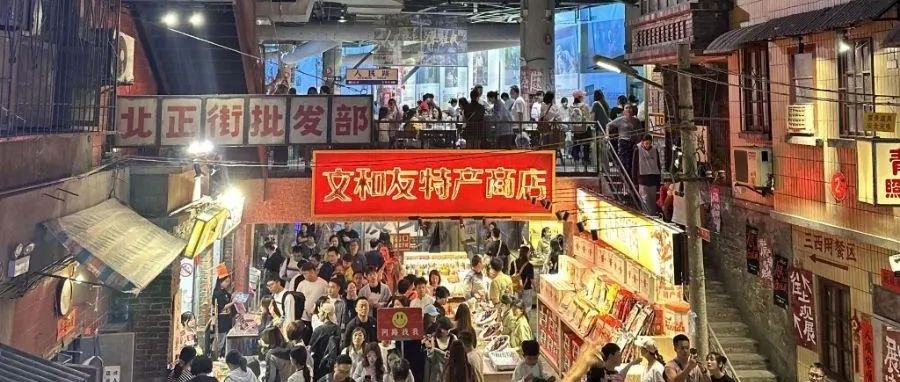
Core Viewpoint - The article discusses the challenges faced by the restaurant cultural service brand "Wenheyou" in expanding outside its home base of Changsha, highlighting issues such as declining reputation, difficulties in replication, and cultural mismatches in new markets [1][3][4]. Group 1: Performance in New Markets - Wenheyou experienced initial success in Guangzhou and Shenzhen, with Guangzhou seeing nearly 3,000 tables queued during trial operations and Shenzhen exceeding 50,000 on its opening day [3]. - However, both locations quickly faced challenges, with local brands withdrawing and a significant drop in customer traffic, leading to the closure of many shops [3][6]. - The management acknowledged that they struggled to balance successful elements with local culture, resulting in a failure to meet consumer expectations [3][4]. Group 2: Cultural and Operational Challenges - The brand's attempt to adapt to local tastes was criticized, with feedback indicating a lack of understanding of local culture and poor food quality [3][6]. - The CEO admitted that Wenheyou did not effectively express Changsha culture in its new locations, which led to consumer disappointment [4]. - The operational capabilities of Wenheyou were found lacking compared to local competitors, impacting their market judgment and responsiveness [6]. Group 3: Financial Considerations - The rental costs for Wenheyou's locations were deemed excessively high, with rates reaching up to 1,500 RMB per square meter, which was not justified by the surrounding market conditions [7]. - The high rental prices posed a significant challenge for the brand, especially in a competitive environment where local operators had established expertise [7]. Group 4: Historical Context and Brand Evolution - Wenheyou was founded by Wen Bin, who initially started with a street food stall and later expanded into a cultural dining experience that became a popular destination in Changsha [8]. - The brand's expansion strategy included replicating the nostalgic atmosphere of the 1990s, but this approach has not translated successfully in new markets [8][9]. - Despite the emphasis on customer experience, the company must also consider cost efficiency to sustain long-term growth [9].
武汉的墙 你真强
Chang Jiang Ri Bao· 2025-05-04 00:54
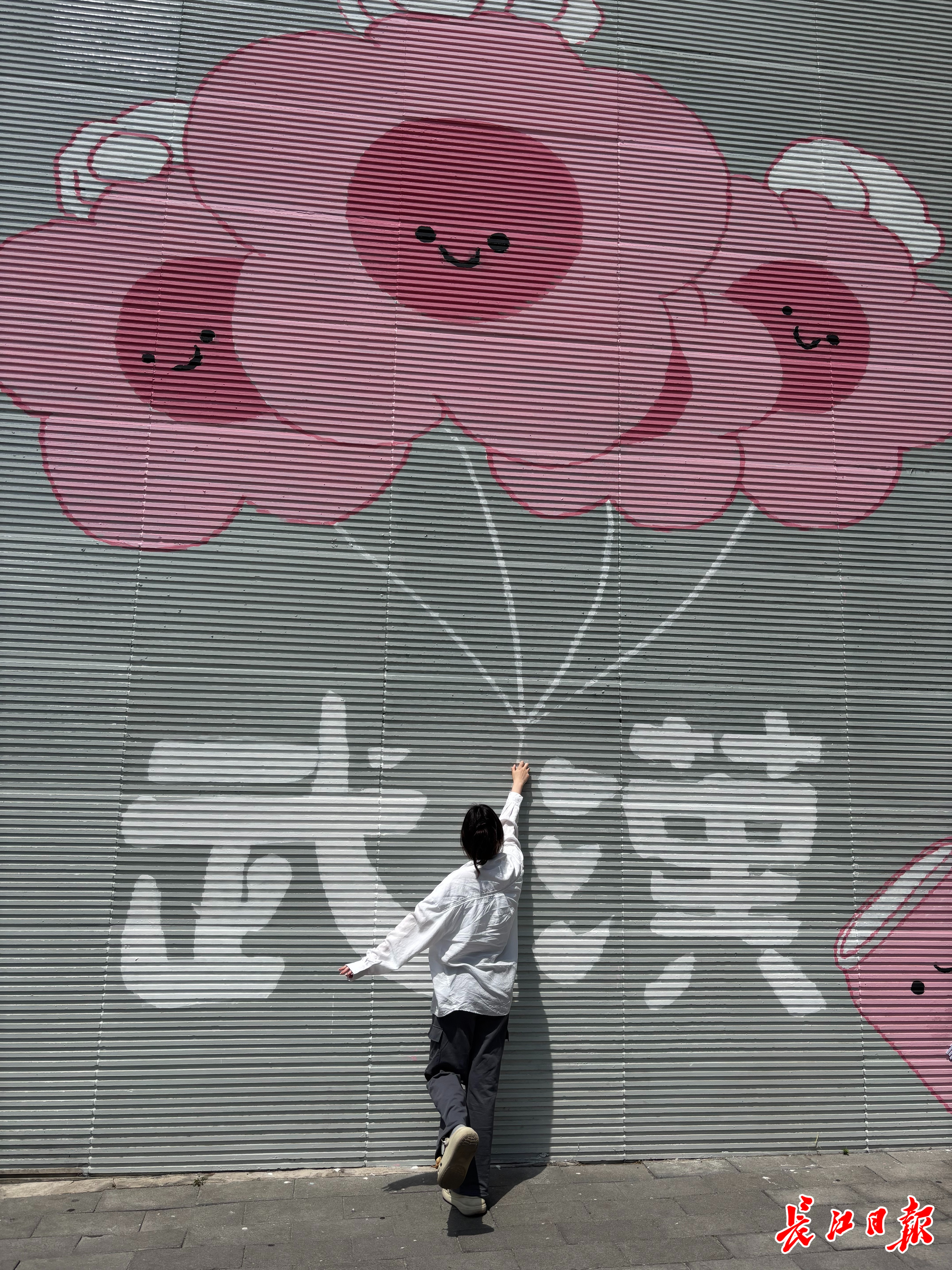
Core Points - The article highlights the increasing popularity of artistic murals and colorful walls in Wuhan, which have become significant attractions for tourists, especially during the May Day holiday [6][9][27] - The integration of traditional culture with modern art is emphasized, showcasing how these murals serve as cultural landmarks and enhance the city's tourism appeal [9][11][27] Group 1: Tourist Attractions - The giant mural "Jade Flute and Yellow Crane" in Wuchang Doujiying historical cultural district measures 12 meters high and 7 meters wide, attracting numerous visitors for photos [9] - Various colorful walls, such as the "Love" wall by the Yangtze River and the "Red Wall" at Simenkou Yellow Crane Tower station, have become popular photo spots, contributing to the vibrant atmosphere of the city [16][21] - The "I am in Wuhan Tanhualin" mural and other artistic installations in Tanhualin have drawn young tourists, enhancing the area's cultural vibe [24][26] Group 2: Economic Impact - The influx of tourists to these mural sites has led to increased foot traffic and business for nearby shops, with many new cafes and gift stores opening in response to the popularity of these attractions [21][27] - The presence of these artistic walls not only serves as a draw for visitors but also stimulates local consumption, injecting new vitality into Wuhan's cultural tourism economy [27]