AI修图

Search documents
是谁把AI塞进了手机里?端侧AI未来能干啥?
Hu Xiu· 2025-09-28 07:17
Core Viewpoint - AI image editing has become an essential feature in daily life, prompting an exploration of how mobile AI functions are developed and their differences from web-based AI solutions, as well as future potential applications [1] Group 1 - AI image editing is now a crucial part of everyday life [1] - There is a distinction between mobile AI functionalities and those offered on websites [1] - Future applications of mobile AI are anticipated to expand [1]
儿童摄影3分钟出片,像素蛋糕发布AI修图一体化智能工作流
Nan Fang Du Shi Bao· 2025-07-17 15:37
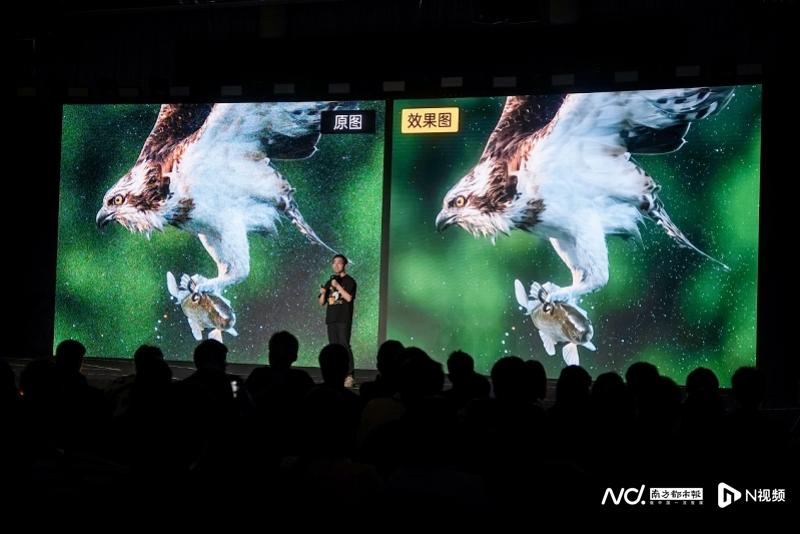
Core Insights - Pixel Cake launched a comprehensive "online + pixel cloud space + offline" ecosystem at the "All-round Creation" themed conference in Shanghai, featuring an integrated intelligent workflow and the new Pixel Cake 8.0 version [1][3] - The integrated intelligent workflow significantly reduces the time required for photography processes from three days to just three minutes, enhancing efficiency and meeting customer demands for rapid delivery [1] - The new Pixel Cake 8.0 version introduces five innovative features, including clothing change for ID photos and intelligent prop restoration, expanding the AI creative toolbox [3] Company Overview - Pixel Cake is a subsidiary of Xiamen Xiantian Technology Co., Ltd., focusing on the intelligent application of computer vision technology in creative design, providing commercial-grade intelligent imaging solutions for commercial photography [1] - The company aims to streamline the workflow in commercial photography, allowing for a more dynamic and engaging presentation of images through various templates and effects [1] Industry Trends - According to iResearch data, as of March and April this year, AI tool users accounted for 38% of domestic AI users, indicating a growing trend in AI adoption within the commercial photography sector [5] - The commercialization of AI in photography is driven by the need to control costs and increase revenue, with applications including AI retouching, virtual scene generation, and personalized style transfer [5]

中国AI修图赛道商业化前景凸显
Xin Hua Cai Jing· 2025-07-17 05:52
Core Insights - The commercial photography industry is undergoing a transformation driven by AI technology, which is addressing efficiency and quality challenges faced by traditional workflows [1][3] - The number of registered photography service providers in China is expected to exceed 3.8 million by June 2025, with a significant portion being small enterprises [1] - Adobe remains a dominant player in the market, reporting a revenue of $5.87 billion for Q2 FY2025, with a nearly doubled user base for its Firefly model [1] Industry Developments - Domestic companies are actively exploring the commercialization of AI photo editing, with brands like Pixel Cake serving millions of photographers and completing over 100 million images [2] - Pixel Cake introduced an "integrated intelligent workflow" that significantly reduces editing time from three days to three minutes, enhancing productivity [2] - The launch of the "Sugar Cube" model and 16bit·AI Raw parsing technology by Pixel Cake aims to revolutionize the editing process and expand creative possibilities in video production [2] Market Impact - The implementation of Pixel Cake's intelligent workflow system led to a 40% increase in monthly orders and a 65% reduction in labor costs for a leading children's photography chain [3] - Pixel Cake's solutions have reportedly resulted in over 200% revenue growth for commercial photography users [3] - The company has been recognized as the leading brand in China's commercial AI photo editing market by iResearch, highlighting the commercial viability of AI in this sector [3]
艾瑞咨询授予像素蛋糕“中国商业级AI修图市占率第一品牌”认证
艾瑞咨询· 2025-07-16 09:49
Core Viewpoint - Pixel Cake has been recognized as the "No. 1 Brand in China's Commercial AI Retouching Market" by iResearch Consulting, highlighting its leading position in the industry based on comprehensive evaluations and market analysis [1][6]. Industry Growth Drivers - The growth of China's commercial AI retouching industry is significantly driven by advancements in intelligent automation, with mainstream products now featuring capabilities such as face detection, skin tone recognition, and scene segmentation, enabling refined operations like skin smoothing and background replacement [2]. Competitive Strategies - The acceleration of domestic model development has become a core strategy for enhancing competitiveness in the commercial AI retouching sector, as companies adapt to regulatory requirements and build customer trust through localized model deployment and self-developed algorithms [3]. Technological Advancements - Pixel Cake leverages three core technologies to lead the professional AI retouching market, including the Sugar Cube Model, Sugar Cube Engine, and 16bit·AI Raw Engine, which support a wide range of camera formats and enhance the quality and efficiency of post-production work [4][5]. Market Position and Recognition - Pixel Cake holds the leading market share in the commercial AI retouching industry, with its proprietary technologies providing significant advantages in functionality, color accuracy, and user experience, as validated by iResearch Consulting's comprehensive assessment [6].

国产手机,盯上“演唱会韭菜”?
Hu Xiu· 2025-05-28 08:16
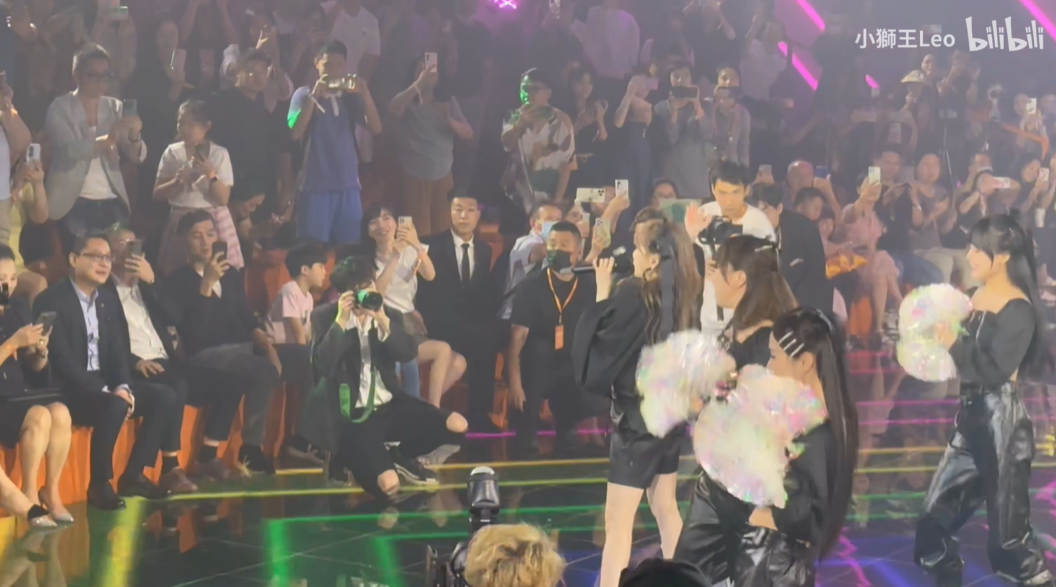
Group 1 - The concert market in China faces a growing demand for live performances against a backdrop of limited supply, leading to increased ticket scarcity [5][34] - The popularity of artists like Shan Yichun is driving the demand for better recording devices, prompting consumers to consider purchasing new smartphones [2][5] - The current trend among smartphone manufacturers is to enhance long-focus capabilities, positioning their devices as "concert tools" [23][36] Group 2 - Samsung's S23 Ultra stands out in the market due to its 10x optical zoom, making it a preferred choice for concert-goers [20][22] - Other manufacturers are following suit, with flagship models like Xiaomi 14 Ultra and Huawei P60 Pro introducing features specifically designed for concert environments [27][33] - The competition among smartphone brands has intensified, focusing on long-focus technology as a key differentiator [36][90] Group 3 - The evolution of smartphone cameras has shifted from basic single-lens setups to advanced multi-lens systems, with a significant emphasis on optical zoom capabilities [84][90] - AI technology is increasingly integrated into smartphone photography, enhancing image clarity and detail, especially at high zoom levels [59][62] - Despite advancements, there is a growing consumer preference for older models that prioritize optical quality over AI enhancements [100][104]