AI修图

Search documents
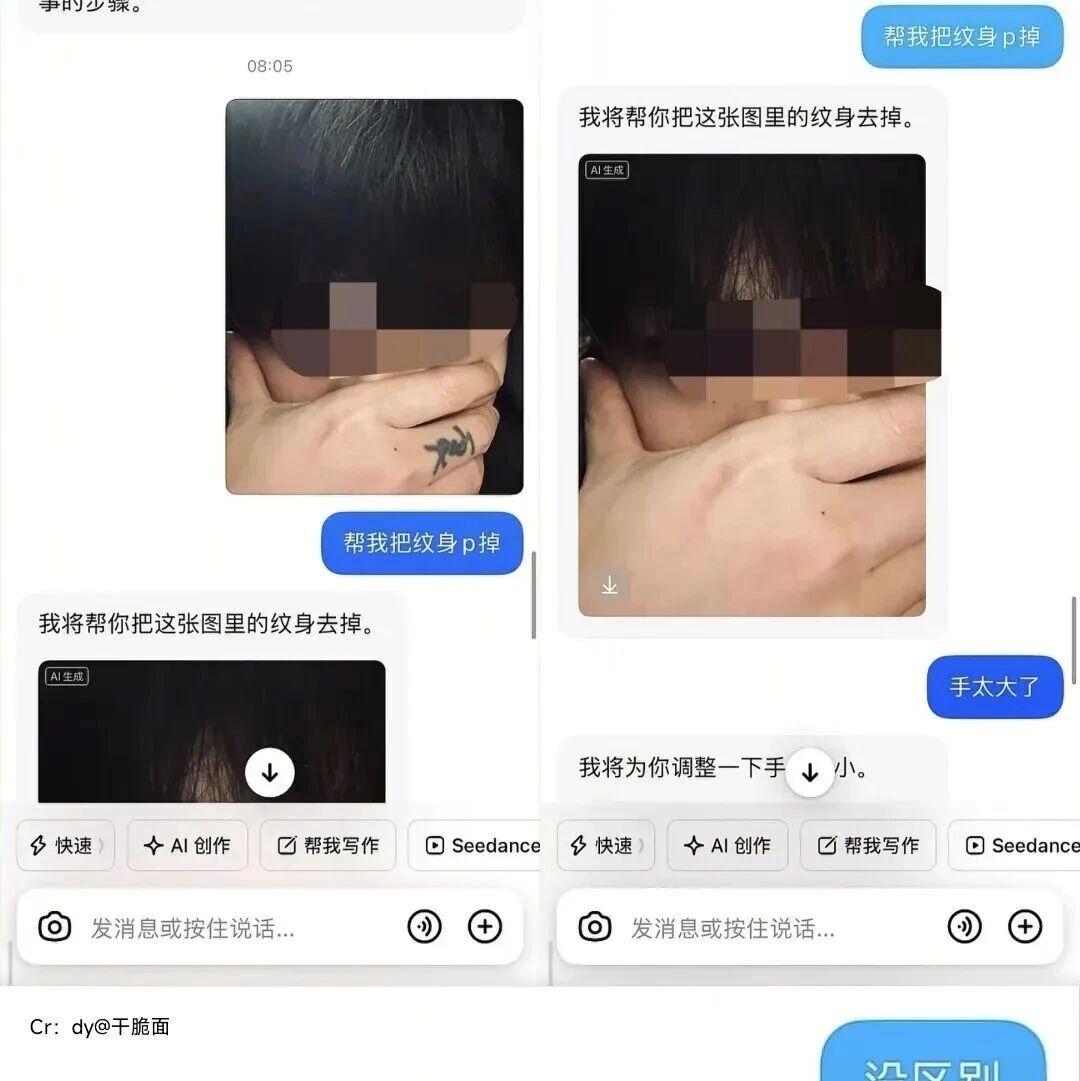
大侠后宫:“找豆包AI修图前vs修图后……”哈哈哈哈哈哈超绝性缩力!!
猿大侠· 2026-03-11 04:26
Group 1 - The article discusses various humorous and relatable scenarios in daily life, highlighting the absurdities and quirks of modern experiences [1][4][10] - It touches on the emotional responses people have to certain situations, such as fear and nostalgia, which resonate with a wide audience [15][18][35] - The content includes references to popular culture and social media, indicating a connection to contemporary trends and shared experiences [12][21][63] Group 2 - There are mentions of artistic expressions and their value, suggesting that creativity is derived from everyday life [27][33] - The article also reflects on the dynamics of relationships and social interactions, often with a comedic twist [59][61][65] - It emphasizes the importance of honesty and integrity in personal and professional relationships, showcasing a positive moral stance [57][58]

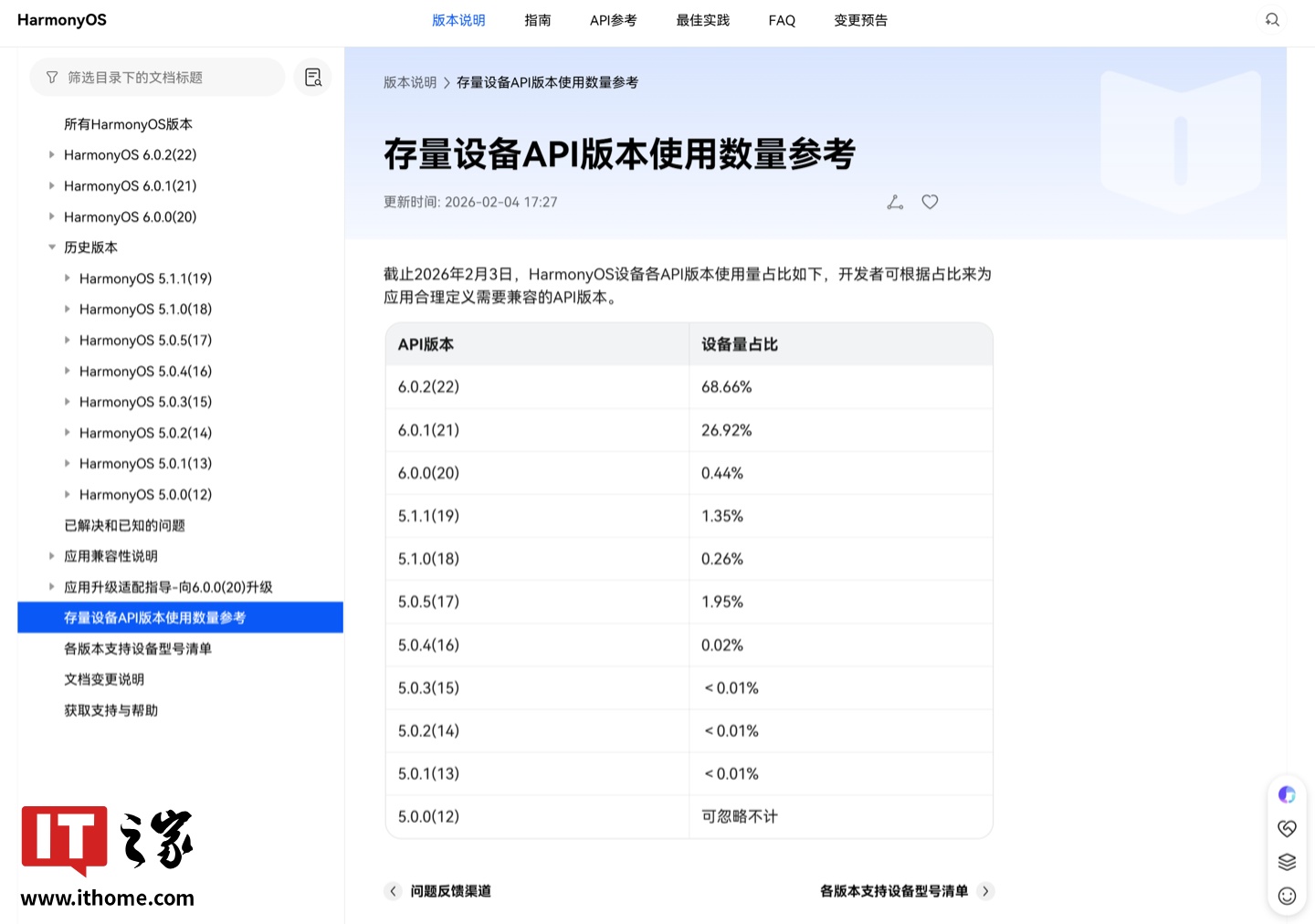
华为鸿蒙存量设备 API 版本使用数更新,HarmonyOS 6.0.2 (22) 占比 68.66%
Xin Lang Cai Jing· 2026-02-06 01:25
Core Insights - Huawei has updated the API version usage statistics for HarmonyOS devices as of February 3, 2026, indicating the distribution of various API versions among existing devices [1][5]. Group 1: HarmonyOS API Version Usage - HarmonyOS 6.0.2 (22) accounts for 68.66% of the API version usage among devices [1][5]. - HarmonyOS 6.0.1 (21) represents 26.92% of the usage [1][5]. - HarmonyOS 6.0.0 (20) has a minimal share of 0.44% [1][5]. - Older versions such as HarmonyOS 5.1.1 (19) and 5.1.0 (18) have usage shares of 1.35% and 0.26% respectively [1][5]. - The remaining versions (5.0.5 to 5.0.0) have negligible usage, with some being less than 0.01% [1][5]. Group 2: Recent Updates and Enhancements - HarmonyOS 6.0.2 (22) was released on January 22, enhancing development capabilities, including improved user interaction and web page experience through ArkWeb [1][5]. - The Connectivity Kit's Bluetooth module has been enhanced to better obtain socket link information [1][5]. - The HarmonyOS 6.0.0.130 SP15/SP17 update has optimized application launch speeds and improved gaming experience on Mate 80 series devices, which now support AI photo editing features [2][6].
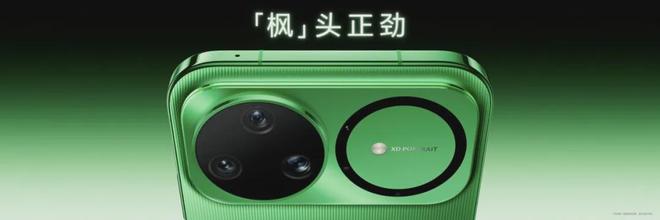
前后双红枫!华为的又一把“杀手锏”
Guan Cha Zhe Wang· 2025-12-22 14:56
Core Viewpoint - The smartphone industry is facing intense competition and rising costs, leading to "hidden downgrades" in mid-to-high-end models, while Huawei's nova 15 series aims to set a new standard with innovative features and a focus on user experience [1][2][28] Group 1: Product Innovation - The nova 15 series, dubbed "supernova," features a dual red maple imaging system that sets a new benchmark for imaging experience in its class [2][4] - The series includes significant upgrades such as the Kirin chip and HarmonyOS AI enhancements, providing a comprehensive experience without compromises [2][28] - The nova 15 Ultra boasts a 50MP front camera with advanced light spectrum sensing algorithms, increasing light intake by 96% [6][8] Group 2: Imaging Capabilities - The nova 15 series addresses young users' diverse imaging needs, moving beyond basic photography to capturing emotional and atmospheric moments [4][14] - The rear camera system includes a 50MP variable aperture lens, a 50MP periscope telephoto lens, and a 50MP ultra-wide macro lens, covering all focal lengths without compromise [10][12] - New features like the "stage mode" automatically adjust settings for dynamic lighting conditions, enhancing the user experience [10][14] Group 3: AI Integration - The nova 15 series incorporates HarmonyOS AI, which assists in creative processes and simplifies photo editing through features like "AI color picking" [15][20] - The AI capabilities extend to everyday tasks, automating routine actions and enhancing user convenience [18][20] - The ecosystem of AI tools supports personalized content creation, making it easier for users to express their individuality [16][20] Group 4: Design and Performance - The nova 15 series is designed to appeal to young consumers with a stylish appearance and robust performance, featuring a sleek 6.8mm body and vibrant color options [21][27] - The devices are powered by the Kirin 9010S and Kirin 8020 chips, offering performance improvements of 18% and 62% respectively compared to previous models [23][27] - The series includes a 6500mAh battery with fast charging capabilities, addressing concerns about battery life during extensive use [25][27] Group 5: Market Positioning - The launch of the nova 15 series represents a strategic move against industry trends of cost-cutting, emphasizing comprehensive innovation and user experience [28] - Huawei's nova series has played a crucial role in reshaping the high-end market landscape and establishing a strong reputation in the mid-to-high-end segment [2][28] - The nova 15 series is expected to resonate well with young consumers, reinforcing Huawei's leadership in the market and driving a return to value-driven experiences in the industry [28]
华为推出nova 15系列:麒麟9010S芯片现身,起售价没涨
Guan Cha Zhe Wang· 2025-12-22 09:13
Core Viewpoint - Huawei officially launched the nova 15 series smartphones, positioning them in the mid-to-high-end market, with prices starting at 2699 yuan for the nova 15, 3499 yuan for the nova 15 Pro, and 4199 yuan for the nova 15 Ultra, without any price increase despite rising storage chip costs [1][3]. Group 1: Product Features - The nova 15 Ultra features a 50MP front camera with a red maple imaging system, improving color accuracy by 120% and light intake by 96%, and a rear camera system also featuring a 50MP RYYB sensor for complex lighting conditions [1][3]. - The nova 15 Ultra is powered by the Kirin 9010S processor, which enhances overall performance by 18% compared to the previous generation, and includes dual satellite communication capabilities and a 6500mAh battery with 100W wired and 50W wireless fast charging [3][5]. - The nova 15 Pro shares the Kirin 9010S processor and features a similar front camera but has a different rear camera configuration, including a 50MP main sensor and additional lenses for wide-angle and portrait shots [5]. - The standard nova 15 model is equipped with the Kirin 8020 processor, which improves performance by 62% compared to its predecessor, and has a 6000mAh battery with 100W fast charging [7]. Group 2: Software and Ecosystem - All models in the nova 15 series run on the HarmonyOS 6, featuring AI photo editing and other functionalities, with over 32 million devices currently using HarmonyOS [9]. - The number of registered developers for HarmonyOS has surpassed 10 million, and users can access over 350,000 applications and services [9]. Group 3: Market Performance - The nova 14 series achieved significant sales, with over 1 million units sold within 24 days of launch, and a total of 1.251 million units sold in 31 days, making it the best-selling mid-range smartphone in China [11]. - The Mate 80 series, launched recently, reportedly sold approximately 115% more than the Mate 70 series within the first 15 days of its release [11].

华为nova 15系列发布:首发双红枫影像系统,2699元起
Feng Huang Wang· 2025-12-22 07:38
Group 1 - Huawei officially launched the nova 15 series on December 22, featuring comprehensive upgrades in design, imaging system, and body structure, with prices starting at 2699 yuan [1] - The nova 15 Ultra and nova 15 Pro utilize an innovative horizontal stacked star architecture, enhancing the body’s resistance to bending and pressure, with the nova 15 Ultra being the thinnest model in the series at only 6.8mm, a reduction of approximately 12.6% compared to the previous generation [1] - The nova 15 series introduces a dual red maple imaging system, enabling collaborative shooting with front and rear cameras, with the front camera featuring a red maple sensor and pixel-level spectral perception algorithm for more accurate color reproduction [1] Group 2 - The series enhances AI photo editing capabilities under the HarmonyOS, introducing an AI color transfer feature that analyzes reference images and applies their style to user photos, along with support for AI-assisted composition and personalized color adjustments [2] - The nova 15 Ultra and nova 15 Pro are equipped with flagship Kirin 9 series chips, achieving comprehensive optimization from hardware computing power to system scheduling through deep integration with HarmonyOS 6 [2]
用AI造假,然后申请“仅退款”,商家:让她换角度拍视频她不愿意!律师:已涉嫌诈骗
Mei Ri Jing Ji Xin Wen· 2025-11-16 12:42
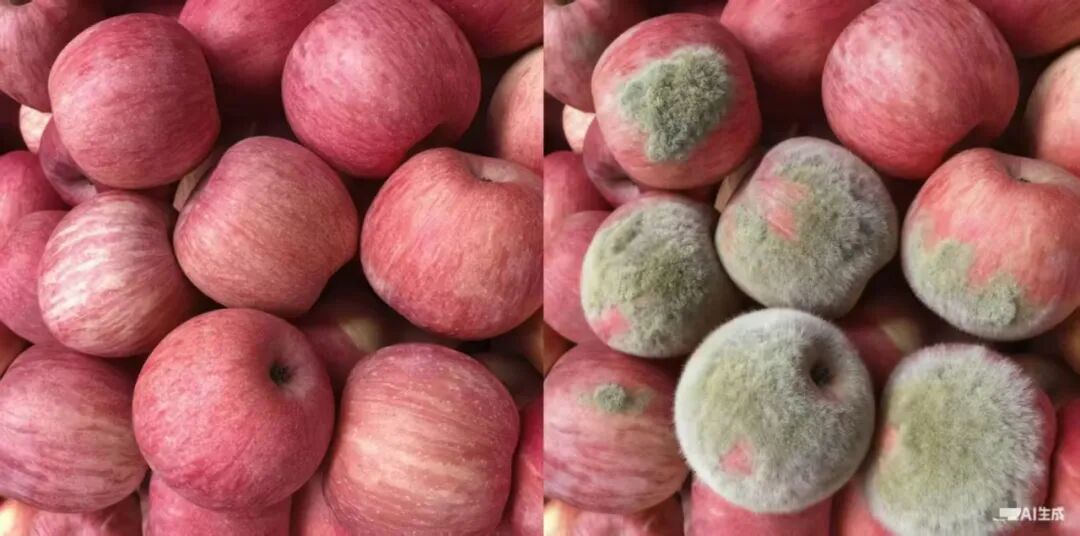
Core Viewpoint - The rise of AI technology is enabling fraudulent activities where consumers manipulate product images to claim quality issues, leading to financial losses for merchants [1][7]. Group 1: AI Manipulation and Fraud - Consumers are using AI to alter product images, such as modifying a normal apple photo to appear moldy, to falsely claim quality issues and seek refunds [1]. - Instances of AI-generated images being used to support refund claims have been reported, with merchants struggling to identify the fraud due to the subtlety of the alterations [3][5]. - A case involving a ceramic shop highlighted that AI detection tools can reveal a high probability of image manipulation, indicating a growing trend of such fraudulent practices [7]. Group 2: Merchant Response and Legal Implications - Merchants are facing challenges in verifying claims due to the low value of many products, making it economically unfeasible to contest every refund request [7]. - Legal experts indicate that using AI to fabricate product defects for refunds constitutes fraud, which could lead to civil or criminal penalties for the perpetrators [7]. - E-commerce platforms are taking measures to protect merchants by establishing an account integrity system to combat fraudulent refund claims and potentially involve law enforcement against repeat offenders [8][10].
我们用21款AI修图工具修了100张图:谁才是真正的“修图神器”?|Jinqiu Scan
锦秋集· 2025-11-10 11:38
Core Viewpoint - The article focuses on evaluating 21 AI image editing tools across six real-life scenarios to determine their effectiveness in understanding and executing user requests for image modifications [4][11][141]. Group 1: Evaluation Methodology - The evaluation consists of six rounds, each using the same prompt for image editing, with all models set to their latest default configurations [11][12]. - Three general evaluation dimensions are used: visual consistency, local quality, and content consistency [12][13][14]. Group 2: Performance Results - Top performers include Tencent Yuanbao, Meitu Xiu Xiu, and Qwen Image Edit, scoring 15 points for effectively meeting user prompts without noticeable discrepancies [23]. - Nano Banana, Sora, Lovart, Manus, and Runway scored 14 points, with minor issues in image retrieval capabilities [28]. - Tools like Jiemeng 4.0, Wake Map, and Pixel Cake scored around 10 points, showing significant errors despite being dedicated image editing software [30]. Group 3: Specific Findings - In the first round, Tencent Yuanbao and Meitu Xiu Xiu excelled in removing unwanted elements while enhancing image clarity [23]. - The second round highlighted Qwen Image Edit and Genspark as top performers in foreground extraction, maintaining original details [41]. - The third round saw Jiemeng 4.0 and Tencent Yuanbao achieving high scores for effectively replacing elements while preserving the original image's integrity [65]. Group 4: Future Directions - The article indicates plans for future evaluations of AI tools in areas such as game development, knowledge bases, and companionship products [7].

突然刷屏:“退卡、差评!”山姆深夜回应
Mei Ri Jing Ji Xin Wen· 2025-11-04 06:01
Core Viewpoint - The recent updates to the Sam's Club app have sparked controversy among users due to issues such as overly beautified images, hidden ingredient lists, and a complicated interface, leading to a surge in negative feedback and calls for improvement [1][4][11]. Group 1: User Feedback and Reactions - Many Sam's Club members have reported that the updated app features images that appear excessively beautified, particularly for fresh produce and meat products, which has led to complaints about the authenticity of the displayed items [4][11]. - Users have expressed their dissatisfaction in the app's comment sections, with comments like "return card" and "poor reviews" becoming prevalent, indicating a strong negative sentiment towards the recent changes [4][5]. - Some users have noted that the app now displays images of cooked food instead of raw meat products, further contributing to the confusion and dissatisfaction among customers [9][11]. Group 2: Company Response and Adjustments - In response to the feedback, Sam's Club issued a statement indicating that the app changes began testing in late August and that they are committed to ongoing improvements based on member suggestions [2][14]. - The company has acknowledged the issues raised by users and has started to revert some of the changes, including restoring original images for certain products while still incorporating new images in a less prominent manner [17][18]. - Sam's Club has confirmed that the app's recent updates were aimed at enhancing user experience, but they are now actively working to address the concerns raised by their members [15][21]. Group 3: Business Performance Context - Despite the recent app issues, Sam's Club has shown strong growth, with double-digit increases in transaction volume and plans to open approximately five new stores by the end of the year [21]. - The company has also reported a significant increase in membership numbers, with stable growth in renewal rates and active engagement among members [21]. - The e-commerce segment has become a crucial part of the business, with online sales accounting for over 50% of total sales, reflecting a shift in consumer purchasing behavior [21].


免费战略下的像素蛋糕:资本逻辑与长期主义
Sou Hu Wang· 2025-10-10 01:59
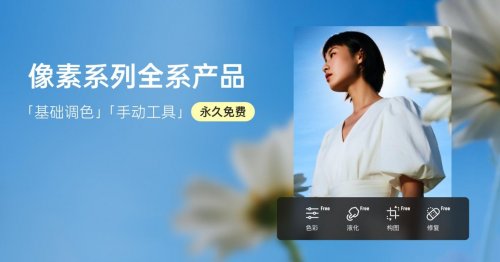
Core Insights - The announcement by Pixel Cake to offer its core color adjustment feature for free raises questions about whether this move is a regression in business logic or a precursor to a valuation restructuring [1][4][6] - The photography service market in China is on an upward trajectory, with the industry size growing from 392.25 billion yuan in 2018 to 525.45 billion yuan in 2022, and projected to exceed 805.8 billion yuan by 2028, indicating a compound annual growth rate of approximately 6.9% over the next five years [1] - The enterprise SaaS market in China reached 49.82 billion yuan in 2020, growing by 31.6%, but still has a low overall penetration rate, providing a fertile ground for Pixel Cake's free model [1] Company Overview - Pixel Cake has maintained high investment in product development since its inception, with its core technology being a self-trained AI photo editing engine that simplifies complex post-production processes while ensuring high-quality results [3] - The platform has accumulated hundreds of thousands of active users among studios and photographers, establishing a reputation as a tool that caters to both novices and professionals [3] - Pixel Cake offers a comprehensive workflow that integrates creative templates, automated initial edits, refined post-production, and sales support, positioning itself as an "industry infrastructure" rather than just a tool [3] Strategic Implications - The free strategy allows Pixel Cake to sacrifice some subscription revenue in the short term in exchange for accelerated user base expansion and establishing itself as a default entry point in the industry [4] - Once it becomes an infrastructure, the marginal cost of acquiring customers approaches zero, shifting the real value towards efficiency improvements and ecosystem expansion [4] - The use of Pixel Cake reduces delivery cycles for studios from twenty days to just a few days, while photographers can transition from "shooters" to "creative designers," broadening their income structure [4] Market Considerations - The sustainability of Pixel Cake's strategy hinges on three key variables: the ability to quickly build user volume and competitive barriers through the free model, the conversion of value-added services into stable payment willingness, and the company's ability to gain new pricing power after deeply embedding itself in workflows [6] - The free model is not an endpoint but a means to achieve scale through inclusivity, trust through efficiency, and future growth through ecosystem development [6] - The capital market's valuation logic is not fixed, and for companies at a transformation juncture, strategic expectations can lead to premium valuations [6]
世界上第一张照片,被AI“修复”成了科幻片
Hu Xiu· 2025-10-04 04:22
Core Viewpoint - The article discusses the historical significance of the world's first photograph, "View from the Window at Le Gras," and how it has been reimagined using AI technology, highlighting the discrepancies between AI-generated images and the original photograph [1][4][31]. Group 1: Historical Context - The first photograph was created by Niépce using a process involving asphalt and a polished tin plate, capturing a blurry yet precious image over several days of exposure [3][22]. - This photograph is approaching its 200th anniversary, with its creation date still debated among scholars [1][4]. Group 2: AI Restoration and Its Implications - AI tools like GPT-4o have been used by users on platforms like Reddit to "restore" the original photograph, resulting in various imaginative and often inaccurate versions [6][31]. - Some AI-generated versions depict fantastical elements, such as spaceships and animated features, diverging significantly from the original 19th-century context [7][10][12]. - The AI restoration process often fails to accurately represent the original structures and details, leading to a loss of historical authenticity [23][41]. Group 3: Technical Aspects of AI Image Restoration - Current AI image restoration techniques primarily rely on diffusion models, which involve adding noise to images and then attempting to reconstruct them [32][34]. - Some models, like SPIRE, utilize semantic control frameworks to guide the restoration process, ensuring consistency in style and content [35][36]. - Despite advancements, AI-generated images may appear visually appealing but often lack accuracy when compared to the original photographs [40][41]. Group 4: Cultural and Philosophical Concerns - The proliferation of AI-generated images raises concerns about the authenticity of historical representations, as people may accept AI-generated content as genuine without questioning its validity [48][50]. - The article warns that the distinction between real and AI-generated images is becoming increasingly blurred, potentially leading to a loss of trust in visual media [49][52]. - It suggests that future generations may reference AI-generated versions of historical images rather than the originals, further complicating the understanding of history [53].