个性化学习

Search documents
中国科普研究所党委书记庞晓东:AI使个性化学习成为可能
Zhong Guo Jing Ying Bao· 2025-04-14 14:58
Core Insights - AI enables personalized learning by addressing the "one-size-fits-all" issue in education, allowing for tailored assignments based on individual student performance [1][4] - The essence of education remains unchanged, focusing on knowledge transmission, skill development, and value shaping, while AI can enhance these aspects [2][3] - AI's rapid development is evident, with significant advancements and recognition in research, indicating its disruptive potential in education [2] Group 1: AI in Education - AI facilitates personalized learning by tracking student performance and automatically generating customized assignments, significantly improving learning efficiency [1][4] - The integration of AI in education should focus on enhancing the core educational mission rather than altering it, emphasizing the importance of "education + AI" [2] - AI can provide vast resources for autonomous learning and create platforms for interdisciplinary skill development, fostering a more engaging learning environment [3][4] Group 2: Educational Equity and Challenges - AI has the potential to bridge educational gaps, especially in remote areas, by providing access to quality resources comparable to those available in urban settings [5] - While the future of AI in education is promising, it is essential to remain cautious about potential issues such as content accuracy and the phenomenon of "hallucination" in AI outputs [5]
当 AI 能秒回答案,我们能为青少年提供怎样的思考养料
声动活泼· 2025-03-28 08:17
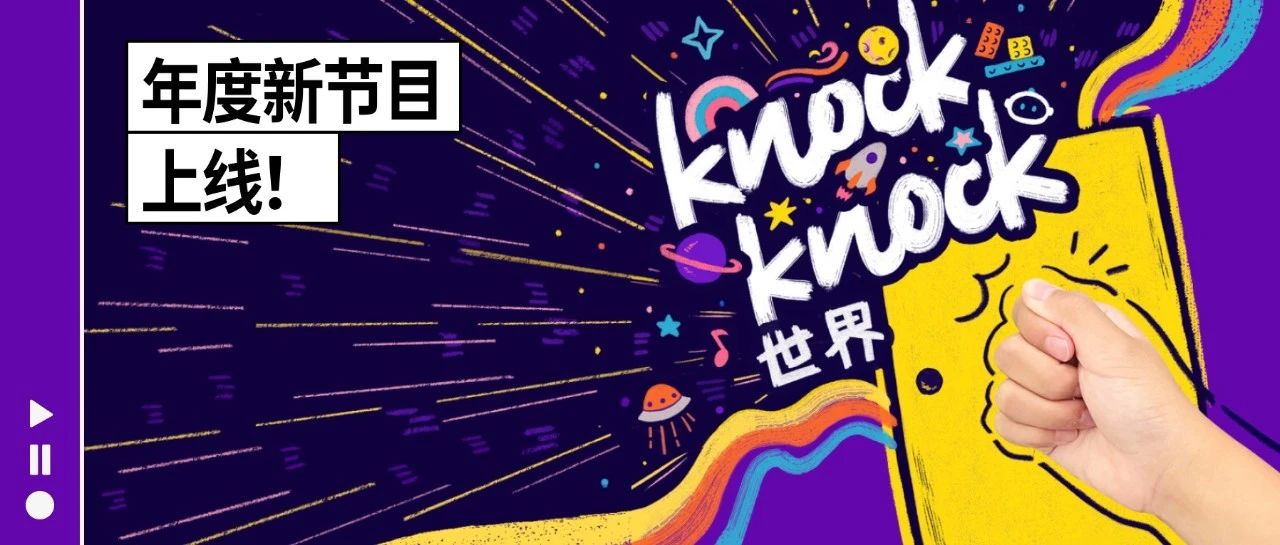
Core Viewpoint - The rapid evolution of generative AI is presenting significant challenges to education, necessitating a rethinking of how to educate youth in the AI era [1][12]. Group 1: Observations on Education Challenges - The education system globally is still based on a model established during the Industrial Revolution, which focuses on rote learning and standardized testing, failing to adapt to the fast-paced technological changes [4][8]. - The emergence of automation and AI is replacing many traditional jobs, highlighting the need for an education system that fosters critical thinking, creativity, and adaptability rather than merely producing standardized workers [4][12]. - A significant percentage of parents and educators agree that skills such as critical thinking (85%), creativity (75%), and collaboration (74%) are essential for future success [6]. Group 2: Insights from User Research - Research indicates that the adolescent years are crucial for developing curiosity and engagement with the world, which can significantly influence their future outlook and capabilities [14][15]. - The study revealed that adolescents are naturally curious about the world, including financial literacy and business concepts, which suggests a need for educational content that aligns with their interests [24][26]. - The content landscape for youth is lacking in "non-fiction, current" materials, which are essential for helping them connect learned knowledge with real-world applications [21][22]. Group 3: New Initiatives in Youth Education - The company has launched a new podcast series, "Knock Knock World," designed for youth aged 9 and above, aiming to provide engaging content that stimulates curiosity and critical thinking [1][31]. - The podcast will cover topics in business, technology, society, and culture, encouraging youth to explore deeper meanings behind current events and phenomena [31][32]. - The initiative is seen as a valuable supplement to traditional education, providing a platform for youth to engage with complex topics and develop essential skills for the future [28][32].