
城市体检

Search documents
“体检套餐”上新 城市更新升级(评论员观察)
Ren Min Ri Bao· 2025-06-10 21:59
Core Viewpoint - The new urban health assessment guidelines aim to enhance urban planning and policy implementation, ensuring sustainable urban development and improving residents' quality of life [1][2][3] Group 1: Urban Health Assessment Guidelines - The updated guidelines include 110 indicators for evaluating urban planning, optimizing analysis requirements for different scales and fields [1] - The integration of new technologies such as big data, cloud computing, and AI will significantly improve the efficiency and intelligence of urban health assessments [2] - The assessment process is designed to create a feedback loop between planning and evaluation, facilitating a more scientific approach to urban development [3] Group 2: Case Studies and Implementation - In Shenzhen, urban health assessments identified ecological fragmentation due to road construction, leading to the creation of wildlife corridors to enhance biodiversity [1] - Xiamen's assessment revealed that the per capita sports facility area was below provincial and national averages, prompting collaborative efforts to improve local sports infrastructure [2] - The guidelines emphasize the importance of a "15-minute community life circle," focusing on enhancing public amenities and optimizing urban layouts to improve residents' living conditions [3] Group 3: Broader Implications - The urban health assessment reflects a shift in urban governance, viewing cities as dynamic entities rather than static spaces [3] - The approach aims to support China's modernization efforts by fostering vibrant, interconnected urban environments that enhance residents' happiness and well-being [3]
【省住房城乡建设厅】陕西:城市更新这样补短板
Shan Xi Ri Bao· 2025-06-04 22:40
Core Insights - The article highlights the significant progress made in urban infrastructure improvements in Shaanxi Province, particularly in underground pipeline renovations and urban drainage systems [1][2][4] Group 1: Urban Infrastructure Improvements - Since the initiation of the urban renewal action in 2020, over 10,600 kilometers of old pipelines have been updated, with an 81% reduction in urban flooding points [2] - The new rainwater and sewage separation systems are expected to reduce the load on sewage treatment plants by over 30% [1][2] - The city of Xian has implemented night construction and dynamic barriers to minimize disruption during road renovations, enhancing traffic flow significantly [3] Group 2: Specific Projects and Outcomes - In Yulin City, 279 residential areas have undergone rainwater and sewage separation improvements, effectively addressing flooding issues [4] - The ecological corridor along Yuxi River has been enhanced using permeable paving and other sponge city technologies, ensuring no water accumulation during heavy rains [4] - Yulin's urban functionality has improved, with resident satisfaction rising to 92% following comprehensive urban assessments and targeted interventions [5] Group 3: Future Plans and Goals - Shaanxi Province is planning a new round of county-level construction actions, focusing on drainage and sewage separation, with 862 projects scheduled for implementation by 2025 [5] - The province aims to upgrade urban utilities, including gas, water, sewage, and heating systems, while enhancing urban resilience through real-time monitoring and dynamic alerts [5]
焦点访谈|15分钟生活圈、社区食堂……城市更新让居民幸福感原地升级
Yang Shi Wang· 2025-05-27 13:47
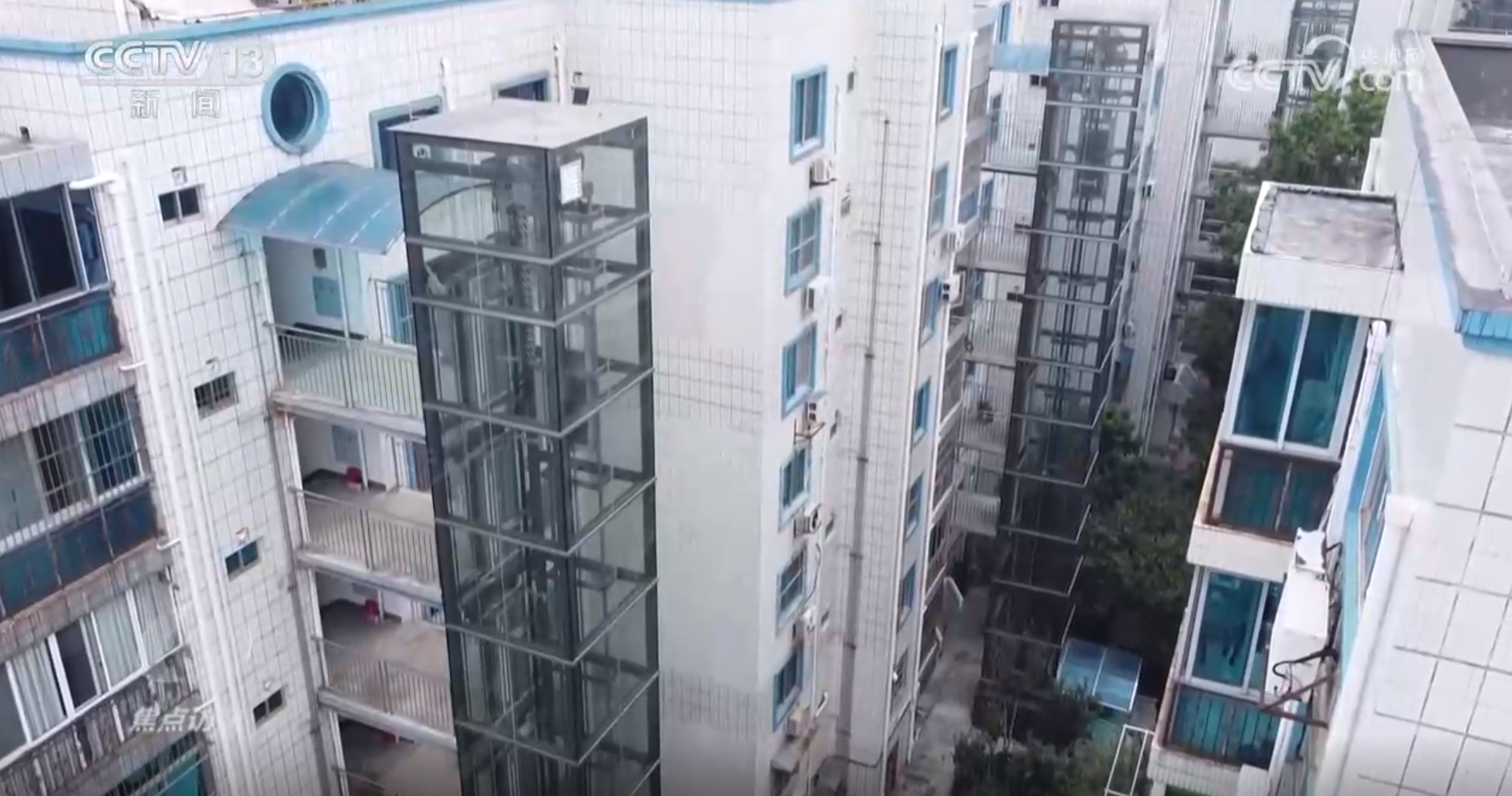
Core Viewpoint - The recent release of two key documents regarding urban renewal and urban health assessments signifies a strategic push towards high-quality urban development in China, addressing urban issues and promoting economic growth through infrastructure upgrades and community improvements [1][5][15] Urban Renewal Definition - Urban renewal is likened to renovating an old house, involving upgrades to aging infrastructure and community facilities, such as the installation of elevators in old residential buildings and the modernization of drainage systems [3][5] - The integration of urban health assessments with urban renewal efforts is emphasized as a foundational step to identify and address urban issues effectively [3][5] Benefits of Urban Renewal - By the end of 2024, China's urbanization rate is projected to reach 67%, with 940 million people living in urban areas, highlighting the need for improved living conditions through urban renewal [5][6] - Urban infrastructure investments, particularly in urban pipeline construction, have seen direct investments exceeding 500 billion yuan, stimulating an additional 800 billion yuan in related investments, thus playing a crucial role in economic stability [5][15] Key Tasks and Focus Areas - The newly released policy outlines eight key tasks aimed at addressing urban development challenges, including ecological restoration, public service enhancement, and economic vitality stimulation [6][8] - Specific focus areas include the renovation of old residential areas and underground pipeline systems, with a cumulative total of 280,000 old residential units being renovated from 2019 to 2024, benefiting 48 million households [6][12] Community Development - The policy promotes the construction of complete communities, emphasizing the need for improved public service facilities to enhance residents' quality of life [8][11] - The transformation of old neighborhoods and industrial sites into vibrant community spaces is highlighted, with examples of successful projects that integrate modern amenities while preserving historical elements [11][14] Funding and Investment Mechanisms - The central government has allocated over 470 billion yuan since the 14th Five-Year Plan to support urban infrastructure projects, with plans for diversified funding mechanisms to ensure sustainable urban renewal [15] - The establishment of a multi-level funding system is crucial for the success of urban renewal projects, encouraging participation from various stakeholders [15]

住建部:目前全国地级及以上城市都已全面开展城市体检工作
news flash· 2025-05-20 03:44
Core Viewpoint - The Ministry of Housing and Urban-Rural Development emphasizes the importance of urban health checks to identify urgent issues faced by the public and to enhance urban competitiveness and sustainability [1] Group 1 - Urban health checks are being conducted nationwide in cities at the prefecture level and above, focusing on identifying pressing problems and weaknesses [1] - The next steps involve expanding the scope and depth of urban health checks and better utilizing the results to establish a closed-loop mechanism for problem identification, resolution, evaluation, and enhancement [1] - The findings from urban health checks will serve as key priorities for urban renewal efforts [1]
一体化推进城市体检和城市更新
Jing Ji Ri Bao· 2025-05-19 22:06
Core Viewpoint - The central government emphasizes the continuous promotion of urban renewal as a strategic deployment to enhance urban high-quality development, modernize in a Chinese context, and meet the people's needs for a better life [1] Group 1: Urban Renewal Objectives - Urban renewal aims to optimize urban structure, improve functions, preserve cultural heritage, and enhance living quality, covering economic, social, and environmental aspects [1] - Urban health checks are essential for identifying issues in urban living environments and planning effective urban renewal strategies [1] Group 2: Implementation Strategies - The urban health check and urban renewal should be viewed as an integrated process, requiring coordination in resource allocation and work cycles [2] - The Ministry of Housing and Urban-Rural Development has outlined a framework for urban health checks across four dimensions: housing, community, street, and city, with 60 specific indicators to guide the process [2] Group 3: Adaptive Approaches - Urban health checks and renewal must be tailored to local conditions and adjusted dynamically based on regional differences and development stages [2] - The urban health check framework is designed to be flexible, allowing for the addition or modification of indicators as needed [2] Group 4: Technological Integration - The use of advanced information technology and big data analysis is crucial for identifying potential urban issues and supporting governance decisions [3] - Establishing an urban health check information platform will facilitate ongoing analysis, monitoring, and evaluation of urban renewal efforts [3]