
日中关系

Search documents
综述|日本有识之士强烈要求高市早苗撤回涉台错误言论
Xin Hua She· 2025-12-08 16:48
Core Viewpoint - There is a strong demand from Japanese intellectuals for Prime Minister Kishi Sanae to retract her erroneous remarks regarding Taiwan, as they deviate from Japan's historical stance on the Taiwan issue and could escalate tensions in Japan-China relations [1][2]. Group 1: Reactions from Scholars and Politicians - The chairman of the "Inherit and Develop the Murayama Statement" group, Fujita Takakage, stated that Kishi's remarks in the Diet represent a significant departure from previous Japanese government positions, equating to a declaration of war if "Taiwan is in trouble," which could be seen as a revival of Japanese militarism [2]. - Japanese political scholar Uehara Kumiko emphasized that Kishi's statements contradict established international order, referencing documents like the Cairo Declaration of 1943 and the Potsdam Declaration of 1945 that clearly define Taiwan's status [2]. - Former diplomat and international political scholar Tōgō Kazuhiko noted that Kishi's comments have placed Japan-China relations in a precarious situation, stressing the importance of adhering to the 1972 Japan-China Joint Statement regarding Taiwan [2]. Group 2: Criticism of Kishi's Position - Political economist Uekusa Kazuhide criticized Kishi for her contradictory statements, suggesting that her attempts to downplay the significance of her remarks only serve to obscure the issue [3]. - Akimoto Atsushi, former editor of "Sekai" magazine, pointed out that Kishi's frequent references to dialogue with China lack the necessary respect and equality, making genuine dialogue impossible under her current approach [3]. - Professor Adachi Masakatsu highlighted Kishi's push for revising Japan's security documents, relaxing arms export restrictions, and increasing defense budgets, arguing that these actions are effectively steering Japan towards militarization and potential conflict [3].
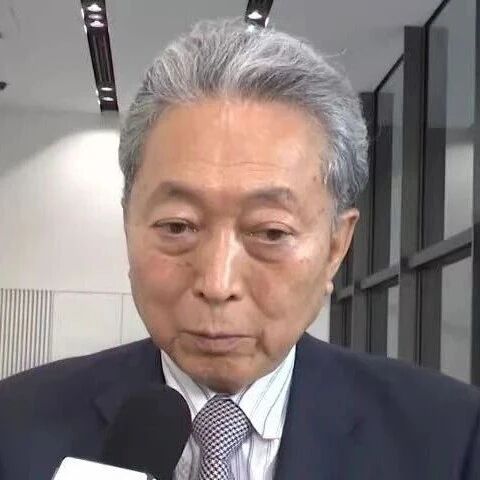
鸠山由纪夫:十分担忧
第一财经· 2025-12-08 00:46
Core Viewpoint - The article discusses the negative impact of Japanese Prime Minister Kishi Nobuo's remarks on Taiwan, emphasizing that Taiwan is a domestic issue for China and Japan should not interfere, which has worsened Sino-Japanese relations [3]. Group 1 - The International Asian Community Association held an academic exchange meeting in Tokyo on December 7, where participants discussed the adverse effects of Kishi Nobuo's comments regarding Taiwan [3]. - Former Japanese Prime Minister Yukio Hatoyama expressed concern over Kishi Nobuo's statements, stating that they could lead to a deterioration in Japan-China relations [3].

高市早苗应撤回涉台错误言论(国际论坛)
Ren Min Ri Bao· 2025-12-06 21:57
Core Points - The recent remarks by Japanese Prime Minister Kishi Nobuo linking "Taiwan issues" with Japan's collective self-defense have sparked significant diplomatic tensions with China, undermining the historically cautious stance of previous Japanese governments on Taiwan [1][2] - Kishi's comments have been criticized for violating the principles established in four political documents that form the foundation of Japan-China relations, particularly the 1972 Japan-China Joint Communiqué, which recognizes the People's Republic of China as the sole legitimate government of China [1] - The current situation is seen as a critical juncture for Japan-China relations, with calls for Kishi to retract his statements to mitigate further negative impacts on diplomatic ties [2] Summary by Sections Diplomatic Relations - Kishi's statements have led to a serious diplomatic crisis, damaging the relationship built by previous generations of Japanese and Chinese leaders [1] - The remarks are viewed as a challenge to China's core interests, prompting immediate and strong protests from the Chinese government [1][2] Historical Context - The article emphasizes the importance of remembering the lessons of history, particularly regarding Japan's militaristic past and its consequences for China and the broader region [2] - It highlights that while most Japanese citizens reflect critically on the war, some politicians still deny or glorify Japan's aggressive history, which harms Sino-Japanese relations [2] Current Situation - The article argues that the longer the situation remains unresolved, the greater the negative effects on Japan will be, urging Kishi to take responsible actions by retracting his statements [2]
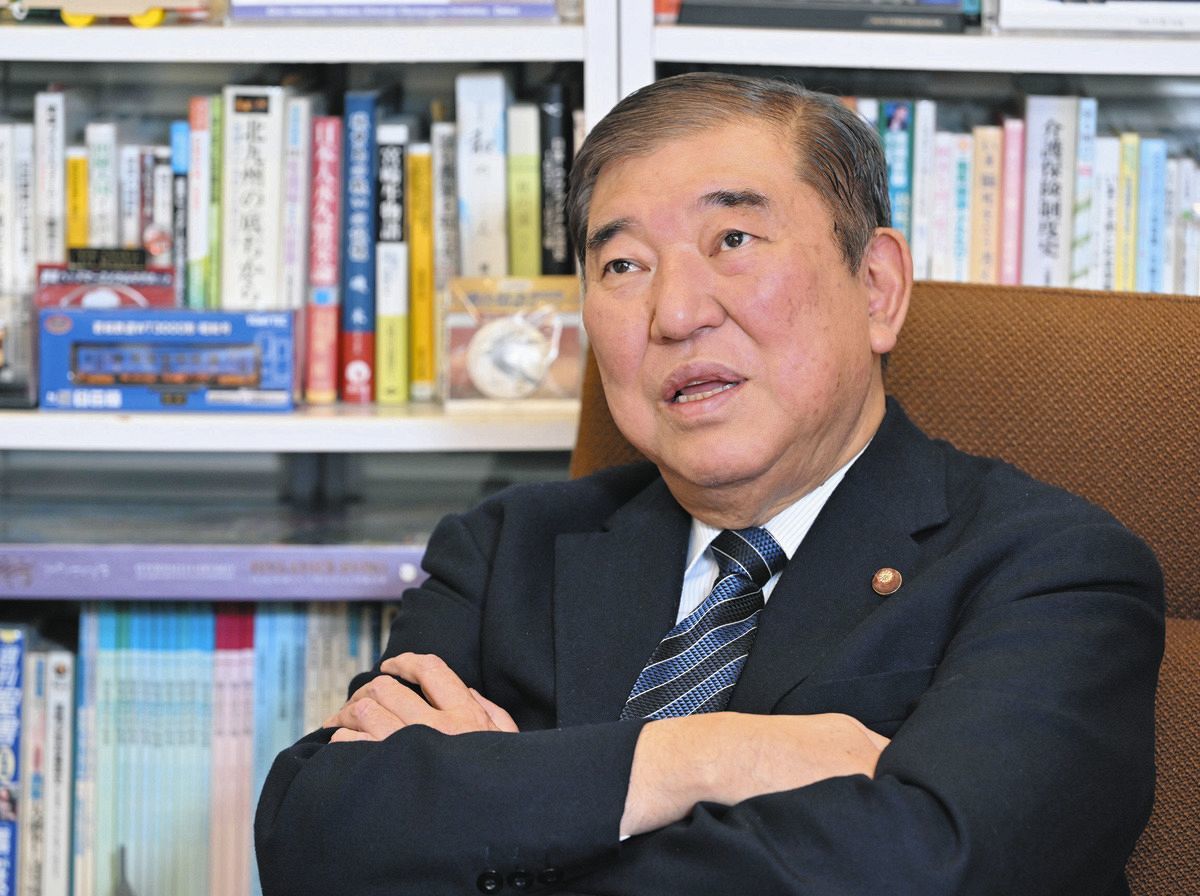
石破茂:还记得那时日本的结局吗?
Xin Jing Bao· 2025-12-03 06:12
Group 1 - The core viewpoint of the articles revolves around former Japanese Prime Minister Shigeru Ishiba's criticism of the current administration led by Sanae Takaichi regarding its remarks on Taiwan, emphasizing the importance of maintaining diplomatic relations with China [1][2] - Ishiba highlighted the historical context of Japan's diplomatic stance towards China, noting that since the normalization of relations in 1972, Japanese governments have consistently respected China's position on Taiwan [1] - He pointed out the economic dependence of Japan on imports from China, including food, rare earths, and pharmaceuticals, urging for smoother diplomatic relations between Japan and China [1] Group 2 - Ishiba's comments reflect a broader concern about the potential negative impact of Takaichi's statements on Japan-China relations, suggesting that such remarks could lead to diplomatic tensions [2] - He criticized the tendency of politicians to make impulsive statements on sensitive diplomatic issues, indicating that careful consideration is necessary in foreign policy discussions [2] - The articles raise questions about whether Takaichi understands the implications of her statements on Japan's foreign relations, particularly with China [2]
石破茂回应“背后放冷枪”指责:还记得那时大家都闭嘴时日本的结局吗?
Huan Qiu Wang· 2025-12-03 04:25
Core Viewpoint - Former Japanese Prime Minister Shigeru Ishiba criticized the cabinet of Sanae Takaichi, highlighting the importance of speaking out against government actions despite potential backlash from public opinion [1][3] Group 1: Criticism of Government - Ishiba's remarks were labeled as "backstabbing" by some in Japanese media, indicating a sensitive political climate where dissent is often met with criticism [1][3] - He referenced historical instances, such as the 1940 speech by former Congressman Takao Saito opposing the invasion of China, to illustrate the consequences of silence in the face of government decisions [3] Group 2: Japan-China Relations - Ishiba has previously criticized Takaichi's comments regarding Taiwan, arguing that deteriorating Japan-China relations could have severe implications for Japan's national interests [3] - He emphasized the necessity of maintaining a relationship with China, stating that Japan's existence is intertwined with its relationship with China since the normalization of diplomatic ties in 1972 [3]
视频丨日本国会议员:高市必须撤回错误言论才有可能平息事态
Yang Shi Xin Wen Ke Hu Duan· 2025-12-03 00:35
Group 1 - The core viewpoint is that the current tensions between Japan and China could lead to significant losses for Japan, and that the remarks made by Minister Takagi Sanae deviate from the government's official stance, necessitating a retraction to ease the situation [1][3] - Yamamoto Taro emphasizes that the Japanese government's misstatements are the root cause of the current disputes, and that resolving these issues promptly is crucial to prevent further escalation [3][5] - The expansion of Japan's military and provocations towards neighboring countries are seen as actions that could backfire, potentially harming Japan's national interests [5][7] Group 2 - Yamamoto warns that avoiding the underlying issues while aggressively pursuing a forward stance could lead to mistakes and even conflict, highlighting the importance of acknowledging the root causes of the tensions [7] - The strong warnings from China are attributed to Japan's failure to recognize the fundamental problems, and the protection of Takagi's errors is likely to damage Japan's national interests [7]
日本民众再度集会要求高市撤回涉台错误言论
Xin Hua She· 2025-11-28 17:02
Core Viewpoint - Japanese Prime Minister Sanae Takaichi's recent remarks regarding Taiwan have sparked significant public protests, indicating widespread discontent and calls for her to retract her statements [1][2]. Group 1: Public Response - A large-scale protest occurred on November 28 in front of the Prime Minister's residence in Tokyo, with hundreds of participants demanding Takaichi's resignation and a retraction of her comments on Taiwan [1]. - Protesters expressed concerns that Takaichi's statements are damaging Japan-China relations, with one participant stating that the current tensions are a direct result of her remarks [1]. - Visual representations at the protest included a cartoon depicting Takaichi shaking hands with a "militaristic ghost," highlighting fears of Japan's potential militarization [1]. Group 2: Media Commentary - Editorials from major Japanese newspapers criticized Takaichi's responses during a party leader debate, suggesting she is evading responsibility and showing no signs of remorse for her comments [2]. - The lack of a reflective stance from Takaichi has been noted, with media outlets emphasizing the absence of any acknowledgment of the controversy surrounding her statements [2].
日本前首相野田佳彦当面质问高市早苗:日中关系恶化你该如何负责?
Xin Jing Bao· 2025-11-27 03:40
Core Viewpoint - The article highlights the concerns raised by former Japanese Prime Minister Yoshihiko Noda regarding the negative impact of remarks made by Japanese politician Sanae Takaichi on Japan-China relations, emphasizing the importance of maintaining a mutually beneficial bilateral relationship between the two countries [1] Group 1 - Yoshihiko Noda questioned Takaichi's accountability for the deterioration of Japan-China relations during a parliamentary debate [1] - Noda stressed that Japan and China will remain neighboring countries for the next century, underscoring the necessity of building a cooperative relationship [1] - He criticized Takaichi's statements as detrimental to national interests, labeling them as autocratic [1]
日本前首相野田佳彦当面质问高市早苗
Xin Jing Bao· 2025-11-27 03:13
Core Viewpoint - The article highlights the concerns raised by former Prime Minister Yoshihiko Noda regarding the detrimental impact of remarks made by Japanese politician Sanae Takaichi on Japan-China relations, emphasizing the importance of maintaining a mutually beneficial bilateral relationship between the two countries [1] Group 1 - Yoshihiko Noda questioned Takaichi's accountability for the deterioration of Japan-China relations during a parliamentary debate [1] - Noda stressed that Japan and China will remain neighboring countries for the next century, underscoring the necessity of building a cooperative and win-win relationship [1] - He criticized Takaichi's statements as detrimental to national interests, labeling them as autocratic and reckless [1]
日本政界人士继续批评高市早苗错误言论
Yang Shi Xin Wen· 2025-11-27 02:59
日本国会议员小泽一郎26日在社交媒体连发10条短文,论述高市早苗撤回错误言论的必要性。他表示, 作为首相,高市肩负着保护日本及其民众生命和生计的重任,因此她必须谨言慎行,尤其是在台湾问题 上。日中每天都进行着大量的商品进出口贸易,如果冲突升级,将会对日本经济造成巨大影响。除非高 市撤回她在国会的发言,否则局势难以解决。 日本前首相石破茂26日在东京发表讲话,强调日中两国构建稳定关系的重要性。石破茂谈及因日本首相 高市早苗错误言论而恶化的日中关系时发问,"如果没有与中国的关系的话,我们的国家还能生存吗?" (文章来源:央视新闻) 近期,日本首相高市早苗就涉台问题发表错误言论,当地时间11月26日,日本政界人士继续批评日本首 相高市早苗的错误言论,并强调构建稳定日中关系的重要性。 石破茂表示,自1972年日中邦交正常化以来,历届日本政府一直理解并尊重中方关于台湾是中国一部分 的立场,"这是不能改变的事情",日方"一直在极其谨慎地处理"。石破茂称,日本经济目前在很大程度 上依赖从中国进口的食品、稀土、医药品等商品,他再次呼吁重视顺畅的日中关系。 日本前首相石破茂:如果没有日中关系 日本国家还能否生存? 日本国会议员 ...