
Pricing strategy

Search documents
Hershey(HSY) - 2025 Q2 - Earnings Call Transcript
2025-07-30 13:15
Financial Data and Key Metrics Changes - The company is expecting a mid-teens impact from pricing actions in 2026, with 80% of the profit benefit anticipated to occur in that year [75][80] - The company noted that the pricing increase is primarily to recover cocoa inflation and does not fully compensate for the inflation experienced up to 2025 [24][80] Business Line Data and Key Metrics Changes - The instant consumables segment is gaining share and growing ahead of the category, with significant improvements in distribution and productivity [60] - The salty snacks segment, particularly Dots and Skinny Pop, is performing well due to strong consumer acceptance and innovative marketing strategies [48][50] Market Data and Key Metrics Changes - The chocolate category is experiencing growth driven by innovation, emotional well-being, and strategic partnerships with retailers [34] - The company is optimistic about the cocoa supply dynamics, expecting a modest surplus and improved agricultural practices in West Africa [99][100] Company Strategy and Development Direction - The company is focused on long-term investments in brands and capabilities to drive sustainable growth, with a commitment to margin recovery through pricing and cost savings [10][72] - The new CEO, Kirk, is expected to leverage his extensive experience in consumer packaged goods to enhance the company's strategic direction [15][16] Management's Comments on Operating Environment and Future Outlook - Management expressed optimism regarding the potential for tariff exemptions on cocoa, indicating that discussions with the government are progressing positively [40] - The company is monitoring consumer trends related to health and wellness, with no significant impact expected from GLP-1 medications in 2025 [67] Other Important Information - The company is planning significant marketing investments and innovation initiatives for the upcoming year, including major events like the Olympics [28][66] - The company is actively working on optimizing its supply chain to mitigate tariff impacts and enhance operational efficiency [92] Q&A Session Summary Question: Is there a need for a reset in earnings and margins with the new CEO? - Management believes there is no need for a reset, as the company has consistently invested in growth and has momentum on its side [12] Question: What is the expected elasticity for the new pricing? - The company anticipates a one-to-one elasticity for the new pricing, with favorable conditions compared to historical data [17][18] Question: How will pricing impact the P&L in 2026? - Pricing actions are expected to significantly improve margins, but will not fully recover cocoa inflation experienced up to 2025 [24][25] Question: What is the outlook for the Halloween season? - Management is optimistic about Halloween sales, citing strong retailer plans and consumer trends [43] Question: How is the company addressing competition in the instant consumables segment? - The company is gaining share through improved distribution and innovative marketing strategies [60] Question: What are the expectations for cocoa supply and pricing? - Management is optimistic about cocoa supply dynamics, expecting a modest surplus and improved agricultural practices [99][100] Question: How is the company planning to mitigate tariff impacts? - The company is focusing on supply chain optimization and is hopeful for tariff exemptions on cocoa [92][40]

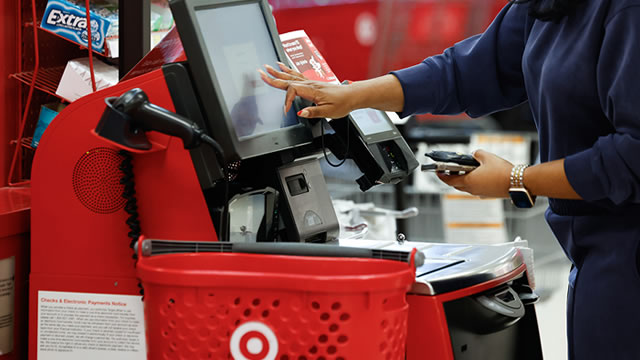
Target Ends Price Match Policy, Handing Amazon, Walmart The Pricing Advantage
Forbes· 2025-07-25 14:20
Core Insights - Target is discontinuing its price match guarantee, which was a significant aspect of its value proposition since its introduction in 2013 [2][3] - The company will now only match prices for items sold in-store or on Target.com, effectively conceding competitive advantages to Amazon and Walmart [3][5] - This policy change comes at a challenging time for Target, as it has experienced declining revenues and foot traffic [9][10] Pricing Strategy - Target's prices are reported to be, on average, 13% higher than Amazon's, while Walmart's prices are only 5% above Amazon's lowest prices [5] - The decision to end price matching aligns Target with industry norms, as major competitors like Amazon and Walmart do not offer such policies [6] Customer Trust and Loyalty - The removal of the price match policy may undermine customer trust, which is crucial for building loyalty [7][12] - The change has been perceived as a step back in Target's commitment to providing value, potentially driving customers towards competitors [13] Financial Performance - Target's fiscal 2024 revenue decreased nearly 1% to $106.6 billion, and the company has lowered its revenue growth guidance for fiscal 2025 to a low-single-digit decline [9][10] - Following the announcement of the price match policy change, Target's share price rose about 2%, but it remains significantly lower than its peak earlier in the year [11]


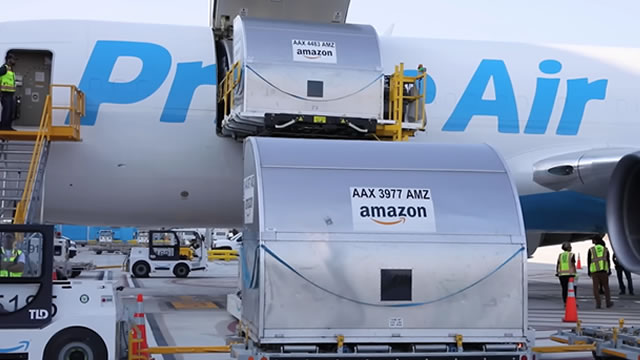
Amazon Raises Prices on Low-Cost Goods Following Tariffs
PYMNTS.com· 2025-07-21 14:03
Core Insights - Amazon has raised prices on thousands of lower-cost items in response to White House tariffs, contrasting with Walmart's strategy of reducing prices on similar items by nearly 2% [2][3] - An analysis by the Wall Street Journal (WSJ) found that Amazon increased prices for 1,200 of its cheapest household goods, while the company previously stated it would keep prices down [2][4] - The price increases are more pronounced for imported products and domestically-manufactured goods that use imported components, with some items seeing price hikes of over 100% [5] Pricing Strategies - The differing pricing strategies of Amazon and Walmart highlight the challenges retailers face amid ongoing tariff-related uncertainties [3] - Amazon claims that the products tracked by the WSJ do not represent its overall pricing strategy, emphasizing its commitment to low prices rather than relative percentage changes [4] Consumer Behavior - A significant portion of consumers (over 80%) are taking steps to mitigate the financial impact of tariffs, with 44% changing their shopping habits due to tariff-induced price pressures [7] - The current financial climate is described as somber, influenced by factors such as the resumption of student loan payments, elevated mortgage rates, tariffs, and inflation [6] Market Trends - The retail landscape is undergoing transformation, driven by a more cautious, tech-savvy, and values-driven consumer cohort, particularly among Gen Z and younger millennials [6] - These consumers expect personalized experiences, instant fulfillment, and ethical transparency, leading to a seamless transition between online and offline shopping [6]

Rocky Mountain Chocolate Factory(RMCF) - 2025 Q4 - Earnings Call Transcript
2025-06-18 14:02
Financial Data and Key Metrics Changes - Total revenue for Q4 2025 was $8.9 million, up from $7.3 million in the same period last year, while product sales increased to $7.1 million from $5.6 million [24] - Net loss from continuing operations was $2.9 million, or a negative $0.37 per share, compared to a net loss of $1.6 million, or a negative $0.25 per share in the previous year [26] - For the full year 2025, revenue was $29.6 million compared to $28 million in 2024, with a net loss of $6.1 million, or negative $0.86 per share, compared to a net loss of $4.9 million, or negative $0.77 per share in the prior year [27][28] Business Line Data and Key Metrics Changes - Franchise and royalty fees remained flat at $1.8 million, while total product and retail gross profit was a negative $800,000 compared to a positive $100,000 last year, primarily due to higher raw material costs [24][27] - The company achieved nearly a 100% fulfillment rate for franchisee demand during Q4, marking a significant turnaround in operational performance [15] Market Data and Key Metrics Changes - The company is actively evaluating development opportunities in markets such as Atlanta, Sacramento, Park City, and Jersey Shore, with a focus on building a healthy franchise network [10] - The e-commerce business delivered record sales during the past holiday season, although profitability was challenged due to inefficient fulfillment and elevated advertising spend [18] Company Strategy and Development Direction - The company is focused on transforming its operations, systems, and culture to become more accountable and resilient, with significant investments in IT and manufacturing systems [5][22] - A new dynamic pricing model was introduced on March 1, allowing for more frequent price adjustments based on actual input costs, which is expected to capture several million dollars in additional gross profit in fiscal 2026 [12] - The company aims to build deeper regional density with fewer, stronger operators who have multi-unit development plans, moving away from a one-size-fits-all pricing model [11][37] Management's Comments on Operating Environment and Future Outlook - Management expressed optimism about returning to profitability in fiscal 2026, highlighting the foundational changes made during fiscal 2025 [22][23] - The leadership team is focused on rebuilding the company from a long-term decline, with a strong emphasis on operational discipline and accountability [23] Other Important Information - The company raised $2.2 million in equity capital and refinanced its credit facility to support its transformation efforts [22] - A new ERP system was launched in January, providing enhanced visibility into sales and inventory, which is critical for data-driven decision-making [14] Q&A Session Summary Question: What is the process for determining quarterly price adjustments? - The company plans to adjust prices quarterly or more frequently as needed, ensuring alignment with costs while maintaining target margins [30] Question: What is the status of the rebranding process? - Feedback on the rebranding has been positive, with new store designs and packaging expected to roll out in mid to late July [32][34] Question: What is the strategy for new unit growth? - The focus will be on engaging fewer, well-capitalized franchisees who can operate multiple stores, rather than expanding through numerous single-store operators [36][37] Question: Why were the filings delayed this year? - Delays were primarily due to the ERP installation and additional testing required to ensure data accuracy, not indicative of any underlying issues [39]

BlackLine (BL) 2025 Conference Transcript
2025-06-10 17:17
Summary of BlackLine (BL) 2025 Conference Call Company Overview - **Company**: BlackLine (BL) - **Date of Conference**: June 10, 2025 - **Key Speakers**: Owen Ryan (Chairman and Co-CEO), Patrick Villanova (CFO), Matt Humphries (Investor Relations) Core Points and Arguments 1. **Leadership Changes**: BlackLine has undergone significant leadership changes, replacing nearly the entire leadership team to drive growth and improve operating margins. This restructuring was deemed necessary to align with the company's future goals [6][7][8] 2. **Strategic Focus**: The company has re-evaluated its strategy, focusing on key industries, geographic footprints, and pricing models. There is a strong emphasis on partnerships with major system integrators and ERP players like SAP [7][8] 3. **Growth Outlook**: BlackLine is optimistic about its growth trajectory, having shared a bullish plan with Wall Street in November 2024. The company is beginning to see positive results from its strategic changes [8] 4. **Sales Leadership**: The new Chief Revenue Officer, Stuart Van Halen, has introduced a rigorous approach to sales, emphasizing discipline and accountability. This has led to improved sales processes and customer engagement [15][17] 5. **SAP Relationship**: BlackLine has a long-standing relationship with SAP, which has evolved to a preferred status. The company is capitalizing on SAP's transformation and migration opportunities, with SAP representing about 25% of BlackLine's revenue [20][44] 6. **Market Penetration**: BlackLine has approximately 1,000 customers using SAP, representing only 3% of the potential market. There is significant room for expansion within existing customers and new customer acquisition [31][32] 7. **Pricing Strategy**: The company is transitioning to a platform pricing model, which has been well-received by customers. This model aligns BlackLine's revenue growth with customer success [53][56] 8. **AI Integration**: BlackLine is focusing on integrating AI into its offerings, emphasizing the importance of a unified data platform to support AI applications. This foundational work is crucial for future AI innovations [64][66] 9. **GCP Migration**: The migration to Google Cloud Platform (GCP) is nearing completion and is expected to enhance gross margins by optimizing cloud operations [77] 10. **Partner Ecosystem**: BlackLine has streamlined its partner ecosystem, with strong demand for resources. Partners are actively hiring to support BlackLine's growth aspirations [80][81] Additional Important Insights - **Cultural Shift**: The leadership emphasizes a culture of hard work and collaboration, focusing on helping customers maximize the value of BlackLine's software rather than just selling products [12][13] - **Customer Engagement**: The company is seeing increased engagement from SAP customers, with positive feedback from high-profile clients like ExxonMobil, which highlights the value of BlackLine's solutions [28][29] - **Future Growth**: BlackLine aims for a revenue growth target of 13-16% over the next three to five years, driven by its strategic initiatives and market opportunities [47][49] - **Seasonality and Demand**: The company anticipates a strong demand pipeline, with leading indicators suggesting an inflection point in revenue growth in the latter half of 2025 [90][91] This summary encapsulates the key discussions and insights from the BlackLine conference call, highlighting the company's strategic direction, market opportunities, and operational improvements.

Schneider National (SNDR) 2025 Conference Transcript
2025-06-10 14:45
Summary of Schneider National (SNDR) 2025 Conference Call Company Overview - **Company**: Schneider National (SNDR) - **Date**: June 10, 2025 - **Speakers**: Mark Rourke (President and CEO), Daryl Campbell (EVP and CFO), Christine McGarvey (VP of Investor Relations) Current Market Conditions - **Market Sentiment**: There was significant uncertainty at the macro level, but the worst-case scenarios have not materialized, indicating a resilient consumer demand [6][7][8] - **Volume Trends**: A downturn in West Coast volumes was noted, but strength was observed in other regions, particularly in Mexico and the Midwest [9][10] - **Customer Expectations**: Mixed signals from customers regarding future demand, with some expecting a surge while others anticipate steady activity [10] Business Segments Performance - **Intermodal**: Less reliance on imports compared to truckload, with steady domestic demand. Productivity enhancements are being pursued [12][13] - **Capacity and Pricing**: The market is approaching equilibrium with modest price increases observed despite ongoing challenges [18][20] - **Used Truck Market**: Prices for used trucks, especially sleepers, have been healthy, indicating stress in the market for small carriers [22][24] Pricing Dynamics - **Contract Rates**: Contractual improvements are being maintained, with a focus on not signing unfavorable agreements [29][30] - **Spot vs. Contract Rates**: A significant disparity exists between spot and contract rates, with contract rates showing flat to positive trends [31][32] Cost Management and Productivity - **Cost Control**: The company has focused on cost management and productivity improvements, resulting in year-over-year margin improvements [38][40] - **Acquisition Synergies**: The recent Cowen acquisition is expected to yield synergistic opportunities, particularly in cost management [42][64] Regulatory Environment - **English Language Provision**: New enforcement guidelines for the English language requirement could disrupt the market, particularly for smaller carriers [46][50] - **B1 Mexican Program**: Increased enforcement may tighten capacity around the border, impacting operations [50][52] Intermodal Growth - **Market Position**: Schneider National is optimistic about intermodal growth, particularly in the Mexico market, with strong service performance noted [54][56] - **Pricing Trends**: Intermodal pricing remains flat to slightly up, with expectations for continued stability [63] Capital Allocation Strategy - **Growth Focus**: The company prioritizes organic growth but remains open to strategic acquisitions, particularly in dedicated and intermodal segments [64][66] - **Leverage Profile**: The company is comfortable with a leverage ratio of up to 2.5 times for the right acquisitions [70][72] Guidance and Outlook - **Earnings Guidance**: EPS guidance is set between $0.75 and $1.00, reflecting a more optimistic outlook than previously anticipated [80][82] - **Market Sentiment**: The negative forward sentiment has moderated, leading to a more favorable industry outlook [92] Key Takeaways - **Resilience in Demand**: The company is experiencing steady demand despite macroeconomic uncertainties - **Focus on Cost Management**: Continuous efforts in cost control and productivity enhancements are yielding positive results - **Strategic Growth Opportunities**: Schneider National is well-positioned for growth in intermodal and dedicated segments, with a balanced approach to capital allocation and acquisitions.

Mondelez International (MDLZ) 2025 Conference Transcript
2025-06-04 07:30
Summary of Mondelez International (MDLZ) 2025 Conference Call Company Overview - **Company**: Mondelez International (MDLZ) - **Date of Conference**: June 04, 2025 - **Speakers**: Dirk Brandeplut (CEO) and Luca Zaramella (CFO) Key Industry Insights Consumer Health Trends - **US Consumer Confidence**: Low, with significant declines noted in March and April 2025, leading to cautious spending behavior, especially among lower social classes [6][7] - **Snacking Categories**: Overall slowdown observed, with biscuits performing relatively better than other snacking categories, gaining market share despite a 2% volume decline in the category [8] - **Mexico**: Similar consumer nervousness due to tariffs and unemployment risks, resulting in category slowdowns [9][10] - **Europe**: More positive consumer sentiment, with better performance in biscuits and chocolate categories due to wage indexation [11][12] - **China**: Consumer confidence at a low, but Mondelez is gaining market share with high single-digit growth [13][14] - **India**: Shift from premium to basic products in response to inflation, with signs of recovery in consumer sentiment [15] - **Brazil**: Strong consumer performance and market share gains, viewed as a bright spot [16] Strategic Strengths - **Geographical Spread**: 75% of Mondelez's business is outside the US, providing resilience against local market challenges [17][18] - **Distribution Focus**: Aggressive distribution strategy to ensure product availability in various retail formats [18][19] - **Category Resilience**: Long-term growth expected in key categories like biscuits and chocolate, with historical growth rates of 2% volume and 3-5% net revenue [19][20] Chocolate and Cocoa Market Dynamics - **Pricing Strategy**: Successful implementation of pricing increases and revenue growth management (RGM) strategies, with a focus on offering products at various price points [22][23] - **Market Share Gains**: Despite inflation, Mondelez has gained market share in key markets, particularly during the Easter season [23][25] - **Elasticity Concerns**: Monitoring consumer reactions to price changes, with a belief that cocoa prices will eventually decrease [24][26][61] Growth Strategies in the US - **Product Packaging Adjustments**: Shift from larger family packs to smaller packs priced under $4 to meet consumer budget constraints [36] - **In-store Activations**: Focus on brand activations and promotions to drive consumer interest and sales [38] - **Channel Shifts**: Opportunity to capture market share in underrepresented channels [39] Emerging Markets Focus - **Brand Equity and Distribution**: Emphasis on building brand equity and expanding distribution in emerging markets like China, India, Brazil, and Mexico [40][41][42][44] - **Adaptation to Local Markets**: Tailoring products and pricing strategies to meet local consumer needs and preferences [41][43] Cakes and Pastries Opportunity - **Market Potential**: Cakes and pastries viewed as a natural extension of Mondelez's product offerings, with opportunities for premiumization and consolidation [48][49][51][52] M&A Strategy - **Active M&A Interest**: Mondelez has a list of potential acquisition targets and remains disciplined in pursuing strategic opportunities [63][66][70] - **Capital Deployment**: Focus on stock buybacks while maintaining flexibility for future acquisitions [70][71] Regulatory and Health Trends - **Health and Wellness Trends**: Monitoring shifts towards health and wellness, with a focus on indulgent snacking remaining strong [75][76] - **Regulatory Adaptation**: Prepared to adapt to potential regulatory changes in the US, with a proactive approach to health-related discussions [78][79] Cultural and Operational Improvements - **Local First Strategy**: Emphasis on local adaptation while enhancing centralized innovation efforts [84][85] - **Long-term Strategy Execution**: Need for improved long-term strategic planning alongside current operational management [86][87]

Seagate (STX) 2025 Conference Transcript
2025-06-03 18:00
Seagate (STX) 2025 Conference Summary Company Overview - **Company**: Seagate Technology Holdings PLC (STX) - **Event**: 2025 Conference held on June 03, 2025 - **Key Speaker**: Gianluca Romano, EVP CFO Industry Insights - **Exabyte Growth vs. Revenue Growth**: There is a better alignment between exabyte growth and revenue growth, which has not been seen in the past due to previous oversupply situations in the industry [3][5] - **Demand Dynamics**: The industry currently has strong demand that exceeds supply, allowing for improved alignment of exabyte growth with revenue growth [5] - **Shift in Business Focus**: The data center business now represents over 80% of exabyte growth, a significant shift from the past when client business was still substantial [4] Financial Performance and Projections - **Improvement Cycle**: The business has been improving for approximately nine quarters, driven by consistent demand in data centers [8] - **Build to Order Strategy**: Implemented two years ago, this strategy provides visibility into future orders and has led to expected revenue increases and improved profitability for calendar year 2025 [9][10] - **Incremental Margins**: The company anticipates achieving 50% incremental margins when revenue exceeds $2.6 billion, driven by a transition to higher capacity products and effective pricing strategies [21][22] Technology and Product Development - **HAMR Technology**: The transition to higher capacity drives (from 24TB PMR to 30TB and 36TB HAMR) is expected to meet demand growth without increasing unit sales [11][12] - **AI Integration**: AI is being utilized across various functions within the company, including manufacturing and quality control, with expectations for increased integration in the future [19][20] - **Cost Efficiency**: The company is focused on maintaining a cost decline per terabyte as it transitions to higher capacity products, which will enhance profitability [32][34] Market Position and Competitive Landscape - **Exabyte Market Share**: While unit market share may remain stable, the company expects to improve its exabyte market share due to higher capacity products [37] - **Competitor Dynamics**: The main competitor is expected to release similar high-capacity products in the near future, but demand is strong enough that all units will be sold regardless of market share shifts [38] Operational Strategy - **Cycle Management**: The build to order model allows for better management of production cycles, reducing the risk of excess inventory during downturns [25][26] - **CapEx and OpEx Management**: The company plans to maintain capital expenditures at 4% to 6% of revenue, focusing on replacing aging equipment rather than expanding capacity [46][47] Shareholder Returns - **Share Buyback Program**: Seagate has authorized a share buyback program of up to $5 billion, with plans to initiate this once financial targets are met [58][60] Conclusion - **Investment Outlook**: The company is positioned for growth with strong demand, effective management strategies, and a focus on profitability, making it an attractive investment opportunity [57]

Sunrise Communications AG(SNRE) - 2025 Q1 - Earnings Call Transcript
2025-05-19 09:32
Financial Data and Key Metrics Changes - Revenues decreased by 3.3%, impacted by lower hardware sales and pricing activities from the previous year [9][28] - EBITDAaL increased by 0.4% year on year, with operational optimizations contributing to growth despite revenue decline [9][28] - The company confirmed its full-year guidance, including a 2.7% expected growth in dividend per share for 2025 [10][46] Business Line Data and Key Metrics Changes - The new product portfolio, Swiss Connect, was launched, focusing on customer loyalty and increased roaming services [12][13] - Mobile postpaid net additions were 12,000, while internet net additions were 5,000, indicating decent momentum despite reduced promotional activities [22] - The FMC quota increased to 58.3%, reflecting a trend towards bundled products [23] Market Data and Key Metrics Changes - The competitive environment showed signs of rationalization in mobile pricing, with net prices increasing post-Black Friday [52] - The company noted a fragile situation in the market, with smaller players still operating at low price points [52][54] - The promotional intensity in the fixed market remained stable, with little to no improvement in pricing [54] Company Strategy and Development Direction - The company is focusing on technology leadership with the launch of 5G standalone technology, achieving 99.5% coverage in Switzerland [20][21] - The strategy includes a shift towards innovation, service, and loyalty rather than solely relying on price promotions [55] - The company is progressing towards the delisting of ADS, which is expected to simplify operations and reduce costs [40][42] Management's Comments on Operating Environment and Future Outlook - Management acknowledged a softer trading environment in Q1, with expectations for continued softness in Q2 due to reduced promotional activities [22][45] - The price increases implemented are expected to positively impact ARPU and revenue generation moving forward [46] - Management expressed confidence in achieving financial guidance and highlighted the strength of the business [46] Other Important Information - The company reported a decline in adjusted free cash flow due to increased CapEx and seasonal factors [29][35] - The dividend payment was executed following the AGM, with a total of €2,580,000,000 in reserves available for future dividends [39][40] Q&A Session Summary Question: Competitive environment and response from competitors - Management noted that net prices in mobile have increased, indicating a rationalization in pricing behavior among competitors [51][52] Question: Reduction in promotional spend - The reduction in promotional spend during price increases was explained as a strategic decision to avoid discounting while raising prices [56] Question: Softer trading in Q2 - Management clarified that the reference to softer trading in Q2 pertains to net additions, while revenue is expected to benefit from price rises [60][62] Question: Evolution of non-subscription revenues - Management expects normalization in non-subscription revenues throughout the year, with potential impacts from new product launches [64] Question: Plans for ADS delisting and cost savings - Management confirmed that cost savings from deregistration will begin to appear in 2026, following a multi-step process [66]
The Hanover Insurance (THG) - 2025 Q1 - Earnings Call Transcript
2025-05-01 14:00
Financial Data and Key Metrics Changes - The company achieved operating earnings per share of $3.87, a first-quarter record, and a combined ratio of 94.1%, slightly outperforming expectations [20] - Net written premiums grew by 3.9% in the first quarter [20] - Catastrophe losses were 6.3%, with California wildfire losses accounting for $35 million [21] - Excluding catastrophes, the combined ratio improved to 87.8%, reflecting a 1.7-point improvement over the prior year [21] Business Line Data and Key Metrics Changes - Personal Lines achieved net written premium growth of 3%, with a 7.1% increase excluding the Midwest [7][9] - Core Commercial net written premium growth was 3.8%, driven by middle market momentum [10] - Specialty segment's premium growth was 5.4%, with upper single-digit to double-digit growth in profitable lines [14] Market Data and Key Metrics Changes - The company noted increased competition in the small commercial market, particularly in certain sectors [40][56] - The competitive environment in Personal Lines is becoming more aggressive, especially in the direct channel [56] Company Strategy and Development Direction - The company is focused on profitable growth in high-potential markets while managing exposure in the Midwest [7] - There is an emphasis on targeted catastrophe mitigation efforts and adjusting pricing in states with improved profitability [9][10] - The company plans to leverage investments in field sales and underwriting to accelerate new agency appointments [13] Management's Comments on Operating Environment and Future Outlook - Management expressed confidence in navigating economic uncertainties, citing a strong book of business and diversified premium streams [17][18] - The company anticipates strong underwriting profitability driven by pricing exceeding loss trends and higher net investment income [36] Other Important Information - The company has repurchased approximately 178,000 shares of common stock year-to-date, with $274 million remaining under the share repurchase program [34] - The second quarter catastrophe load is expected to be 7.9% [35] Q&A Session Summary Question: Comments on small commercial pricing environment - Management acknowledged increased competition in small commercial and indicated adjustments in new business pricing to regain growth momentum [40][41] Question: Competitive environment in Personal Lines - Management confirmed that the competitive landscape is becoming more aggressive, particularly in the auto insurance sector, but expressed confidence in their strategy [55][56] Question: Frequency benefits in home insurance - Management attributed favorable frequency to higher deductibles and customer reluctance to file small claims, indicating this trend may continue [67][70] Question: Casualty loss trend assumptions - Management noted that casualty loss trend assumptions have been raised consistently over the past five years, reflecting ongoing adjustments to market conditions [74] Question: Clarification on catastrophe reserve releases - Management clarified that their guidance does not include prior year development (PYD) and emphasized a prudent approach to managing their balance sheet [75]
