历史修正主义

Search documents
国际人士认为高市早苗错误言行威胁地区和平 石破茂再次批评高市错误言论
Yang Guang Wang· 2025-11-24 02:36
Core Viewpoint - The remarks made by Japanese Prime Minister Sanae Takaichi have sparked strong criticism from both international and Japanese figures, who believe her statements challenge the international order and pose a serious threat to regional peace [1] Group 1: Criticism from Scholars and Politicians - Anthony Moretti, a professor at Robert Morris University, stated that Takaichi's public questioning of the widely accepted One China principle is extremely dangerous, emphasizing that the Taiwan issue is a matter for the Chinese to resolve without Japanese interference [1] - Nguyen Minh Hoang, a scholar from Ho Chi Minh National Academy of Politics in Vietnam, warned that Japan's failure to confront its wartime history could lead to the perpetuation of historical revisionism, despite efforts by right-wing forces in Japan to absolve the country of its war crimes [1] - Former Japanese Prime Minister Shigeru Ishiba criticized Takaichi's remarks on Taiwan, asserting that diplomatic issues should not be addressed impulsively [1] Group 2: Impact on Japan-China Relations - Japanese economist Kazuyuki Hamada noted that Takaichi's comments have a significant negative impact on Japan and Japan-China relations [1] - The Japanese Communist Party's newspaper, Akahata, published an article condemning Takaichi's actions since taking office, claiming that her measures aim to transform Japan into a war state and that her statements blatantly violate the rules maintained by the Japanese government to date [1]
高市又惹祸!马来西亚民众怒批
21世纪经济报道· 2025-11-22 03:23
Core Viewpoint - The visit of Japanese Prime Minister Kishi Nobuo to Malaysia and his actions at the Kuala Lumpur Japanese Cemetery have sparked strong criticism from the Malaysian public due to perceived historical revisionism regarding Japan's wartime actions in Malaysia [1]. Group 1: Historical Context - Kishi Nobuo visited the cemetery to pay respects to Japanese soldiers who died during World War II, expressing deep emotions and reflecting on Malaysia's history, but failed to acknowledge the atrocities committed by Japanese forces during their occupation [1]. - Malaysian scholars have criticized this act as disrespectful to the victims of war and their descendants, highlighting the importance of confronting historical truths rather than honoring aggressors [1]. Group 2: Expert Opinions - Huang Zijiang, Dean of the Faculty of Arts and Social Sciences at the University of Malaya, condemned Kishi's stance as an extreme form of historical revisionism that contradicts the historical understanding held by previous Japanese leaders [1]. - Julia Rockneifad, an international relations expert at Taylor's University, warned that historical revisionism and denial of historical truths are dangerous, expressing regret over the Japanese political leadership's attempts to repackage and alter the narrative of World War II [1].

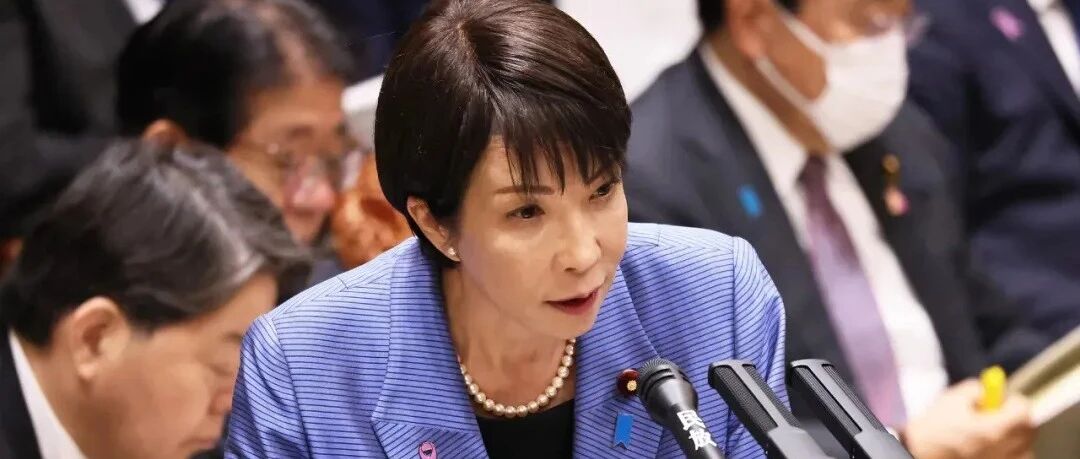
高市,又惹祸,引众怒!
中国能源报· 2025-11-22 01:45
Core Viewpoint - The article discusses the controversy surrounding Japanese Prime Minister Kishi Nobuo's visit to Malaysia, where he paid respects at a cemetery for Japanese soldiers who died in World War II, sparking outrage due to the omission of Japan's wartime atrocities in Malaysia [1]. Group 1 - Kishi Nobuo visited a cemetery in Kuala Lumpur dedicated to Japanese soldiers and laid flowers at a "memorial stone," expressing deep emotions and reflecting on Malaysia's history without mentioning the atrocities committed by Japanese forces during the war [1]. - The act has drawn strong criticism from Malaysian scholars, who argue that honoring the perpetrators of war harms the feelings of victims and their descendants [1]. - Experts from Malaysian universities have condemned Kishi's actions as a form of extreme historical revisionism, which contradicts the historical understanding held by previous Japanese leaders [1].
高市又惹祸!马来西亚民众怒批
2 1 Shi Ji Jing Ji Bao Dao· 2025-11-22 01:24
Core Points - Japanese Prime Minister Fumio Kishida's visit to Malaysia has sparked strong criticism due to his homage at a cemetery for Japanese soldiers who died in World War II, where he did not acknowledge the atrocities committed by Japanese forces during the invasion of Malaysia [1] - Malaysian scholars have expressed that honoring the perpetrators of war is hurtful to the victims and their descendants, emphasizing the importance of historical accuracy [1] - The Dean of the Faculty of Arts and Social Sciences at the University of Malaya criticized Kishida's extreme conservative stance on Japan's wartime actions, which contradicts the historical perspectives held by previous Japanese leaders [1] - Experts in international relations have warned that historical revisionism and attempts to deny historical truths are dangerous, lamenting the current Japanese political leadership's efforts to repackage and distort the history of World War II [1]
高市早苗向战死二战日军献花
中国基金报· 2025-11-21 16:16
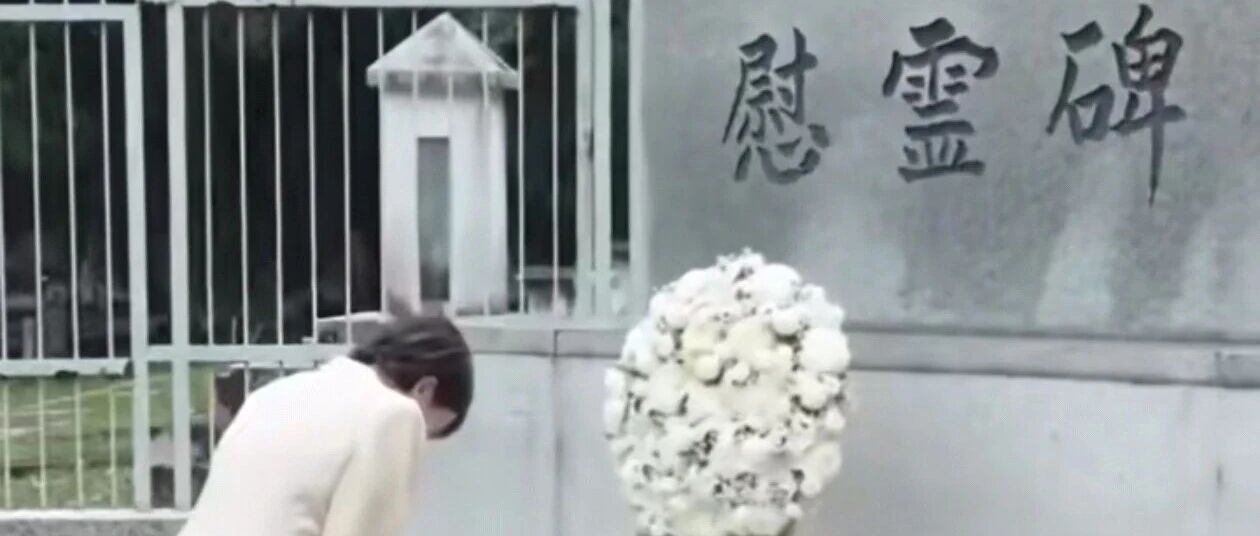
马来西亚学者表示,历史面前,选择向施害者致敬,无疑伤害战争受害者及其后代的情 感。背离历史的言行,十分不妥。 来源:新华国际头条 原标题:《高市又惹祸!马来西亚民众怒批》 据马来西亚本地媒体近日报道,日本首相高市早苗今年10月下旬赴马来西亚出席东亚合作领 导人系列会议期间,专门前往葬有战死二战日军的吉隆坡日本人墓园,向"慰灵碑"献花,称 自己"深为感慨""回顾了马来西亚的历史",却不提当年日军侵略马来西亚的暴行。她的这番 行为在马来西亚引发强烈批评。 马来亚大学文学暨社会科学院院长黄子坚表示,高市对二战期间日本军队在亚洲所犯暴行 持极端保守的历史修正主义立场,甚至推翻此前多位日本领导人所持的历史认知,这是完 全无法接受的。 马来西亚泰莱大学国际关系专家朱莉娅·罗克尼法德表示,我们看到,历史修正主义以及 试图否认历史真相的行为极其危险。令人深感遗憾的是,日本的政治领导层正在试图重新 包装、篡改第二次世界大战的历史。 停 牌!6 0 3 0 3 7,重 大 资 产 重 组! ...
高市早苗向战死二战日军献花
财联社· 2025-11-21 14:18
马来西亚泰莱大学国际关系专家朱莉娅·罗克尼法德表示,我们看到,历史修正主义以及试图 否认历史真相的行为极其危险。令人深感遗憾的是,日本的政治领导层正在试图重新包装、篡 改第二次世界大战的历史。 (本文来源: 新华国际 ) 下载财联社APP获取更多资讯 据马来西亚本地媒体近日报道, 日本首相高市早苗今年10月下旬赴马来西亚出席东亚合作领导人系 列会议期间,专门前往葬有战死二战日军的吉隆坡日本人墓园,向"慰灵碑"献花,称自己"深为感 慨""回顾了马来西亚的历史",却不提当年日军侵略马来西亚的暴行。她的这番行为在马来西亚引发 强烈批评。 准确 快速 权威 专业 马来西亚学者表示,历史面前,选择向施害者致敬,无疑伤害战争受害者及其后代的情感。背 离历史的言行,十分不妥。 7x24h电报 头条新闻 实时盯盘 VIP资讯 马来亚大学文学暨社会科学院院长黄子坚表示,高市对二战期间日本军队在亚洲所犯暴行持极 端保守的历史修正主义立场,甚至推翻此前多位日本领导人所持的历史认知,这是完全无法接 受的。 ...
三问日本右翼丨高市早苗的右翼立场从何而来?
Yang Guang Wang· 2025-11-21 10:50
Core Viewpoint - The recent statements made by Japanese Prime Minister Sanae Takaichi regarding Taiwan reflect a dangerous shift in Japan's political landscape, influenced by rising right-wing ideologies and her own extreme views [1][6]. Group 1: Background and Ideological Roots - Takaichi's right-wing stance can be traced back to her upbringing in a conservative household that emphasized loyalty to the emperor and military nationalism [3]. - Her political ideology was further shaped during her time at the Matsushita Institute of Government and Management, a breeding ground for right-wing politicians in Japan [3]. - Takaichi's opposition to acknowledging Japan's wartime atrocities dates back to her early political career, indicating a long-standing commitment to revisionist history [2][4]. Group 2: Political Career and Actions - Takaichi's political career began in 1993, and she has consistently shifted to the right, gaining attention from influential figures like Shinzo Abe [4]. - Her actions, such as visiting the Yasukuni Shrine and denying historical events like the Nanjing Massacre, have solidified her reputation as a right-wing politician [4][5]. - The recent election of Takaichi as Prime Minister was marked by compromises with right-wing factions within her party, reflecting the current political climate in Japan [5][6]. Group 3: Implications for Japan's Foreign Policy - Takaichi's statements regarding Taiwan suggest a potential shift away from Japan's post-war pacifist policies, indicating a willingness to adopt a more confrontational stance towards China [6][7]. - The Japanese government is reportedly considering revisions to its national security strategy, which may include increasing defense spending and altering its nuclear policy [6]. - Takaichi's approach may lead to heightened tensions in the region and a departure from Japan's traditional diplomatic stance, as she seeks to consolidate her political support domestically [7].
美化日本侵略者?高市惹恼马来西亚民众
Xin Hua She· 2025-11-21 10:42
00:46 马来亚大学文学暨社会科学院院长黄子坚表示,高市对二战期间日本军队在亚洲所犯暴行持极端保守的 历史修正主义立场,甚至推翻此前多位日本领导人所持的历史认知,这是完全无法接受的。 马来西亚泰莱大学国际关系专家朱莉娅·罗克尼法德表示,我们看到,历史修正主义以及试图否认历史 真相的行为极其危险。令人深感遗憾的是,日本的政治领导层正在试图重新包装、篡改第二次世界大战 的历史。(记者:王嘉伟、毛鹏飞、程一恒;报道员:祖尔、谭耀明;视频:王沛) 据马来西亚本地媒体近日报道,日本首相高市早苗今年10月下旬赴马来西亚出席东亚合作领导人系列会 议期间,专门前往葬有战死二战日军的吉隆坡日本人墓园,向"慰灵碑"献花,称自己"深为感慨""回顾 了马来西亚的历史",却不提当年日军侵略马来西亚的暴行。她的这番行为在马来西亚引发强烈批评。 马来西亚学者表示,历史面前,选择向施害者致敬,无疑伤害战争受害者及其后代的情感。背离历史的 言行,十分不妥。 ...
国际锐评丨绝不允许日本军国主义复活
Yang Shi Xin Wen· 2025-11-20 07:17
Core Viewpoint - The article discusses China's strong diplomatic response to Japanese Prime Minister Kishi Nobuo's provocative remarks regarding Taiwan, emphasizing the importance of maintaining the political foundation of Sino-Japanese relations [1][2]. Group 1: Diplomatic Tensions - China has formally protested against Kishi's comments, urging Japan to retract its statements and cease provocations related to China [1]. - The Chinese government has taken multiple actions, including summoning the Japanese ambassador and warning citizens against traveling to Japan [1][2]. - The economic implications for Japan are significant, with estimates suggesting a potential loss of 2.2 trillion yen (approximately 101.16 billion yuan) if Chinese tourist numbers decline sharply [1]. Group 2: Historical Context - The article highlights the historical responsibility of China in countering Japan's militaristic tendencies, especially in the context of the 80th anniversary of the victory in the Anti-Japanese War [2]. - Kishi's actions are seen as part of a broader trend of Japanese right-wing forces challenging the post-war order and seeking military normalization [2]. Group 3: Military Expansion - Japan plans to revise its security documents and accelerate defense spending, aiming for a defense budget of 8.85 trillion yen, which marks a continuous increase over 14 years [3]. - The article notes Japan's intention to develop nuclear capabilities, with reports indicating the possession of sufficient plutonium for hundreds of nuclear warheads [3]. Group 4: Regional Reactions - Neighboring countries, including Russia and South Korea, have criticized Kishi's remarks, indicating a growing concern over Japan's military ambitions and historical revisionism [4]. - The article suggests that Kishi's provocations have led to widespread condemnation from multiple nations, highlighting Japan's emerging role as a potential destabilizing force in East Asia [4]. Group 5: Call for Peace - The article concludes with a call for Japan to adhere to its commitments to peace and development, emphasizing the need for the international community to prevent the resurgence of militarism [5].
人民日报、新华社、央视发声
中国基金报· 2025-11-19 23:41
Core Views - The article emphasizes that the deterioration of China-Japan relations due to Japanese Prime Minister Kishi's provocative remarks on Taiwan will ultimately lead to negative consequences for Japan [4][5][6][8][12]. Summary by Sections Japan's Provocative Actions - Prime Minister Kishi's comments about potential military intervention in Taiwan are seen as a serious violation of the One China principle and the political foundation of China-Japan relations [4][5]. - Kishi's statements are viewed as a deliberate provocation that threatens peace in the Taiwan Strait and regional stability [5][8]. Historical Context and Political Agreements - The article references the 1972 normalization of diplomatic relations between China and Japan, highlighting the commitments made in the Joint Communiqué and subsequent political documents regarding Taiwan [4][5]. - It stresses that any deviation from these commitments undermines the political and legal basis of China-Japan relations [4][5]. Domestic Reactions in Japan - Kishi's remarks have faced widespread criticism within Japan, with various political figures and the public expressing their discontent [6][9]. - The article notes that there is a significant portion of Japanese society that values peace and opposes militaristic rhetoric [9][10]. Economic Implications - The potential economic fallout from Kishi's comments is highlighted, with estimates suggesting that a significant reduction in Chinese tourists could lead to substantial economic losses for Japan [12]. - The Tokyo stock market has already shown signs of decline following Kishi's statements, indicating immediate economic repercussions [12]. Broader Regional Concerns - The article discusses the resurgence of militaristic sentiments in Japan, linking Kishi's actions to a broader trend of right-wing nationalism and historical revisionism [14][15]. - It warns that such movements pose a risk not only to Japan's own peace but also to regional stability in East Asia [16]. Call for Reflection and Action - The article urges Kishi and his government to reflect on historical lessons and retract their provocative statements to maintain the political foundation of China-Japan relations [10][13]. - It emphasizes that any continued aggression will lead to severe consequences for Japan, echoing sentiments from historical conflicts [10][13].