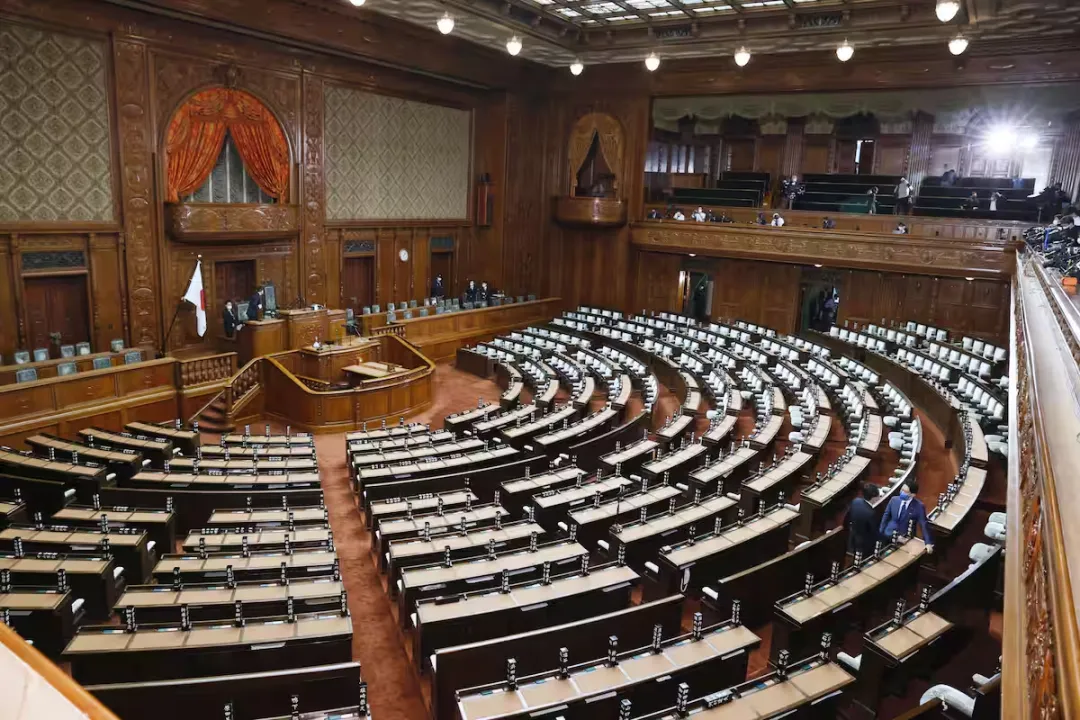
日本军国主义复活

Search documents
被中国管制的日本实体什么来头
Xin Lang Cai Jing· 2026-02-26 06:16
Core Viewpoint - Japan is increasingly moving towards reviving militarism by developing offensive weapons, attempting to amend its pacifist constitution, and expanding the export of defense equipment, which has led to China imposing export controls on 20 Japanese entities involved in enhancing Japan's military capabilities [1]. Group 1: Key Companies Involved - Mitsubishi Heavy Industries is highlighted as Japan's largest defense contractor, with projected arms revenue of $5 billion in 2024, marking a 37% year-on-year increase, primarily from aircraft and missile system sales [1][2]. - Kawasaki Heavy Industries, ranked 55th in the 2025 Global Defense Industry Rankings, is a major defense contractor in Japan, covering various sectors including aviation, aerospace, and naval systems [6]. - IHI Corporation, involved in multiple defense sectors, is responsible for producing engines for Japan's active fighter jets and is a key player in the development of next-generation fighter projects [8][9]. Group 2: Military Developments and Projects - The Japanese Self-Defense Forces are deploying Type 12 anti-ship missiles near the southwestern islands close to Taiwan, with plans to upgrade to improved versions, all developed by Mitsubishi Heavy Industries [2]. - Japan's Ministry of Defense is developing a domestic hypersonic missile, with Mitsubishi Heavy Industries as the main contractor, set to be deployed by the fiscal year 2026 [2]. - The Japanese government is moving to expand the export of defense equipment, allowing the export of combat aircraft and warships, with Mitsubishi Heavy Industries being a key manufacturer of the "Maya" class Aegis destroyers [3]. Group 3: Export Control Measures - The Chinese Ministry of Commerce has placed Mitsubishi Heavy Industries and other related companies on an export control list due to their roles in enhancing Japan's military capabilities [1][4]. - Other companies on the export control list include NEC, which develops military radar and communication systems, and Fujitsu, which is involved in software and hardware development for the Self-Defense Forces [6][8]. - JAXA, Japan's national space agency, is also included in the export control list, reflecting its increasing involvement in military space development [11][12].

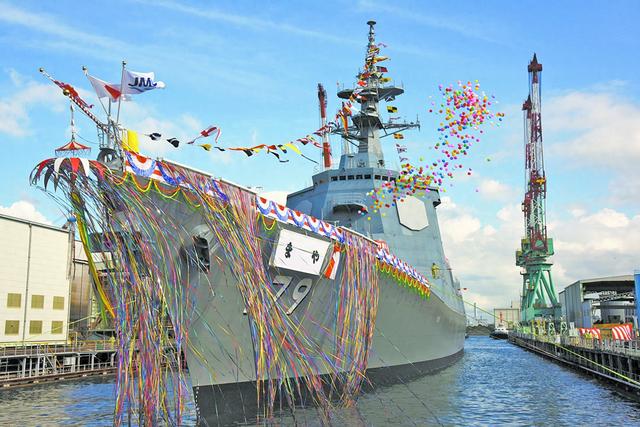
【环时深度】被中国管制的日本实体什么来头?
Xin Lang Cai Jing· 2026-02-25 23:03
Core Viewpoint - Japan is increasingly moving towards reviving militarism by developing offensive weapons, attempting to amend its pacifist constitution, and expanding the export range of defense equipment, prompting China to impose export controls on 20 Japanese entities involved in enhancing Japan's military capabilities [1]. Group 1: Japanese Defense Contractors - Mitsubishi Heavy Industries is highlighted as Japan's largest military contractor, with projected arms revenue of $5 billion in 2024, marking a 37% year-on-year increase, primarily from aircraft and missile system sales [2]. - The Japanese Self-Defense Forces have deployed Type 12 anti-ship missiles near Taiwan, with plans to upgrade to a more advanced version, all developed by Mitsubishi Heavy Industries [3]. - Mitsubishi Heavy Industries is also responsible for key components of Japan's F-35 fighter jets and has been involved in the development of various missile systems [3]. Group 2: Export Control Measures - The Japanese government is moving to expand the export of defense equipment, allowing the export of combat aircraft and warships, which was previously restricted to rescue and transport purposes [4]. - Mitsubishi Heavy Industries' shipyards are continuously engaged in constructing various classes of vessels for the Japan Maritime Self-Defense Force, including Aegis destroyers and submarines [4]. Group 3: Other Key Companies - Kawasaki Heavy Industries, ranked 55th in the global military contractor list, is involved in multiple defense sectors, including aviation and naval systems, and has been included in China's export control list [6][7]. - IHI Corporation, which provides engines and monitoring systems for Japan's Self-Defense Forces, is also on the export control list, with a significant role in developing various military equipment [9][10]. Group 4: Space and Military Integration - The Japan Aerospace Exploration Agency (JAXA) has been increasingly integrated into Japan's military ambitions, with its role expanding to include military space development since 2012 [11][13]. - JAXA is involved in monitoring low Earth orbit and has been tasked with developing a satellite constellation for real-time global surface intelligence, supporting Japan's defense capabilities [10][13]. - JAXA's collaboration with the Japanese Self-Defense Forces includes developing technologies for detecting hypersonic missiles, indicating a shift towards military applications in space exploration [14].

王毅就中日关系重申严正立场
证券时报· 2026-02-15 03:17
Group 1 - The core viewpoint of the article emphasizes that China plays a crucial role in maintaining peace in the Asia-Pacific region, countering claims of increasing tensions [1][2] - Wang Yi, the Chinese Foreign Minister, highlighted Japan's recent statements regarding Taiwan as a dangerous trend, marking a significant challenge to China's sovereignty and international order established post-World War II [1][2] - The article draws a comparison between Japan and Germany's post-war handling of their respective histories, criticizing Japan for honoring war criminals while Germany has taken steps to confront its fascist past [1] Group 2 - Wang Yi warned that Japan's leadership is showing signs of reviving militarism and colonial ambitions, which could lead to historical repetition of aggression if not addressed [2] - The article calls for vigilance among the Japanese people against extreme right-wing ideologies and urges peace-loving nations to caution Japan against reverting to militaristic paths [2]
王毅就中日关系重申严正立场:日本走回头路是自取灭亡,再赌一次,只能败得更快,输得更惨!
Xin Lang Cai Jing· 2026-02-14 15:35
Group 1 - The core viewpoint of the articles emphasizes that China is a stabilizing force in the Asia-Pacific region, countering claims of increasing tensions and asserting its role in maintaining peace [1][2] - Wang Yi, China's Foreign Minister, criticized Japan's recent statements regarding Taiwan, viewing them as a challenge to China's sovereignty and a revival of militarism [1][2] - The comparison between Japan and Germany's post-war handling of historical issues highlights Japan's failure to fully confront its past, which Wang Yi argues is a root cause of current tensions [1] Group 2 - Wang Yi warns that Japan's leadership is showing signs of militaristic ambitions, reminiscent of its historical aggression, and urges vigilance from both the Japanese people and the international community [2] - The articles suggest that if Japan does not reflect on its past actions, it risks repeating history, which could lead to dire consequences [2]
王毅就中日关系重申严正立场
券商中国· 2026-02-14 14:56
Core Viewpoint - The article emphasizes China's role as a stabilizing force in Asia amidst rising tensions, particularly regarding Japan's recent statements on Taiwan, which are seen as a challenge to China's sovereignty and historical commitments [1][2]. Group 1: China's Position on Regional Stability - Wang Yi asserts that Asia remains largely peaceful compared to other regions, despite recent localized conflicts, highlighting China's constructive role in maintaining peace [1]. - The article mentions that Japan's recent rhetoric regarding Taiwan represents a significant shift, marking the first time in 80 years that a Japanese Prime Minister has suggested collective self-defense in response to a Taiwan crisis, which challenges China's sovereignty [1]. Group 2: Historical Context and Warnings - Wang Yi draws a comparison between Japan and Germany's post-war handling of their respective histories, criticizing Japan for honoring war criminals, which he argues is a root cause of current tensions [1]. - The article warns that Japan's leadership statements reflect lingering militaristic ambitions and urges both the Japanese public and the international community to remain vigilant against the resurgence of extreme right-wing ideologies [2].

王毅警告日方:如果再赌一次,只能败得更快,输得更惨!
Xin Lang Cai Jing· 2026-02-14 14:34
Group 1 - The core viewpoint of the articles emphasizes that China is a stabilizing force in the Asia-Pacific region, countering claims of increasing tensions and asserting its role in maintaining peace [1][2] - Wang Yi highlights Japan's recent statements regarding Taiwan as a dangerous trend, marking a significant challenge to China's sovereignty and the post-war international order [1] - The comparison between Japan and Germany's post-war handling of historical issues is made, with Germany being praised for its comprehensive reckoning with fascism, while Japan is criticized for honoring war criminals [1] Group 2 - Wang Yi warns that Japan's leadership statements reveal lingering imperial ambitions and a revival of militarism, drawing parallels to historical invasions [2] - A call is made for Japanese citizens to be wary of extreme right-wing forces and for peace-loving nations to caution Japan against regressive paths that could lead to self-destruction [2]
王毅就中日关系重申严正立场
21世纪经济报道· 2026-02-14 14:20
Core Viewpoint - The article emphasizes China's role as a stabilizing force in Asia amidst rising tensions, particularly regarding Japan's recent statements on Taiwan, which are seen as a challenge to China's sovereignty and historical commitments [1][2]. Group 1: China's Position on Regional Stability - Wang Yi asserts that Asia remains largely peaceful compared to other regions, despite recent localized conflicts, highlighting China's contribution to maintaining peace [1]. - The article notes that Japan's recent rhetoric regarding Taiwan represents a significant shift, with the Japanese Prime Minister suggesting that a crisis in the Taiwan Strait could justify Japan's collective self-defense, which Wang Yi views as a direct challenge to China's sovereignty [1]. Group 2: Historical Context and Warnings - Wang Yi draws a comparison between Japan and Germany post-World War II, criticizing Japan for not fully confronting its wartime actions and for honoring war criminals, which he argues is a root cause of current tensions [1]. - The article warns that Japan's leadership should be cautious of reviving militaristic ambitions, as historical precedents indicate that such actions could lead to disastrous outcomes [2].

王毅就中日关系重申严正立场
财联社· 2026-02-14 13:52
Core Viewpoint - The article emphasizes China's role as a stabilizing force in the Asia-Pacific region, countering claims of rising tensions and highlighting Japan's recent provocative statements regarding Taiwan as a threat to regional peace [1][2]. Group 1: China's Position on Regional Stability - Wang Yi asserts that the Asia-Pacific region remains generally peaceful, despite isolated conflicts, and credits China for its role in maintaining stability [1]. - The article mentions that China is committed to continuing its constructive role in ensuring peace and stability in the region [1]. Group 2: Japan's Provocative Statements - Wang Yi criticizes the Japanese Prime Minister's remarks about Taiwan, interpreting them as a revival of militaristic ambitions and a challenge to China's sovereignty [2]. - The article draws historical parallels, suggesting that Japan's rhetoric echoes its past justifications for aggression, warning that failure to learn from history could lead to disastrous consequences [2]. Group 3: Historical Context - A comparison is made between Japan and Germany's post-war handling of their respective histories, highlighting Japan's continued veneration of war criminals as a root cause of current tensions [1]. - The article calls for vigilance from both the Japanese public and the international community against the resurgence of extreme right-wing ideologies in Japan [2].
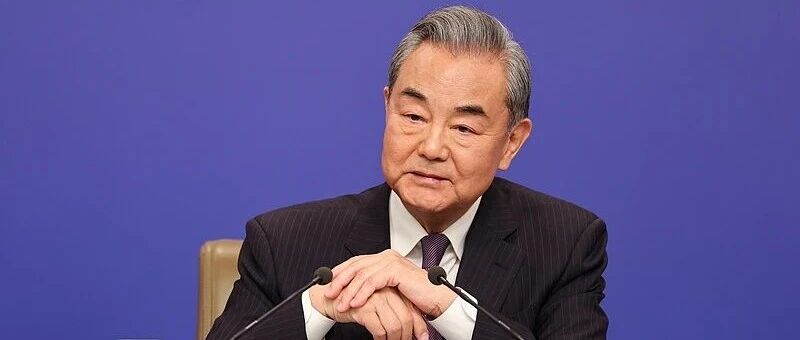
王毅:日本如果不思悔改,势必重蹈覆辙
Ren Min Ri Bao· 2026-02-14 13:28
Core Viewpoint - The speeches by Wang Yi at the Munich Security Conference emphasize China's role as a stabilizing force in Asia and criticize Japan's recent statements regarding Taiwan, which are seen as a revival of militarism and a challenge to China's sovereignty [1][2]. Group 1: China's Position on Regional Stability - Wang Yi asserts that Asia remains generally peaceful, despite recent tensions, and highlights China's constructive role in maintaining regional stability [1]. - He points out that localized conflicts, such as the recent Cambodia-Thailand border skirmish, were quickly resolved with China's involvement [1]. Group 2: Criticism of Japan's Actions - Wang Yi condemns the Japanese Prime Minister's remarks about Taiwan, interpreting them as a direct challenge to China's sovereignty and a revival of Japan's militaristic ambitions [2]. - He draws a historical parallel, noting that Japan's past justifications for aggression echo current rhetoric, warning that failure to learn from history could lead to disastrous consequences [2]. - The speech calls for vigilance among peace-loving nations regarding Japan's potential return to militarism, urging the Japanese people to resist extreme right-wing influences [2].
刘和平:一旦高市压倒性胜选,日本军国主义复活将再无障碍
Xin Lang Cai Jing· 2026-02-07 15:37
Group 1 - The core observation of the upcoming Japanese House of Representatives election is that the ruling coalition led by the Liberal Democratic Party (LDP) and the Japan Innovation Party is expected to surpass the majority threshold, with the real question being how many seats they will win, particularly whether they will achieve a two-thirds majority [2][3] - Achieving a two-thirds majority would allow Prime Minister Kishi Nobuo to push for amendments to Japan's "Peace Constitution," indicating a significant shift in Japan's political landscape and public sentiment towards constitutional reform [2][3] - The election is not only crucial for Kishi's political future but also for Japan's national trajectory and the future dynamics of the Asia-Pacific region [3] Group 2 - If the ruling coalition secures a significant victory, it could further entrench the LDP's dominance in Japanese politics, undermining hopes for a competitive multi-party system that emerged during the last election when the LDP lost its majority [5][6] - The LDP's historical dominance, particularly under a right-wing agenda, raises concerns about the long-term implications for Japan's political ecology and the potential resurgence of militaristic nationalism [6] - The support from U.S. President Trump for Kishi ahead of the election suggests a strategic alignment between the U.S. and Japan's right-wing politics, potentially reinforcing military alliances and shifting regional power dynamics [8][9] Group 3 - The potential for a strong LDP victory could signify a shift in U.S. strategy, with Trump possibly looking to Japan to take a more assertive role in countering China, thereby allowing the U.S. to focus on domestic issues [11][12] - The removal of barriers to constitutional reform in Japan could lead to a revival of militarism, with the possibility of heightened tensions with neighboring countries being used to rally domestic support for such changes [12]