新时代党的治藏方略

Search documents
第一观察 | 习近平总书记率中央代表团来到西藏
Xin Hua Wang· 2025-08-20 10:01
Core Points - The visit of Xi Jinping to Tibet for the 60th anniversary of the Tibet Autonomous Region is significant as it marks the first time a General Secretary of the Communist Party has attended such an event [1] - The development of Tibet over the past decades is highlighted as a remarkable achievement, showcasing the advantages of the socialist system under the leadership of the Communist Party [2] - The emphasis on the importance of maintaining the leadership of the Communist Party and the socialist system for the prosperity and progress of Tibet is reiterated [3] Summary by Sections Historical Significance - Xi Jinping's attendance at the 60th anniversary celebration of the Tibet Autonomous Region reflects the central government's high regard for Tibet and its people [1] - This visit follows a previous significant visit in 2021 for the 70th anniversary of Tibet's peaceful liberation, marking two historical firsts in a span of four years [1] Development Achievements - Tibet has made significant progress in a short period, transitioning from historical challenges to a path of unity and development under the Communist Party's leadership [2] - The current period is described as the best for development in Tibet, with the most substantial changes and benefits for the people [2] Policy and Strategy - The necessity of adhering to the Party's policies and strategies for the effective governance and development of Tibet is emphasized [3] - The importance of stability, development, ecology, and border security in Tibet's planning and execution is highlighted, especially in the context of the upcoming 14th Five-Year Plan [4]
学习进行时丨习近平总书记和西藏的故事
Xin Hua Wang· 2025-08-20 09:21
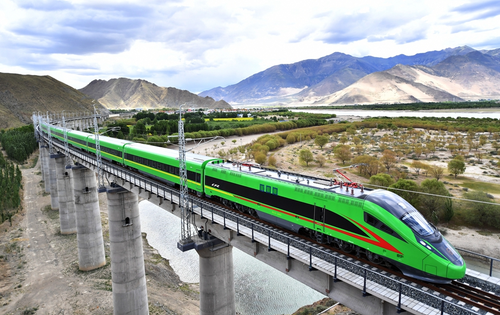
Core Points - The article emphasizes the importance of infrastructure development in Tibet, particularly the construction of the Sichuan-Tibet Railway, which is seen as crucial for the long-term stability and economic development of the region [2][4][5] - Xi Jinping's commitment to ecological protection in Tibet is highlighted, with a focus on maintaining the region's fragile environment while promoting sustainable development [9][13][10] - The narrative also underscores the significance of ethnic unity and social progress in Tibet, showcasing local communities' efforts to foster harmony among diverse ethnic groups [14][17][19] Infrastructure Development - The Sichuan-Tibet Railway is a key project aimed at enhancing connectivity and economic growth in Tibet, with Xi Jinping stressing its importance in various meetings [2][4] - The Lalin Railway, part of the Sichuan-Tibet Railway, has transported over 3.95 million passengers and 1.27 million tons of goods since its opening, significantly contributing to Tibet's economic vitality [5] - The construction of the railway is noted for its complexity due to challenging geological and climatic conditions, making it a remarkable engineering feat [4] Ecological Protection - Xi Jinping has consistently prioritized ecological protection in Tibet, emphasizing the need to safeguard the region's natural resources and environment [9][13] - Initiatives such as the afforestation project have led to an increase in forest coverage to 12.31%, with air quality in Tibet showing a high percentage of good days [13] - The ecological significance of the Yarlung Tsangpo River system is highlighted, with calls for its protection to maintain the region's environmental integrity [8][10] Ethnic Unity and Social Progress - The article illustrates the vibrant cultural exchanges and unity among different ethnic groups in Tibet, particularly in places like Nyingchi and Lhasa [14][17] - Xi Jinping's interactions with local communities reflect a commitment to fostering a sense of belonging and shared identity among the diverse populations in Tibet [19][20] - The success stories of local families, such as those in Gala Village, exemplify the positive impact of government policies on improving living standards and promoting ethnic harmony [16][19]

雪域高原一甲子,习近平情牵西藏
Zhong Guo Xin Wen Wang· 2025-08-20 05:12
Core Viewpoint - The article highlights the significant changes and developments in Tibet over the past 60 years, emphasizing the importance of infrastructure, ecological protection, national unity, and the role of aid workers in the region's progress [3][4][6][9][12]. Infrastructure Development - The completion of major transportation projects, such as the Qinghai-Tibet and Sichuan-Tibet highways, has transformed travel in Tibet, reducing travel time from a day to just over three hours between key locations [4]. - The improvement in transportation infrastructure is seen as a critical factor in Tibet's economic and social development, moving from basic amenities to modern conveniences [4]. Ecological Protection - Tibet is recognized as a crucial ecological security barrier for China, with a strong emphasis on ecological protection in the government's policies [6]. - The implementation of strict ecological protection measures has led to significant improvements in the region's environmental quality, making it one of the areas with the best ecological conditions globally [6][7]. National Unity and Stability - The article underscores the importance of national unity in Tibet, where over 40 ethnic groups coexist, and highlights the role of cultural exchange in fostering a harmonious society [9]. - The government's focus on maintaining stability and unity is seen as essential for the region's development, with repeated emphasis on the dangers of division and the benefits of cohesion [9][12]. Role of Aid Workers - The contribution of aid workers from various provinces has been pivotal in Tibet's development, symbolizing a collaborative effort to improve the region's living conditions [12]. - The spirit and dedication of these aid workers are celebrated as a driving force behind the social and economic advancements in Tibet [12].

人民日报社论:创造美好生活 共圆伟大梦想——热烈庆祝西藏自治区成立六十周年
Xin Hua She· 2025-08-20 04:40
Core Points - The 60th anniversary of the establishment of the Tibet Autonomous Region marks significant social and economic progress under the leadership of the Communist Party of China [1][3] - The region has achieved remarkable milestones in poverty alleviation, with all 628,000 registered impoverished individuals lifted out of poverty, showcasing a successful model of governance and development [1][2] - Tibet's GDP is projected to reach 276.5 billion yuan in 2024, representing a 155-fold increase since 1965, with major economic indicators consistently ranking among the top in the country [2] Economic Development - Modern industries such as clean energy, cultural tourism, and highland light industry are flourishing, contributing to Tibet's high-quality development [2] - The completion of the Qinghai-Tibet Railway and the commencement of the Yarlung Tsangpo Hydropower Project are pivotal in enhancing connectivity and energy infrastructure [2] - The region has transformed from poverty to prosperity, with significant improvements in social stability, economic growth, and living standards [2][3] Social Progress - The average life expectancy in Tibet has increased from 68.17 years in 2010 to 72.5 years currently, reflecting improvements in healthcare and living conditions [1] - The achievements in poverty reduction and social development are recognized internationally, with foreign journalists highlighting Tibet's progress as a "Chinese miracle" in poverty alleviation [2] Future Outlook - The focus on maintaining national unity, ecological preservation, and high-quality development is emphasized as Tibet embarks on a new journey towards modernization [4] - The commitment to the "Chinese-style modernization" strategy aims to ensure that no region or ethnic group is left behind in the development process [4] - The leadership encourages collective efforts to build a prosperous and harmonious society in Tibet, reinforcing the importance of national unity and community awareness [4][5]
新思想引领新征程丨深入践行新时代党的治藏方略 奋力谱写雪域高原新篇章
Yang Guang Wang· 2025-08-20 03:39
Core Viewpoint - The development of Tibet is emphasized as a high-quality initiative that integrates ethnic unity, improves people's livelihoods, and enhances the sense of gain, happiness, and security among various ethnic groups [1] Infrastructure Development - Significant improvements in infrastructure have been made, including a comprehensive transportation network that ensures 100% accessibility of roads to all towns and villages [2] - The focus on infrastructure development aligns with the directives from the central government to enhance connectivity and support local economies [2] Economic Growth - Tibet's economy has shown robust growth, with a reported GDP of 138.27 billion yuan in the first half of the year, indicating a strong development momentum and continuous improvement in living standards [3] - The diversification of income sources in villages, such as the development of tourism and agriculture, has contributed to increased local revenues, exemplified by the hundreds of millions generated during local festivals [3] Social Development - A modern education system has been established, covering various educational levels, and a comprehensive public healthcare system is being developed to ensure better access to medical services [3] - Policies such as the "three guarantees" for education and significant healthcare subsidies have improved the quality of life for residents [3] Ecological Initiatives - Ongoing ecological projects aim to protect and restore natural resources, ensuring that environmental conservation aligns with economic development [4] - The integration of ecological protection with economic benefits is highlighted as a key strategy for sustainable development in the region [4] Future Outlook - The government aims to scientifically plan major development goals and policies for the upcoming "14th Five-Year Plan" period, laying a solid foundation for achieving socialist modernization in Tibet [4]
人民日报社论:创造美好生活 共圆伟大梦想——热烈庆祝西藏自治区成立六十周年
Xin Hua She· 2025-08-20 03:30
Core Viewpoint - The 60th anniversary of the establishment of the Tibet Autonomous Region marks significant achievements in social and economic development, highlighting the leadership of the Communist Party of China and the collective efforts of various ethnic groups in the region [1][3]. Economic Development - Tibet's GDP is projected to reach 276.5 billion yuan in 2024, which is 155 times that of 1965, showcasing a remarkable economic transformation [2]. - Major economic indicators in Tibet have consistently ranked among the top in the nation, reflecting a significant liberation and development of social productivity [2]. Social Progress - The region has completely eradicated absolute poverty, with 628,000 registered impoverished individuals lifted out of poverty, demonstrating a successful poverty alleviation strategy [1][2]. - Life expectancy in Tibet has increased from 68.17 years in 2010 to 72.5 years currently, indicating substantial improvements in living standards [1]. Infrastructure and Industry - Modern industries such as clean energy, cultural tourism, and highland light industry are flourishing, alongside significant infrastructure projects like the Qinghai-Tibet Railway and the Yarlung Tsangpo River hydropower project [2]. - Tibet is recognized as one of the regions with the best ecological environment globally, enhancing its attractiveness for sustainable development [2]. National Integration and Unity - The development in Tibet is seen as a reflection of the successful implementation of the socialist system and the correct path for resolving ethnic issues in China [3]. - The emphasis on maintaining national unity and promoting the common prosperity of all ethnic groups is central to the region's development strategy [4][5]. Future Outlook - The focus on ecological priority and high-quality development is expected to continue, with a commitment to enhancing the well-being and security of the local population [5]. - The ongoing efforts aim to ensure that no region or ethnic group is left behind in the broader context of national modernization and development [3].
“谱写雪域高原长治久安和高质量发展新篇章” ——习近平总书记引领西藏各项事业取得全方位进步、历史性成就
Ren Min Ri Bao· 2025-08-20 01:50
8月的西藏,青稞渐熟,牛羊正肥。珠穆朗玛峰高耸入云,雅鲁藏布江奔腾不息,见证着雪域高原 的沧桑巨变。 西藏是我国重要的国家安全屏障和生态安全屏障,在党和国家战略全局中居于重要地位。1965年, 西藏自治区正式成立,西藏历史翻开了崭新的一页。 一甲子跨越上千年。60年来,在中国共产党的领导下,西藏实现历史性巨变,创造了不朽的人间奇 迹。 党的十八大以来,习近平总书记高度重视西藏工作,心系西藏各族人民,亲自为新时代西藏工作谋 篇布局,发表一系列重要讲话、作出一系列重要指示,亲自谋划、亲自部署召开中央第六次、第七次西 藏工作座谈会,确立新时代党的治藏方略,为做好新时代西藏工作指明了前进方向、提供了根本遵循, 引领西藏各项事业取得全方位进步、历史性成就。 高瞻远瞩,鲜明提出新时代党的治藏方略 "新时代党的治藏方略是做好西藏工作的根本遵循,必须长期坚持、全面落实" "总书记回信了!"今年夏天,西藏林芝市巴宜区林芝镇嘎拉村充满了喜悦欢腾。 "得知这几年村里又有新变化,乡亲们的收入增加了,为你们高兴。"习近平总书记在这封给嘎拉村 全体村民的回信中,勉励他们"切实维护好民族团结,创造更加幸福美好的生活"。 嘎拉村,也被称为" ...
“谱写雪域高原长治久安和高质量发展新篇章” 习近平总书记引领西藏各项事业取得全方位进步、历史性成就
Ren Min Ri Bao· 2025-08-19 03:17
一甲子跨越上千年。60年来,在中国共产党的领导下,西藏实现历史性巨变,创造了不朽的人间奇迹。 党的十八大以来,习近平总书记高度重视西藏工作,心系西藏各族人民,亲自为新时代西藏工作谋篇布局,发表 一系列重要讲话、作出一系列重要指示,亲自谋划、亲自部署召开中央第六次、第七次西藏工作座谈会,确立新时代 党的治藏方略,为做好新时代西藏工作指明了前进方向、提供了根本遵循,引领西藏各项事业取得全方位进步、历史 性成就。 "谱写雪域高原长治久安和高质量发展新篇章" ——习近平总书记引领西藏各项事业取得全方位进步、历史性成就 8月的西藏,青稞渐熟,牛羊正肥。珠穆朗玛峰高耸入云,雅鲁藏布江奔腾不息,见证着雪域高原的沧桑巨变。 西藏是我国重要的国家安全屏障和生态安全屏障,在党和国家战略全局中居于重要地位。1965年,西藏自治区正 式成立,西藏历史翻开了崭新的一页。 高瞻远瞩,鲜明提出新时代党的治藏方略 "新时代党的治藏方略是做好西藏工作的根本遵循,必须长期坚持、全面落实" "总书记回信了!"今年夏天,西藏林芝市巴宜区林芝镇嘎拉村充满了喜悦欢腾。 "得知这几年村里又有新变化,乡亲们的收入增加了,为你们高兴。"习近平总书记在这封给嘎 ...
“谱写雪域高原长治久安和高质量发展新篇章”——习近平总书记引领西藏各项事业取得全方位进步、历史性成就
Ren Min Ri Bao· 2025-08-19 02:19
"总书记回信了!"今年夏天,西藏林芝市巴宜区林芝镇嘎拉村充满了喜悦欢腾。 "谱写雪域高原长治久安和高质量发展新篇章" ——习近平总书记引领西藏各项事业取得全方位进步、历史性成就 8月的西藏,青稞渐熟,牛羊正肥。珠穆朗玛峰高耸入云,雅鲁藏布江奔腾不息,见证着雪域高原 的沧桑巨变。 西藏是我国重要的国家安全屏障和生态安全屏障,在党和国家战略全局中居于重要地位。1965年, 西藏自治区正式成立,西藏历史翻开了崭新的一页。 一甲子跨越上千年。60年来,在中国共产党的领导下,西藏实现历史性巨变,创造了不朽的人间奇 迹。 党的十八大以来,习近平总书记高度重视西藏工作,心系西藏各族人民,亲自为新时代西藏工作谋 篇布局,发表一系列重要讲话、作出一系列重要指示,亲自谋划、亲自部署召开中央第六次、第七次西 藏工作座谈会,确立新时代党的治藏方略,为做好新时代西藏工作指明了前进方向、提供了根本遵循, 引领西藏各项事业取得全方位进步、历史性成就。 高瞻远瞩,鲜明提出新时代党的治藏方略 "新时代党的治藏方略是做好西藏工作的根本遵循,必须长期坚持、全面落实" 嘎拉村,也被称为"桃花村",因漫山遍野的野生桃花而闻名。2021年7月,习近平总 ...
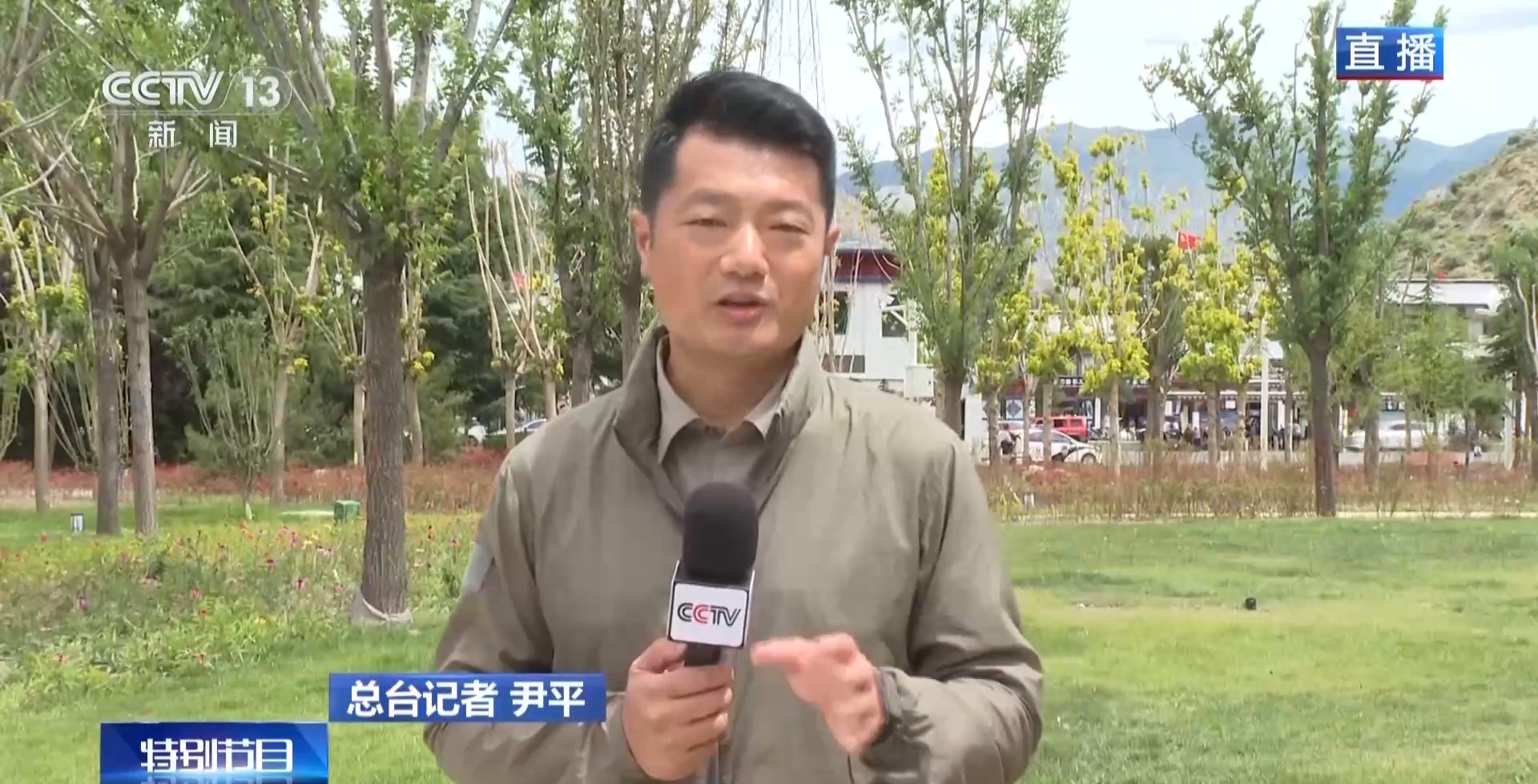
辉煌60载 魅力新西藏丨拉萨为喜迎大庆做准备 街头氛围感拉满
Yang Shi Xin Wen Ke Hu Duan· 2025-08-19 02:14
Core Viewpoint - The article highlights the significant transformations in Tibet from 1965 to 2025, emphasizing the high-quality development blueprint established by the central government, focusing on stability, development, ecology, and border strengthening [1] Group 1: Economic Development - Tibet's GDP reached its first trillion in 50 years and the second trillion in just 6 years, showcasing a remarkable economic leap [1] - The region is preparing for the 60th anniversary of the establishment of the Tibet Autonomous Region, with local communities actively engaged in celebratory preparations [1] Group 2: Urban Development and Infrastructure - The newly opened Unity Park, inaugurated on August 1, 2023, is positioned near the iconic Potala Palace, enhancing the city's landscape and providing a new recreational space for residents and tourists [3][5] - The park's development involved transforming a former large agricultural market and old residential area, restoring the natural landscape and increasing green space [7] - The park features a lake covering over 20,000 square meters with a green coverage rate of 87%, contributing to the ecological environment around the Potala Palace [7][9] Group 3: Community Engagement and Celebration - The atmosphere in Lhasa is festive, with decorations and promotional videos showcasing the achievements of the region's development displayed on public screens [10] - Ten pedestrian bridges in Lhasa are adorned with themed decorations reflecting the significant accomplishments of the Tibet Autonomous Region over the past 60 years [12]