无核三原则

Search documents
日本学者:高市错误言论无视法律 应撤回
Yang Shi Xin Wen Ke Hu Duan· 2025-12-29 13:51
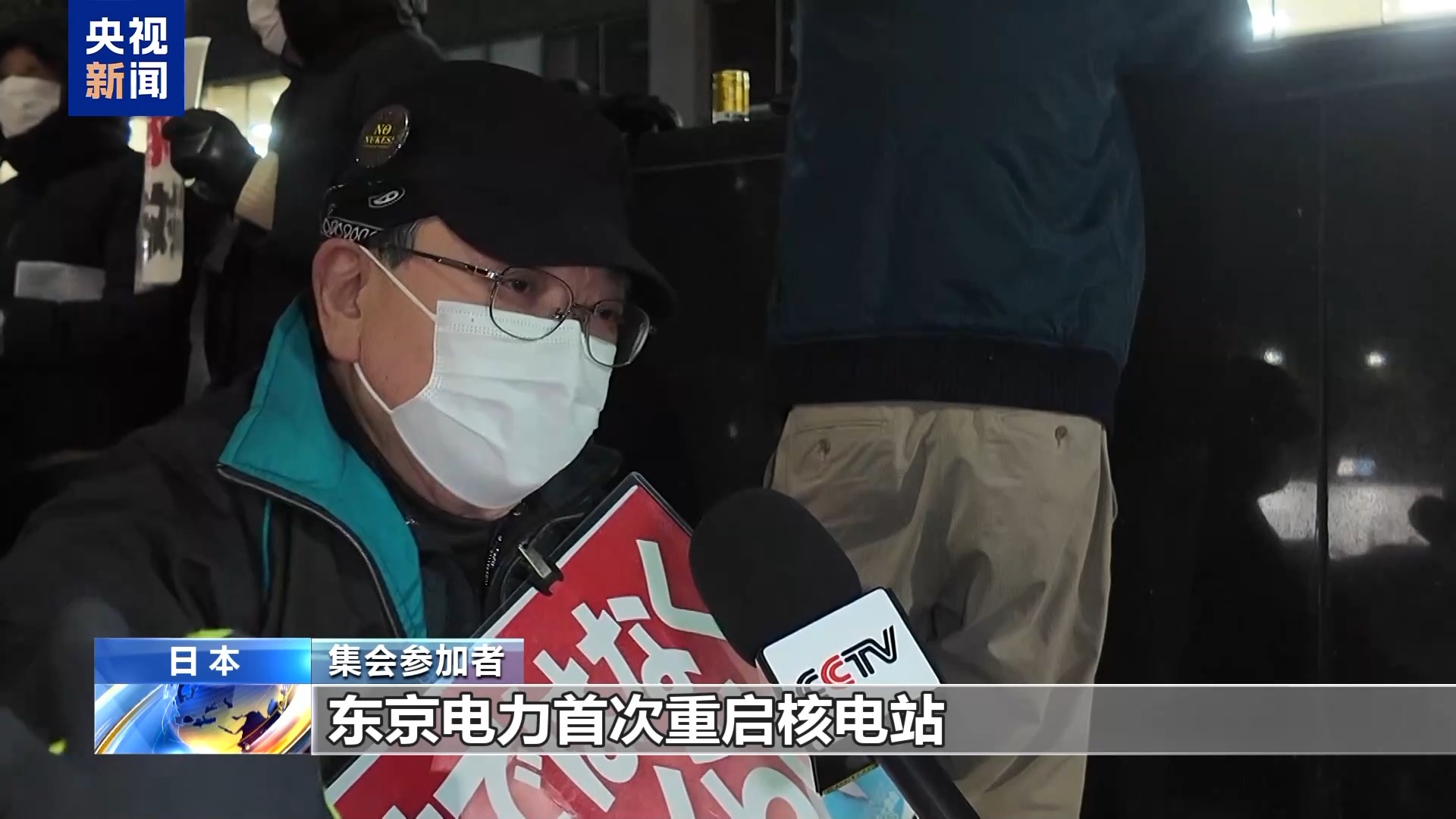
Group 1 - The core viewpoint is that the Japanese government's stance on the Taiwan issue is clearly defined in documents such as the 1972 Japan-China Joint Communiqué, and recent statements by politicians like Takashi Hayashi are seen as erroneous and deviating from Japan's long-standing commitments [1] - Shimizu Masahiko warns that the Japanese government is "hollowing out" existing institutional constraints to pave the way for constitutional amendments and military normalization, which is considered a dangerous trend [1][3] - The government has been weakening restrictions on the Self-Defense Forces, such as prohibiting overseas deployment and maintaining a defense budget not exceeding 1% of GDP, which has led to significant implications for Japan's military posture [3] Group 2 - The Japanese government has significantly increased military spending, which has resulted in a noticeable squeeze on the welfare sector [3] - If defense spending were to rise to 3.5% of GDP as per U.S. demands, it could balloon to approximately 20 trillion yen, raising concerns about the allocation of funds that could otherwise be invested in education and social welfare [5] - Discussions around nuclear armament and attempts to undermine the "Three Non-Nuclear Principles" are seen as a violation of Japan's historical stance against nuclear weapons, which is rooted in the experiences of Hiroshima and Nagasaki [5][6]

日本民众集会反对重启核电站日本广岛市长称无核三原则不可动摇
Xin Lang Cai Jing· 2025-12-28 06:02
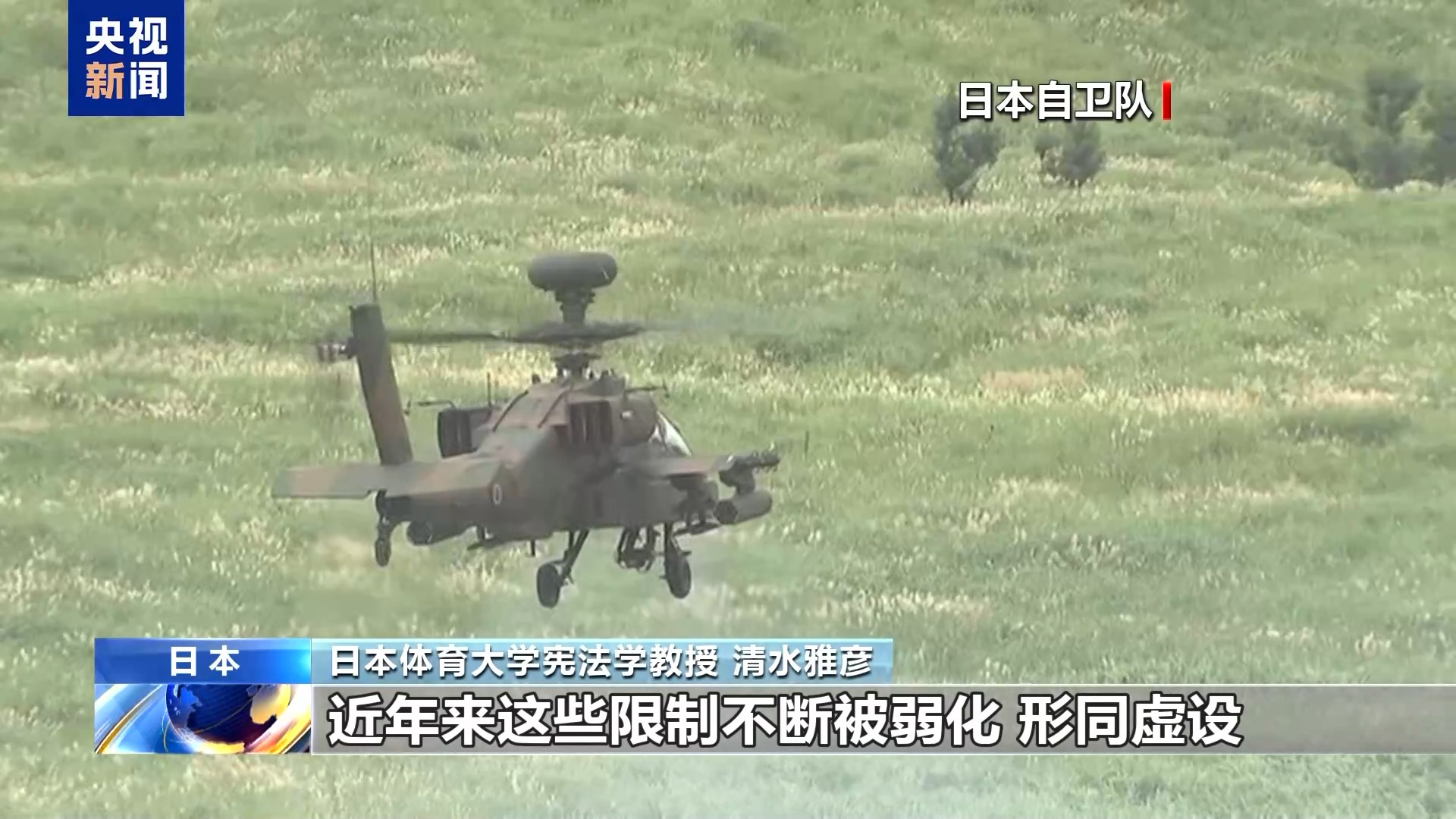
【#日本民众集会反对重启核电站##日本广岛市长称无核三原则不可动摇#】12月26日,日本民众在日本 首相官邸前举行抗议集会,反对重启柏崎刈羽核电站。22日日本新潟县议会批准有关补充预算,将重启 该国最大核电站柏崎刈羽核电站。日本民众批评称,日本面临核设施老化、管理混乱、监管不力的种种 乱象。24日,日本广岛市市长松井一实前往核爆幸存者疗养院进行慰问。26日松井一实还表示,"无核 三原则"是国家方针,不可动摇。 ...
日本民众集会反对重启核电站 广岛市长重申“无核”立场
Xin Jing Bao· 2025-12-28 04:04
12月26日,日本民众在日本首相官邸前举行抗议集会,反对重启柏崎刈羽核电站。22日日本新潟县议会 批准有关补充预算,将重启该国最大核电站柏崎刈羽核电站。日本民众批评称,日本面临核设施老化、 管理混乱、监管不力的种种乱象。24日,日本广岛市市长松井一实前往核爆幸存者疗养院进行慰问。26 日松井一实还表示,"无核三原则"是国家方针,不可动摇。 ...
人民日报:对战后国际安排极为不满的日本右翼势力,正急于突破束缚,重走军事扩张的老路和邪路
Xin Lang Cai Jing· 2025-12-28 02:55
Core Viewpoint - The article emphasizes the urgent need for international justice forces to jointly counter Japan's nuclear ambitions, which threaten regional security and contradict Japan's historical commitment to peace [1]. Group 1: Japan's Nuclear Ambitions - Recent statements from Japanese officials advocating for nuclear weapons have sparked significant international concern, indicating a potential shift in Japan's defense policy [3]. - The remarks from high-ranking officials, including the Prime Minister's close aides, suggest a willingness to modify Japan's "Three Non-Nuclear Principles," which could destabilize the post-war international order [4][5]. Group 2: Historical Context and Policy Implications - Japan's "Three Non-Nuclear Principles," established in 1971, are critical for assessing its commitment to peaceful development and nuclear non-proliferation [4]. - The current government, under Prime Minister Kishida, has shown a clear inclination towards nuclear armament, undermining Japan's historical stance as a peace-oriented nation [4][5]. Group 3: International Law and Security Concerns - Japan's nuclear rhetoric is viewed as a blatant disregard for international legal obligations, including the Cairo Declaration and the Potsdam Proclamation, which mandate Japan to remain disarmed [5]. - The shift in Japan's security policy, including the expansion of its Self-Defense Forces and potential nuclear capabilities, raises alarms about a resurgence of militarism in Japan [5][6]. Group 4: Domestic and International Reactions - Prominent figures in Japan, including former Prime Ministers, have publicly opposed the push for nuclear weapons, advocating for adherence to the "Three Non-Nuclear Principles" [6]. - The international community, particularly China, expresses strong vigilance against Japan's nuclear developments, emphasizing the importance of maintaining the nuclear non-proliferation regime [6].
国际正义力量必须共同阻击日本拥核图谋
Xin Lang Cai Jing· 2025-12-27 23:52
Core Viewpoint - Recent statements by Japanese officials advocating for nuclear armament have raised significant concerns regarding Japan's commitment to its post-war peace promises and the potential destabilization of regional security dynamics [1][2][3]. Group 1: Nuclear Policy and International Obligations - Japan's "Three Non-Nuclear Principles" (not possessing, not producing, and not allowing the introduction of nuclear weapons) have been a cornerstone of its national policy since 1971, serving as a benchmark for its peaceful development [2][3]. - Any advocacy for nuclear armament by Japanese officials is seen as a direct challenge to international nuclear non-proliferation frameworks, including Japan's obligations under the Treaty on the Non-Proliferation of Nuclear Weapons [3][4]. Group 2: Military Expansion and Security Policy - The current Japanese administration has been actively pursuing military expansion, including the potential modification of the "Three Non-Nuclear Principles," increasing defense spending to 2% of GDP ahead of schedule, and enhancing the capabilities of the Self-Defense Forces [3][4]. - There is a growing sentiment among Japanese right-wing factions to break free from post-war military constraints, which could lead to a resurgence of militarism in Japan [3][4]. Group 3: Regional and International Reactions - Experts have classified Japan as a "nuclear threshold state," possessing the necessary technology and materials for nuclear weapon production, which raises alarms about the implications of any shift in its nuclear policy for regional security [4]. - Prominent figures in Japan, including former Prime Ministers, have publicly called for adherence to the "Three Non-Nuclear Principles," emphasizing the risks associated with nuclear armament for Japan's own security [4].
钟声:国际正义力量必须共同阻击日本拥核图谋
Xin Lang Cai Jing· 2025-12-27 23:51
Core Viewpoint - Recent statements by Japanese officials advocating for nuclear armament have raised significant concerns regarding Japan's commitment to its post-war peace promises and the potential destabilization of regional security dynamics [1][2][3]. Group 1: Japan's Nuclear Policy and International Obligations - Japan's "Three Non-Nuclear Principles" (not possessing, not producing, and not allowing nuclear weapons) are crucial for assessing its commitment to peaceful development [2][3]. - Any shift in Japan's nuclear policy poses a direct challenge to international nuclear non-proliferation frameworks, as Japan is obligated under various international legal documents to remain disarmed [3][4]. Group 2: Domestic and International Reactions - There is a growing domestic pushback against nuclear armament, with former Prime Ministers and local government bodies advocating for adherence to the "Three Non-Nuclear Principles" [4]. - The international community, particularly China, is closely monitoring Japan's nuclear ambitions, emphasizing the need to prevent a resurgence of militarism in Japan [4].
人民日报:作为世界上唯一遭受过核打击的国家,日本获得的教训是惨痛的,理应更加深刻认识到核武器的毁灭性后果
Xin Lang Cai Jing· 2025-12-27 23:51
Core Viewpoint - The article emphasizes the international community's concern over Japan's recent pro-nuclear statements by government officials, which are seen as a challenge to post-war international order and nuclear non-proliferation efforts [1][2]. Group 1: Japan's Nuclear Policy - Japan's "Three Non-Nuclear Principles" (not possessing, not producing, and not allowing nuclear weapons) are crucial for its identity as a peace-oriented nation, and any deviation from these principles raises alarms internationally [2][3]. - The current Japanese administration has shown a clear inclination towards nuclear armament, with officials suggesting potential modifications to the "Three Non-Nuclear Principles" and openly discussing the need for Japan to possess nuclear weapons [2][3]. Group 2: International Legal Obligations - Japan's pro-nuclear rhetoric is viewed as a disregard for its international legal obligations, including documents like the Cairo Declaration and the Potsdam Proclamation, which mandate Japan to remain disarmed [3]. - As a non-nuclear weapon state under the Treaty on the Non-Proliferation of Nuclear Weapons (NPT), Japan is expected to adhere strictly to its commitments regarding nuclear weapons [3]. Group 3: Regional Security Implications - Japan is recognized as a "nuclear threshold state," possessing the technology and materials necessary for nuclear weapon production, which poses significant risks to regional security if its nuclear policy shifts [4]. - Experts and former officials within Japan are advocating for the strict adherence to the "Three Non-Nuclear Principles," highlighting the potential dangers of nuclear armament for Japan's own security and regional stability [4]. Group 4: Response from the International Community - The article calls for vigilance from peace-loving nations to counter Japan's dangerous nuclear ambitions, emphasizing the importance of maintaining the nuclear non-proliferation regime as a key component of post-war international order [4].
国际正义力量必须共同阻击日本拥核图谋(钟声)
Ren Min Ri Bao· 2025-12-27 21:58
Core Viewpoint - Recent statements by Japanese officials advocating for nuclear weapons have raised significant concerns regarding Japan's commitment to its post-war peace promises and the potential impact on regional security dynamics [1][2][3]. Group 1: Nuclear Policy and International Obligations - Japan's "Three Non-Nuclear Principles" (not possessing, not producing, and not allowing the introduction of nuclear weapons) have been a cornerstone of its national policy since 1971, serving as a benchmark for its peaceful development in the eyes of the international community [2][3]. - Any shift in Japan's nuclear policy, particularly the potential abandonment of the "Three Non-Nuclear Principles," poses a direct challenge to the international nuclear non-proliferation regime and Japan's obligations under international law [3][4]. Group 2: Military Expansion and Security Policy - The current Japanese administration has been actively pursuing military expansion, including the relaxation of collective self-defense rights, the development of offensive weapons, and an increase in defense spending to 2% of GDP ahead of schedule [3][4]. - There is a growing sentiment among Japanese right-wing factions to challenge existing post-war arrangements, indicating a desire to return to a path of military expansion and assertiveness [3][4]. Group 3: Domestic and International Reactions - Prominent figures in Japan, including former Prime Ministers, have publicly opposed the notion of Japan acquiring nuclear weapons, emphasizing the importance of adhering to the "Three Non-Nuclear Principles" [4]. - The international community, particularly China, has expressed heightened vigilance regarding Japan's nuclear ambitions, underscoring the potential risks of a resurgence of militarism in Japan [4].
解放军报:日本近年开展大量工作增强核武运用能力,研发陆基高超音速武器,增强指挥系统抗毁性,将发射侦察卫星星座
Xin Lang Cai Jing· 2025-12-27 16:36
12月27日,《解放军报》第04版发表文章《日本觊觎核武公然挑衅战后国际秩序》。 庫 82 45 3 40 日本凯飙核武公然挑衅战后国际秩序 战火父组中期盼着 日方网上视相 | 省校龄历史,不要错 | 加错 美国阿中国台湾地区出售武器谷此者问 外交部公布夫于对美国军工相关企业及高级管理人员采取反制措施的决定 中国将继续为世界科技和经济发展贡献更大力量 全文如下: 近日,日本首相高市早苗谈及"拥有核潜艇"问题时,表示"不排除任何选项"。此前,更有日本首相官邸 一名负责安保政策的高官向媒体扬言,日本应该拥有核武器。此类危险言论接连出现,绝非偶然。近年 来,目本右翼势力持续鼓噪"目本拥核论",严重背离"无核三原则",不仅是对战后国际秩序和核不扩散 体系的公然挑衅,更对地区乃至全球和平稳定构成严重威胁,国际社会必须对此保持高度警惕。 日方官员在首相官邸媒体吹风会这一官方舆论场合鼓吹拥核,用心险恶。从日媒曝光的内容来看,其核 心目的在于渲染所谓周边国家的"核威胁",在国内营造修改核政策的舆论氛围。事实上,高市早苗自11 月中旬起,就已着手探讨在修订《国家安全保障战略》等"安保三文件"时,对"无核三原则"中不运进核 武器 ...
日本民众举行集会 反对重启柏崎刈羽核电站
Yang Shi Xin Wen Ke Hu Duan· 2025-12-27 12:55
Core Viewpoint - There is significant public opposition in Japan against the restart of the Kashiwazaki-Kariwa nuclear power plant due to concerns over safety, management issues, and the unresolved aftermath of the Fukushima disaster. Group 1: Public Concerns - Protesters express distrust in Tokyo Electric Power Company (TEPCO), the operator of the plant, citing its involvement in the Fukushima disaster and previous safety violations at Kashiwazaki-Kariwa [1][4] - The public is particularly worried about the plant's location in a seismically active area, recalling past incidents such as fires during earthquakes [3] - Many participants highlight that over 14 years after the Fukushima incident, issues such as the living conditions of evacuees and rising thyroid cancer rates among children remain unaddressed [6][7] Group 2: Political Context - The recent approval by Niigata Prefectural Assembly to restart the plant has sparked protests, with demonstrators criticizing the government's handling of nuclear safety and disaster accountability [1][6] - There is discontent regarding discussions within the ruling Liberal Democratic Party to amend Japan's "Three Non-Nuclear Principles," which protesters fear could lead to militarization and a return to wartime policies [10][11]