马文化

Search documents
文脉永续 春满故城 | 来路县过大年,新春活动提前get!
Xin Lang Cai Jing· 2026-02-10 14:57
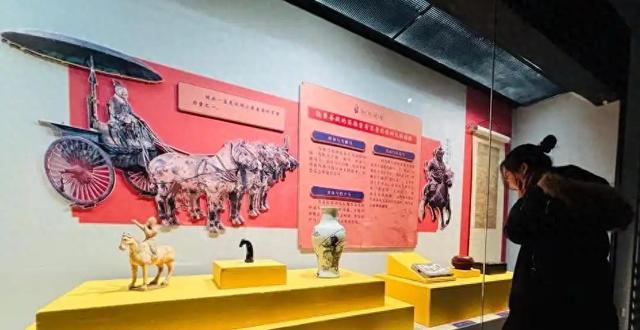
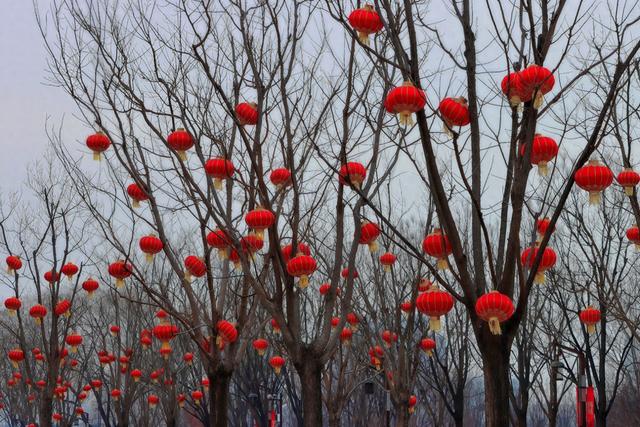
Group 1 - The core theme of the upcoming Spring Festival activities at the Lvxian Ancient City Ruins Park is centered around "Horse Culture," featuring various events such as flower exhibitions, interactive experiences, and cultural showcases [1][3] - The park has been decorated in a traditional Han style, with red banners and Han dynasty patterns, creating a festive atmosphere for visitors [3] - A series of activities will take place from February 15 to February 24, including the "Cultural Performance" and "Non-Heritage Market," aimed at enhancing the festive experience [6][12] Group 2 - The "Cultural Performance" will feature traditional dragon and lion dances, along with non-heritage displays, scheduled for February 17 and February 21 [6][8] - A special series of commemorative tickets titled "Cultural Relics Leap into the New Year" will be available from February 15 to February 24, with a limited daily release of 500 tickets [12][11] - The "Han Style Seeking Horse" event will allow participants to engage in a scavenger hunt, collecting stamps for a chance to receive exclusive decorations, limited to 2026 sets [12][16] Group 3 - The "Non-Heritage Spring Festival" market will open from February 17 to February 21, offering various traditional goods and experiences [16] - The "Handwritten Blessings" activity on February 16 and February 20 invites participants to write auspicious characters, adding a personal touch to the celebrations [20] - Educational activities will run from February 15 to February 23, allowing visitors to explore Han dynasty aesthetics through hands-on experiences [21][25] Group 4 - A special exhibition titled "Galloping Through the Han Dynasty" will open on February 15, focusing on Han dynasty horse culture and related historical materials [28][30] - The "Sea of Clouds: The Great Han Wind" exhibition will conclude on March 15, encouraging visitors to experience the brilliance of Han civilization before it ends [31][32] - Volunteer guides dressed in Han clothing will provide insights into the history of the Lvxian Ancient City and its artifacts from February 15 to February 23 [36]

“福运加马”新春主题系列活动在羊城启动
Xin Lang Cai Jing· 2026-02-10 14:55
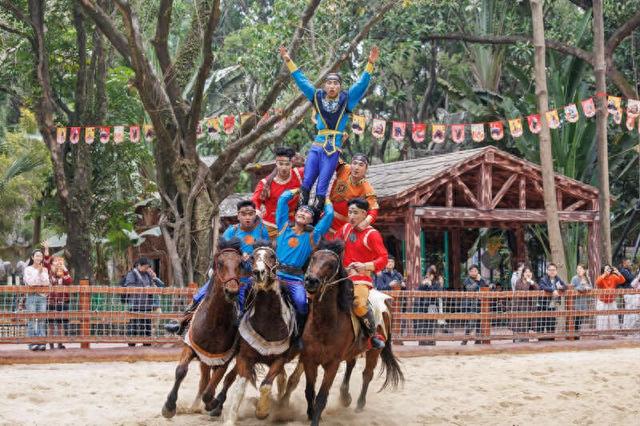
Core Viewpoint - The event at Chimelong Safari Park in Guangzhou features a unique "Horse Parade" showcasing various horse breeds, attracting visitors for a cultural and interactive experience during the Spring Festival [1][3]. Group 1: Event Highlights - The "Horse Parade" includes a variety of horse breeds such as Thoroughbreds, Shetland ponies, and Mongolian horses, combined with creative performances and interactive elements [1]. - The newly opened "Shenma Garden" focuses on horse culture, offering rare horse breed displays, immersive cultural experiences, and themed performances [3][5]. Group 2: Visitor Experience - Visitors can engage directly with the horses, including feeding them and experiencing horseback riding, enhancing the interactive aspect of the event [5]. - Daily equestrian performances at the "Knight Theater" provide a visual spectacle that combines strength and beauty, appealing to families and tourists [5].
文旅新探·博物馆之约丨春风骐骥:马文物里的中华精神
Xin Lang Cai Jing· 2026-02-10 06:39
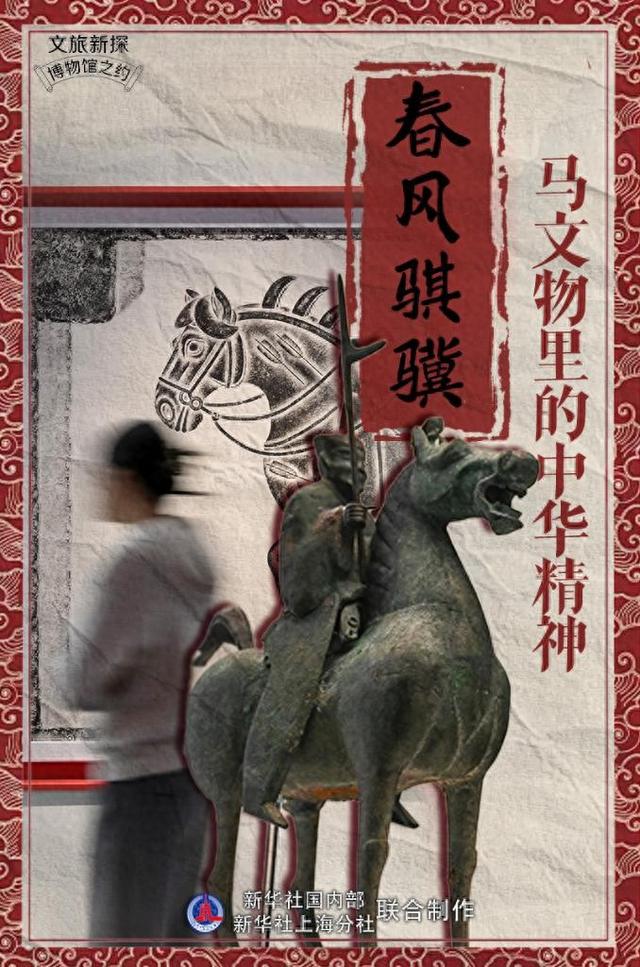
Core Viewpoint - The "Spring Breeze Qiji: Year of the Horse Zodiac Exhibition" at the Shanghai Museum showcases 16 pieces of horse-related artifacts, highlighting the significance of horses in Chinese civilization over 2000 years [3][12]. Group 1: Exhibition Highlights - The exhibition features the oldest horse artifact, a round sculpture of a white jade horse from the Western Han Dynasty, symbolizing the pursuit of dreams [5][13]. - A notable piece is the "Six Steeds of Zhao Ling," depicting six war horses from the Tang Dynasty, with one horse shown valiantly fighting despite being wounded [14][16]. - The exhibition includes various representations of horses, from symbols of courage and success to depictions of daily life, showcasing the diverse cultural significance of horses in Chinese history [19]. Group 2: Cultural Significance - Horses are portrayed as symbols of courage, dreams, and success, reflecting the enduring spirit of Chinese civilization [19]. - The exhibition emphasizes the romantic and optimistic spirit of ancient horses, encapsulating the idea of "using dreams as a horse" [8]. - The artifacts illustrate the integration of different cultural elements, such as the painted pottery figurines from the Tang Dynasty, which represent the Silk Road's cultural exchanges [19].
“神马”驾到,你最爱哪一匹?
Xin Lang Cai Jing· 2026-02-10 04:38
Core Viewpoint - The article celebrates the cultural significance of horses in Chinese history, emphasizing their representation of strength, success, and the spirit of progress, particularly in the context of the upcoming Year of the Horse. Group 1: Historical Significance of Horses - The bronze horse figurine "蠡" is noted as the earliest known horse-shaped bronze artifact, showcasing the ancient reverence for horses in rituals like the "执驹礼" [8] - The Qin Dynasty's bronze horse chariot, crafted at half the scale of real horses, is recognized as the largest and most complex ancient vehicle discovered, symbolizing imperial power [11] - The six warhorses that accompanied Emperor Taizong of Tang are documented as significant figures in historical texts, representing bravery and valor in battle [15] Group 2: Cultural Symbolism - Horses are depicted as embodiments of courage and strength, with their presence in ancient warfare providing a sense of confidence and success [15] - The article highlights the evolution of horse imagery from ancient artifacts to modern representations, illustrating the deep cultural connection between horses and Chinese identity [41] - The term "龙马精神" (Dragon Horse Spirit) is introduced, symbolizing the aspirations for success and the embodiment of a proactive spirit in Chinese culture [41]
马蹄声声,从历史深处奔腾向前
Ren Min Ri Bao Hai Wai Ban· 2026-02-09 12:19
Group 1 - The article emphasizes the historical and cultural significance of horses in Chinese civilization, symbolizing vitality, progress, and resilience [1][3][6] - The "Six Steeds of Zhao Ling" exhibition in Xi'an showcases the deep emotional connection between humans and horses, highlighting their role in agriculture and military [2][3] - Horses are portrayed as essential companions in various aspects of life, from warfare to communication, reflecting their enduring importance in Chinese culture [3][10] Group 2 - The article discusses the modern relevance of horse symbolism in Chinese society, linking it to innovation and economic vitality, as seen in the rise of creative products like the "Crying Horse" [10][11] - It highlights the role of horses in promoting tourism and local economies, with examples from Guizhou and Xinjiang attracting millions of visitors [11] - The narrative connects the historical significance of horses to contemporary aspirations for growth and development, suggesting a collective cultural identity rooted in the spirit of horses [12][13]
老马如老友 新年有新识
Xin Lang Cai Jing· 2026-02-09 05:10
Core Insights - The article discusses the historical significance of horses in ancient Chinese culture, particularly focusing on the naming conventions, breeding practices, and the role of horses in society [6][19]. Group 1: Historical Context of Horses - The year 2026 is the Year of the Horse in the Chinese zodiac, with the mascot for the Spring Festival Gala being inspired by the Przewalski's horse, the only surviving wild horse species [6]. - The article highlights the importance of horses in ancient China, noting that they were integral to transportation, warfare, and communication systems [19]. Group 2: Naming Conventions - Ancient texts reveal that naming horses was a common practice, with names reflecting their characteristics or qualities, such as "赤兔" (Red Rabbit) and "骓" (Zhui) [8][9]. - The naming of horses can be categorized into three types: exclusive names based on physical traits, names linked to other animals, and names with auspicious meanings [9][10]. Group 3: Breeding and Training Practices - The article discusses the "执驹礼" (Ritual of Horse Handling), which marked the coming of age for young horses, emphasizing the importance of breeding practices in ancient China [17]. - Training methods for horses were sophisticated, with ancient texts detailing various training techniques and the importance of diet and care [13][14]. Group 4: Archaeological Findings - Recent archaeological discoveries, such as the Dunhuang manuscripts, provide insights into the management and care of horses, including their feeding and health [11][12]. - The findings indicate that ancient Chinese society placed significant emphasis on the proper care and training of horses, which were vital for military and agricultural purposes [11][12].
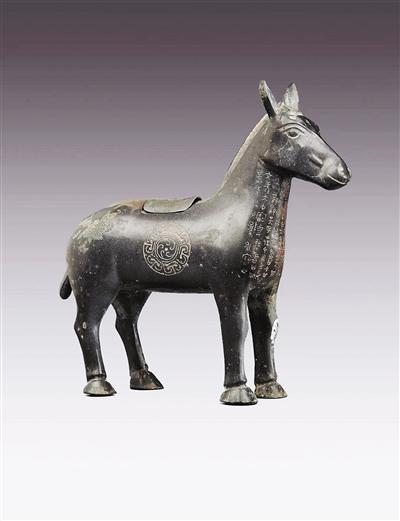
骐骥跃古今 物华与岁新
Ren Min Ri Bao Hai Wai Ban· 2026-02-08 22:51
Group 1 - The article emphasizes the cultural significance of the horse in Chinese history, symbolizing loyalty, perseverance, courage, and progress, particularly in the context of the Year of the Horse [1][7][20] - It highlights the historical relationship between horses and Chinese civilization, noting their importance in agriculture, transportation, and military strategy throughout various dynasties [7][8][13] - The article discusses the evolution of horse-related cultural practices and traditions in modern China, including festivals and artistic representations, which continue to reflect the values associated with horses [9][10][23] Group 2 - The narrative connects the spirit of the horse to contemporary themes of resilience and ambition, suggesting that the horse symbolizes the collective aspirations of the Chinese people in the face of modern challenges [10][20][24] - It mentions specific cultural artifacts, such as the "Copper Galloping Horse" from the Han Dynasty, which embodies the spirit of progress and determination [17][18] - The article concludes with a call to embrace the horse's spirit as a metaphor for striving towards success and innovation in the new era of Chinese development [26][24]
京城拍客今日精选|古建藏春色 庙会喧马年
Xin Lang Cai Jing· 2026-02-08 12:19
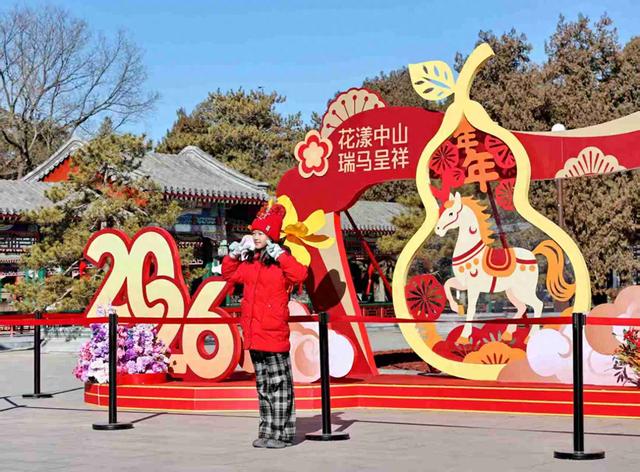
刘承宗拍摄于白塔寺 刘承宗拍摄于白塔寺 爱北京,拍北京,北京日报京城拍客栏目为您送上今日精选。 拉满年味儿氛围!北京中山公园"花漾中山,瑞马呈祥"景观小品亮相 王新拍摄于中山公园 王新拍摄于中山公园 古建藏春色 北京琉璃厂庙会小年预热活动开启 今天上午,"春风跃马 非遗暖韵——当非遗遇见非遗"2026年厂甸庙会小年预热活动正式开启。 猛哥 摄影 马文化展描绘"坰野彭彭" 丙午马年将至,《坰野彭彭—马文化展》于近日在中国园林博物馆举办,展出90余件文物,将《诗经》 中描写的万马奔腾威武形象,以及马在中国文明中的龙马精神予以多维度展示。 知人拍摄于中国园林博物馆 知人拍摄于中国园林博物馆 猛哥 摄影 猛哥 摄影 ...
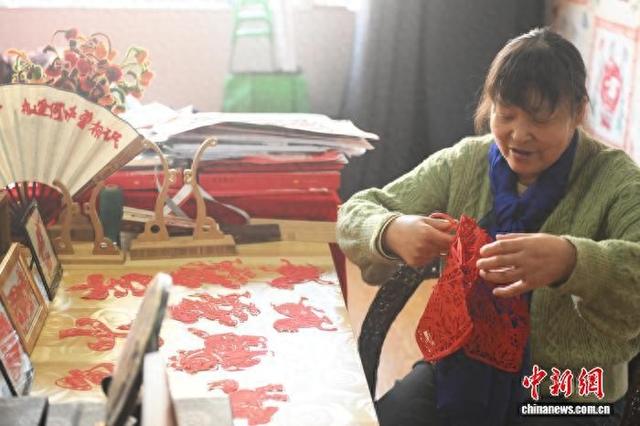
(新春见闻)甘肃剪纸艺人创作马年剪纸传播马文化
Xin Lang Cai Jing· 2026-02-08 11:22
Core Viewpoint - The article highlights the creative work of Gansu paper-cutting artist Zhang Xu, who is producing paper-cut artworks themed around the Year of the Horse, aiming to promote Gansu's rich horse culture [2][10]. Group 1: Artist and Artwork - Zhang Xu is creating a series of paper-cut works featuring the Year of the Horse, inspired by Gansu's cultural heritage [2][18]. - The artworks include representations of national treasures from Gansu, such as the bronze galloping horse and painted wooden chariots [2]. - Zhang Xu's creations also incorporate the mascots "Qiqi," "Jiji," "Chichi," and "Chengcheng" from the 2026 Spring Festival Gala, which are four horses [2][4]. Group 2: Cultural Significance - The artist aims to spread awareness of Gansu's horse culture through her paper-cutting art [2][6]. - Gansu has a long-standing history associated with horse culture, which Zhang Xu seeks to highlight through her artistic endeavors [2][10].
天博近130件馆藏珍品邀你来看“马”
Xin Lang Cai Jing· 2026-02-08 02:02
Core Viewpoint - The "Galloping into the New Year - Global Zodiac Culture Exhibition for the Year of the Horse" has opened at the Tianjin Museum, showcasing nearly 130 cultural relics and attracting a large number of visitors from the Beijing-Tianjin-Hebei region [1][3]. Group 1: Exhibition Overview - The exhibition is organized by the China Cultural Relics News Agency in collaboration with over 50 domestic cultural institutions, presenting hundreds of artifacts and artistic images spanning over 4,000 years, from prehistoric rock paintings to modern artworks [3][5]. - The exhibition features four thematic units: "Evolution and Coexistence - Horses and Human Society," "War Horses - Horses in Ancient Politics and Military," "Auspicious Horses - Cultural and Artistic Representations of Horses," and "New Chapters - Contemporary Innovations in Horse Culture," which collectively illustrate the unique value and spiritual connotation of horses in Chinese civilization [5]. Group 2: Featured Artifacts - The Tang Sancai horse has become a highlight of the exhibition, drawing significant attention from visitors who admire its aesthetic representation [7]. - A notable artifact is a piece of Shang Dynasty oracle bone inscribed with four different forms of the character for "horse," showcasing the ancient people's detailed observation and classification of horses, indicating their deep integration into human life [9]. - A Qing Dynasty bamboo carving titled "Horse Sealing the Marquis" reflects the ancient people's affection for horses and their aspirations for a successful career and good fortune [10]. Group 3: Cultural Activities - The Tianjin Museum is also hosting interactive activities such as "Galloping Horses Welcoming the New Year - A Collective Painting of Zodiac Dreams," which includes traditional crafts, intangible cultural heritage skills, and creative workshops, enhancing the cultural experience and attracting enthusiastic participation from young visitors [10].