二十四节气

Search documents
文化中国行丨二十四节气·寒露 白云红叶 菊有黄华
Yang Shi Xin Wen Ke Hu Duan· 2025-10-09 03:24
Core Viewpoint - The article highlights the significance of the "Hanlu" solar term, emphasizing its cultural and natural beauty during the autumn season [2][4]. Group 1: Seasonal Changes - "Hanlu" is the 17th solar term in the 24 solar terms, marking the fifth solar term of autumn, characterized by lower temperatures and increased dew, which is close to freezing [4]. - The arrival of "Hanlu" signifies the onset of cooler weather, with the phrase "Hanlu arrives, harvest late rice" reflecting the agricultural activities associated with this period [10]. Group 2: Cultural Practices - There are traditional customs during "Hanlu," such as climbing high and enjoying the autumn scenery, which serve both as seasonal activities and a means to refresh the spirit [8]. - The natural landscape during this time is described as a watercolor painting, with white clouds, red leaves, and yellow chrysanthemums, enhancing the aesthetic experience of the season [6].


紫禁城规划思想与古代中国:读懂故宫里的时空智慧
Xin Hua She· 2025-10-04 05:23
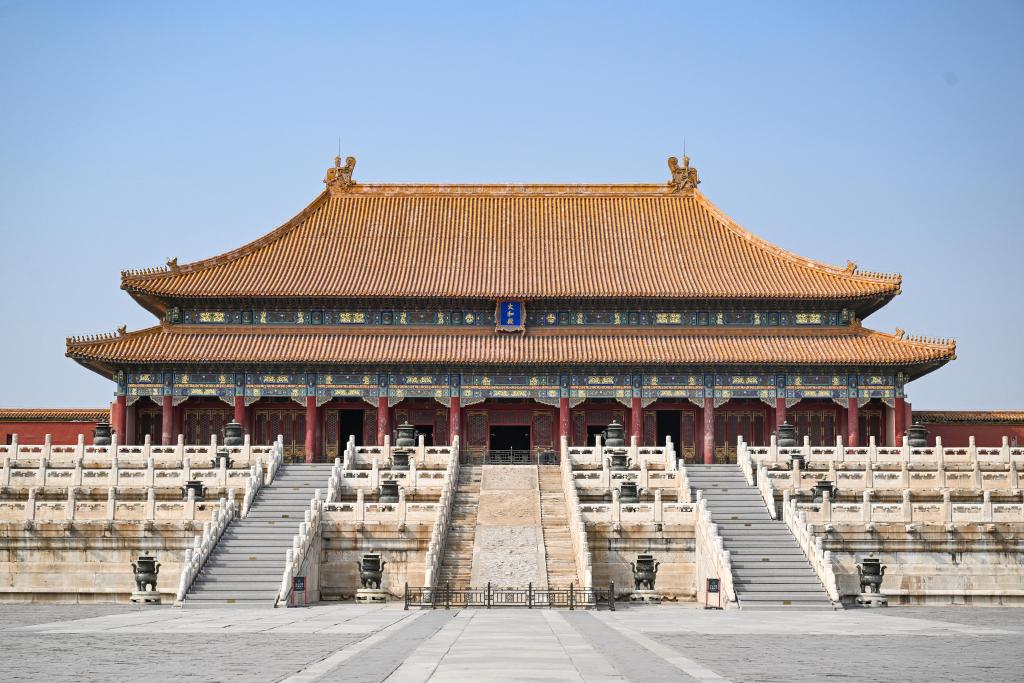
Core Insights - The article discusses the unique Chinese perspective on the integration of time and space, rooted in ancient agricultural practices and the need for precise time measurement to ensure stable harvests [2][3]. Group 1: Historical Context - Archaeological evidence from sites like the Hebei Wuan Cishan and Zhejiang Liangzhu indicates that ancient Chinese people were able to manage time and space effectively during the Neolithic era, leading to agricultural surpluses and the construction of large urban and irrigation systems [2]. - The ancient Chinese developed a calendar system based on celestial observations, which included measuring the sun's shadow during the day and observing star patterns at night to guide agricultural activities [2]. Group 2: Cultural Significance - The article highlights that in Chinese culture, time serves as a "planner" for space, with different seasons corresponding to specific directions and cultural meanings, which have been passed down through generations [3]. - The layout of the Forbidden City exemplifies this time-space relationship, with specific buildings and their orientations reflecting seasonal changes and cultural values, such as the placement of the Taihe Hall and its surrounding structures [3]. Group 3: Modern Relevance - The time and space measurement systems that supported ancient Chinese agricultural civilization have been recognized globally, with the 24 solar terms being listed as a UNESCO intangible cultural heritage in 2016 [6]. - In the context of globalization and technological advancement, the time-space concepts embodied in the Forbidden City and broader Chinese culture are increasingly viewed as valuable [6].
文化中国行丨二十四节气·秋分 山河披锦 岁月酬勤
Yang Shi Xin Wen Ke Hu Duan· 2025-09-24 01:40
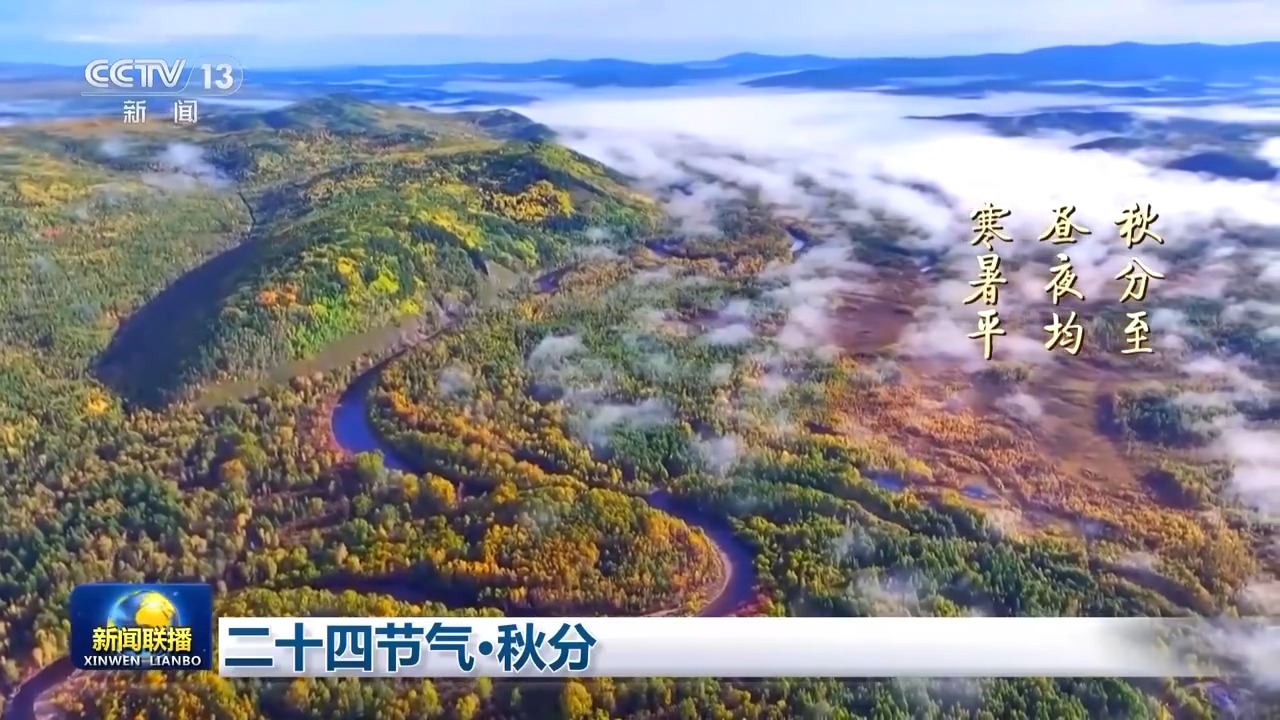
Group 1 - The Autumn Equinox is the sixteenth solar term in the twenty-four solar terms and marks the fourth solar term of autumn, celebrated as the Harvest Festival in China, reflecting the abundance of the earth and the joy of harvest [1] - After the Autumn Equinox, the Northern Hemisphere experiences shorter days and longer nights, with a gradual increase in coolness and the landscape transforming into a serene and simplified state [3] - The Autumn Equinox coincides with the busy harvest season, showcasing a picturesque scene of golden rice fields and blooming cotton, symbolizing a bountiful harvest across the country [6]
秋分时吃的“秋菜”,到底是啥?
Zhong Guo Xin Wen Wang· 2025-09-23 05:01
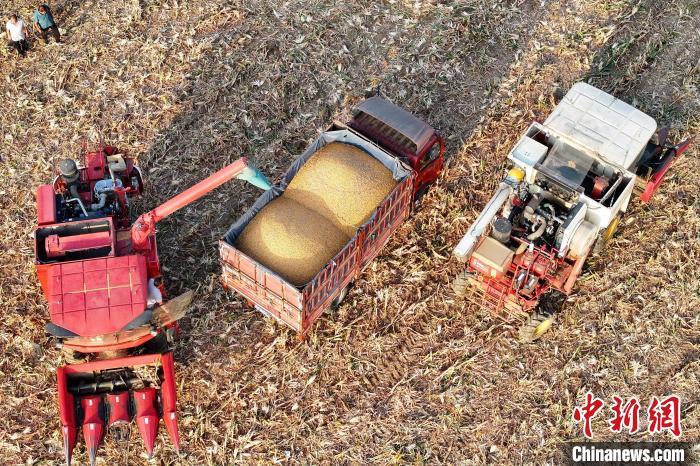
Core Points - The article discusses the significance of the Autumn Equinox, a traditional Chinese solar term, and its associated customs, including the practice of eating "autumn vegetables" and the game of "standing eggs" [1][4][8] Group 1: Autumn Equinox Significance - The Autumn Equinox is one of the earliest established solar terms in ancient China, marking a time of balance between day and night [2] - Historically, the Autumn Equinox was associated with moon worship, with royal ceremonies held to honor the moon on this day [4] - This year's Autumn Equinox occurred on September 23 at 02:19, with a notable distance from the Mid-Autumn Festival [4] Group 2: Customs and Practices - The game of "standing eggs" is popular during the Autumn Equinox, believed to be easier due to the balance of yin and yang, although the actual success is attributed to the egg's shape [5][8] - "Autumn vegetables," specifically wild amaranth, are traditionally consumed, often prepared in a soup with fish slices, believed to be beneficial for health [8] - Other customs include kite flying, which is favored during this season due to favorable weather conditions [8] Group 3: Agricultural Importance - The Autumn Equinox is a critical time for agricultural activities, marking the busy season for harvesting and planting winter crops [9][10] - The tradition of sending "autumn cow" images serves as a reminder for farmers to stay on schedule with their agricultural tasks [9] - The practice of "sticky sparrow mouths" involves placing cooked dumplings in fields to deter birds from damaging crops, highlighting the importance of protecting harvests during this period [9][10]
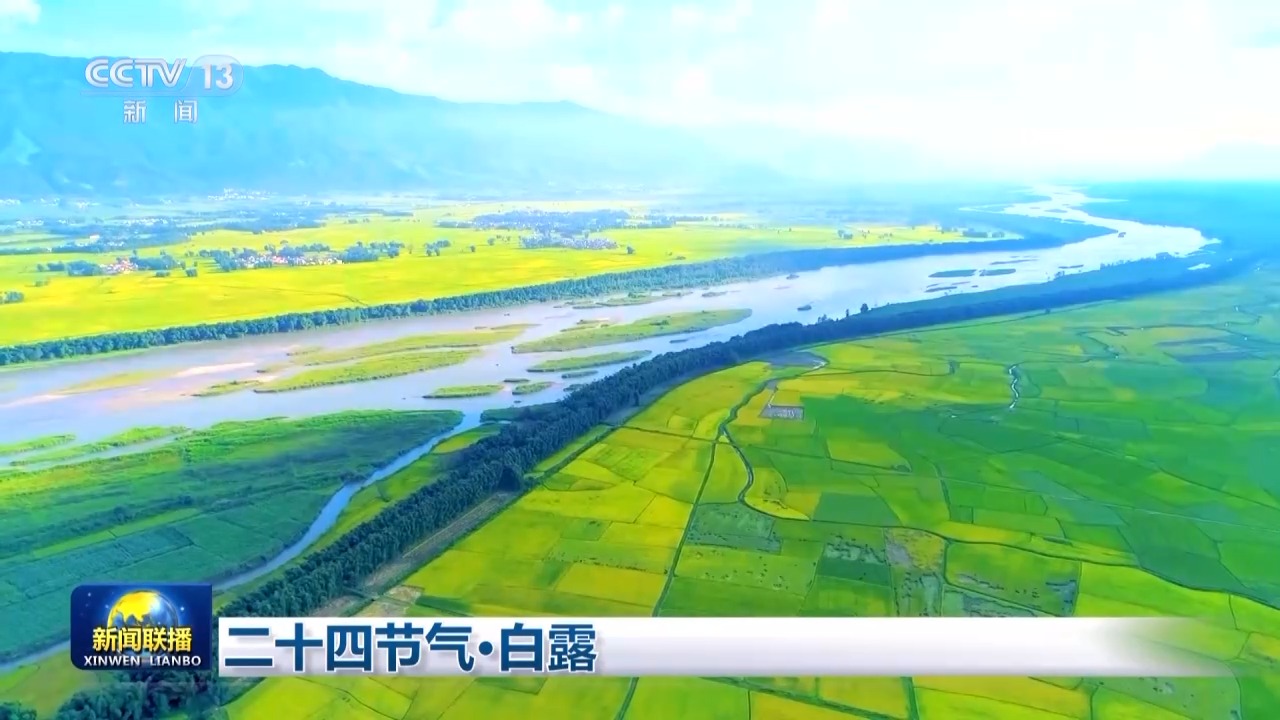
文化中国行丨二十四节气·白露 露从今夜白 月是故乡明
Yang Shi Xin Wen Ke Hu Duan· 2025-09-08 01:41
Group 1 - The "White Dew" solar term marks the transition into autumn, indicating a cooling of temperatures across most regions of China [1] - The arrival of migratory birds signifies the seasonal changes, as they begin to fly south and prepare for winter by storing food [1] - Autumn crops such as corn, millet, and rice are reaching maturity and are ready for harvest during this period [3] Group 2 - The harvesting of "White Dew" tea begins, aligning with the seasonal changes and agricultural activities [3]
白露的“白”指什么(文化中国行·二十四节气二十四问)
Ren Min Ri Bao· 2025-09-05 22:22
Core Points - The article discusses the significance of the "White Dew" solar term, which marks the transition into autumn and is characterized by increasing temperature differences between day and night [3][4]. - "White Dew" is not exclusive to autumn but serves as a cultural symbol, reflecting both natural phenomena and philosophical concepts in traditional Chinese culture [4][5]. Group 1 - "White Dew" begins on September 7, 2025, and is the 15th solar term in the 24 solar terms, indicating the arrival of autumn [2]. - The term "dew" refers to the condensation of water vapor on surfaces during cooler nights, with temperature drops potentially reaching 10 degrees Celsius between day and night [3]. - The character "white" in "White Dew" symbolizes clarity and purity, reflecting the pristine nature of dew drops and their bright appearance in the morning light [3][4]. Group 2 - The cultural significance of "white" is linked to the traditional Chinese philosophy of the Five Elements, where autumn is associated with metal (gold), which is represented by the color white [4]. - The article highlights the connection between the "White Dew" solar term and agricultural practices, symbolizing harvest and abundance as crops mature during this period [4][5]. - "White Dew" is also celebrated in poetry and folk customs, emphasizing its role in guiding seasonal activities and lifestyle adjustments [5].
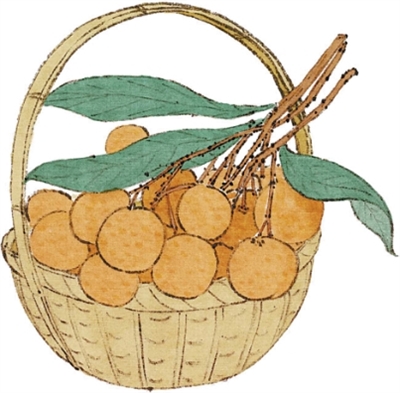
文化中国行丨二十四节气·处暑 万物渐染秋意 家家修仓廪
Yang Shi Xin Wen Ke Hu Duan· 2025-08-24 13:57
Group 1 - The term "Chushu" marks the end of summer heat and the beginning of cooler weather, although short-term warm spells, known as "autumn tiger," may still occur [4] - Chushu signifies a transition between summer and autumn, representing the beautiful anticipation between cultivation and harvest [6] - During Chushu, fields are vibrant with autumn colors, crops are maturing, and people prepare their granaries for the upcoming harvest [3][7] Group 2 - Various customs such as welcoming autumn and appreciating chrysanthemums are observed during Chushu, reflecting the lively seasonal traditions and cultural heritage of the nation [7]

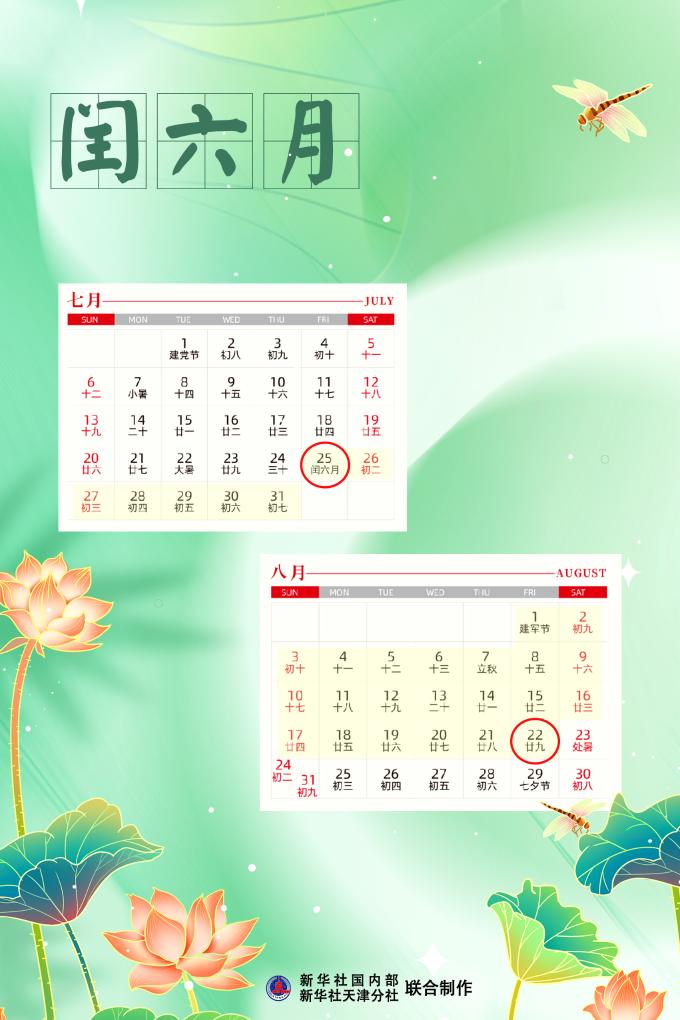
闰六月结束,再次出现要等到2036年!
Xin Hua Wang· 2025-08-22 13:50
Group 1 - The article discusses the occurrence of a leap month in the lunar calendar, specifically the leap sixth month, which will not happen again until 2036 [1][4] - The leap sixth month started on July 25 and ended on August 22, lasting 29 days, which is classified as a small month [1][4] - The leap month phenomenon occurs every 2 to 3 years, with the next leap month expected in 2028, which will be a leap fifth month [4] Group 2 - August 23 marks the beginning of the lunar seventh month and coincides with the solar term of Chushu, which is significant in the agricultural calendar [6] - The lunar seventh month includes the traditional Chinese festival of Qixi, which falls on August 29 this year, delayed by 19 days compared to last year due to the leap month [6]
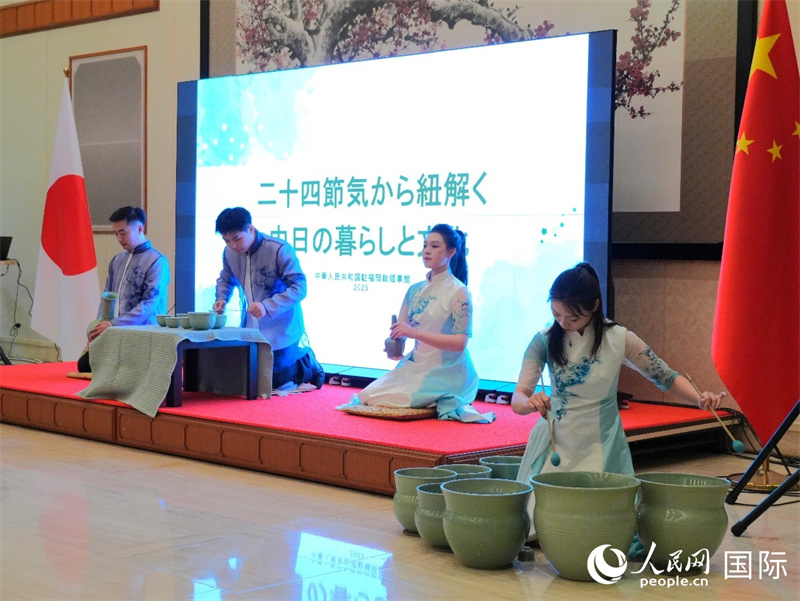
中国驻福冈总领馆举办二十四节气文化交流活动
人民网-国际频道 原创稿· 2025-08-11 07:53
Core Viewpoint - The event organized by the Chinese Consulate in Fukuoka aimed to promote cultural exchange between China and Japan through the theme of the 24 Solar Terms, highlighting the historical and cultural connections between the two nations [3][5][13]. Group 1: Event Overview - Approximately 130 participants from Japanese political, cultural circles, and friendly organizations attended the cultural exchange event [1]. - The event featured a rich variety of performances, including a stirring solo on the Jinghu by artist Wu Rujun, and traditional dances and music that blended Chinese and Japanese cultural elements [7][9]. Group 2: Cultural Significance - The 24 Solar Terms are presented as a symbol of the shared agricultural civilization between China and Japan, reflecting the cultural similarities and differences [3]. - Experts from both countries discussed the scientific and cultural significance of the 24 Solar Terms, emphasizing their relevance in contemporary society [9]. Group 3: Notable Contributions - Chinese Consul General Yang Qingdong and various Japanese officials expressed their support for further cultural exchanges, highlighting the importance of mutual understanding [3][5]. - The event included a unique tea ceremony and a display of exquisite flower arrangements that combined Chinese seasonal concepts with Japanese art [11][9].
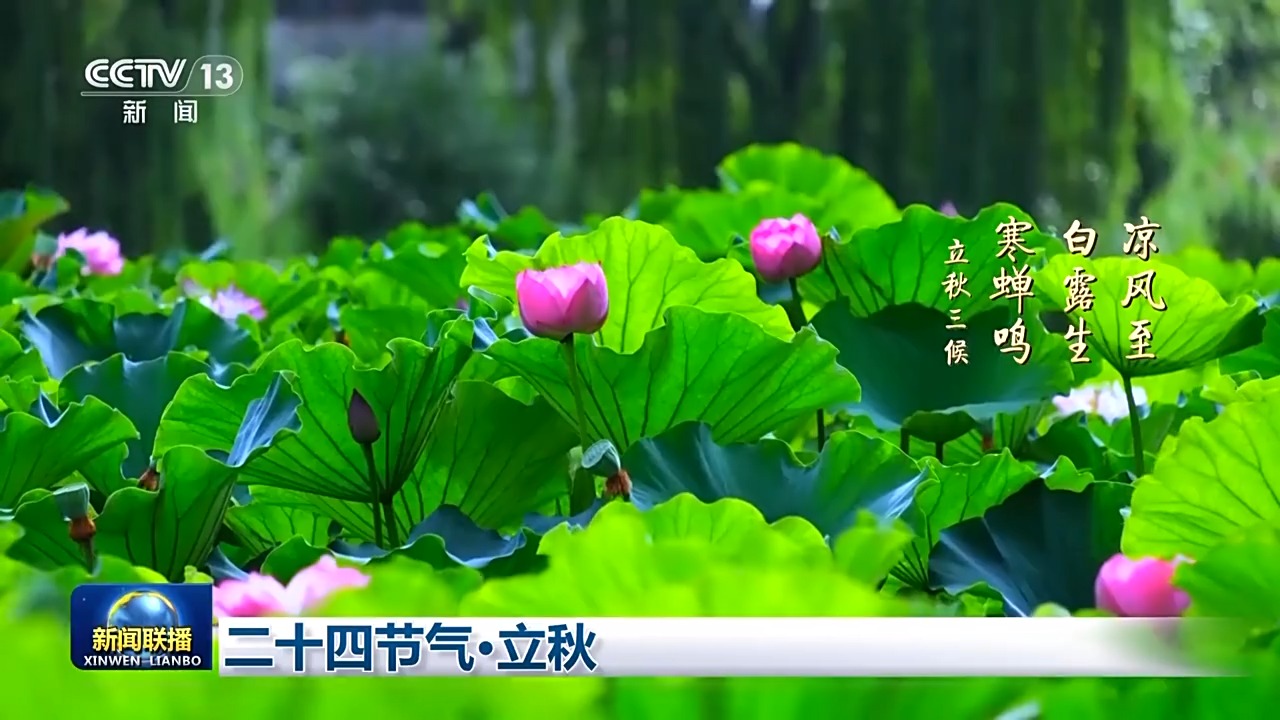
文化中国行丨二十四节气·立秋 暑气犹未消 蝉已试秋声
Yang Shi Xin Wen Ke Hu Duan· 2025-08-07 12:59
Group 1 - The beginning of autumn is marked by the solar term "Liqiu," which is the 13th of the 24 solar terms and signifies the first phase of autumn [1] - During this period, most regions in China are still experiencing high temperatures, as it coincides with the end of the "Three Fu Days" [3] - The traditional customs associated with "Liqiu" include "biting autumn" or "eating autumn," where people consume fruits like watermelon and cantaloupe to dispel the lingering summer heat [6]