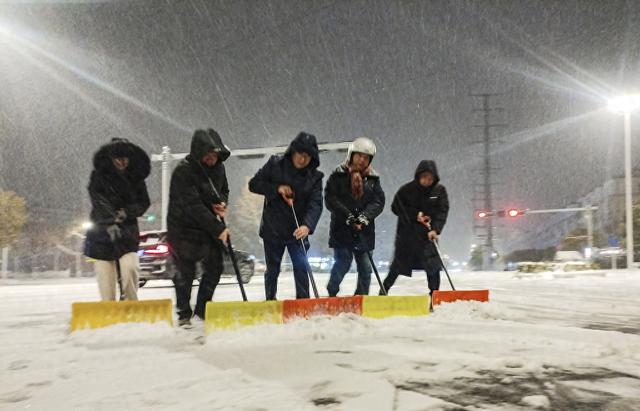
寒潮

Search documents
大寒节气迎“大寒”
Xin Lang Cai Jing· 2026-01-20 17:50
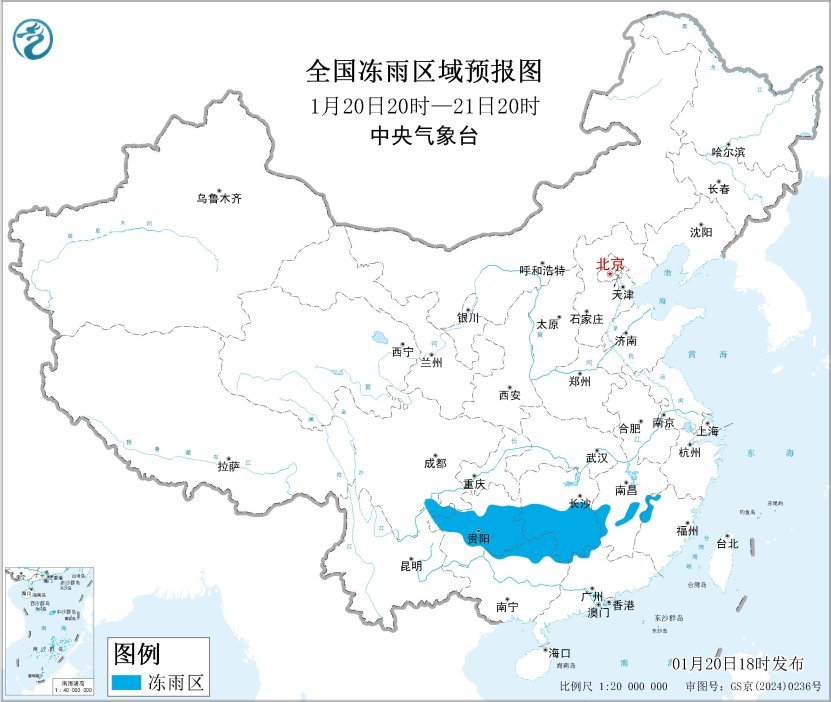
转自:成都日报锦观 中央气象台首席预报员马学款表示,本次寒潮的"幕后推手"是来自西伯利亚的强冷气团。本次过程以扩散蔓延的方式逐步渗透,其所携冷空气 势力强、影响范围广、持续时间长、降温幅度大。据新华社北京1月20日电 1月20日拍摄的江苏南京夫子庙景区雪景。新华社发 (杨素平 摄) 大寒节气迎"大寒" 1月20日是二十四节气中的最后一个节气大寒。大寒节气迎"大寒",中央气象台20日6时发布寒潮蓝色预警、冰冻黄色预警、大风蓝色预警,寒 潮继续影响南方地区,湘黔桂赣等省份有雨雪冰冻。中央气象台预计,20日至21日,湖北东南部、湖南中北部、江西西北部、贵州东部等地部 分地区有中雪,湖北东南部、江西西北部、湖南中部局地有大雪;贵州中部和东部、湖南中南部、广西北部、江西西部等地部分地区有冻雨。 ...


中央气象台:湘黔桂等地有雨雪冰冻 东部和南部海域有大风
Xin Lang Cai Jing· 2026-01-20 11:42
来源:中央气象台 湘黔桂等地有雨雪冰冻 东部和南部海域有大风 摘要: 今天白天,受寒潮影响,湖南、湖北等地出现雨雪天气;江西、广西、贵州等地出现明显降温。预计20日夜间至21 日,贵州、湖南、江西、广西等地有雨雪天气,局地并伴有冻雨,关注对交通、能源供应、人体健康、城市运行、农 业生产等的影响。东部和南部海域关注海上大风影响。 一、天气实况 湖南湖北等地出现雨雪天气 江西广西贵州等地出现明显降温 今天白天,湖南、湖北、苏皖、江西西北部、浙江北部等地部分地区出现小到中雪或雨夹雪,湖南北部、湖北东部局 地大雪;湖南中南部出现冻雨 。 今14时较昨14时,贵州、广西、广东、江西、福建、浙江等地气温下降8~12℃,局地降温幅度超14℃。 另外,未来三天,江南中北部、西南地区东部、山东半岛、黑龙江中东部、新疆西南部、西藏西南部等地部分地区有 小到中雪或雨夹雪,其中,新疆西南部、西藏西南部局地有大到暴雪。 2. 东部和南部海域有大风 中央气象台 1 月 20 日 18 时继续发布大风蓝色预警: 预计,1月20日20时至21日20时,内蒙古中东部、河北北部、青藏高 原中北部等地的部分地区有5~6级风,阵风7~9级;黄海东部 ...
雪下到南方了!明后天大部气温继续偏低
Jing Ji Guan Cha Wang· 2026-01-20 10:52
Core Viewpoint - The strongest winter snow and ice weather has arrived, affecting multiple regions in China, with significant snowfall reported in several provinces and cities [1][2]. Weather Impact - Heavy snow has been observed in Henan, Hubei, Anhui, northern Jiangsu, and other areas, with some regions experiencing blizzards [1]. - Major cities such as Wuhan, Hefei, Nanjing, Shanghai, Hangzhou, and Nanchang have recorded snowfall, with notable accumulation in Hefei, Wuhan, and Nanjing [1]. Snow and Freezing Rain Dynamics - The variation in precipitation types, such as snow and freezing rain, is due to temperature differences at various atmospheric levels, leading to complex changes in precipitation forms [3]. - Snow occurs when the entire atmospheric layer is cold enough for snowflakes to reach the ground [4]. - Freezing rain occurs when snowflakes melt in a warm layer of air and do not freeze before reaching the ground [5]. Agricultural and Transportation Effects - Both snow and freezing rain can adversely affect agriculture and transportation, necessitating caution and preventive measures [6]. Temperature Trends - The current cold wave is expected to lead to significant temperature drops, particularly in southern regions, with the lowest temperatures forecasted to be around 0°C in southern Guizhou, northern Guangxi, southern Jiangxi, and southern Zhejiang [7]. - Most areas in both northern and southern China will experience temperatures significantly lower than the historical averages, with some southern cities like Fuzhou and Nanning seeing maximum temperatures just above 10°C [8].
今年首场寒潮有何特点
Ren Min Ri Bao· 2026-01-20 10:28
Core Viewpoint - The first cold wave of the year is significantly impacting various regions in China, with notable temperature drops and complex precipitation patterns expected to continue for several days [1][2][3]. Group 1: Characteristics of the Cold Wave - The cold wave has five main characteristics: a large impact area, significant temperature and precipitation changes, a complex range of rain and snow types, a notable risk of freezing rain, and relatively weak winds [2]. - The temperature drop is particularly pronounced in southern regions, with some areas experiencing a decrease of over 12 degrees Celsius, and localized drops reaching 16 degrees Celsius [3]. Group 2: Weather Forecast and Implications - The central meteorological authority has upgraded the emergency response to a level three due to the cold wave, with warnings for freezing and heavy snow [1]. - The core impact period of the snowfall is expected from January 19 to 20, with significant snowfall predicted in various northern regions [2]. - The cold wave is anticipated to weaken by January 21, but low temperatures in eastern regions may persist until January 25 [3].
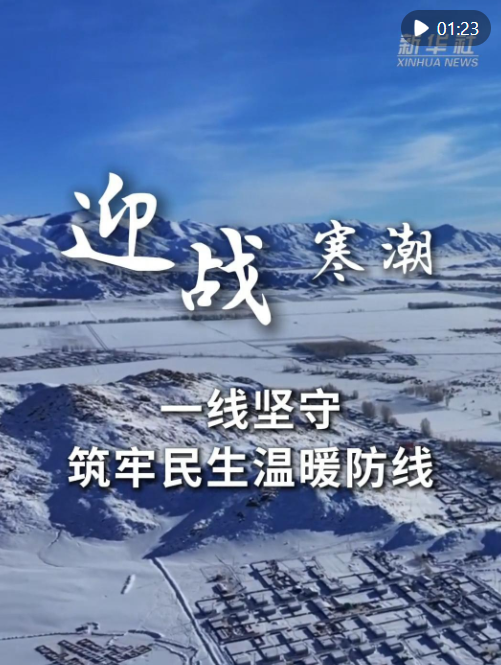
迎战寒潮:一线坚守筑牢民生温暖防线
Xin Lang Cai Jing· 2026-01-20 08:39
Group 1 - The China Meteorological Administration upgraded the emergency response for major meteorological disasters (cold wave) from level four to level three, which includes cold wave, frost, and snowstorm warnings [2] - The Central Meteorological Observatory issued a yellow warning for cold waves, a yellow warning for frost, and a blue warning for snowstorms as of January 18 at 18:00 [2] - In response to the cold wave, various regions across the country quickly activated emergency response mechanisms, with departments mobilizing to ensure public welfare and strengthen warmth defenses [2]
强劲寒潮来袭,“幕后推手”是西伯利亚强冷气团
Ke Ji Ri Bao· 2026-01-20 08:25
Core Viewpoint - A significant cold wave is affecting a large part of China, bringing extreme low temperatures, rain, snow, and ice, with the China Meteorological Administration issuing multiple weather warnings and emergency responses [1][2]. Group 1: Weather Impact - The cold wave has led to a drastic drop in temperatures, particularly in southern regions, with some areas experiencing freezing rain [1]. - The cold air mass from Siberia is responsible for this cold wave, which is characterized by a broad impact area, prolonged duration, and significant temperature drops [1][2]. - The central and eastern parts of China will experience extensive rain and snow, with specific regions like Hubei, Anhui, Jiangxi, Hunan, and Guizhou facing freezing rain lasting 2 to 3 days, accumulating between 5 to 10 millimeters [2]. Group 2: Mechanism of Freezing Rain - The formation of freezing rain is linked to a temperature inversion where warm air exists above cold air, causing ice crystals to melt into supercooled water droplets that freeze upon contact with surfaces [2]. - Many affected areas have low cloud layers, resulting in freezing rain primarily from supercooled droplets rather than ice crystals [2]. Group 3: Risks and Precautions - The combination of low temperatures and freezing rain poses risks such as road icing, damage to electrical and communication infrastructure, and agricultural harm [3]. - Public safety measures are advised, including precautions against slipping and freezing, as well as ensuring proper warmth during outdoor activities [3].
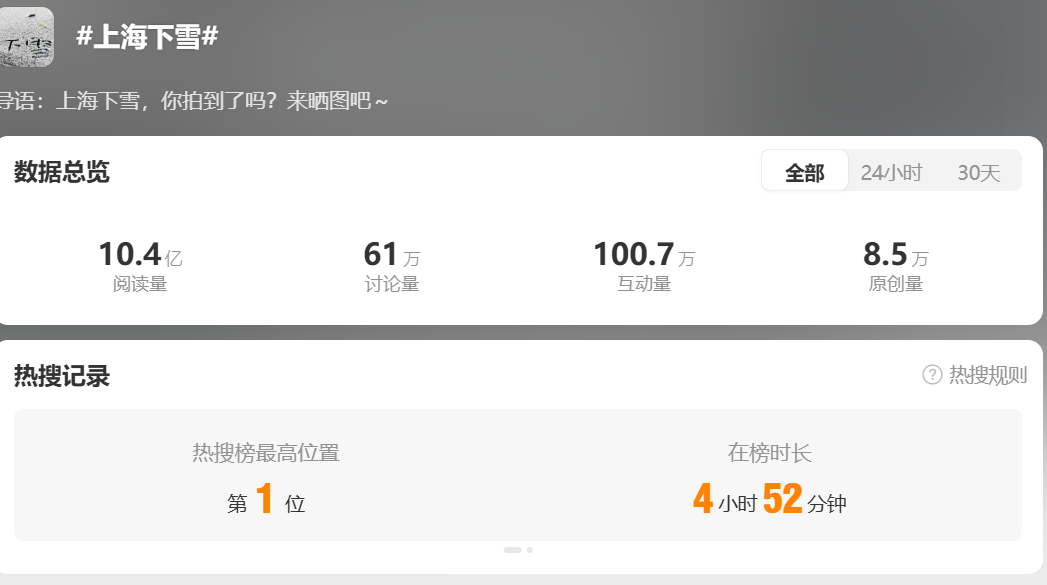
大寒!上海、杭州下雪上热搜;河南暴雪冻雨,8000人滞留郑州机场,41条高速全线禁止车辆上站;武汉暴雪预警,部分学校停课!专家提醒
Mei Ri Jing Ji Xin Wen· 2026-01-20 06:51
Group 1 - A cold wave is affecting multiple regions in China, bringing heavy snow and freezing rain, with precipitation levels ranging from 5 to 15 mm in several areas, and some places experiencing up to 22 mm [1][33] - The cold wave coincides with the solar term "Major Cold," marking the coldest period of the winter, with temperatures expected to drop significantly across southern regions [1][43] - Major cities like Shanghai and Hangzhou have reported snowfall, with social media buzzing with images and reactions from residents [4][27] Group 2 - In Henan province, heavy snowfall has led to the closure of 41 highways and significant disruptions at Zhengzhou Airport, where around 8,000 passengers were stranded due to flight delays [33][36] - Wuhan has issued multiple weather warnings, including a yellow alert for snow, with schools implementing flexible schedules to ensure student safety [39][41] - Meteorological experts indicate that this winter's cold wave is particularly severe, with temperatures dropping to around freezing in many areas, and warnings issued for potential ice accumulation on roads and power lines [43][44]
大寒开启 多地天气为今冬以来最冷 最新气象分析→
Yang Shi Xin Wen Ke Hu Duan· 2026-01-20 06:05
Group 1 - The core viewpoint of the articles highlights the impact of the current cold wave coinciding with the "Great Cold" solar term, leading to the coldest weather of the winter across China [1][3] - The temperature line of 0°C will reach the Yangtze River, with many cities experiencing maximum temperatures near freezing [3] - Significant rain, snow, and freezing weather are expected in southern regions, particularly in Hubei, Anhui, Jiangsu, Zhejiang, and Jiangxi, with a warning for freezing rain in Hunan and Guizhou [3] Group 2 - By Thursday, most of China will return to a state with little rain and snow, with a noticeable temperature rise in southern regions, especially in Jiangnan, where maximum temperatures may exceed 15°C [5] - In contrast, northern regions will continue to experience low temperatures due to ongoing cold air influences, necessitating precautions for warmth [5]

寒潮持续发威!南方多省冻雨落地成冰,局地冻雨量超8毫米
Xin Lang Cai Jing· 2026-01-20 04:32
Core Viewpoint - A significant cold wave is impacting southern China, with severe weather conditions including rain, snow, and freezing temperatures expected to last until January 23, 2023 [1][3]. Weather Impact - The cold wave has led to the issuance of multiple weather warnings, including orange alerts for low temperatures and ice, and yellow alerts for heavy snow in Hubei and other provinces [3][5]. - In Hubei, temperatures are expected to drop to as low as -7°C, with significant snowfall predicted in areas like Shiyan and Xiangyang [1][3]. Emergency Responses - Hunan Province has activated a level three emergency response to address the severe weather, focusing on energy supply, transportation, and urban operations [5][6]. - Hubei's meteorological bureau initiated a level three emergency response on January 18, coordinating with various sectors to mitigate risks associated with transportation, power supply, and agriculture [5][6]. - Guizhou Province has also activated a level four emergency response, emphasizing safety and stability measures [6]. Historical Context - Freezing rain is most common from November to March, with January and February being peak months for such weather events in China [4]. - Regions like Guizhou experience the highest frequency of freezing rain, with an average of 41.6 days per year, while Emei Mountain in Sichuan sees over 110 days of freezing rain annually [4].
第1现场|寒潮北下影响南方地区,湘黔桂赣有雨雪冰冻
Xin Lang Cai Jing· 2026-01-20 04:32
Core Viewpoint - The article discusses the impact of a cold wave affecting southern China, coinciding with the solar term "Great Cold," leading to significant snowfall and freezing conditions in various provinces [1][12]. Weather Warnings - The Central Meteorological Observatory issued blue warnings for cold waves, yellow warnings for freezing, and blue warnings for strong winds on January 20 [1]. - The cold wave is expected to bring moderate to heavy snow in parts of southeastern Hubei, northern and central Hunan, northwestern Jiangxi, and eastern Guizhou [3]. Temperature Changes - From January 20 to 21, temperatures in regions such as western Jianghuai, eastern and southern Jiangnan, southeastern Southwest China, and South China are forecasted to drop by 4°C to 6°C, with some areas experiencing drops of up to 10°C [15]. Snow Removal Efforts - Various regions, including Jiangsu and Anhui, have mobilized workers to clear snow from roads and public areas to ensure safe travel for citizens [5][10][19]. Public Safety Measures - In Wuhan, schools have laid down anti-slip mats at entrances to ensure student safety during the cold and snowy weather [12]. - Experts have warned about the potential secondary risks from the cold wave, including road icing, damage to power and communication facilities, and agricultural frost damage [18]. Future Weather Outlook - By the end of the week, most of the country is expected to return to a state with little rain or snow, with temperatures in southern regions, particularly Jiangnan, rising above 15°C [20].