量化分析

Search documents
横盘过后,A股即将迎来大洗牌,风险已经开始累积!
Sou Hu Cai Jing· 2025-04-21 09:39
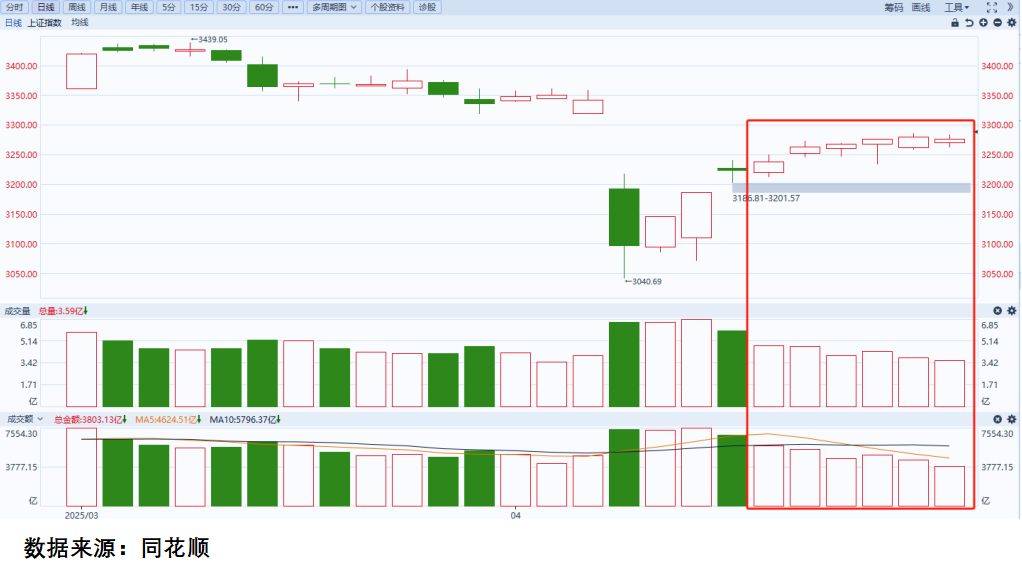
Core Viewpoint - The stock market is experiencing low trading volumes, leading many investors to adopt a wait-and-see approach, but this calmness may be hiding accumulating risks [1][2]. Group 1: Market Conditions - The stock market has been quiet, with low trading activity and a lack of enthusiasm among traders [2]. - Two main reasons for the current market stagnation are the anticipation of key news and the typical post-spring farming market pause in A-shares [4]. - Investors are particularly cautious ahead of the upcoming May Day holiday, leading to a continued lack of market activity [4]. Group 2: Investment Opportunities - While many retail investors are waiting for a market upturn, there are hidden risks that could lead to significant losses if not addressed [5]. - The market is not uniformly rising or falling; some stocks and sectors may be quietly accumulating risks during this sideways market [5]. - Understanding institutional trading data can provide insights into potential investment opportunities, as institutional investors often have better market insights than retail investors [7]. Group 3: Institutional Trading Insights - Data analysis reveals that stocks with active institutional trading tend to perform better, as seen with "Huarong Chemical," which saw an 80% price increase due to institutional accumulation [9]. - Conversely, "ST Zhongqingbao" experienced a nearly 50% drop with no institutional involvement, highlighting the importance of institutional sentiment in stock performance [10]. - A comprehensive analysis of over 5,000 stocks can help identify which stocks are being actively managed by institutions, providing a clearer picture of potential investment opportunities [10].

2025年3月社融预测:56806亿元
Minsheng Securities· 2025-04-01 12:44
- The report constructs a bottom-up framework for forecasting social financing (社融) by analyzing sub-items based on economic logic, high-frequency data, and seasonal characteristics. This approach allows for detailed predictions of both total social financing and its structural components[7][8] - The framework includes predictive methods for various sub-items such as RMB loans, government bonds, corporate bonds, and others. For example, RMB loans are forecasted using PMI and Tangshan steel plant capacity utilization rates as independent variables, while government bonds are tracked using high-frequency issuance and maturity data[8] - Specific predictive methods include rolling regression for RMB loans and corporate bonds, using past averages for items like foreign currency loans and entrusted loans, and high-frequency tracking for trust loans and ABS net financing[8] - The March 2025 forecast for new social financing is approximately 5.68 trillion RMB, with RMB loans contributing 3.78 trillion RMB, government bonds 1.53 trillion RMB, and corporate bonds 0.01 trillion RMB. Structural predictions also include detailed breakdowns such as enterprise loans, resident short-term loans, and resident long-term loans[8][16] - The report highlights that government bonds continue to drive social financing growth, while corporate credit shows signs of recovery. PMI data and real estate sales are used to support these predictions[9]
指数回来了,钱却没回来
Sou Hu Cai Jing· 2025-03-25 09:58
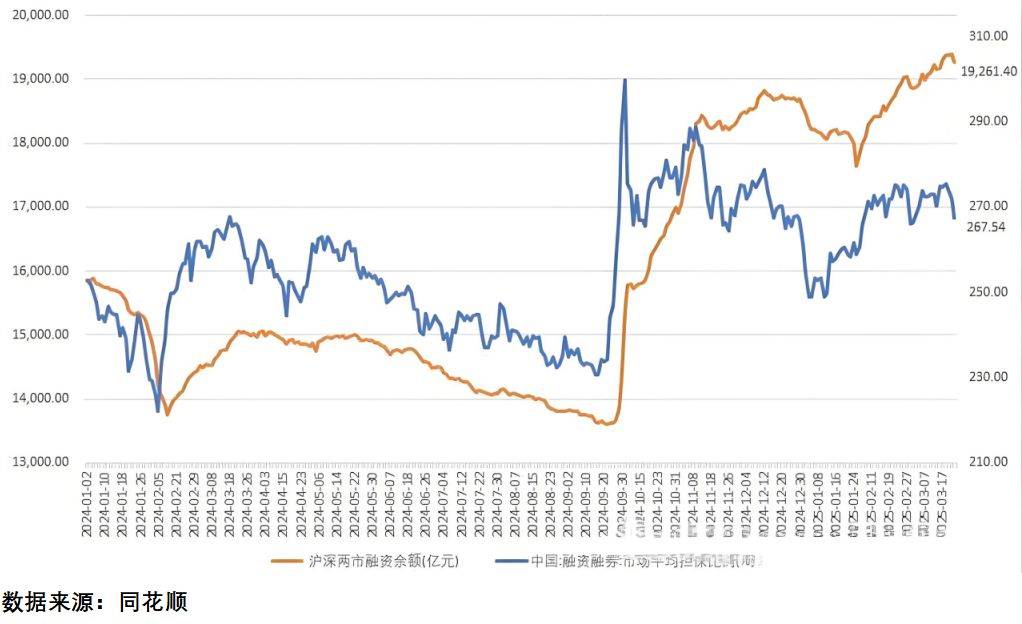
指数回来了,钱却没回来 昨天市场出现了一个值得玩味的现象: 虽然三大指数最终收红,但微盘股却领跌全市场,明明指数是涨的,为什么自己反而亏了大钱? 这种指数与个股表现背离的情况,今天我来给大家好好分析一下。 文末有重要干货提示,千万不要错过! 一,微盘股领跌 表面上看,微盘股的下跌可以归因于监管边际趋严、缺乏热点题材等短期因素。 但究其根本,是市场内部的杠杆水平和真实赚钱效应之间的扭曲程度已经达到了一个极点。 过去一段时间,部分微盘股凭借资金推动和概念炒作积累了过高涨幅,而随着市场回归理性,均值回归的规律开始发挥作用。 值得庆幸的是,昨天下午两点半的那波强力拉升,避免了市场重演去年12月17日的单边下跌剧情,这显示出市场仍具备一定的自我修复能力。 二,指数涨了,钱却亏了 这种指数与个股分化的现象给我们一个重要启示: 单纯盯着指数涨跌来判断市场好坏是远远不够的。 即便指数上涨,如果选错了板块和个股,依然可能面临亏损。 这就是为什么专业投资者更关注机构资金的动向——因为机构往往能更早感知市场风向的变化。 机构掌握着股价的定价权,对于市场中稀有的有价值的信息能够提前掌握并分析。 当前市场正处于一个关键转折期,前期涨幅 ...